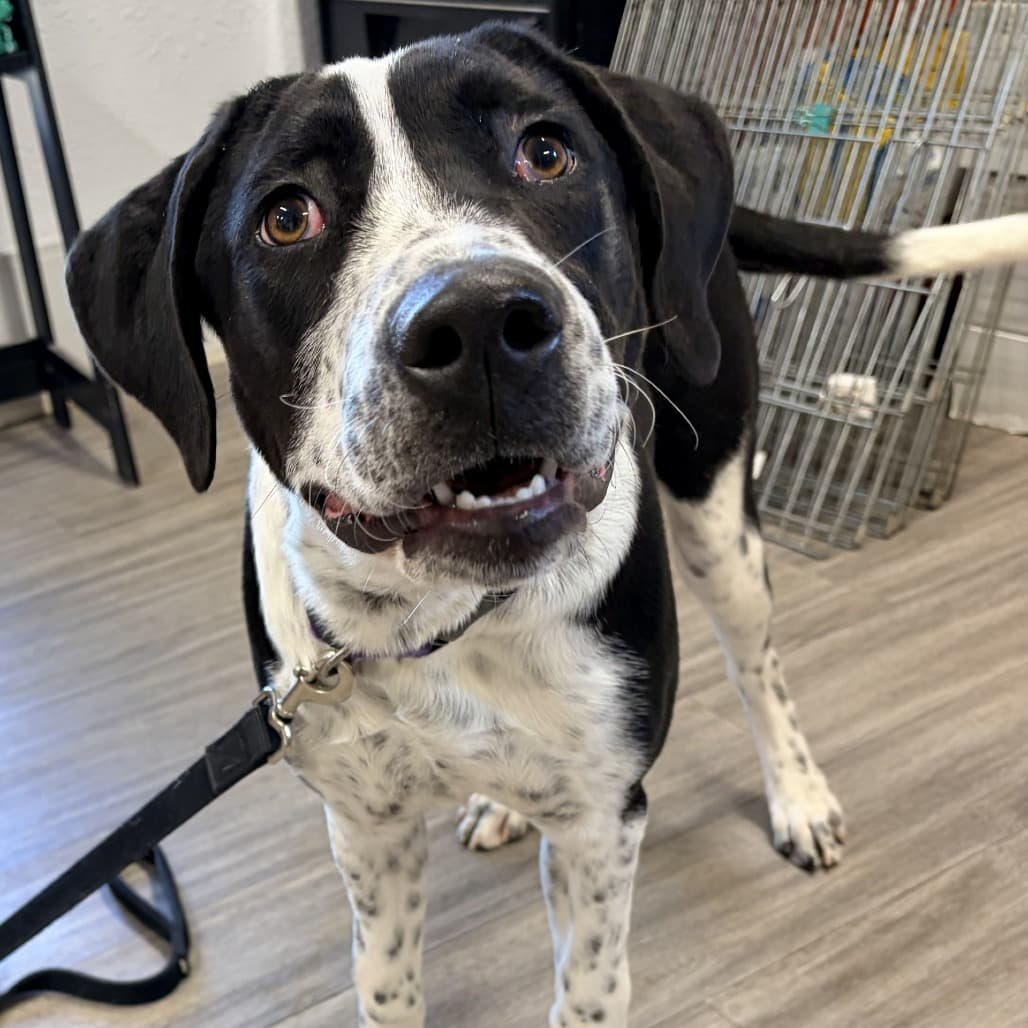
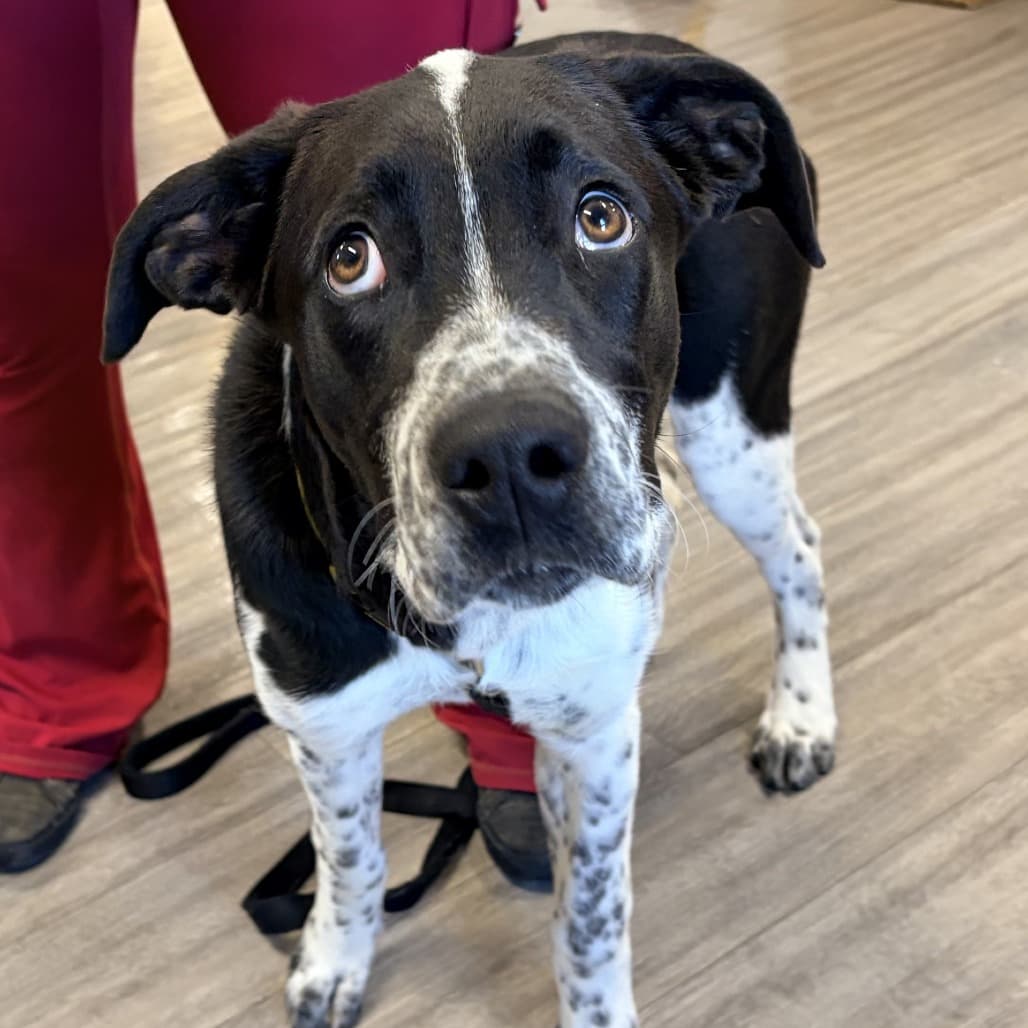
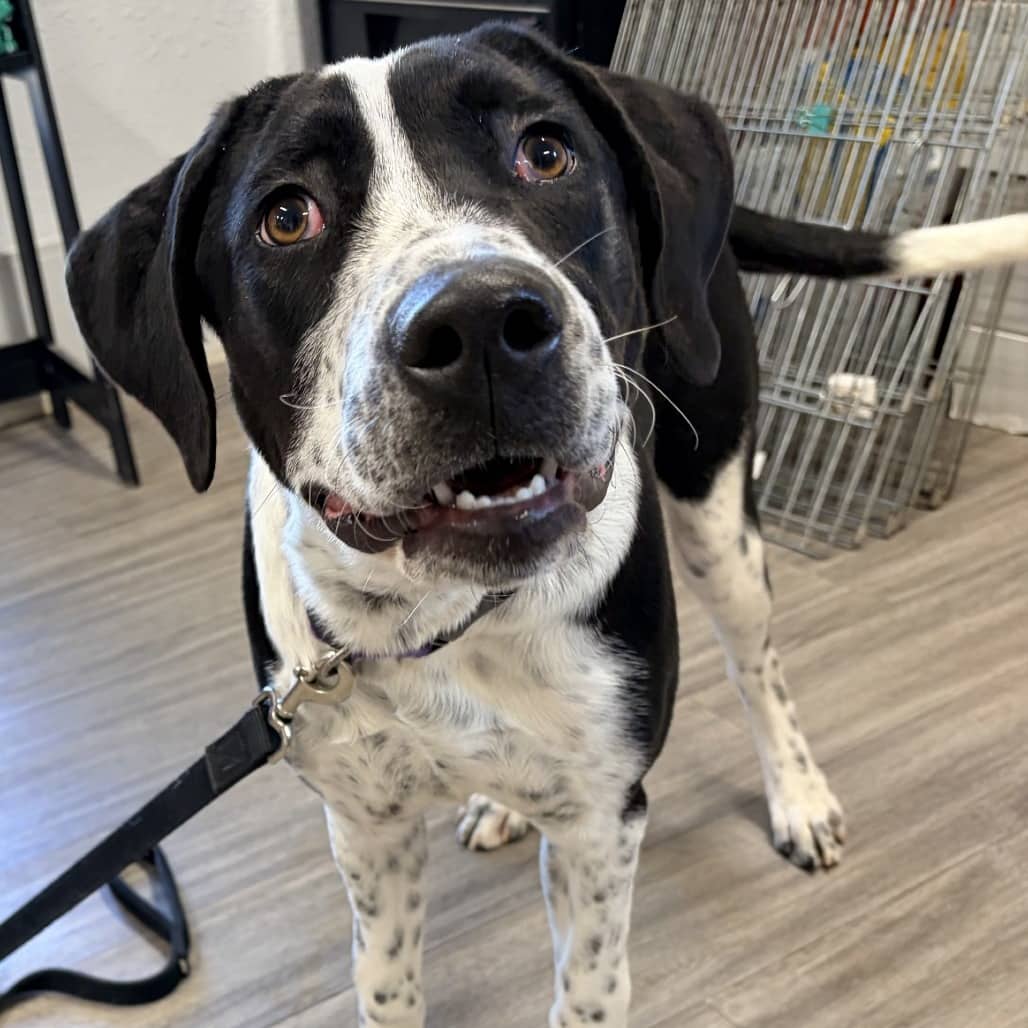
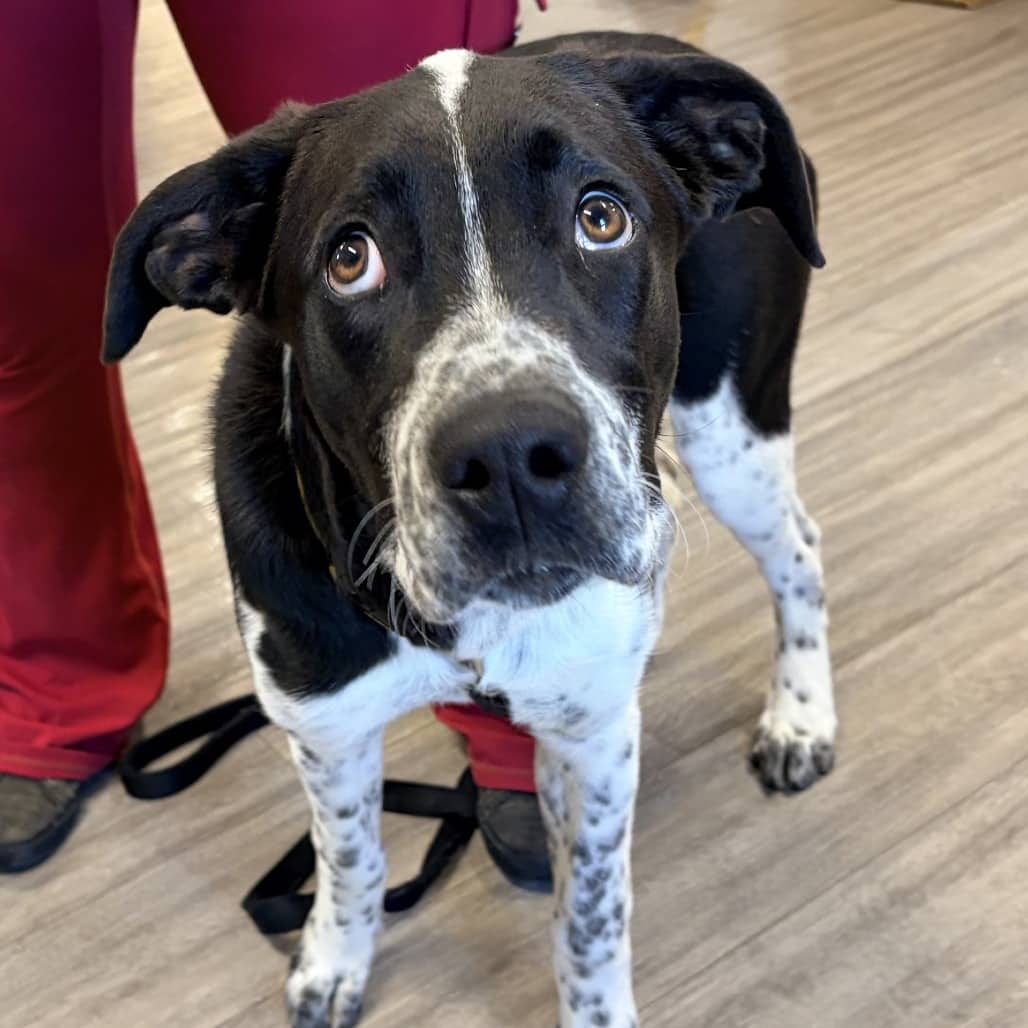
2 Great Dane puppies available in Saskatchewan
Under a year old, listed by rescues and shelters. Updated as shelters publish.
Get notified when a Great Dane is listed
We will email you the moment a Great Dane becomes available in Saskatchewan, from a rescue or an owner rehoming.
Adopting a Great Dane in Saskatchewan
The Great Dane is the gentle giant of the dog world, the so-called Apollo of dogs. They are calm, affectionate, and far more of a couch companion than their size suggests. But the size is the whole story when you adopt one. A grown Dane stands shoulder-high to a sitting adult and can outweigh a small person, so everything about the dog (the food bill, the vehicle you need, the vet meds dosed by weight, the space on your floor) scales up with them.
Danes do not come up in Saskatchewan rescue every week, so set your search to cover the whole province. Check listings in Saskatoon, Regina, Prince Albert and Moose Jaw. If a Dane or a Dane cross shows up two hours away, a prairie drive for the right dog is normal here. Plan that drive with a vehicle the dog can actually fit in, because a full-size Dane does not ride in a hatchback.
Why Great Danes turn up in SK rescue
Most Danes that reach rescue are surrendered because a family bought a striking puppy and underestimated the adult. The cost of feeding a dog this large, the cramped apartment, a move that will not allow a giant breed, or a health bill nobody budgeted for are the usual reasons. They are rarely behavioural cases. The dog is almost always lovely; the situation simply outgrew the household.
Some Danes and Dane crosses also come south through the northern Saskatchewan and reserve-community transfer pipeline, where spay and neuter access is limited and litters happen. The Prince Albert SPCA handles a lot of that northern intake before transferring dogs to rescues further south. A big goofy puppy that turns out to be part Dane is exactly the kind of dog that can surface from a northern litter.
Saskatchewan climate fit
A Great Dane is not built for a Saskatchewan winter. The coat is short and there is very little body fat for the surface area, so a minus 30 January night in Saskatoon or Regina goes through them fast. A Dane needs a proper insulated coat outdoors in the cold months and short, purposeful potty trips rather than long winter walks. They are an indoor dog here, no question.
Summer is the easier season but not free. Danes can overheat in the low-to-mid 30s prairie heat, and the deep-chested build means you want to keep them calm right after meals rather than running them on a full stomach. Walk early morning or after dark in a July heat wave. On the acreages and quarter-sections where a lot of Saskatchewan dogs live, a Dane is actually a lower escape risk than most: they are not climbers or diggers, and a tall fence usually holds them. The bigger rural worry is a young Dane bowling over kids or knocking an older person off balance simply by being enthusiastic.
Health questions to ask the foster
Great Danes are a short-lived breed, and most of their health risks come straight from the size. Ask the foster directly about a few things before you fall in love.
- Bloat (gastric torsion): the single most urgent Dane risk. Ask whether the dog has had a gastropexy, and learn the emergency signs before you adopt.
- Heart disease, especially dilated cardiomyopathy, is common in the breed. Ask about any heart murmur or screening history.
- Joints and bones: hip and elbow issues, plus growth-related problems if the dog grew up fast. Ask about any limping or stiffness.
- Lifespan: be honest with yourself that a giant breed often gives you fewer years than a small dog would. It changes nothing about how much you will love them, but it should change how you plan.
What a Great Dane is like to live with
Day to day, a Dane is one of the most laid-back big dogs you can own. They are people-focused, often leaning their whole weight against you for affection, and content with a moderate walk plus a soft place to sprawl.
- Gentle and affectionate, frequently described as a giant lap dog who has not noticed the size.
- Lower energy than the size implies: a couple of solid walks, not a marathon.
- They drool, some lines more than others. Keep a towel by the door.
- A giant commitment in money and space: big food bill, big crate, big vet bills, big vehicle.
- Generally good with respectful kids and other pets, though the sheer mass means supervision around small children and small animals.
What the adoption fee covers
A Saskatchewan rescue adoption fee for a Great Dane typically covers spay or neuter, core vaccinations, a microchip, deworming and a vet check. For a giant breed that often means the dog has already had the most expensive early vetting handled, which is a real saving on a dog this size. Confirm the exact fee and exactly what is included on the individual listing, since it varies by rescue and by the dog's medical history.
How to search and filter
Use the size filter set to large or extra-large and search Great Dane along with Dane and Dane cross, since many giant mixes are listed by best guess. Set your location to all of Saskatchewan rather than one city, because Danes are uncommon and you want every listing province-wide. When one appears, read the foster notes closely for energy level, health history and how the dog handles other animals, then apply directly to that rescue.
Looking more broadly? Browse every adoptable dog across the province on Dog Adoption Saskatchewan.
The rescues that most often list Great Danes across the province are Saskatoon SPCA, Saskatoon Dog Rescue, and Regina Humane Society. For breed-specific background, the Canadian Kennel Club is a useful reference.
Great Dane Adoption FAQ — Saskatchewan
Tap a question to expand
How many Great Danes are available for adoption in Saskatchewan?▼
Where can I find Great Dane adoption near me in Saskatchewan?▼
Can a Great Dane handle a Saskatchewan winter?▼
Why are Great Danes rare in Saskatchewan rescue?▼
Are Great Danes good with kids and other pets?▼
Is LocalPetFinder a shelter or does it charge fees?▼
How much does it cost to adopt a Great Dane in Saskatchewan?▼
Can I get a Great Dane free to a good home in Saskatchewan?▼
Are these Great Danes for sale in Saskatchewan?▼
Where can I buy a Great Dane in Saskatchewan, and should I?▼
Are there free Great Danes in Saskatchewan, or great danes under $500?▼
Are there Great Dane puppies in Saskatchewan, or only adults?▼
Where can I find a Great Dane near me in Saskatchewan?▼
Popular dog breeds in Saskatchewan
Great Dane adoption by city in Saskatchewan
Each city page lists only the great danes available from rescues serving that city, with local adoption details.
Need to rehome a Great Dane?
If you can no longer keep your Great Dane, you can list them for free on LocalPetFinder. Your dog stays in your home until you find the right family, you screen who applies, and there is no surrender fee. Not sure yet? Our guide to surrendering a dog in Canada walks through every option first.
List your dog for free →