12 Labrador Retriever puppies available in Saskatchewan
Under a year old, listed by rescues and shelters. Updated as shelters publish.
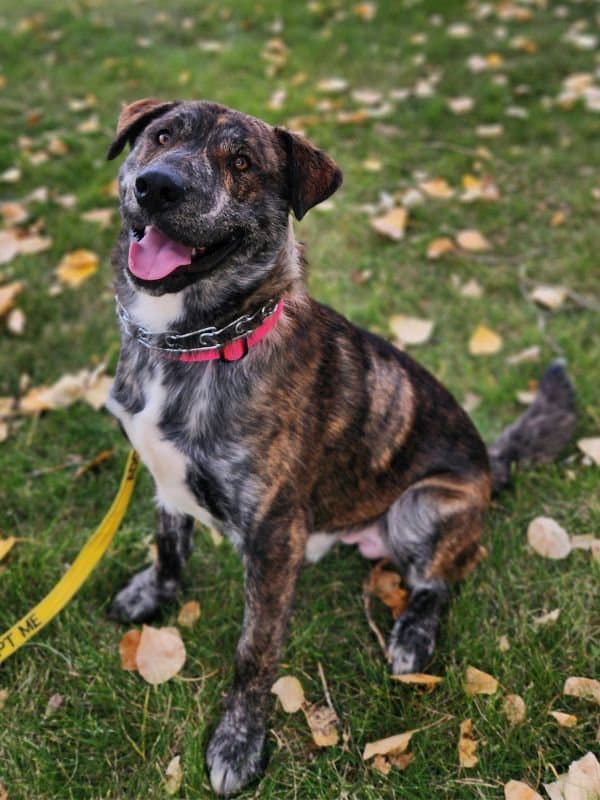
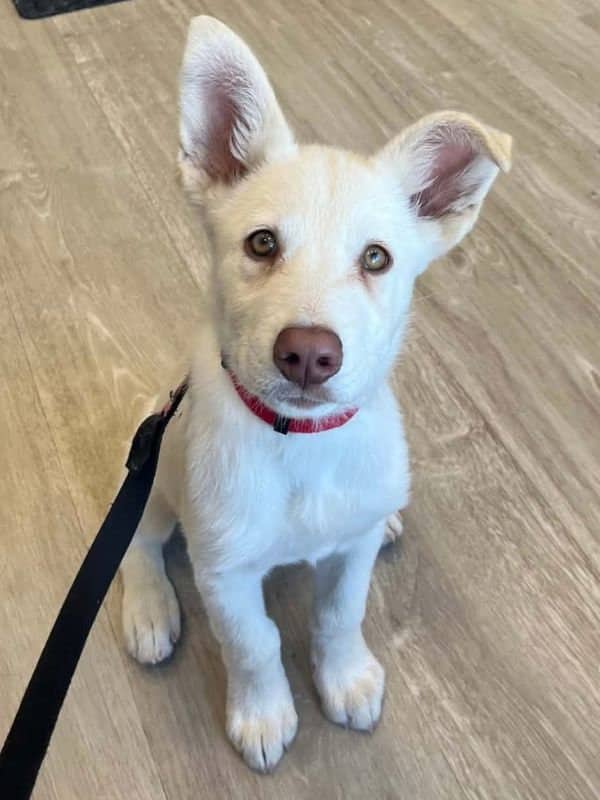
Cheddar Bob
Approx. 1 year · saskatoon
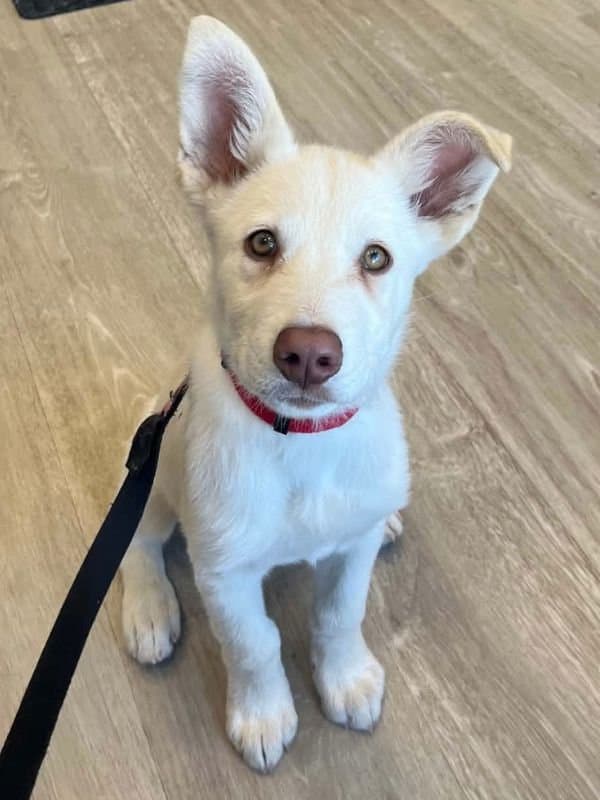
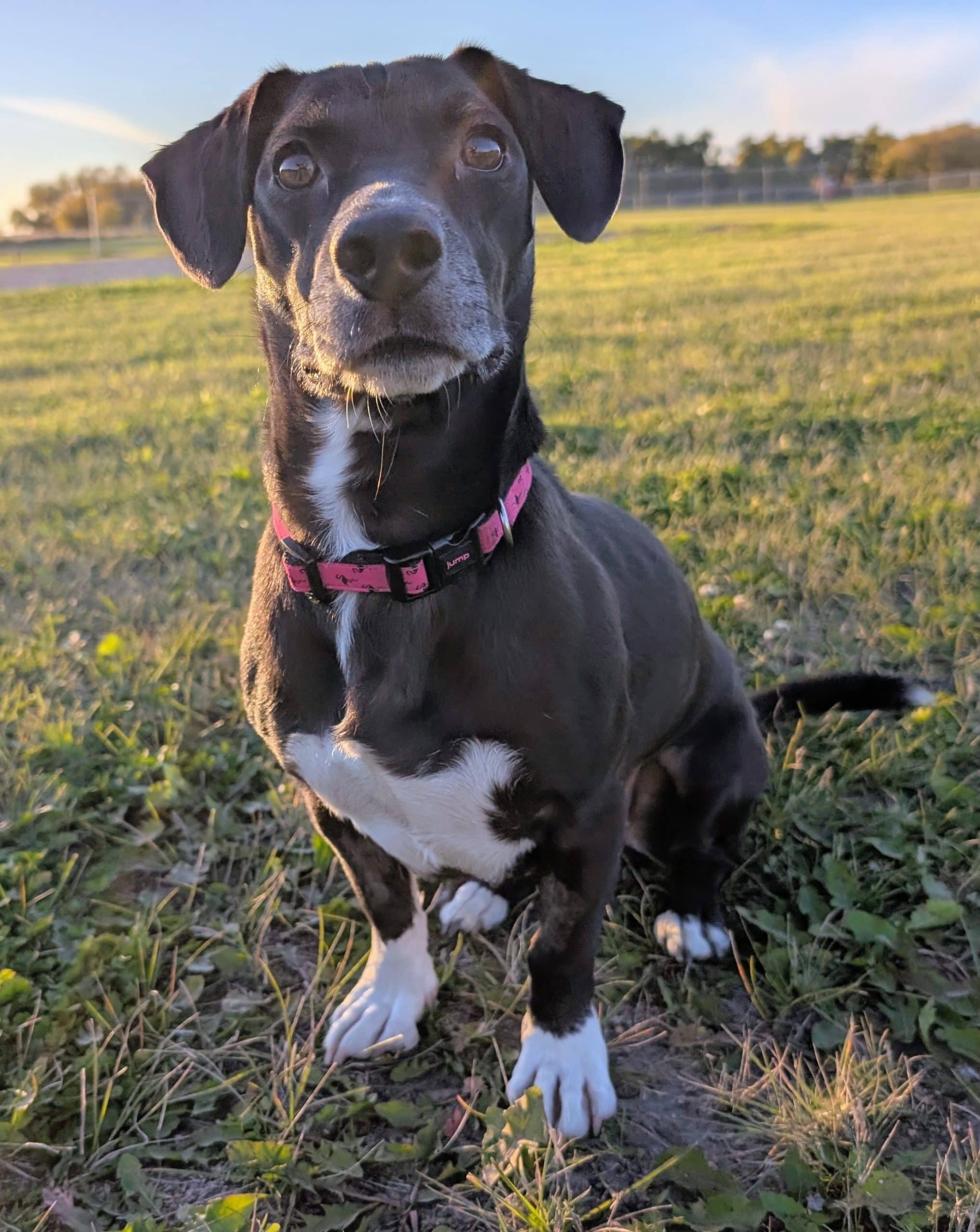
Nix
Approx. 3 months · saskatoon
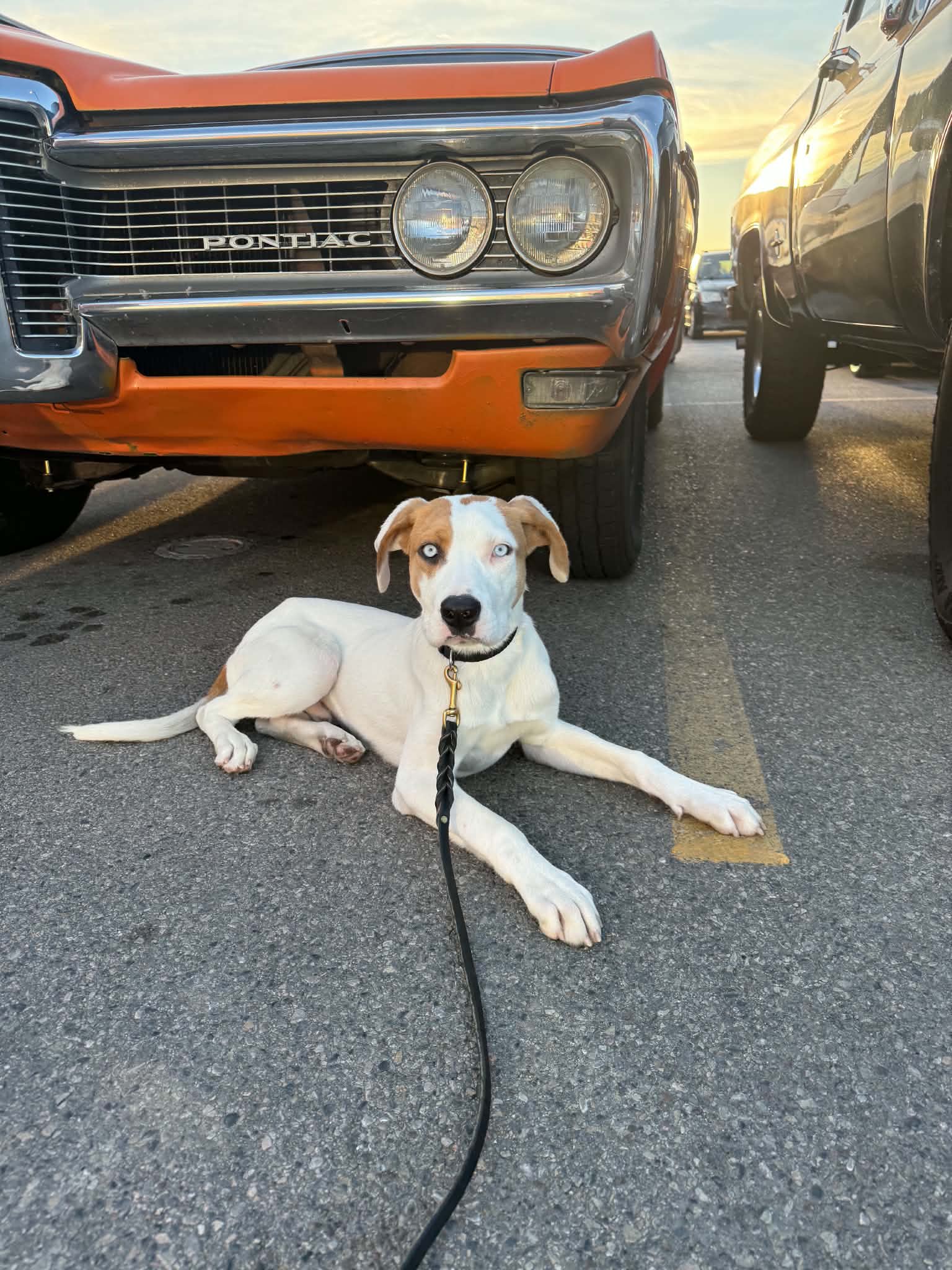
Leroy Jenkins
Puppy · regina
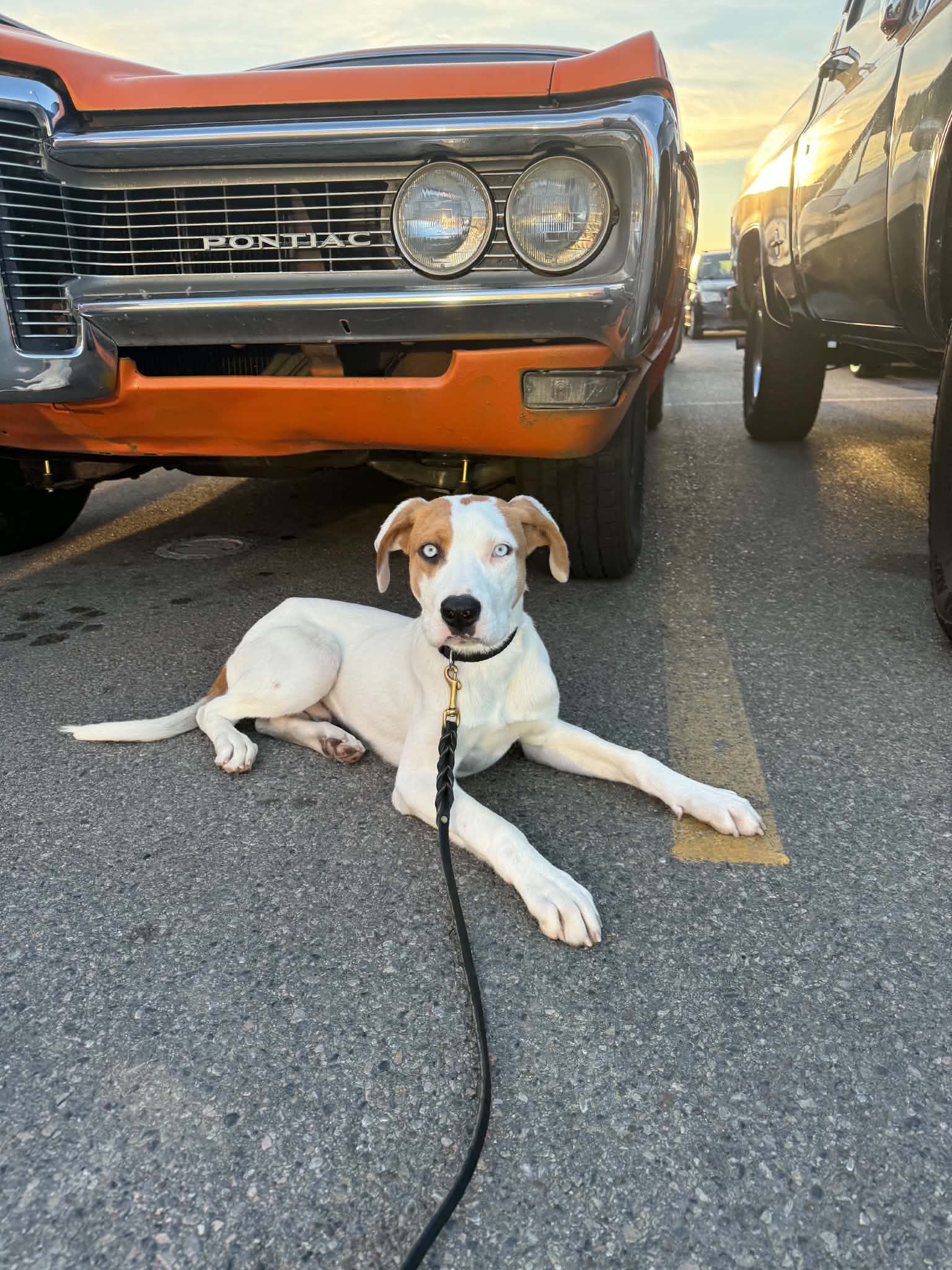
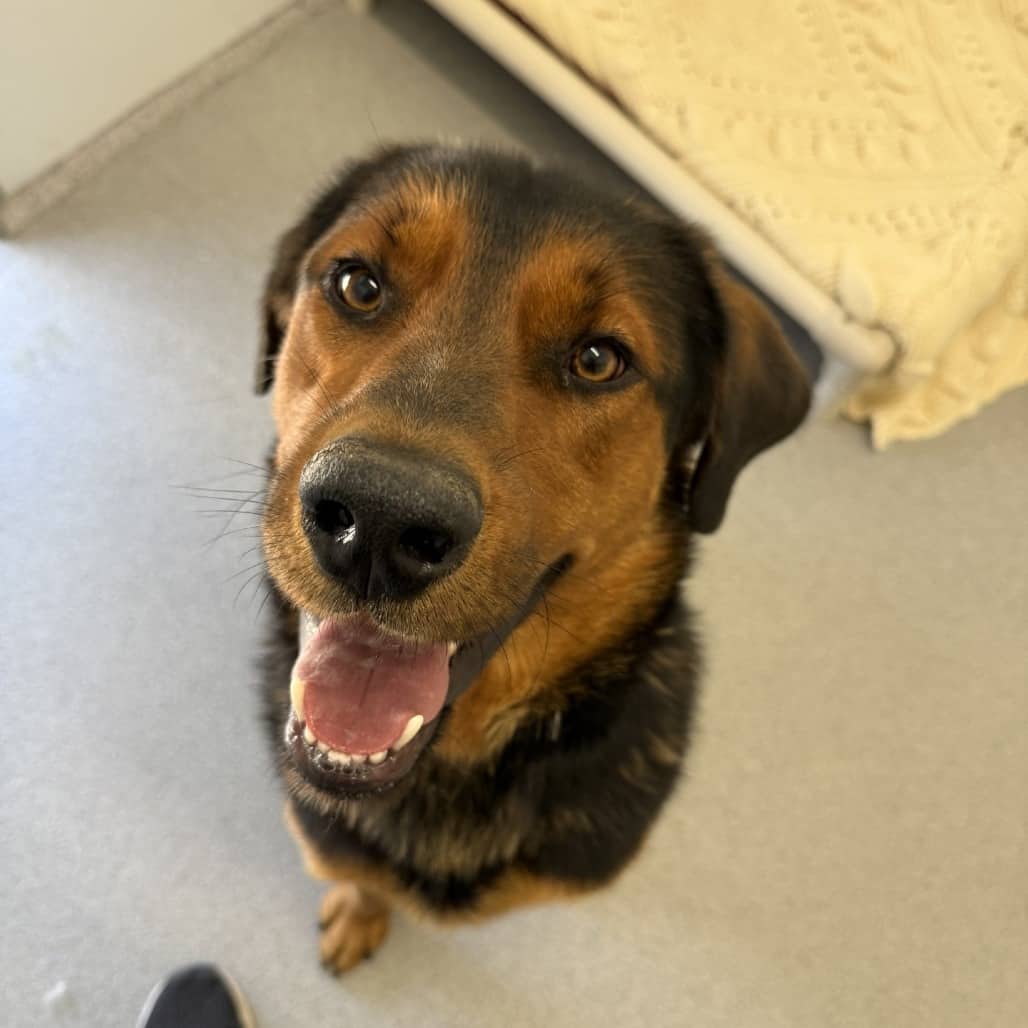
Alvin
1 year · regina

Get notified when a Labrador Retriever is listed
We will email you the moment a Labrador Retriever becomes available in Saskatchewan, from a rescue or an owner rehoming.
Might also be a match
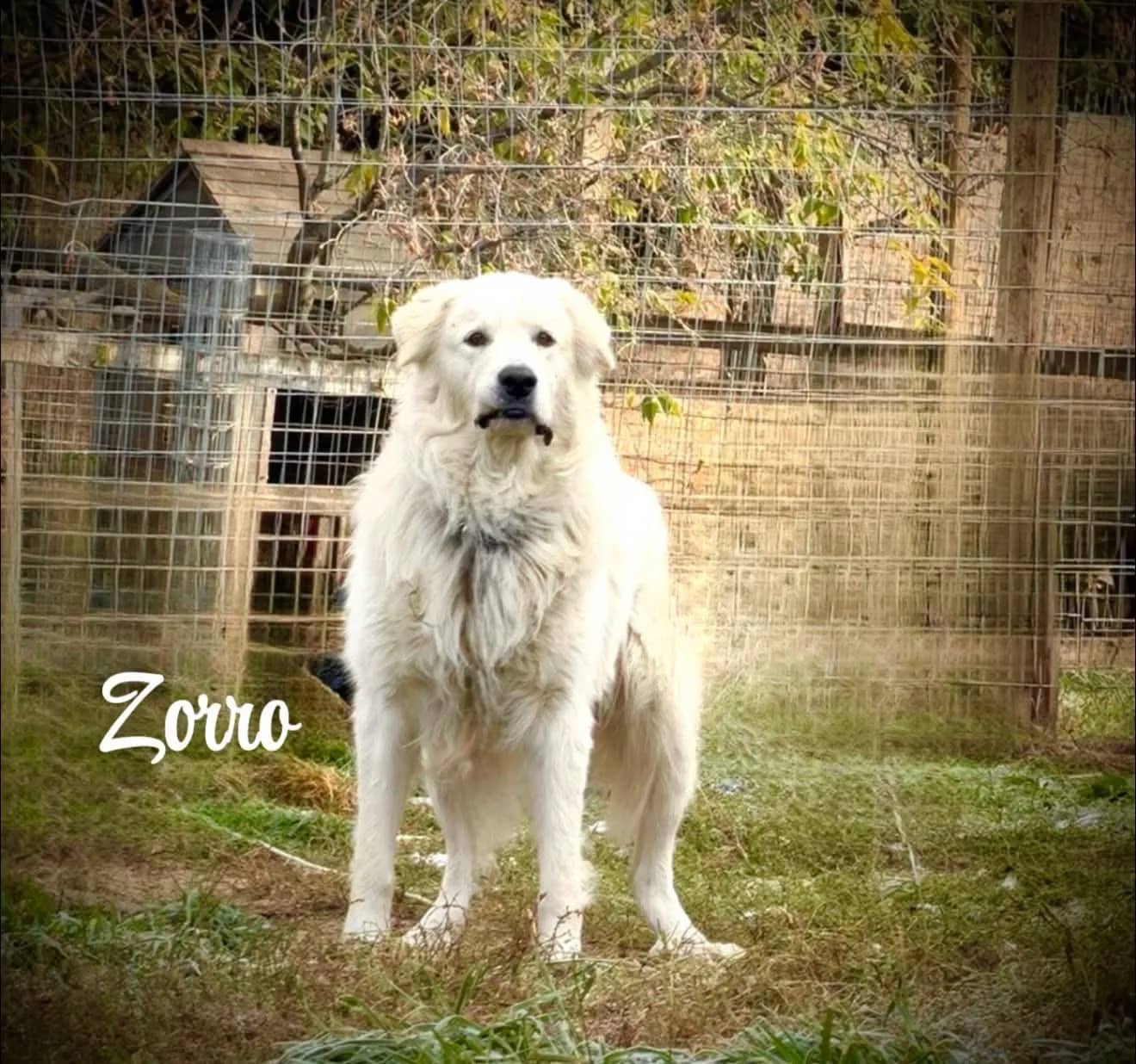
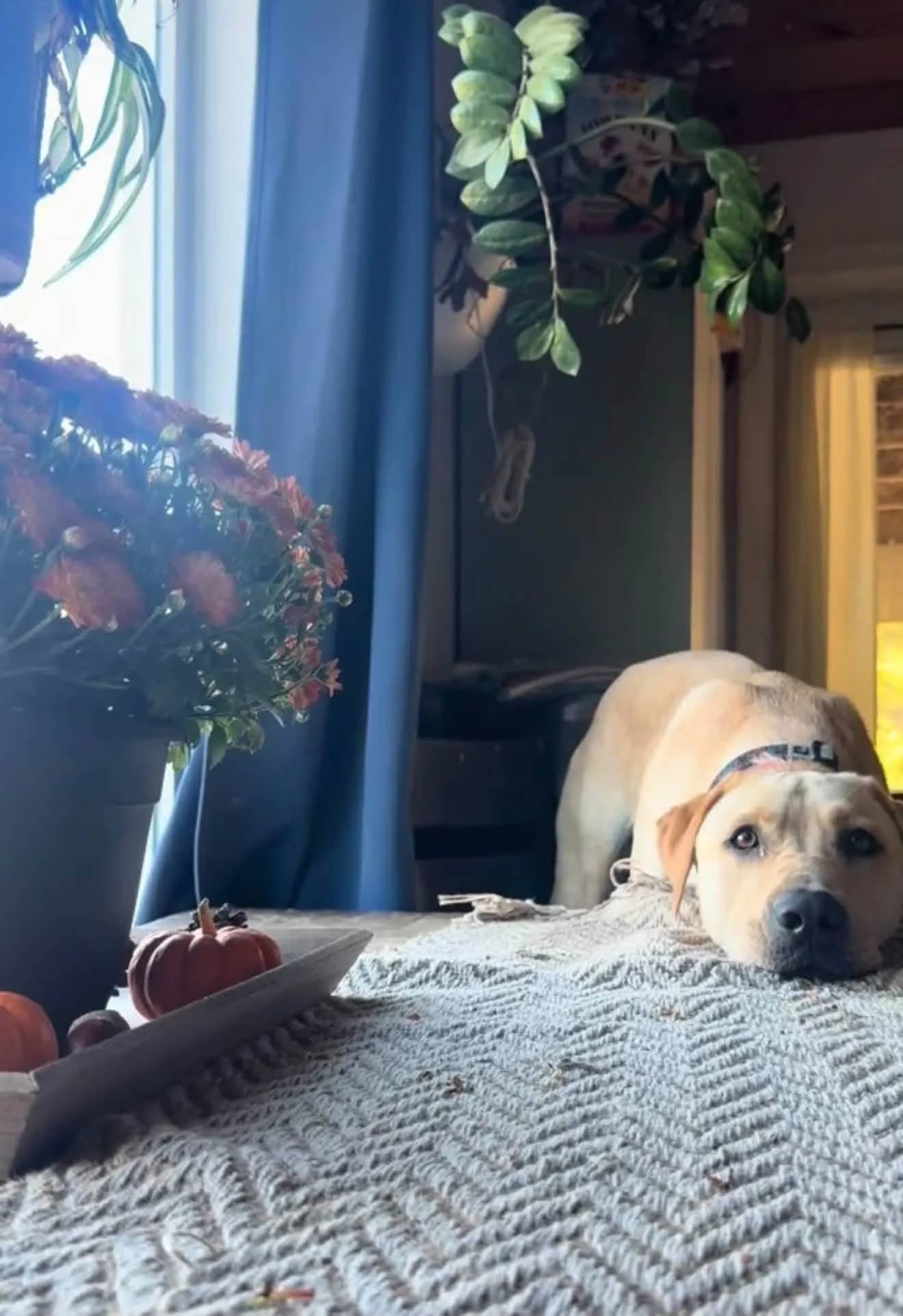
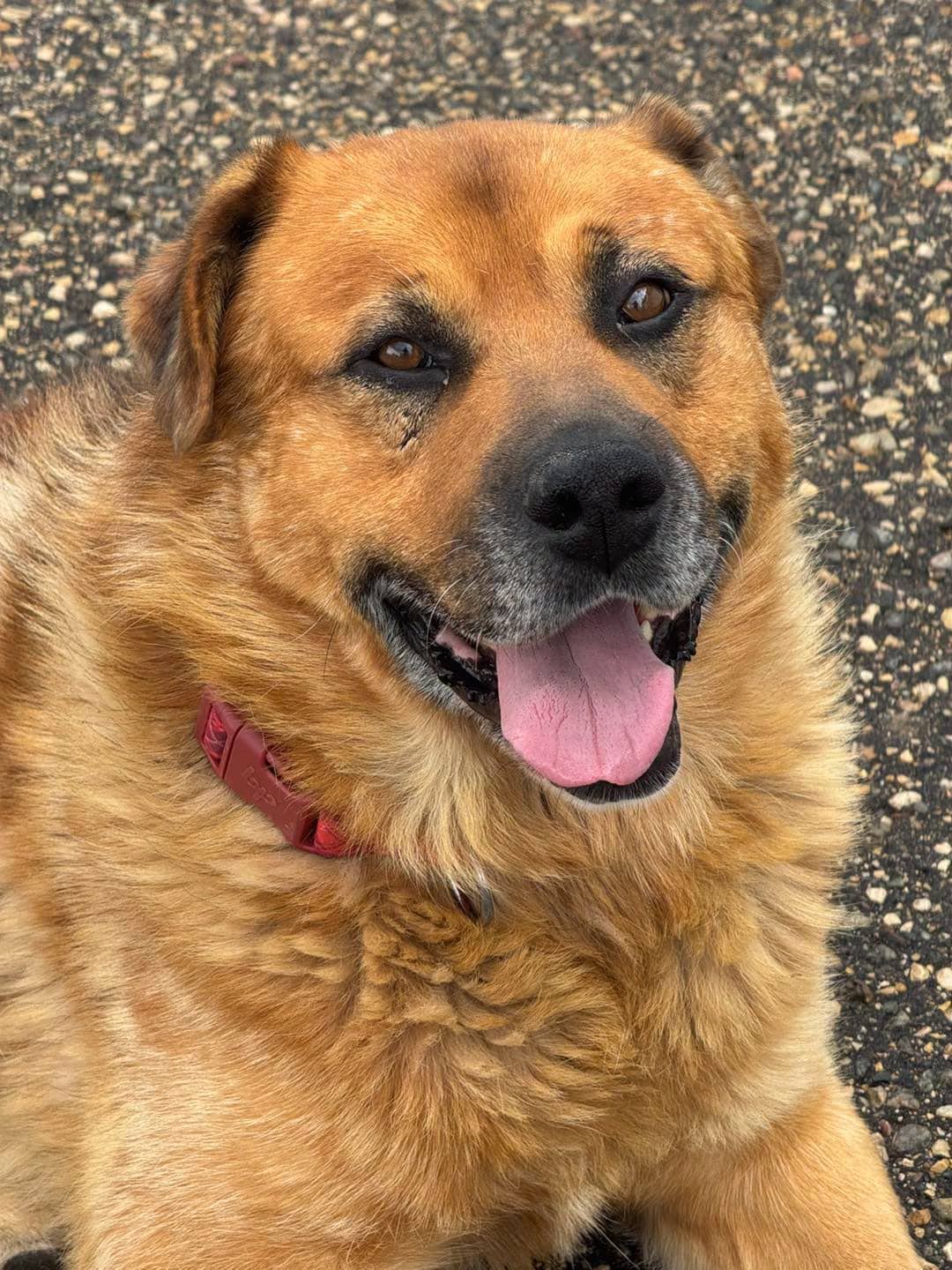
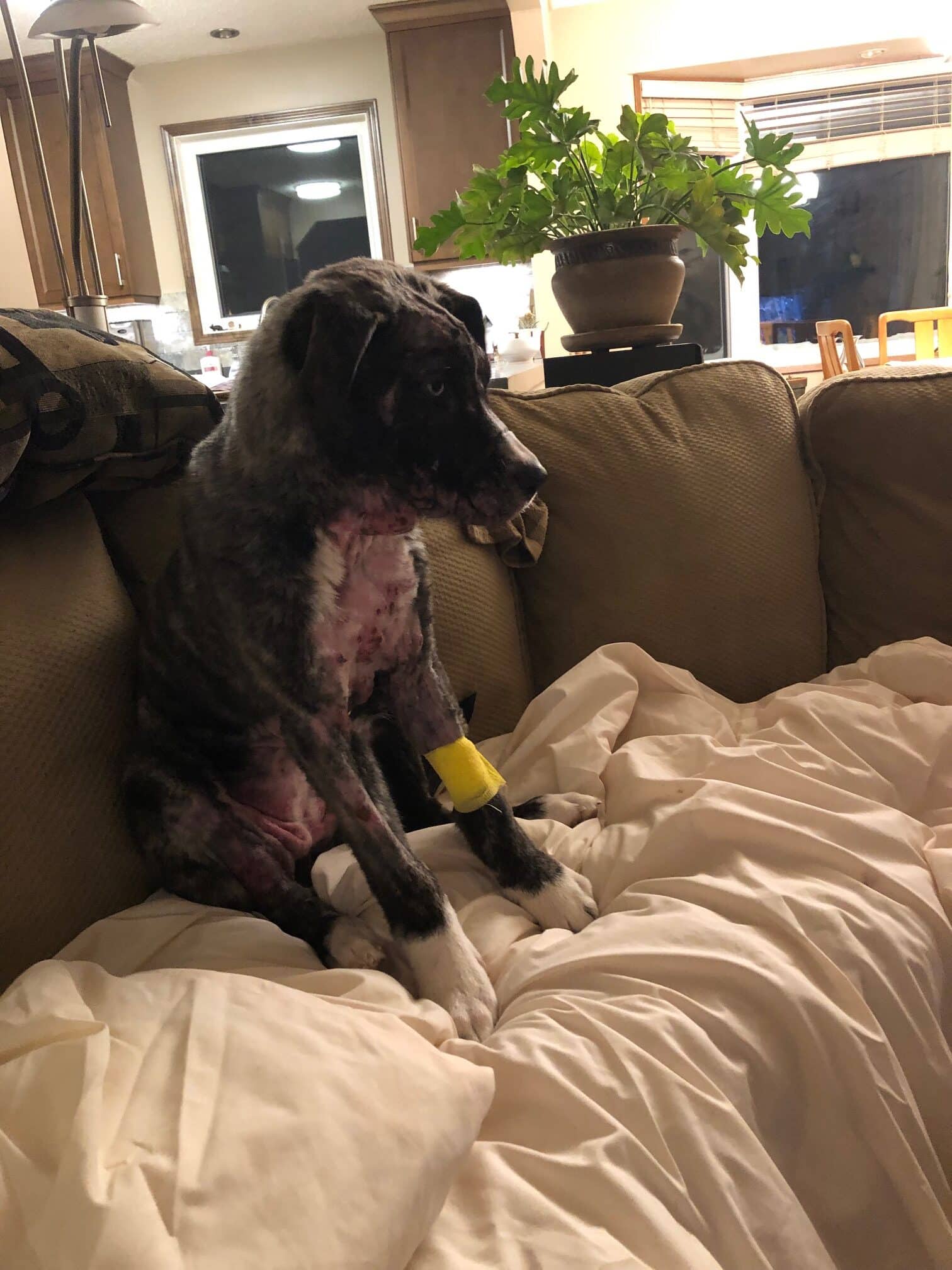
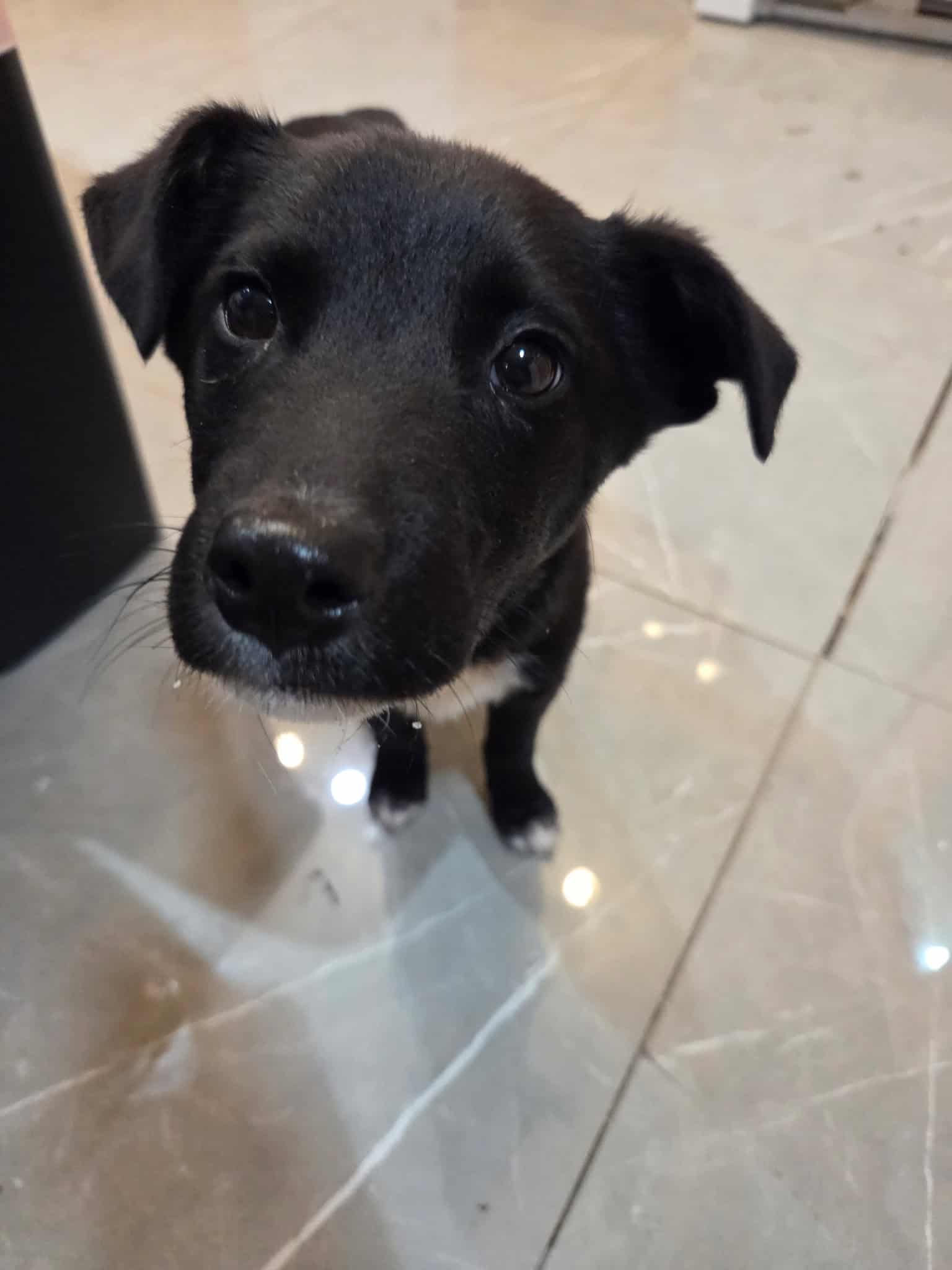
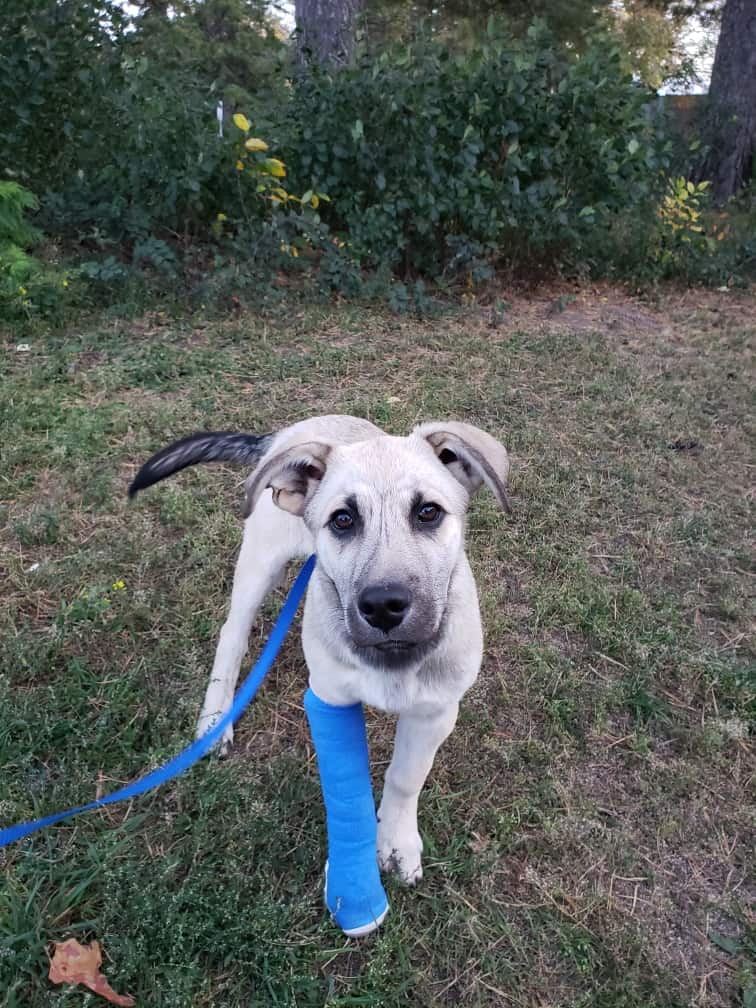
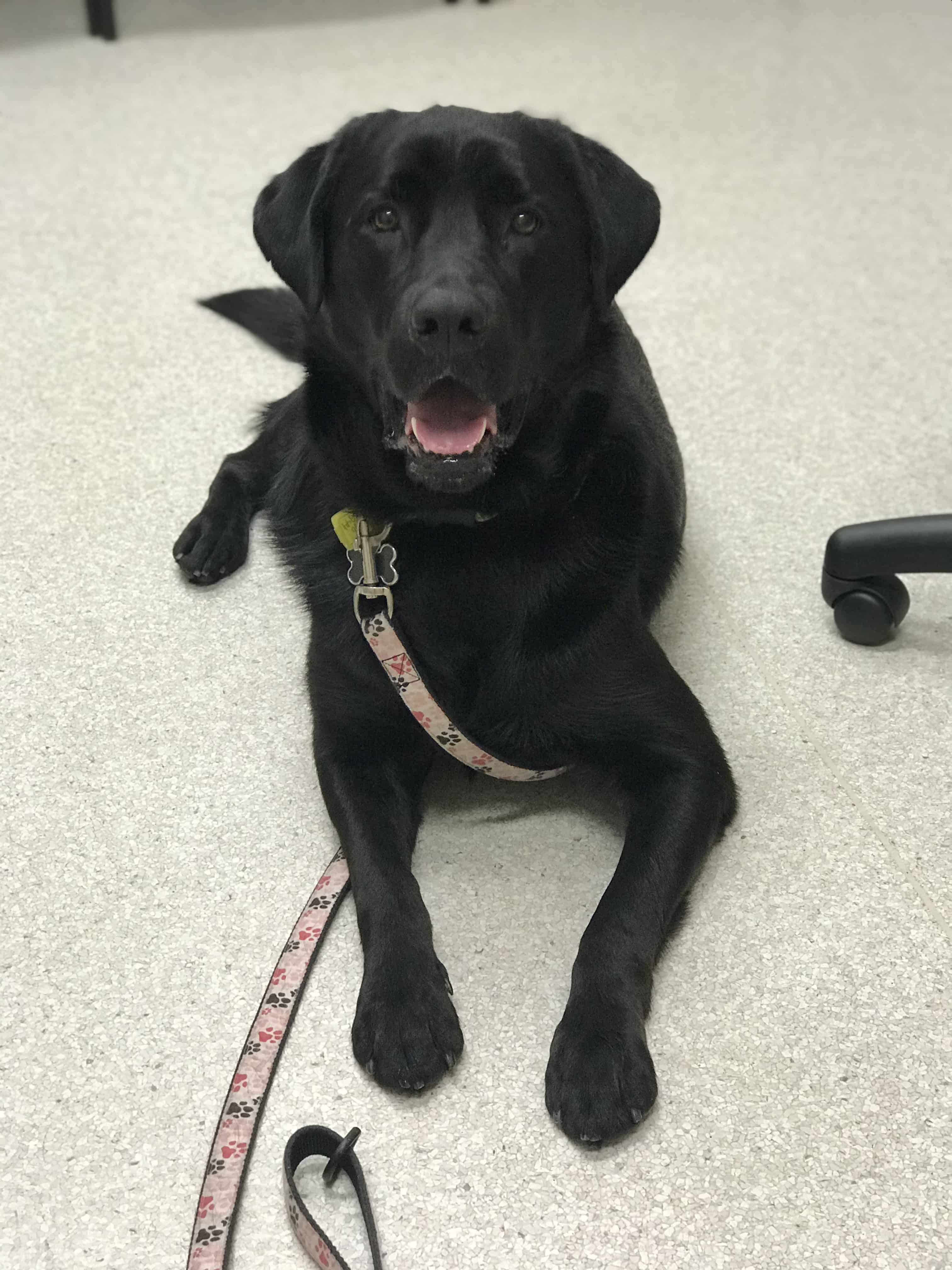
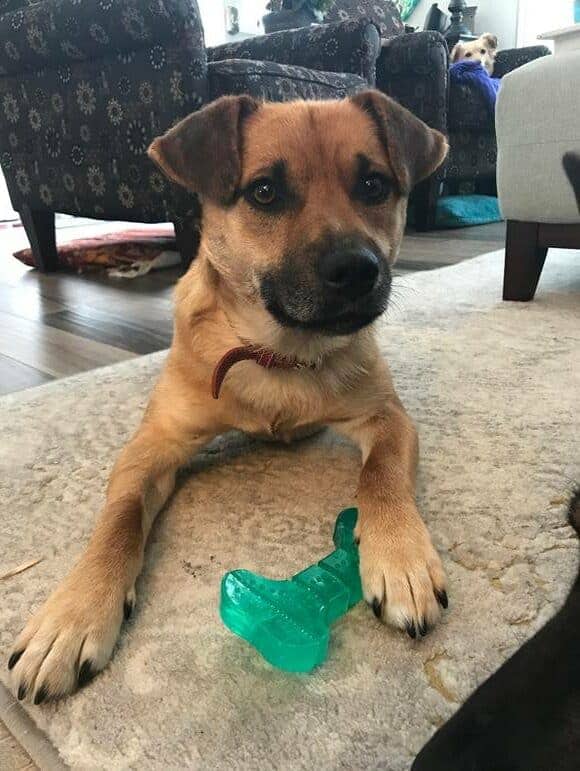
These 12 dogs look like Labrador Retriever in Saskatchewan, but their shelter hasn’t listed a breed — so they are recorded simply as a mixed breed. We spotted the resemblance from their photo.
It's a guess from a picture, not a DNA test, so treat it as a starting point. Most rescue dogs are mixes, and the shelter is the best source on any individual dog.
Adopting a Labrador in Saskatchewan
Labrador Retrievers and Lab crosses are some of the most popular dogs in Saskatchewan and they are well-represented in rescue. You will find Labs at the Regina Humane Society, Saskatoon SPCA, Saskatoon Dog Rescue, and at smaller shelters across the province. Most are Lab mixes (often Lab-Shepherd or Lab-Pit crosses) rather than purebred Labs — purebred Labs cycle through rescue too but in smaller numbers.
This page pulls every adoptable Labrador or Lab cross from the SK shelters we cover into one searchable place, refreshed regularly. The breed's reputation for being family-friendly is mostly earned, but rescue Labs often come with quirks (high prey drive, food obsession, separation anxiety) that the foster home can tell you about.
Why Labs are common in SK rescue
Labs are popular as puppies and frequently overestimated as adults. The breed's easy puppy phase fools first-time owners into expecting an effortless adult dog, but a year-old Lab is 65 pounds of pure energy that needs an hour of real exercise a day. The owner who pictured a calm couch companion often surrenders within the first 18 months.
A second source: rural and farm Labs surrendered when the family's situation changes — divorce, illness, a move into town. These dogs are often well-socialised and house-trained, just looking for a second home that fits.
Energy level and SK exercise options
A Lab needs 60 to 90 minutes of vigorous daily exercise through adolescence (roughly 18 months to 3 years), and 45 to 60 minutes as a mature adult. Off-leash play, fetch, and swimming are ideal. The breed loves water — Wascana Lake in Regina, the South Saskatchewan River paths in Saskatoon, and the Battle River in Battleford all give a Lab access to swimming in summer.
Saskatchewan winter (minus 20 to minus 35 in January) is well-handled by a Lab's double coat, but the breed will still appreciate a coat below minus 25 and booties when the ground is salted. Off-leash dog parks in Saskatoon (Sutherland Beach, Hyde Park) and Regina (McDonald Street, Westhill) stay reasonably usable through winter.
Health concerns worth asking the foster about
Labs are predisposed to hip and elbow dysplasia, exercise-induced collapse (rare but breed-associated), progressive retinal atrophy, and obesity (the breed has a genetic appetite mutation — many Labs will eat to bursting if given the chance). Ear infections from water sports are common; check the ears at every grooming. The rescue's vet check at intake should flag major orthopedic concerns.
What Labs are actually like to live with
Labs earn their reputation when matched correctly:
- Generally great with kids, dogs, and cats — but always check the specific foster's notes on the specific dog.
- Food-motivated to the point of being a real training advantage AND a real counter-surfing risk. Keep food locked away.
- Sheds significantly. Brush weekly year-round, daily during spring and fall coat blow.
- Moderate vocalisation — barks at the door, generally quiet otherwise. Better in apartments than Huskies or Shepherds.
- Loves water. Plan for swimming access in summer; expect the dog to swim in any puddle, slough, or river they can reach.
What the fee usually covers
Labrador adoption fees at SK rescues sit in the standard range for large rescue dogs. The fee covers the medical work the rescue already paid for: spay or neuter, core vaccinations, microchip, deworming, and a vet check before placement. Confirm the exact fee on the dog's own listing.
Looking more broadly? Browse every adoptable dog across the province on Dog Adoption Saskatchewan.
The rescues that most often list Labrador Retrievers across the province are Regina Humane Society, Saskatoon Dog Rescue, and Saskatoon SPCA. For breed-specific background, the Canadian Kennel Club is a useful reference.
Labrador Retriever Adoption FAQ — Saskatchewan
Tap a question to expand
How many Labrador Retrievers are available for adoption in Saskatchewan?▼
Where can I find Labrador adoption near me in Saskatchewan?▼
Are most SK rescue Labs purebred?▼
What does a Labrador adoption fee include in SK?▼
How much exercise does a rescue Lab need in Saskatchewan?▼
Are black, yellow, and chocolate Labs different, and what about English vs American?▼
Can I get a Labrador Retriever free to a good home in Saskatchewan?▼
Are these Labrador Retrievers for sale in Saskatchewan?▼
Where can I buy a Labrador Retriever in Saskatchewan, and should I?▼
Are there free Labrador Retrievers in Saskatchewan, or labrador retrievers under $500?▼
Are there Labrador Retriever puppies in Saskatchewan, or only adults?▼
Where can I find a Labrador Retriever near me in Saskatchewan?▼
Popular dog breeds in Saskatchewan
Labrador Retriever adoption by city in Saskatchewan
Each city page lists only the labrador retrievers available from rescues serving that city, with local adoption details.
Need to rehome a Labrador Retriever?
If you can no longer keep your Labrador Retriever, you can list them for free on LocalPetFinder. Your dog stays in your home until you find the right family, you screen who applies, and there is no surrender fee. Not sure yet? Our guide to surrendering a dog in Canada walks through every option first.
List your dog for free →