1 Mastiff puppy available in Saskatchewan
Under a year old, listed by rescues and shelters. Updated as shelters publish.
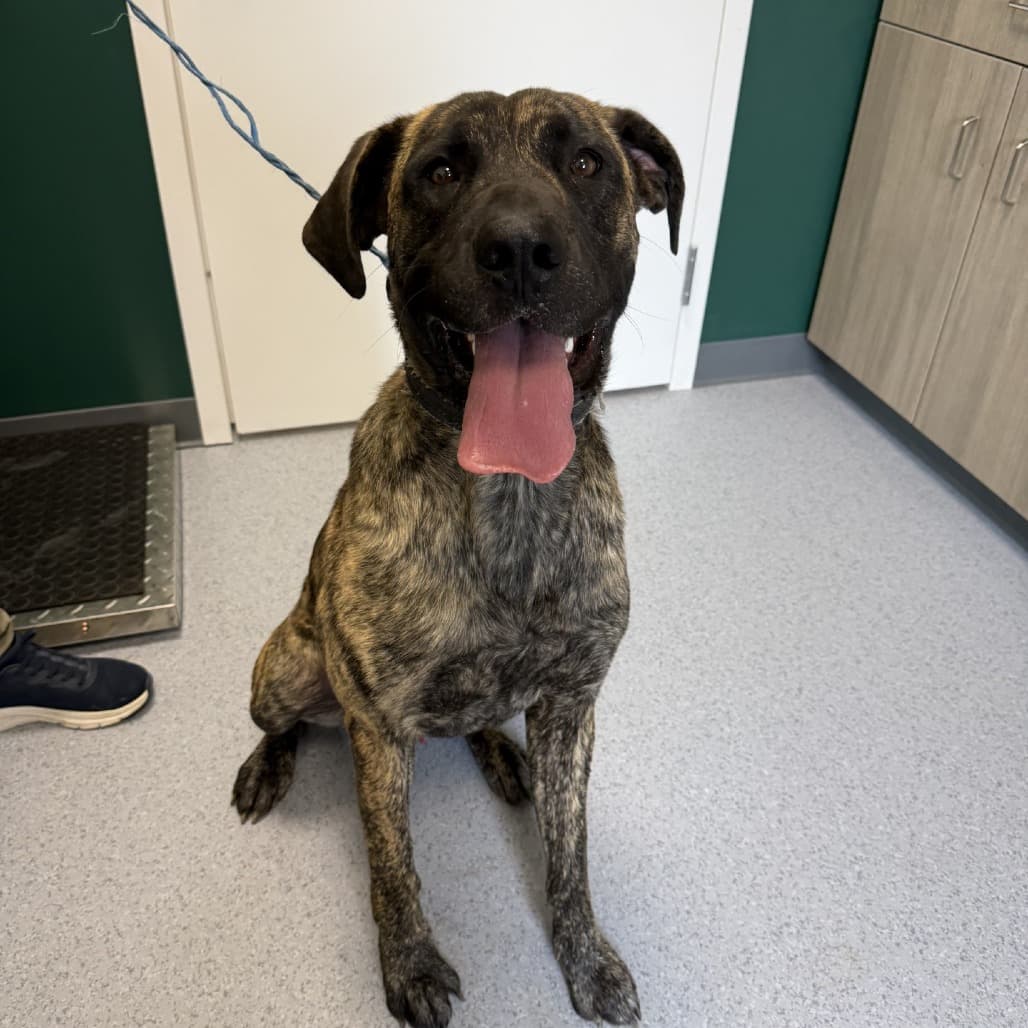
Showing 6 dogs
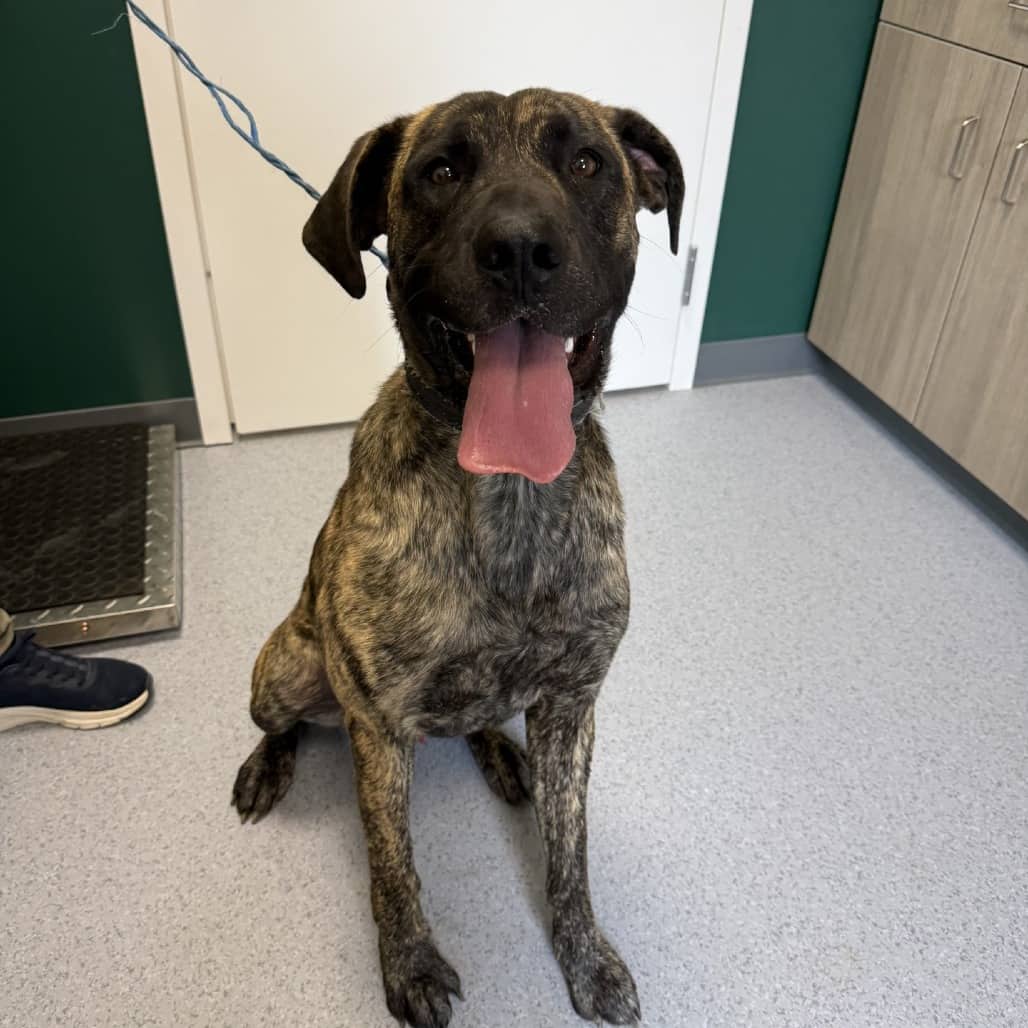

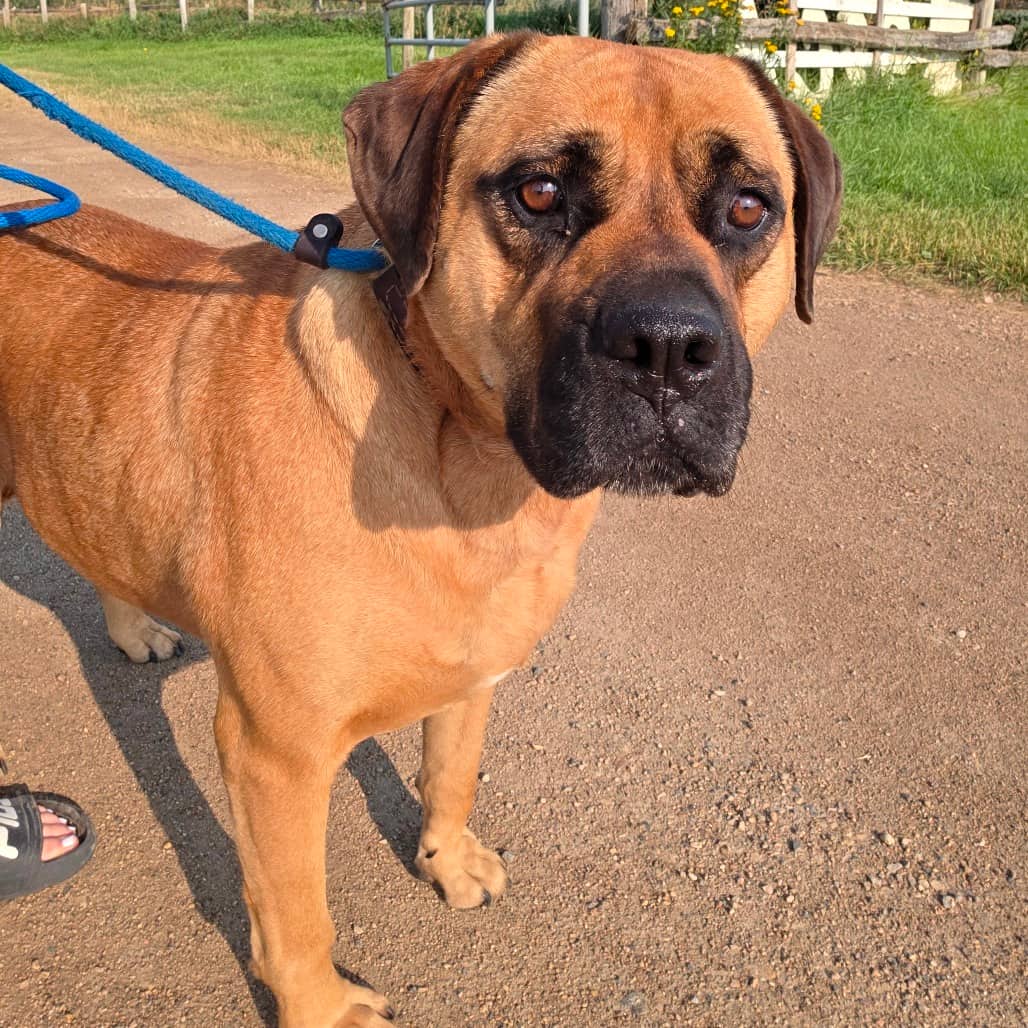
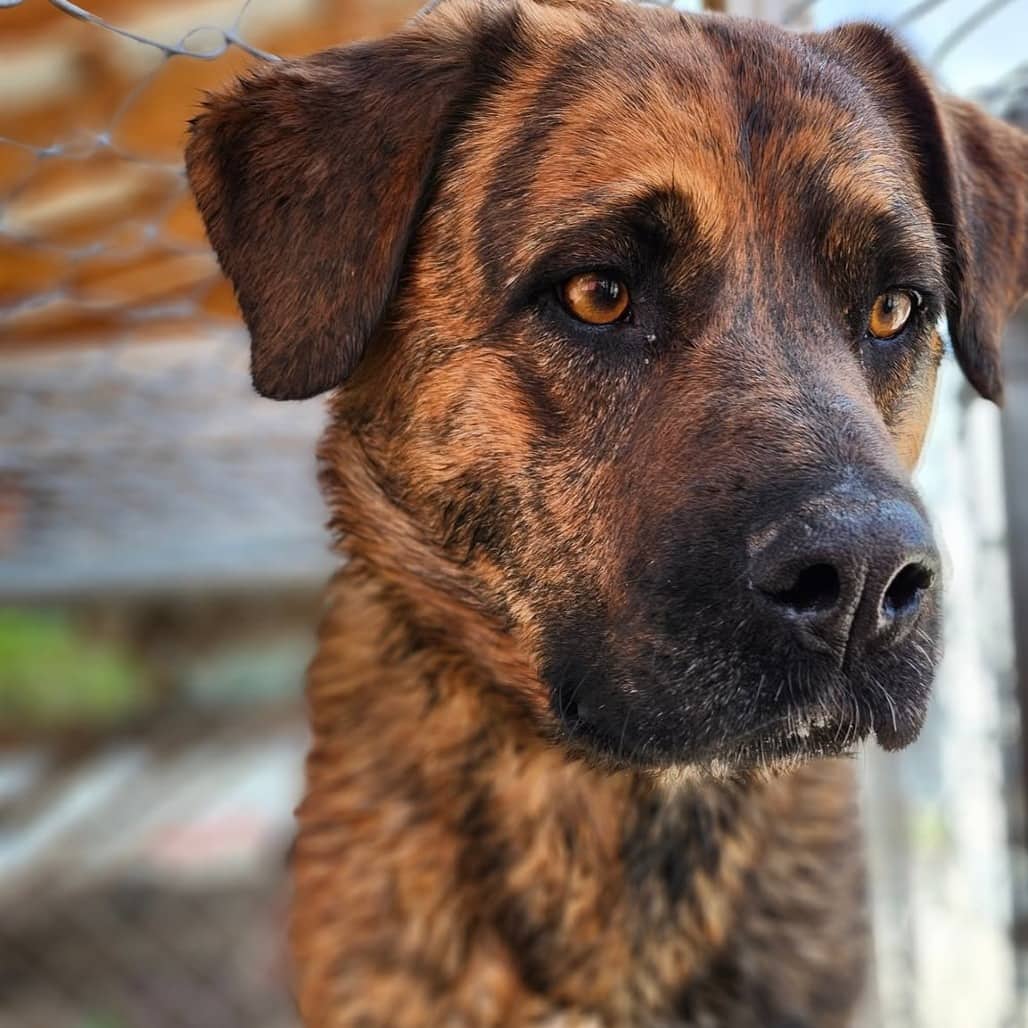
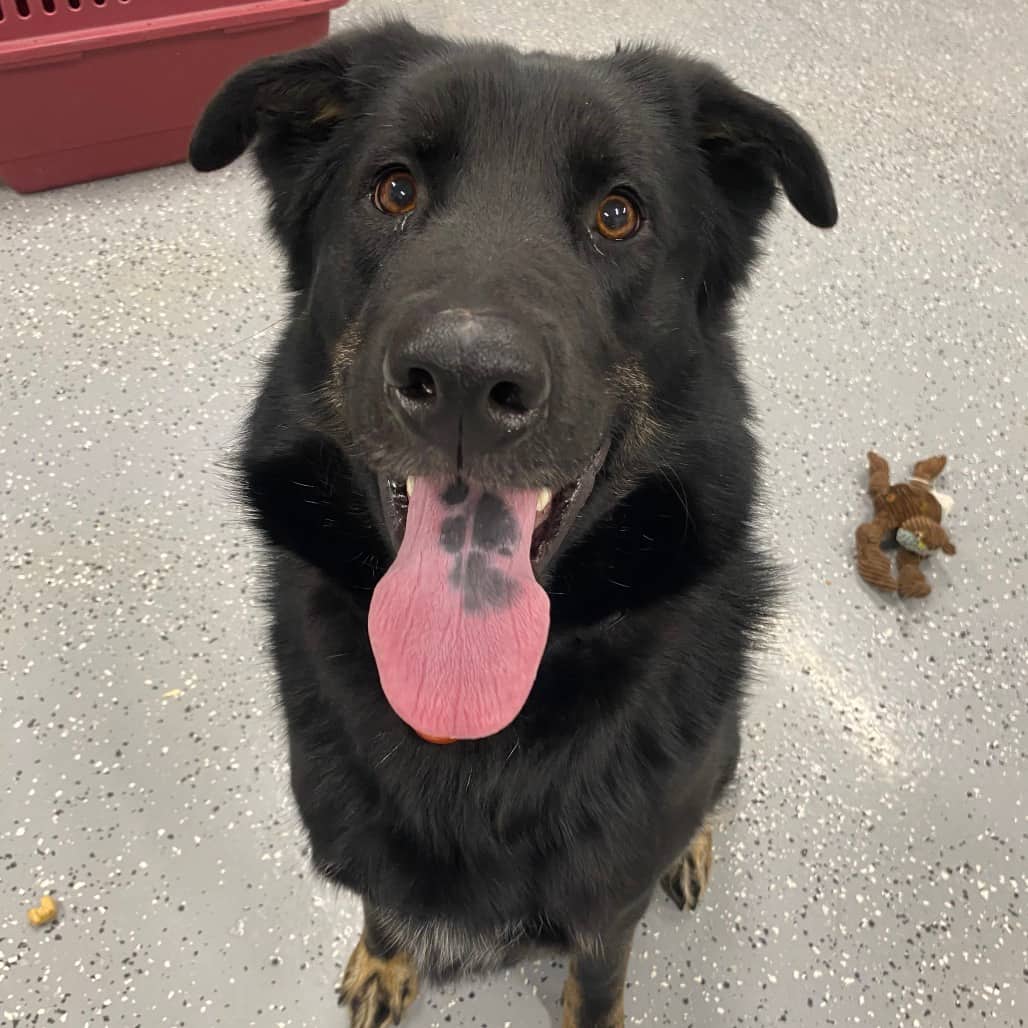
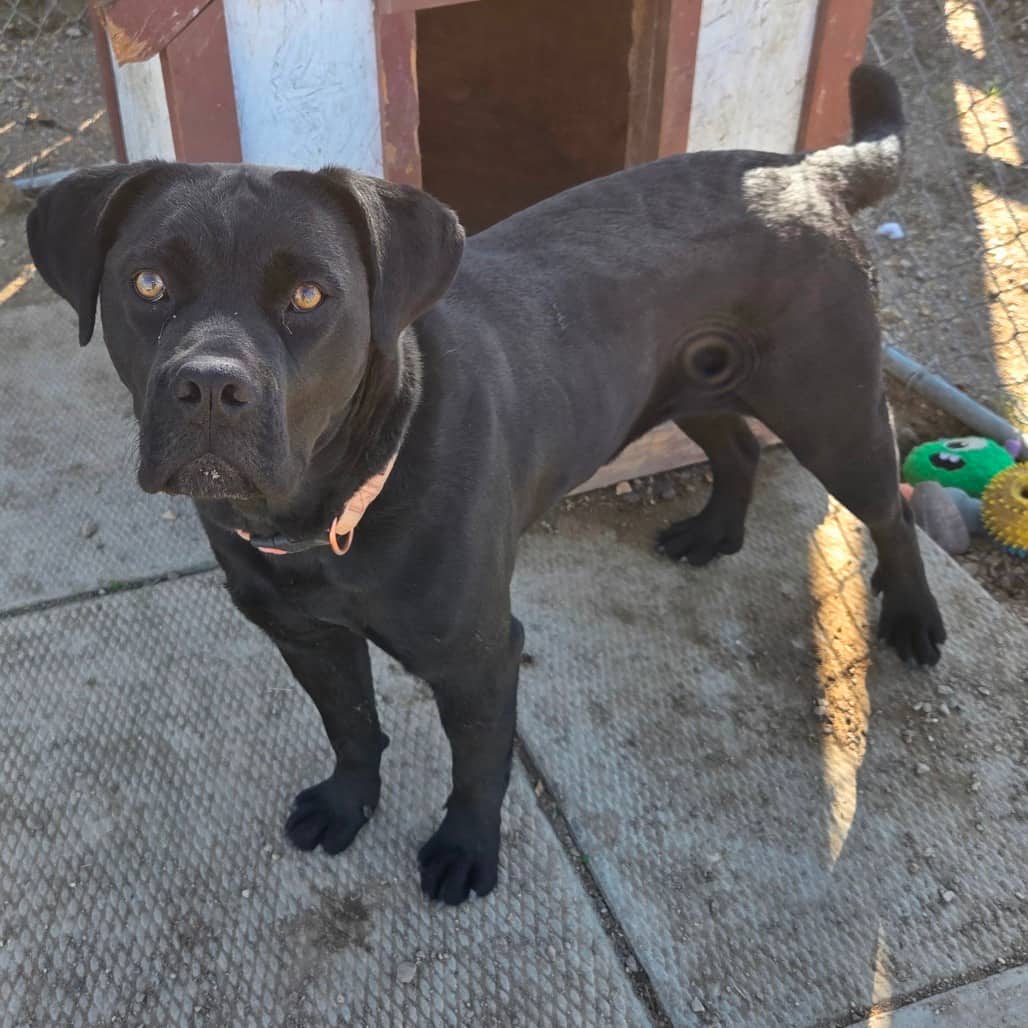
Get notified when a Mastiff is listed
We will email you the moment a Mastiff becomes available in Saskatchewan, from a rescue or an owner rehoming.
Adopting a Mastiff in Saskatchewan
Mastiffs and Mastiff crosses are surprisingly common in Saskatchewan rescue, particularly at the Moose Jaw Humane Society. The breed's 130-to-180-pound adult size makes it a poor fit for impulse buyers, and surrenders happen most often around age 1 to 2 when the puppy that fit on the couch becomes a 150-pound adult that owns the couch.
This page pulls every adoptable Mastiff or Mastiff cross from the SK shelters we cover into one searchable place, refreshed regularly. Mastiffs need a different home than most dogs — calm, patient, large-space, and prepared for short-lifespan grief — and the right adopters love them deeply.
The size and lifespan reality
English Mastiffs reach 130 to 180 pounds. Bullmastiffs (a slightly smaller English Mastiff cross) reach 100 to 130. Adult food costs run roughly $150 to $250 a month. Vet bills scale with size — a single visit can be $400+ before any procedure. A standard small-dog-sized kennel does not exist for a Mastiff; you need an XXL crate from a specialty supplier, and most Mastiffs prefer floor space anyway.
The harder reality is lifespan. Mastiffs average 6 to 10 years. A 10-year Mastiff is an elderly dog. Adopting a Mastiff at age 4 means committing to maybe 4 to 6 years together. The grief at the end is real, and adopters need to go in knowing that. The trade-off is that those years are spent with one of the calmest, most devoted dogs you can own.
Cold tolerance and SK winter
Mastiffs handle Saskatchewan winters well — the breed evolved as estate-guard dogs in damp cold European climates. A coat is unnecessary above minus 20°C. Below that, an insulated coat plus booties helps mostly on metal-railing risk and salted-sidewalk chemical risk, not for cold tolerance itself.
Summer heat is the bigger concern. Mastiffs overheat fast above 25°C and brachycephalic features (somewhat flat-faced) make breathing harder in hot weather. Walk early morning or after dark in July and August. Never leave a Mastiff in a parked car — the cabin gets to dangerous temperature in minutes even with windows cracked.
Health concerns worth asking the foster about
Mastiffs are predisposed to hip and elbow dysplasia (almost universal in the breed), bloat (gastric dilation-volvulus, an emergency requiring immediate vet care — feed two smaller meals rather than one large one), heart conditions (cardiomyopathy, sub-aortic stenosis), bone cancer, and entropion (eyelid rolling inward). Hip and elbow X-rays before adoption are worth asking the rescue about. The breed's shorter lifespan is driven by these conditions plus the cancer rates that affect most giant breeds.
What Mastiffs are actually like to live with
Mastiffs are not what most people expect from a giant guard breed:
- Genuinely calm and low-energy. An adult Mastiff sleeps 14+ hours a day and is content with two short walks and a yard for ambling.
- Excellent with kids when raised around them — Mastiffs are famously patient. Adult Mastiffs need teaching not to lean into kids (a 150-lb dog leaning on a 4-year-old is an accident waiting to happen).
- Naturally protective without training. The breed will position itself between strangers and family. Not aggressive — just present.
- Slobbers. Significantly. Plan for towels by every door and routine drool on your clothes.
- Snores loud enough to hear from the next room. Plan for it.
What the fee usually covers
Mastiff adoption fees at SK rescues sit in the standard range for large rescue dogs. The fee covers spay or neuter, core vaccinations, microchip, deworming, and a vet check before placement. Confirm the exact fee on the dog's own listing.
Looking more broadly? Browse every adoptable dog across the province on Dog Adoption Saskatchewan.
The rescues that most often list Mastiffs across the province are Moose Jaw Humane Society, Regina Humane Society, and Saskatoon Dog Rescue. For breed-specific background, the Canadian Kennel Club is a useful reference.
Mastiff Adoption FAQ — Saskatchewan
Tap a question to expand
How many Mastiffs are available for adoption in Saskatchewan?▼
Where can I find Mastiff adoption near me in Saskatchewan?▼
How long do Mastiffs live?▼
How much does it cost to own a Mastiff in SK?▼
What does a Mastiff adoption fee include in SK?▼
Can I get a Mastiff free to a good home in Saskatchewan?▼
Are these Mastiffs for sale in Saskatchewan?▼
Where can I buy a Mastiff in Saskatchewan, and should I?▼
Are there free Mastiffs in Saskatchewan, or mastiffs under $500?▼
Are there Mastiff puppies in Saskatchewan, or only adults?▼
Where can I find a Mastiff near me in Saskatchewan?▼
Popular dog breeds in Saskatchewan
Mastiff adoption by city in Saskatchewan
Each city page lists only the mastiffs available from rescues serving that city, with local adoption details.
Need to rehome a Mastiff?
If you can no longer keep your Mastiff, you can list them for free on LocalPetFinder. Your dog stays in your home until you find the right family, you screen who applies, and there is no surrender fee. Not sure yet? Our guide to surrendering a dog in Canada walks through every option first.
List your dog for free →