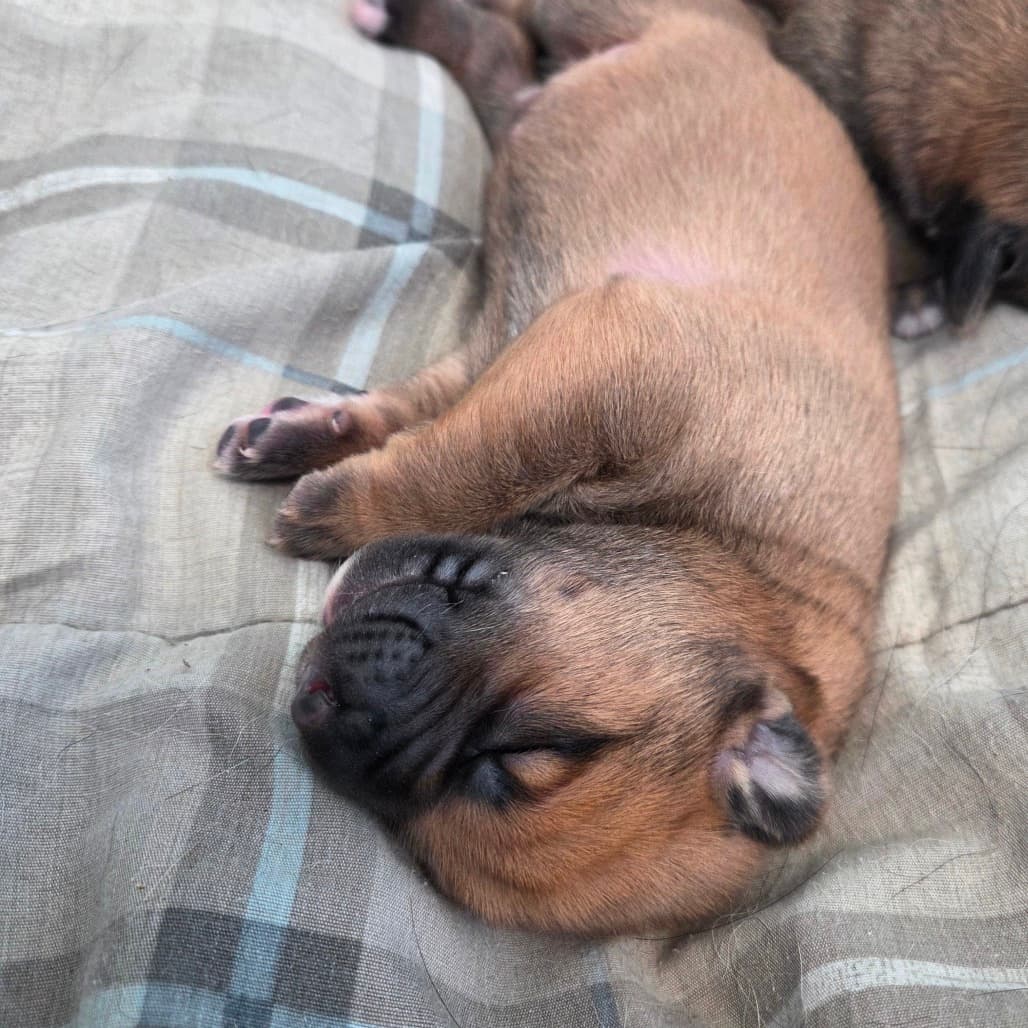
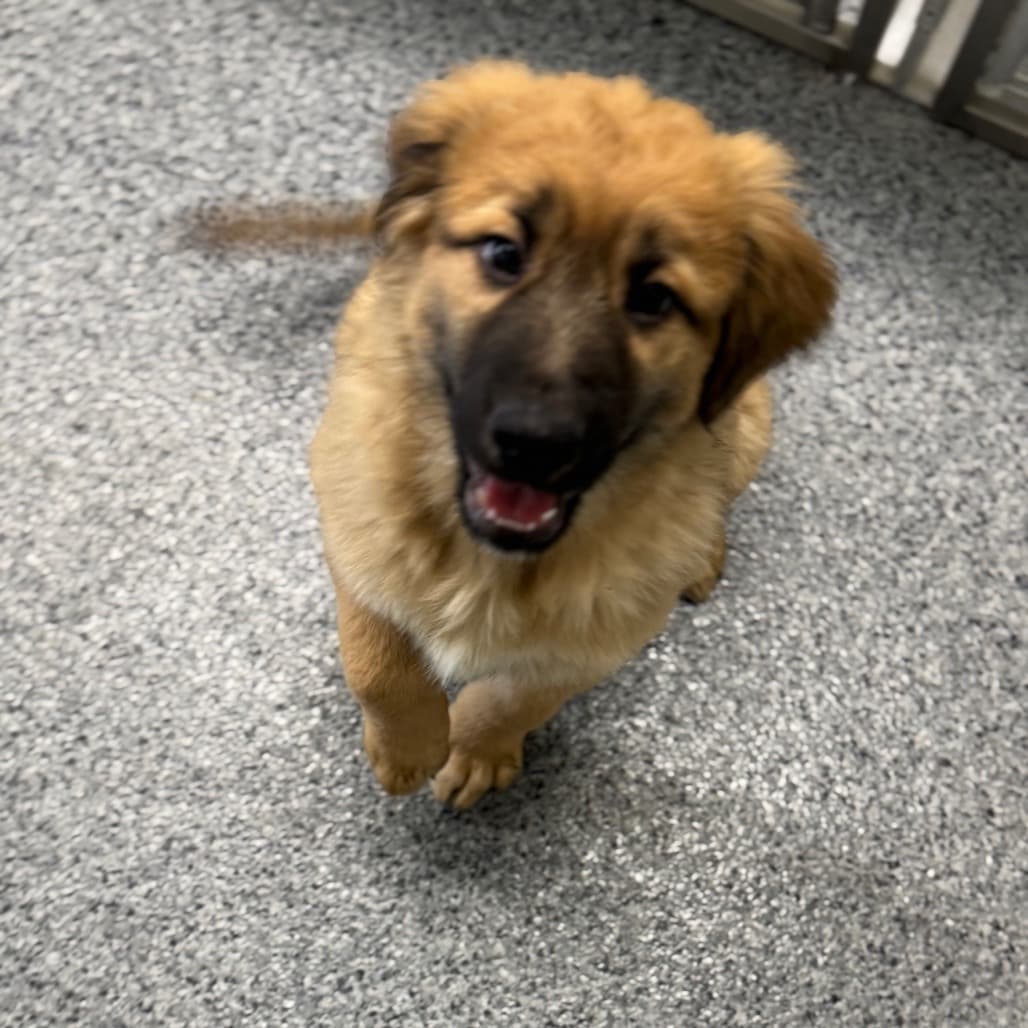
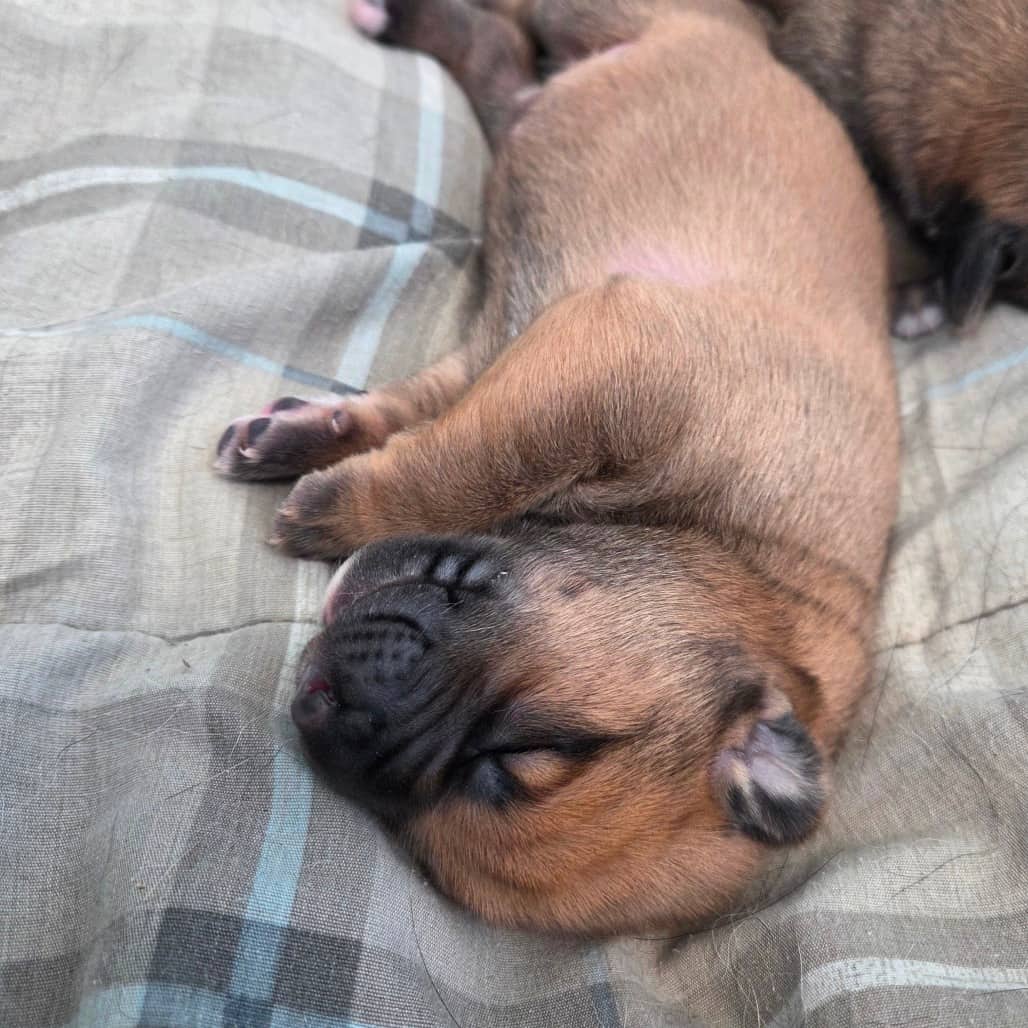
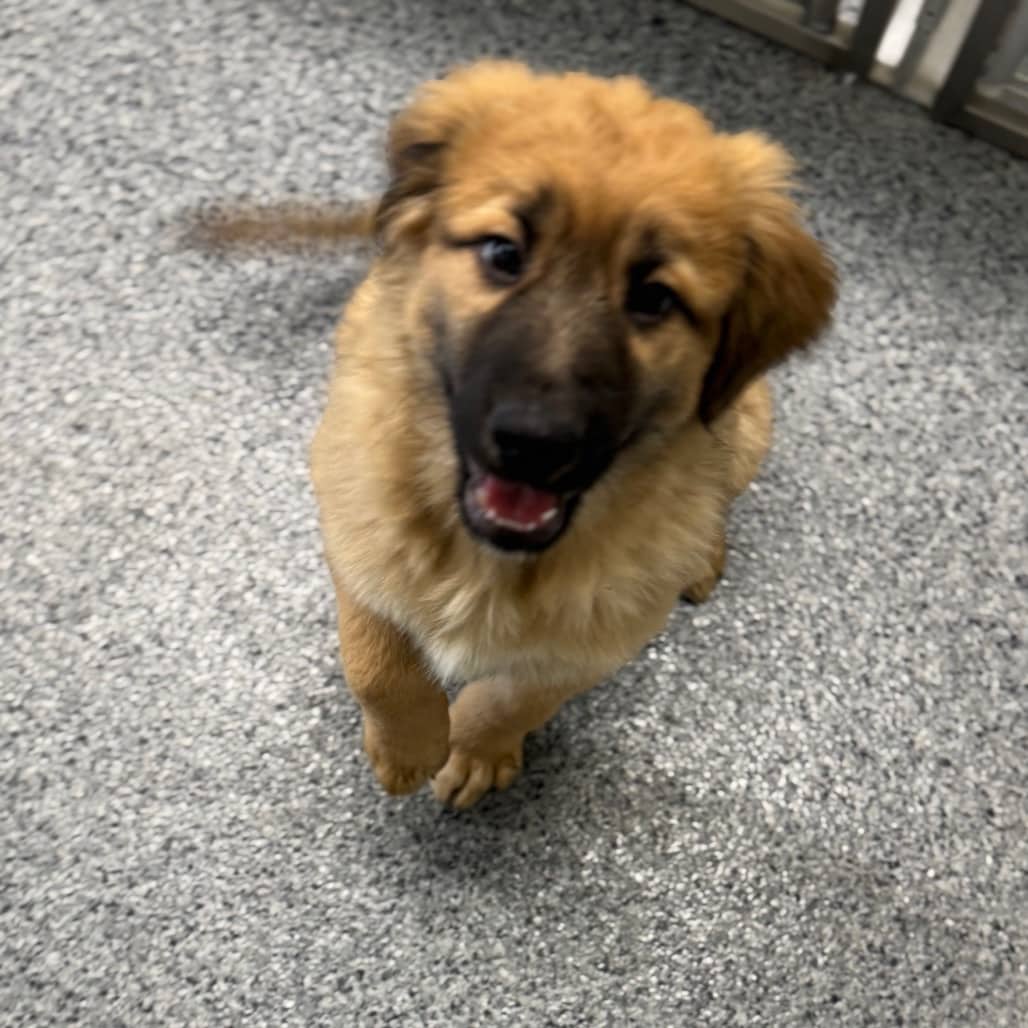
2 Newfoundland puppies available in Saskatchewan
Under a year old, listed by rescues and shelters. Updated as shelters publish.
Get notified when a Newfoundland is listed
We will email you the moment a Newfoundland becomes available in Saskatchewan, from a rescue or an owner rehoming.
Adopting a Newfoundland in Saskatchewan
The Newfoundland is a giant, gentle water-rescue dog, the kind of calm, sweet-natured giant that lives up to its reputation as a canine nanny. Bred on the Atlantic coast to haul nets and pull drowning people from cold water, the Newfie is strong, devoted and famously patient. It is also enormous, so adopting one is a genuine giant-breed commitment, not just a bigger version of getting a Lab.
Newfoundlands are uncommon in Saskatchewan rescue, partly because the breed is less common here and partly because owners who take one on tend to be committed, so search the whole province rather than one city. Watch listings across Saskatoon, Regina, Prince Albert and Moose Jaw and set a saved alert. A two-hour prairie drive for the right dog is normal here, and for a rare giant breed you may need to be ready to travel further still.
Why Newfoundlands turn up in SK rescue
When a Newfie reaches rescue here, it is usually because the realities of a giant dog caught up with the family: the size, the cost of feeding and vetting a 60-kilo-plus dog, the drool, the coat care, or a life change like a move to a smaller home. Sometimes an owner can no longer physically manage a dog this large. The dog is rarely the issue. It is the scale of the commitment that overwhelms people.
The broader SK rescue picture is shaped by the northern transfer pipeline, where limited spay and neuter access across northern Saskatchewan and many reserve communities sends a steady flow of dogs south, and the Prince Albert SPCA handles a lot of that northern intake before transferring to Saskatoon and Regina. Those dogs are mostly medium and large mixes rather than rare giants, so a purebred Newfoundland is a genuine rarity in the system. A saved search and some patience are essential.
Saskatchewan climate, a dog built for the cold
For winter, a Newfoundland is just about the perfect Saskatchewan dog. It carries a heavy, oily, water-resistant double coat made for the cold North Atlantic, so the dry prairie cold barely registers. A minus 30 January night that keeps thin-coated breeds indoors is comfortable for a Newfie, and many of them love the snow. This is a breed that thrives in a real SK winter.
Summer is the dangerous season and the one to plan around. All that insulating coat plus a large dark body means a Newfoundland overheats easily, and Saskatchewan summers run hot, often into the low-to-mid 30s and drier than Manitoba. Walk early morning or after dark, provide shade and constant water, keep a fan or air conditioning going on the worst days, and never leave a Newfie in a parked vehicle. Heat stress is a real risk for this breed in a prairie summer, so err heavily on the side of caution.
Acreage life, space and the cost of scale
A Newfoundland is well suited to a Saskatchewan acreage or quarter-section: it loves space, cold and water, and a property with a dugout or access to a lake is a Newfie's idea of heaven. Containment is less of a worry than with high-prey-drive breeds, since Newfies are not bolters, but a giant dog still needs secure fencing and supervision, and open prairie with coyotes is no place for any unattended dog.
The real planning is around scale. A Newfoundland needs a large vehicle to transport, a home with room to stretch out, and a budget that accounts for giant-breed food, vet care and medication doses (everything costs more by weight). Joint-friendly flooring and a ramp help an aging Newfie. Go in with eyes open about the space, the vehicle and the money before you fall for the face.
Health to ask the foster about
Giant breeds carry serious health considerations and the Newfoundland is no exception, so ask the rescue plenty. Hip and elbow dysplasia are common, as are heart conditions, specifically subaortic stenosis (SAS), a heritable heart defect the breed is known for. Ask about bloat (gastric torsion), a life-threatening emergency that deep-chested giants are prone to, and how the dog has been fed to reduce that risk. Cystinuria (a bladder stone condition) also appears in the breed.
Be realistic about lifespan, too. Like most giants, Newfoundlands are not long-lived, and many reach only eight to ten years, so part of this adoption is committing to love a dog whose time with you may be shorter than a small breed's. A reputable SK rescue will have done a vet check and will be upfront about any known heart, joint or other condition.
What a Newfoundland is actually like to live with
Expect a calm, affectionate, deeply devoted giant. A well-socialised Newfie is gentle with children and other animals and content to be near its people, but the size and the slobber are constant facts of life.
- Gentle and patient. Famously good with kids and other pets, the classic sweet-natured giant.
- Calm indoors. Not a high-energy breed, but it does need daily moderate exercise and especially loves to swim.
- Drools. A lot. Plan for slobber on walls, clothes and the ceiling after a shake. Carry a drool towel.
- Heavy coat care. The thick double coat needs regular brushing, sheds seasonally in large amounts, and must be dried properly after swims and winter outings.
- A giant commitment. Big food bills, big vet bills, a big vehicle, and the heartbreak of a shorter giant-breed lifespan.
- Sensitive and people-focused. Trains well with gentle, positive methods and does not do well left alone or kept outside.
What the adoption fee covers and how to search
A Saskatchewan rescue adoption fee typically covers spay or neuter, core vaccinations, microchip, deworming and a vet check, which is meaningful value, especially for a giant breed where those services cost more by weight. The exact amount varies by rescue and by the dog, so confirm the fee on the actual listing before you apply.
To find a Newfoundland here, search the whole province rather than one shelter, since they are rare. Filter by large or giant size, search both Newfoundland and Newfoundland cross, and set a saved alert so a new arrival reaches you the day it is posted. Read the foster notes for health, age and any heart or joint concerns. When you apply, the rescue handles the application and decision directly, and they will want to know you have the space, the vehicle and the budget for a giant dog.
Looking more broadly? Browse every adoptable dog across the province on Dog Adoption Saskatchewan.
The rescues that most often list Newfoundlands across the province are Saskatoon SPCA, Saskatoon Dog Rescue, and Regina Humane Society. For breed-specific background, the Canadian Kennel Club is a useful reference.
Newfoundland Adoption FAQ — Saskatchewan
Tap a question to expand
How many Newfoundlands are available for adoption in Saskatchewan?▼
Where can I find Newfoundland adoption near me in Saskatchewan?▼
Can a Newfoundland handle a Saskatchewan winter?▼
Do Newfoundlands struggle in Saskatchewan summers?▼
How much space and money does a Newfoundland need?▼
What health issues are common in Newfoundlands?▼
Is LocalPetFinder a shelter or does it charge fees?▼
How much does it cost to adopt a Newfoundland in Saskatchewan?▼
Can I get a Newfoundland free to a good home in Saskatchewan?▼
Are these Newfoundlands for sale in Saskatchewan?▼
Where can I buy a Newfoundland in Saskatchewan, and should I?▼
Are there free Newfoundlands in Saskatchewan, or newfoundlands under $500?▼
Are there Newfoundland puppies in Saskatchewan, or only adults?▼
Where can I find a Newfoundland near me in Saskatchewan?▼
Popular dog breeds in Saskatchewan
Newfoundland adoption by city in Saskatchewan
Each city page lists only the newfoundlands available from rescues serving that city, with local adoption details.
Need to rehome a Newfoundland?
If you can no longer keep your Newfoundland, you can list them for free on LocalPetFinder. Your dog stays in your home until you find the right family, you screen who applies, and there is no surrender fee. Not sure yet? Our guide to surrendering a dog in Canada walks through every option first.
List your dog for free →