1 Rottweiler puppy available in Saskatchewan
Under a year old, listed by rescues and shelters. Updated as shelters publish.
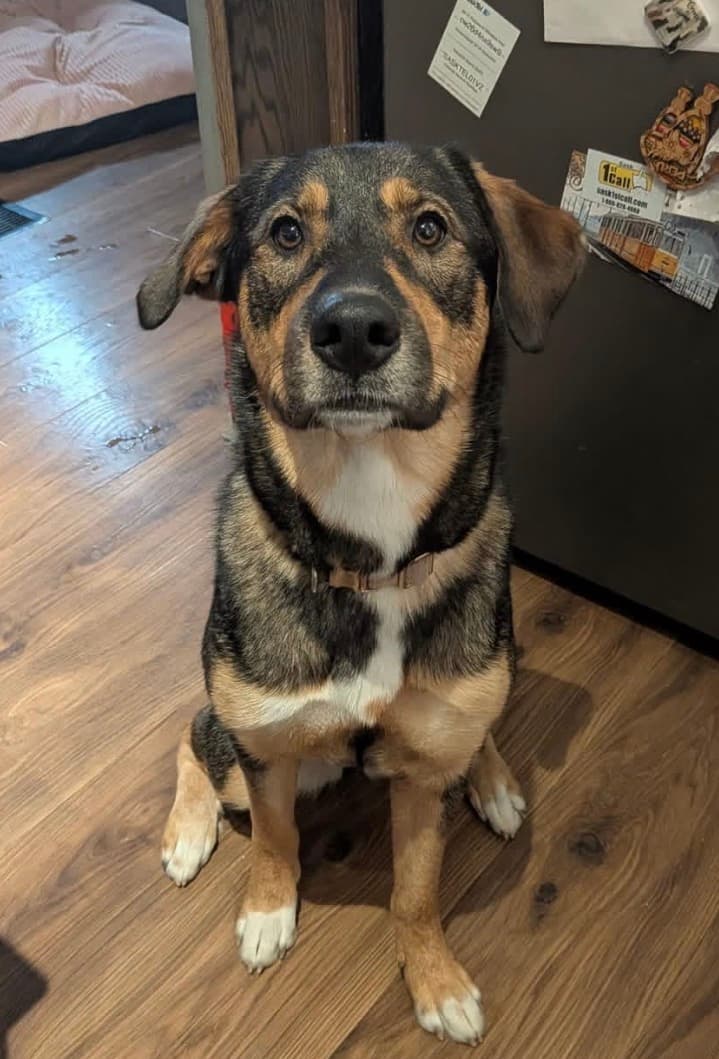
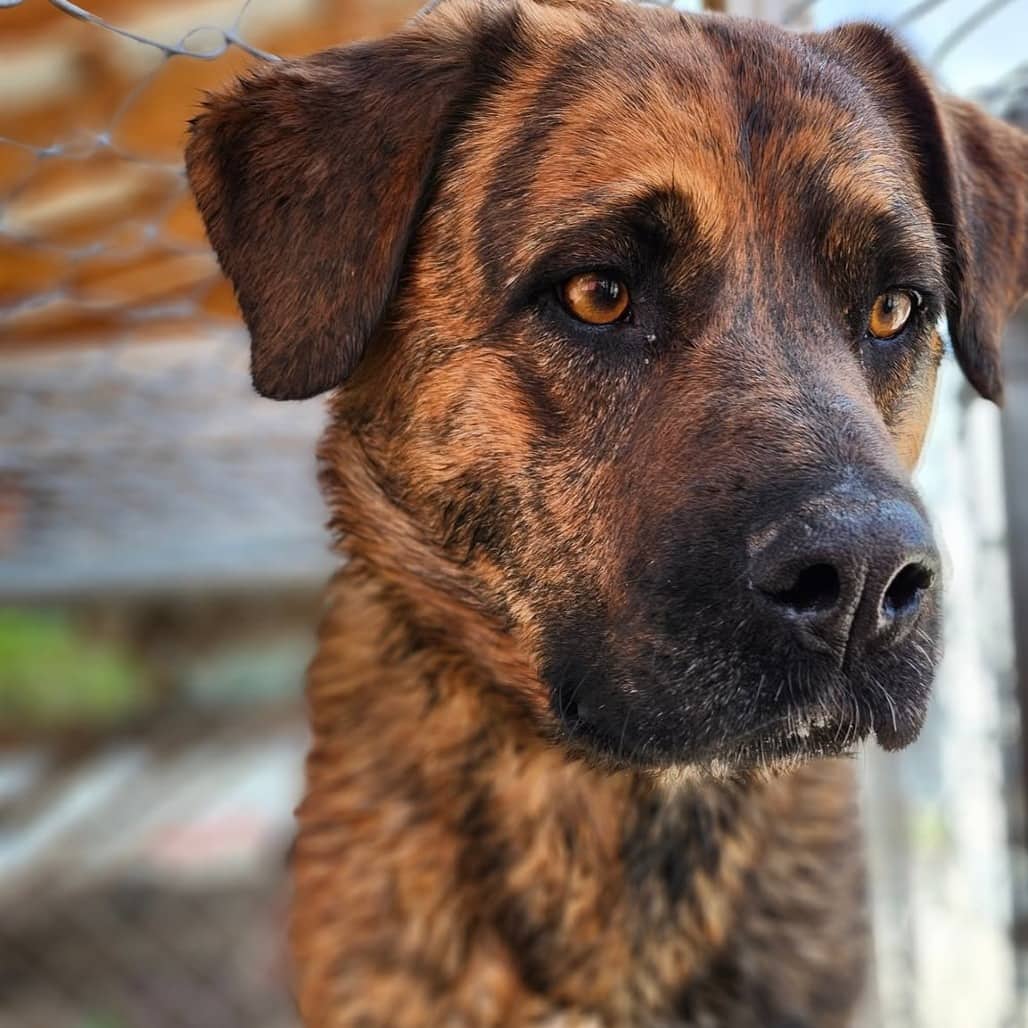
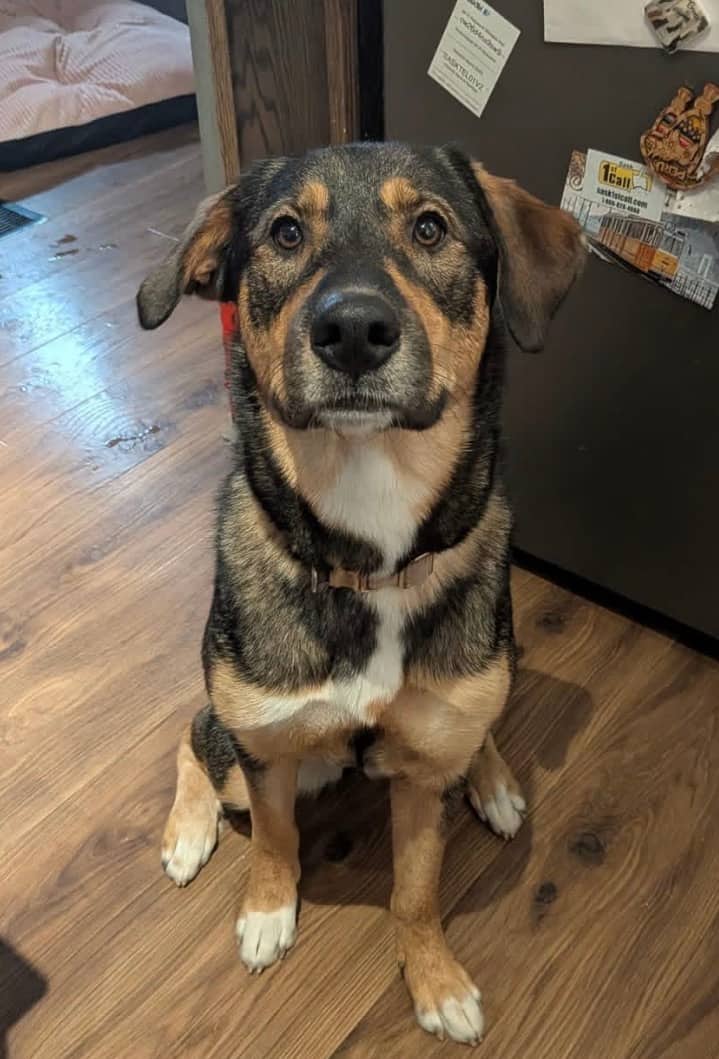
Get notified when a Rottweiler is listed
We will email you the moment a Rottweiler becomes available in Saskatchewan, from a rescue or an owner rehoming.
Adopting a Rottweiler in Saskatchewan
Rottweilers and Rottweiler crosses turn up regularly in Saskatchewan rescue, particularly at the Moose Jaw Humane Society. The breed's 80-to-130-pound adult size and strong personality make it a poor fit for impulse buyers, and surrenders happen most often around age 18 months to 3 years when adolescent drive overwhelms a household that pictured a calm guardian.
This page pulls every adoptable Rottweiler or Rott cross from the SK shelters we cover into one searchable place, refreshed regularly. Rottweilers are not beginner dogs — match the right one to an experienced, structured home and the breed is exceptional, mismatch and you have a powerful adolescent with no idea what to do with that drive.
Working line versus pet line in SK rescue
Most SK rescue Rottweilers are pet-line or mixed-line dogs, not working-line dogs from German Schutzhund or protection sport breeders. The difference is significant. A pet-line Rottweiler is moderate energy, eager to learn, and trainable with consistent positive methods. A working-line Rottweiler needs a real job — protection sport, structured agility, or working trials — and tends to develop reactive behaviour in homes that do not provide structured outlets.
Foster homes that have lived with the dog for weeks can tell you which one you're looking at. Ask: how does this dog handle an hour alone? Does it settle in the evening or pace? How does it react to a stranger at the door? The honest answers separate a stable family Rottweiler from a working dog that needs experienced handling.
SK insurance, landlord, and bylaw considerations
Saskatchewan has no province-wide breed-specific legislation, but Rottweilers are commonly excluded by home insurance liability coverage and most rental landlords. Confirm with your insurance company in writing before adoption — HUB International, Square One, and a few other Canadian insurers write Rottie-friendly policies; many mainline carriers exclude them. Bring proof of insurance and landlord approval to the application — most rescues will ask.
Cold tolerance and SK winter
Rottweilers handle Saskatchewan winters well — the breed's short double coat is adequate down to about minus 20°C without a coat. Below that, an insulated coat helps for longer walks, and booties are useful for salted-sidewalk chemical protection. The breed's build and metabolism make it more cold-tolerant than Dobermans or Mastiffs.
Summer above 30°C is the bigger concern. Rotts overheat fast in heat plus humidity. Walk early morning or after dark in July and August.
Health concerns worth asking the foster about
Rottweilers are predisposed to hip and elbow dysplasia (almost universal in the breed; X-rays before adoption are useful), bone cancer (osteosarcoma — leading cause of death in the breed), cardiac conditions (sub-aortic stenosis, dilated cardiomyopathy), bloat (gastric dilation-volvulus, an emergency requiring immediate vet care — feed two smaller meals rather than one large one), and Parvovirus (Rotties have an unusual susceptibility — vaccination history matters). Lifespan averages 8 to 10 years.
What Rottweilers are actually like to live with
The traits that make Rottweilers rewarding when matched well:
- Deeply bonded and protective — Rotts position themselves between family and unfamiliar situations without training.
- Surprisingly affectionate. Most owners describe them as "leaning dogs" — the dog presses its weight against your leg as a greeting.
- Trainable to a high standard with positive methods. Harsh handling backfires.
- Moderate exercise needs (60 to 75 minutes daily of real activity). Not as high-drive as Shepherds; more energy than Mastiffs.
- Naturally suspicious of strangers — should be polite but not friendly. A Rottweiler that is universally friendly with everyone may have temperament issues that the foster should disclose.
What the fee usually covers
Rottweiler adoption fees at SK rescues sit in the standard range for large rescue dogs. The fee covers spay or neuter, core vaccinations, microchip, deworming, and a vet check before placement. Confirm the exact fee on the dog's own listing.
Looking more broadly? Browse every adoptable dog across the province on Dog Adoption Saskatchewan.
The rescues that most often list Rottweilers across the province are Moose Jaw Humane Society, Regina Humane Society, and Saskatoon Dog Rescue. For breed-specific background, the Canadian Kennel Club is a useful reference.
Rottweiler Adoption FAQ — Saskatchewan
Tap a question to expand
How many Rottweilers are available for adoption in Saskatchewan?▼
Where can I find Rottweiler adoption near me in Saskatchewan?▼
Are Rottweilers banned in Saskatchewan?▼
Are SK rescue Rottweilers working line or pet line?▼
What does a Rottweiler adoption fee include in SK?▼
Can I get a Rottweiler free to a good home in Saskatchewan?▼
Are these Rottweilers for sale in Saskatchewan?▼
Where can I buy a Rottweiler in Saskatchewan, and should I?▼
Are there free Rottweilers in Saskatchewan, or rottweilers under $500?▼
Are there Rottweiler puppies in Saskatchewan, or only adults?▼
Where can I find a Rottweiler near me in Saskatchewan?▼
Popular dog breeds in Saskatchewan
Rottweiler adoption by city in Saskatchewan
Each city page lists only the rottweilers available from rescues serving that city, with local adoption details.
Need to rehome a Rottweiler?
If you can no longer keep your Rottweiler, you can list them for free on LocalPetFinder. Your dog stays in your home until you find the right family, you screen who applies, and there is no surrender fee. Not sure yet? Our guide to surrendering a dog in Canada walks through every option first.
List your dog for free →