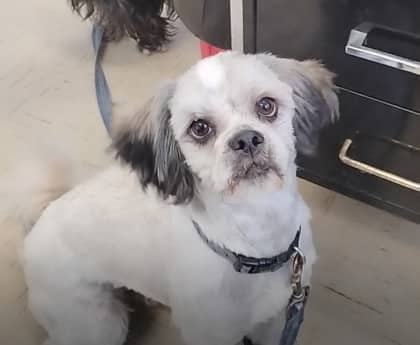
Hypoallergenic Dogs by city in Saskatchewan
This page pools hypoallergenic dogs from across Saskatchewan. If you are searching in one city, the city page is narrower and usually the better starting point.
Can you adopt a hypoallergenic dog from a rescue?
Yes. Dog allergies affect a meaningful share of Canadians, but that does not rule out adopting a rescue dog. Low-shedding, low-dander breeds turn up in rescue regularly, and adopting an adult means you already know the dog’s grown-in coat instead of guessing from a puppy.
No dog is truly 100% hypoallergenic. Every dog produces some dander, saliva, and urine proteins that can trigger a reaction. What the breeds below have in common is that they shed very little and release less dander, which keeps reactions milder for most allergy sufferers. Every dog listed here is a breed known for a low-shedding coat. Listings update regularly.
Low-shedding breeds to look for
These are the breeds and mixes most commonly recommended for allergy-sensitive homes. Poodles and Poodle crosses are the gold standard, but several terriers and toy breeds shed just as little:
- Poodle, plus Goldendoodle, Labradoodle, Bernedoodle and Cockapoo crosses — curly, low-shedding coats, the most reliable choice for serious allergies
- Yorkshire Terrier and Maltese — hair rather than fur, sheds minimally, small enough for apartments
- Miniature Schnauzer — wiry low-shedding coat, smart and trainable
- Bichon Frise and Coton de Tulear — fluffy cotton coats that barely shed
- Shih Tzu and Havanese — long silky coats with very low shedding, calm companion dogs
- Soft-Coated Wheaten Terrier and Portuguese Water Dog — single low-shedding coats, more active working breeds
What "hypoallergenic" really means
The trigger for most people is not hair itself but a protein in dander and saliva. Low-shedding breeds spread less of that protein around your home, which is why they are easier to live with. Your own reaction still depends on your specific sensitivity and the individual dog.
If your allergies are moderate to severe, spend real time with the specific dog before you commit. Most rescues will arrange a meet-and-greet so you can gauge your reaction in person. If you react mildly, many owners manage it well with regular grooming, a clean home, allergy medication, or immunotherapy — but talk to your doctor before relying on a particular dog.
Looking more broadly? Browse every adoptable dog across the province on Dog Adoption Saskatchewan.
Hypoallergenic Dogs by city in Saskatchewan
Most adopters want a dog within driving distance, and rescues here are foster-based, so a dog listed under one city may be living in the next town over. Start with your city, then widen out.
Hypoallergenic Dogs FAQ — Saskatchewan
Tap a question to expand