Large Dogs by city in Saskatchewan
This page pools large dogs from across Saskatchewan. If you are searching in one city, the city page is narrower and usually the better starting point.
Why adopt a large dog?
Large dogs are some of the most rewarding and most overlooked dogs in rescue. They tend to be loyal, trainable, and steady, which makes them excellent companions for active people and families with the space to match. Rescue is full of big dogs because they are the hardest to place, so adopting one genuinely opens a spot for the next dog in need.
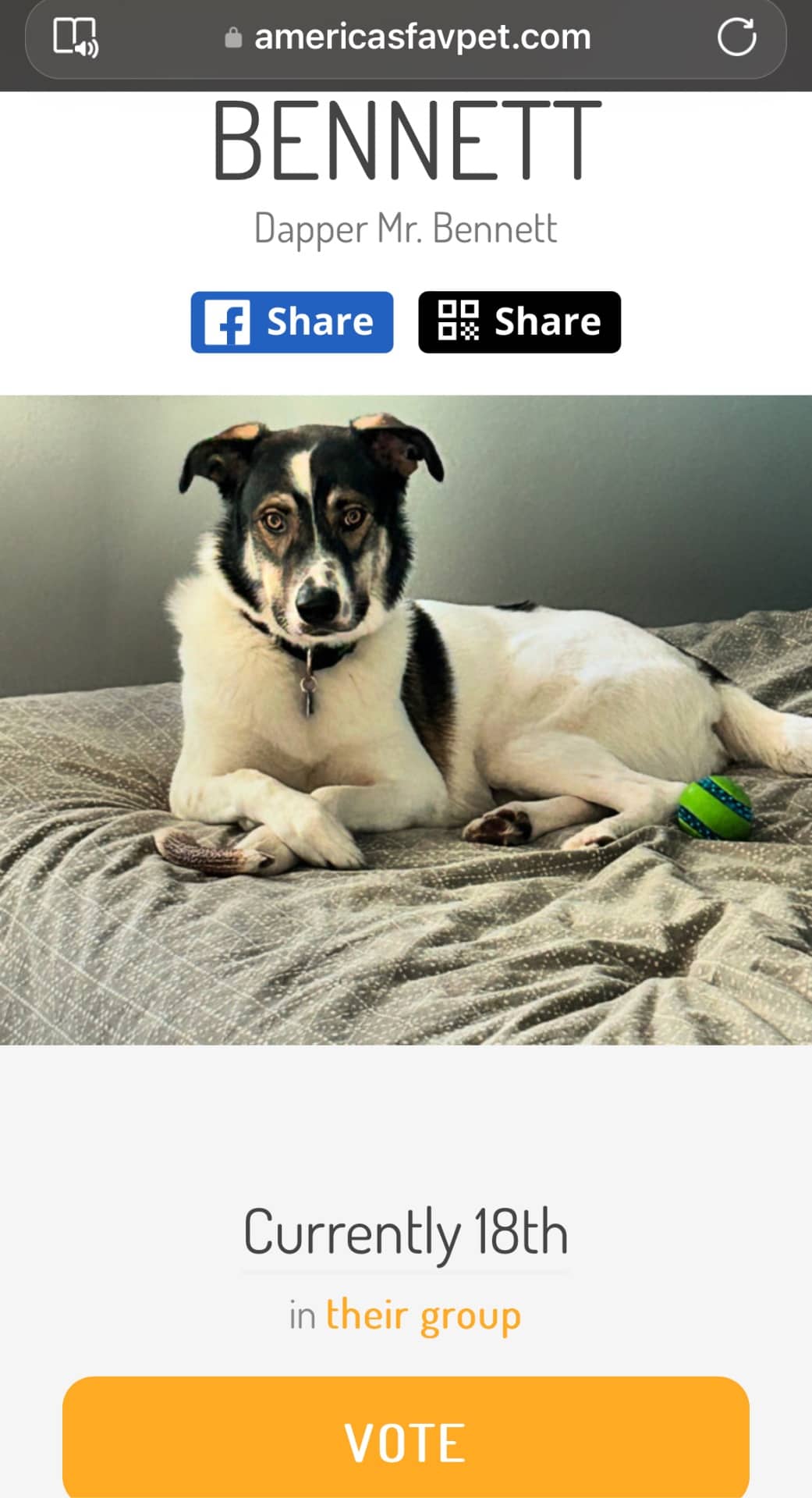
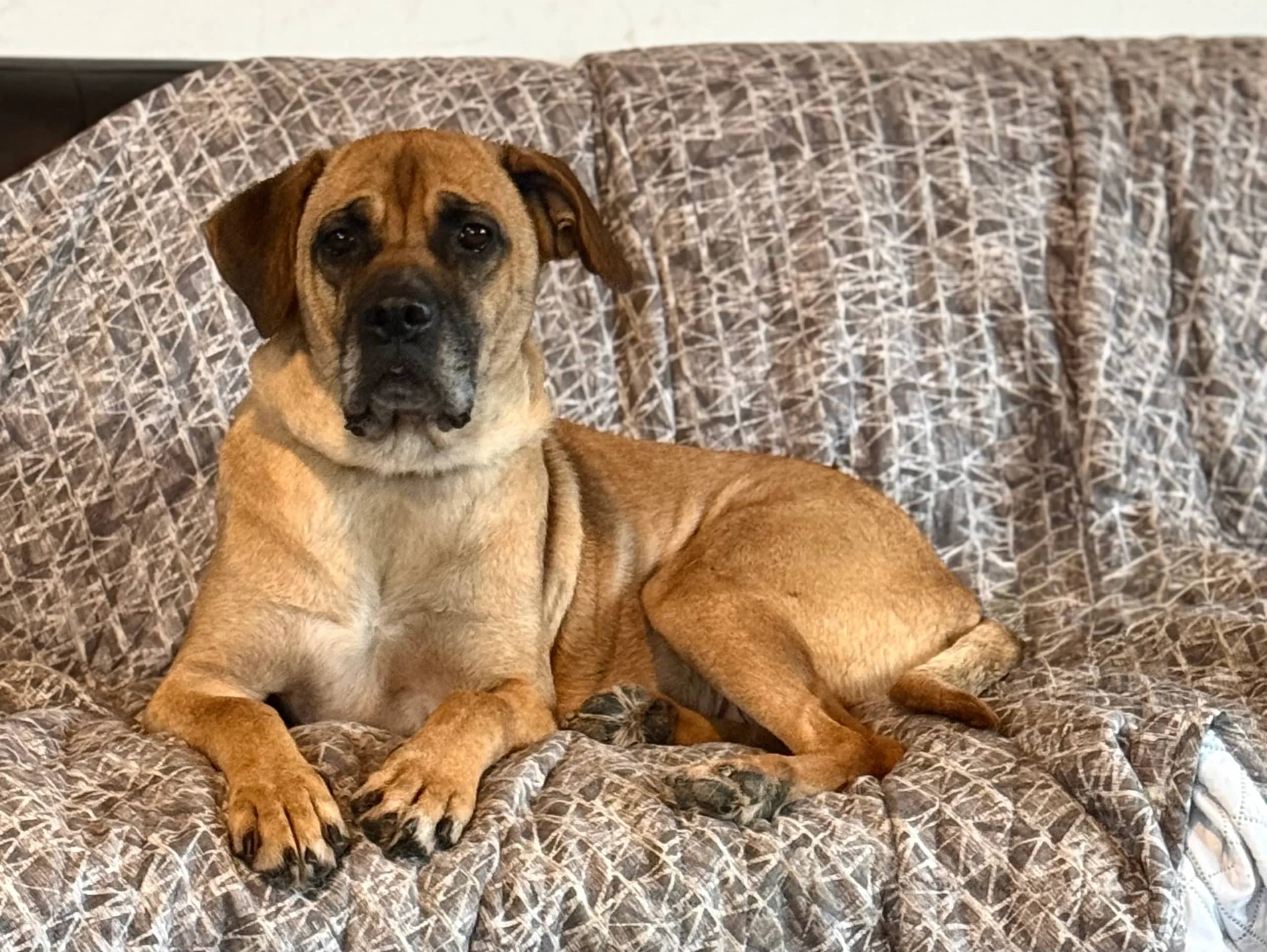
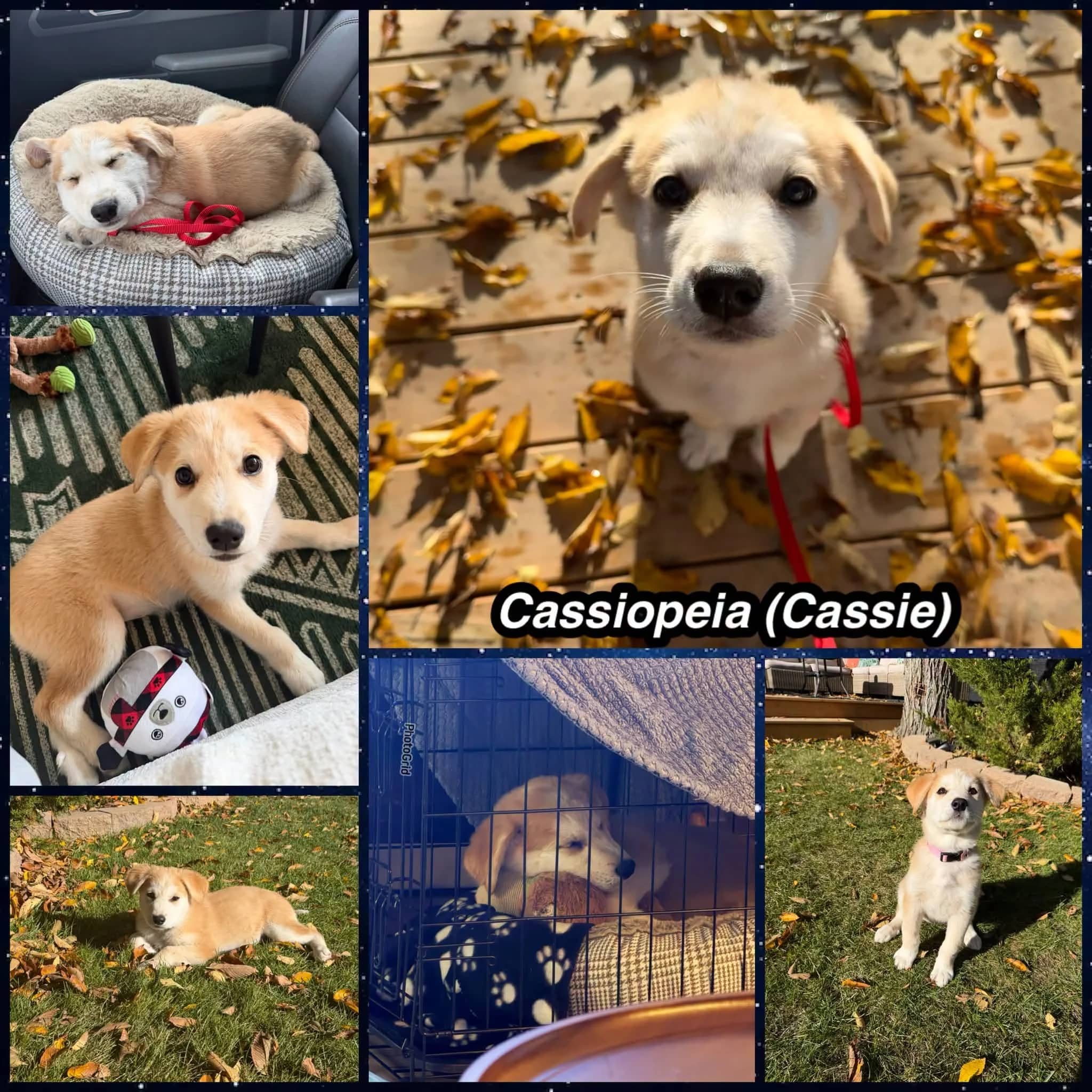
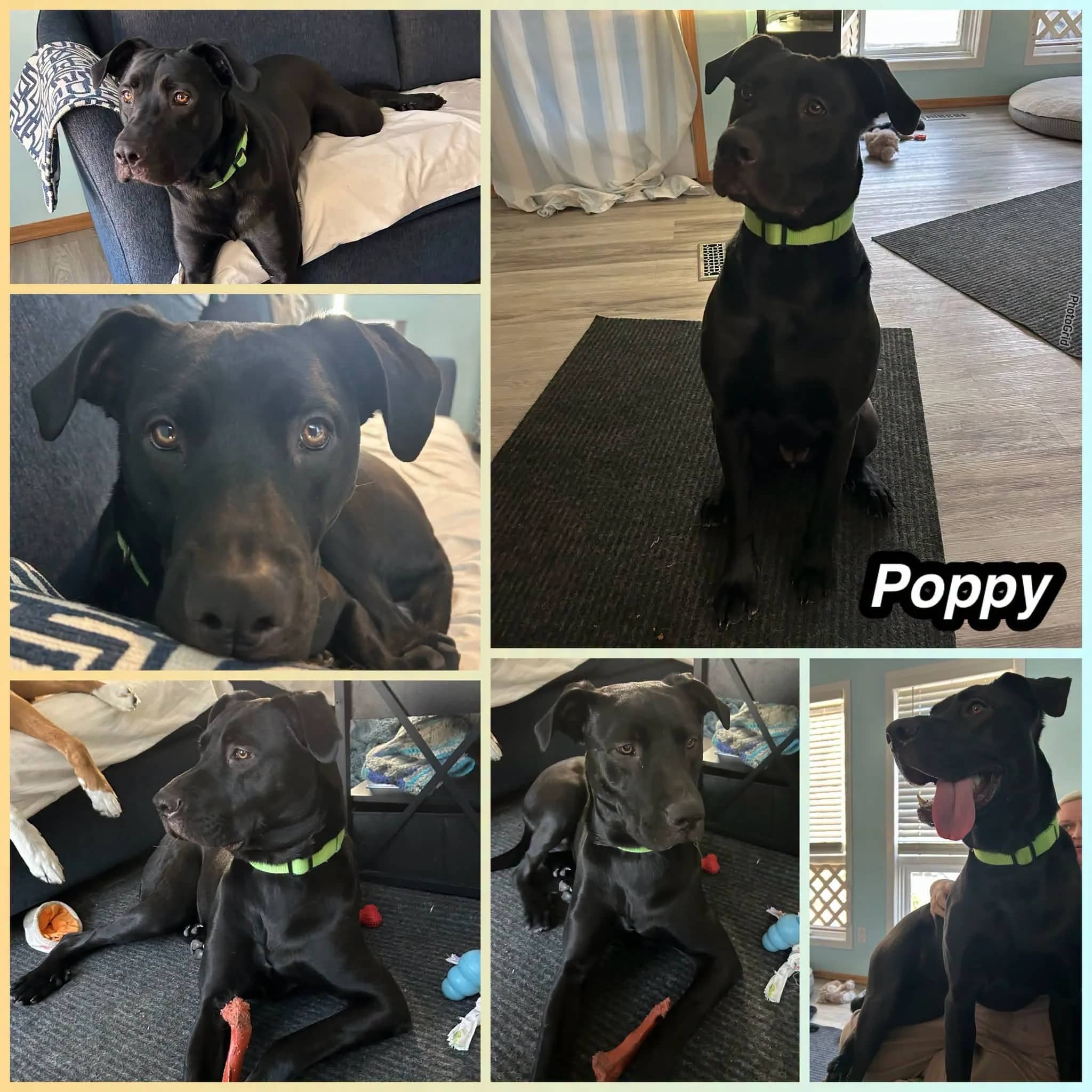
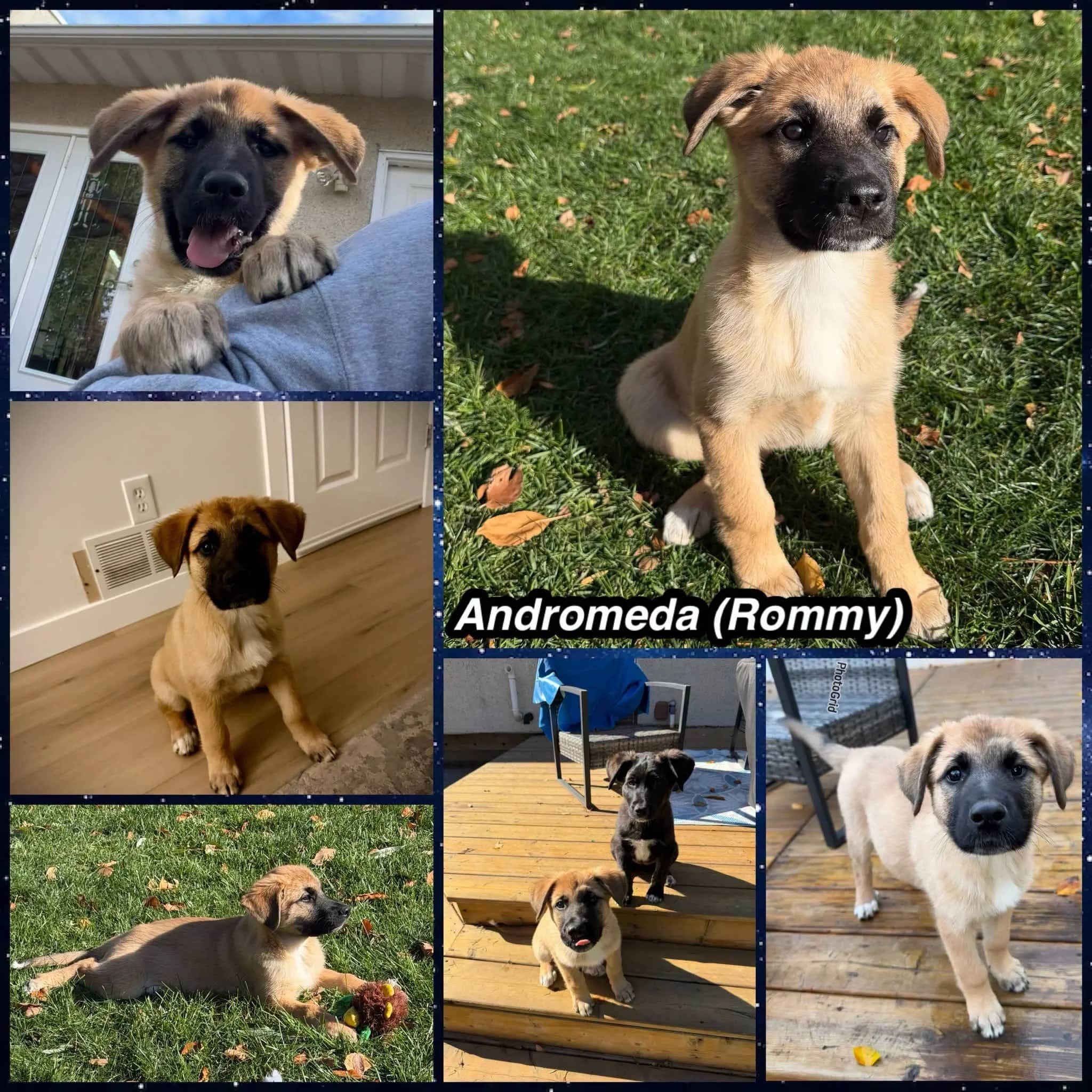
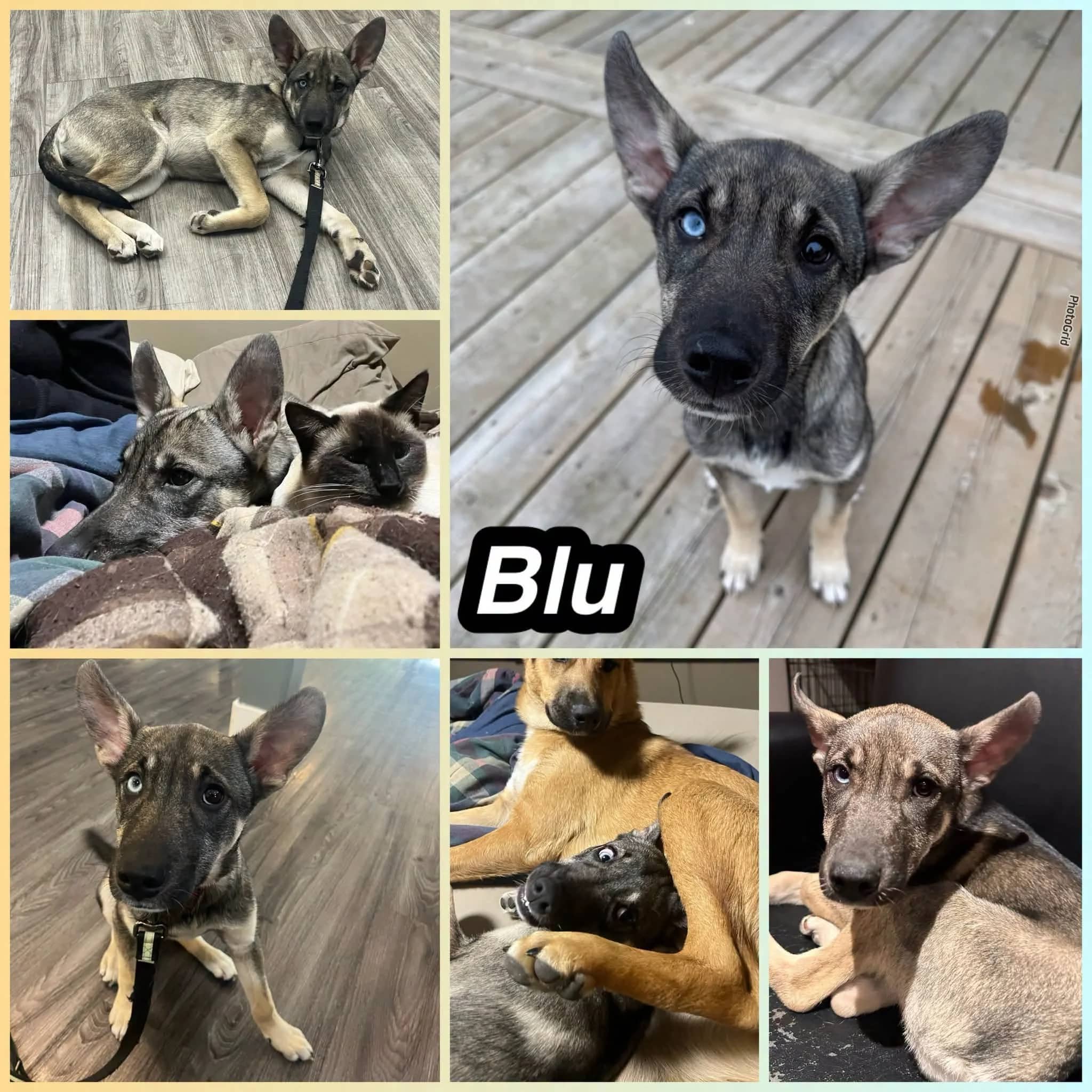
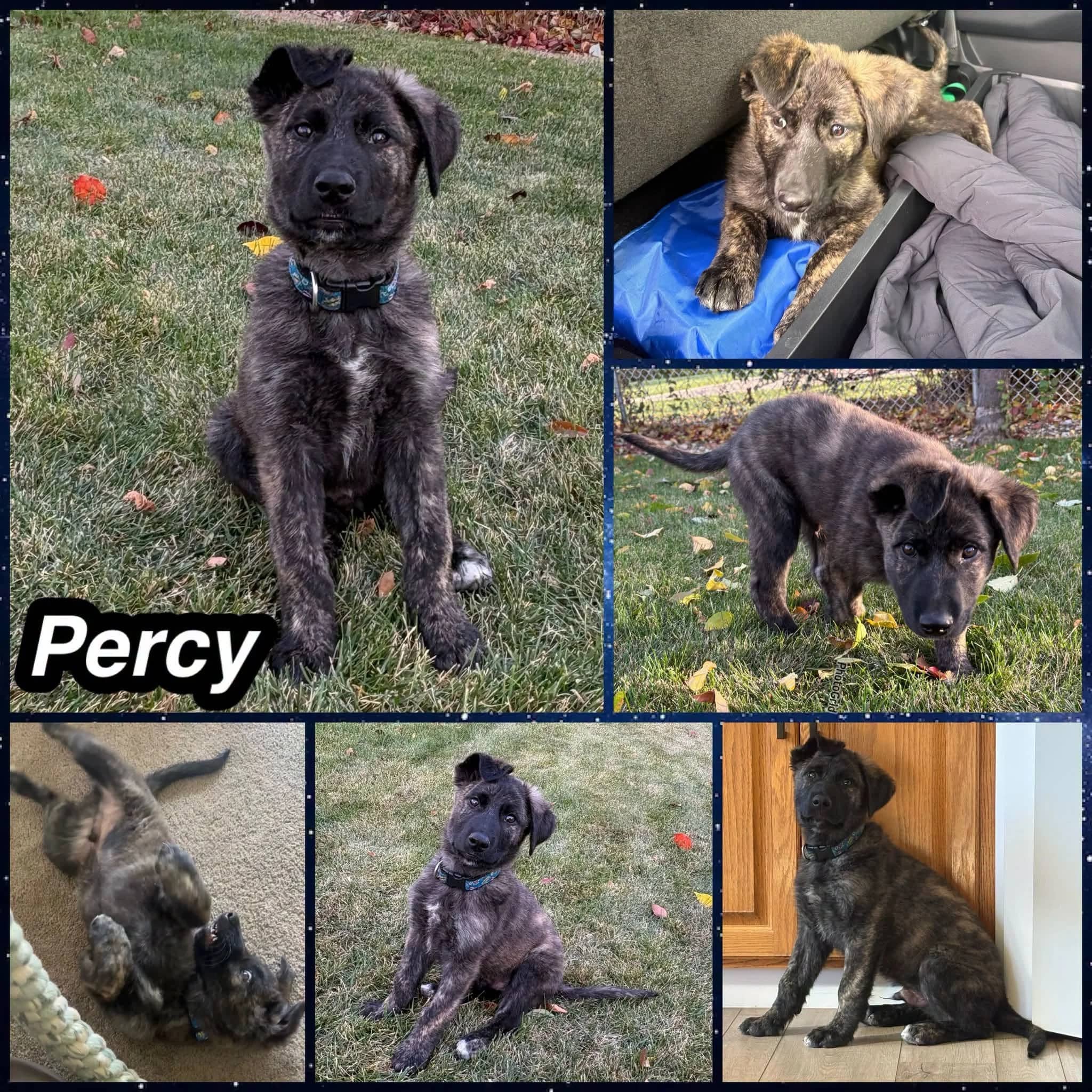
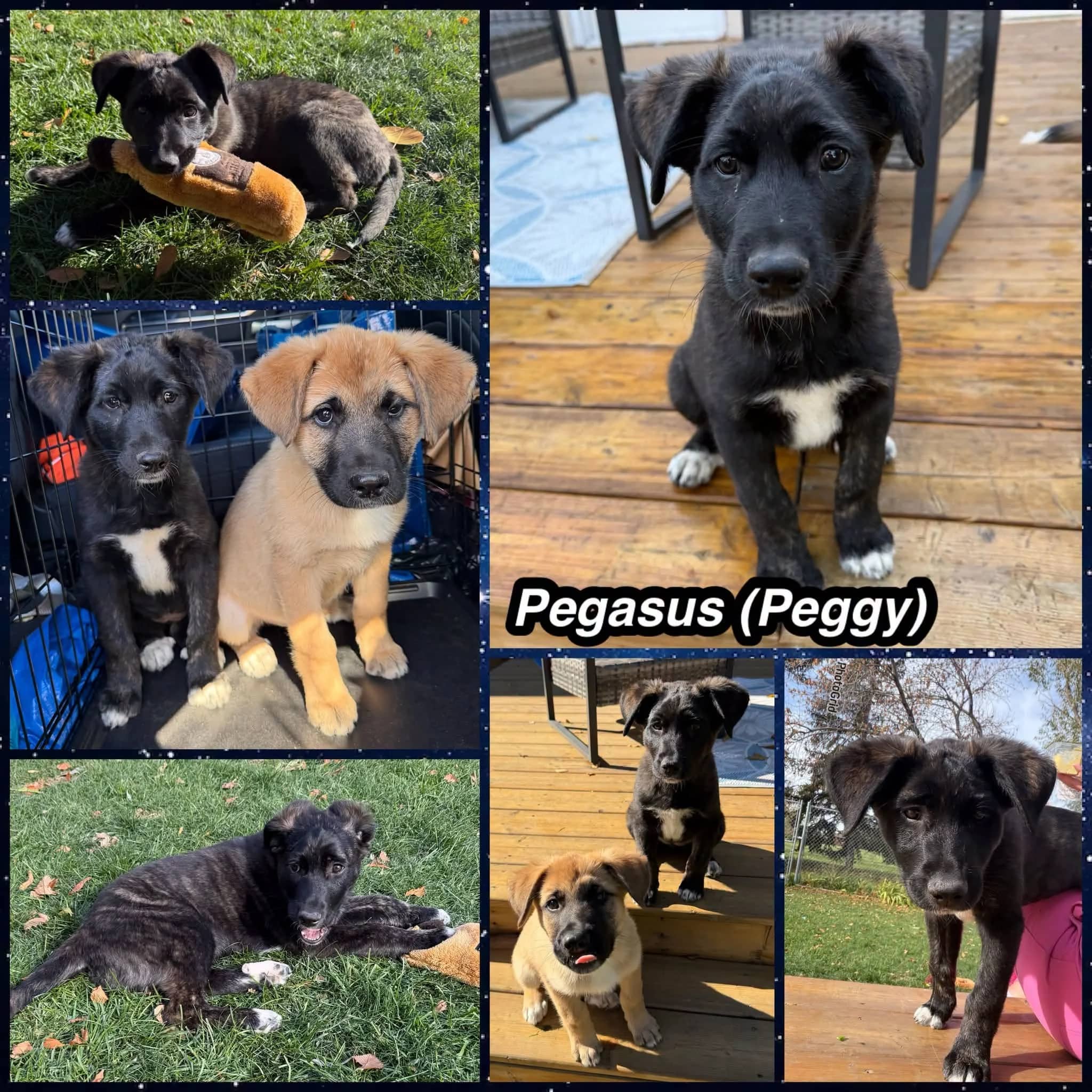
Every dog in the grid above is listed by a rescue as a large-breed or large mixed-breed dog. You will see shepherds, retrievers, hounds, mastiff types, and plenty of big mixes. Listings update regularly as rescues take in new dogs.
Living with a big dog
Size changes the practical side of ownership. Large dogs need more exercise, eat more, and cost more at the vet, and good leash manners matter far more when the dog outweighs a child. None of that is a dealbreaker, but it is worth planning for before you adopt rather than after.
Space helps but is not everything. Plenty of big dogs do well in apartments if they get real daily exercise, though many rentals and condo boards set weight limits, so check your building’s rules first. A well-exercised large dog is usually a calm one.
What to know before adopting
Match the dog’s energy to your life honestly. A young working-breed shepherd and a mellow older mastiff are both large dogs with completely different needs. Ask the rescue about exercise level, leash manners, training history, and how the dog does with kids or other pets, then meet the specific dog before you commit so there are no surprises.
Looking more broadly? Browse every adoptable dog across the province on Dog Adoption Saskatchewan.
Large Dogs by city in Saskatchewan
Most adopters want a dog within driving distance, and rescues here are foster-based, so a dog listed under one city may be living in the next town over. Start with your city, then widen out.
Popular Large Breeds in Saskatchewan Rescues
These large breeds and their crosses appear most often in Saskatchewan-area rescue intake. Many rescue large dogs are wonderful mixes of these types. Browse a breed page to see availability now.
German Shepherd →
The most common large breed in rescue. Smart, loyal, protective, high-drive. Needs training and a job.
Labrador Retriever →
The classic family large dog. Friendly, trainable, great with kids. Watch the weight, since Labs love food.
Siberian Husky →
Everywhere in rescue, stunning, and a lot of work. Escape artists with huge exercise needs.
Golden Retriever →
Gentle, family-oriented, eager to please. Rare in rescue and quick to go, so set up alerts.
Great Pyrenees →
Livestock-guardian giants from rural intake. Gentle and calm, but large, vocal at night, and independent.
Rottweiler →
Confident, loyal, and deeply bonded. Needs early training and socialization. Check housing and insurance.
Pit Bull & Bully Types →
Common in rescue and often the most affectionate dogs on the floor. Confirm housing and insurance first.
Great Dane →
A true gentle giant. Surprisingly low-energy indoors, but the food, space, and short lifespan are real.
Large Dogs FAQ — Saskatchewan
Tap a question to expand