Showing 7 dogs
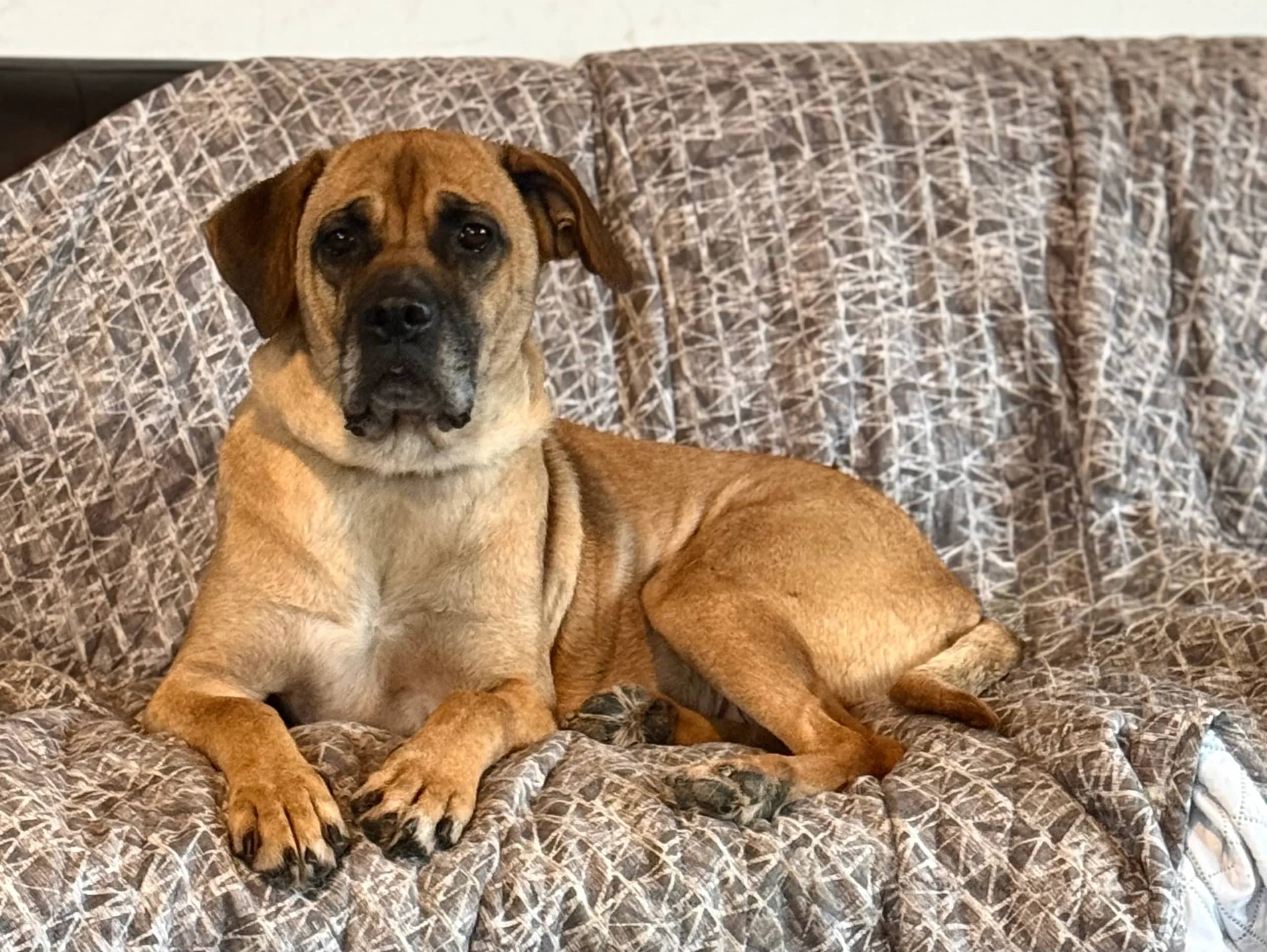
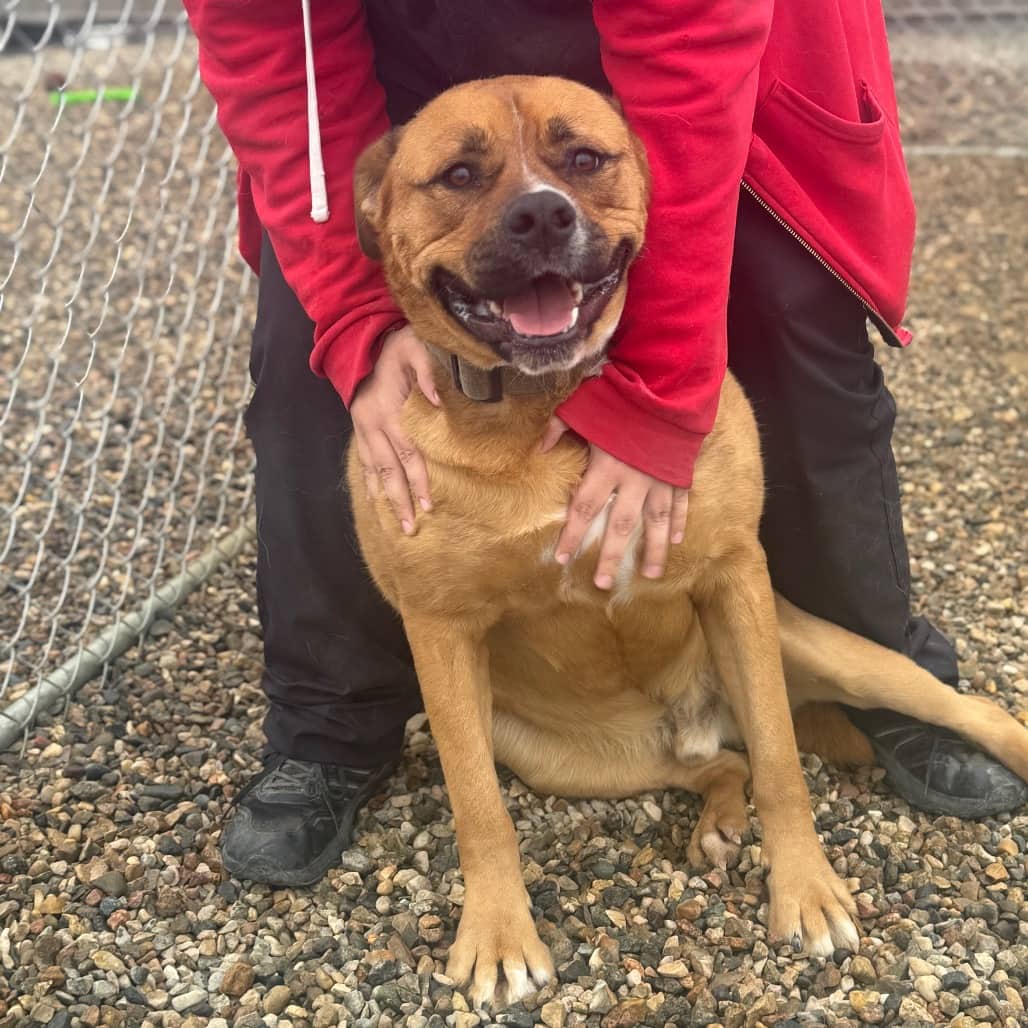
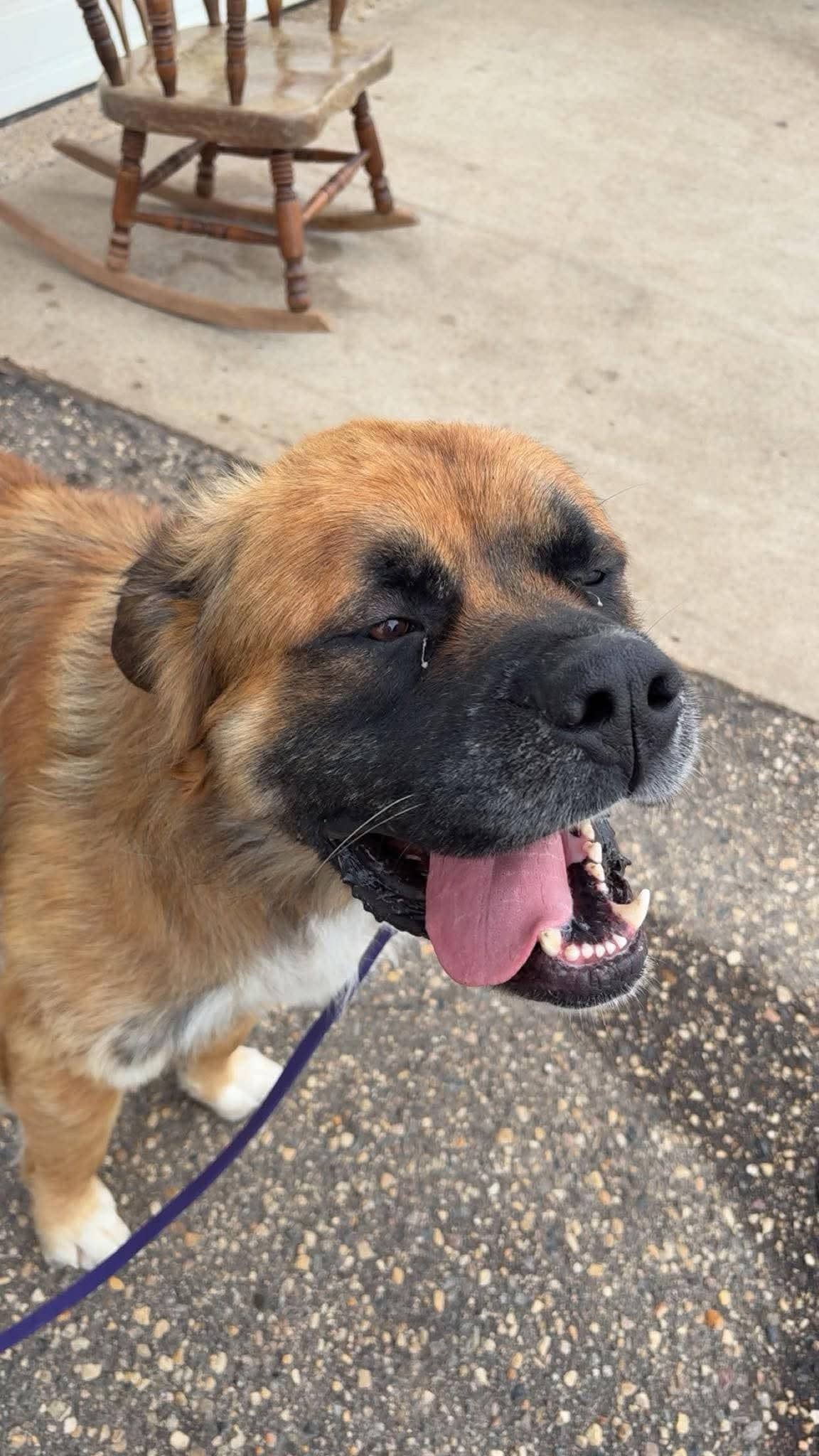
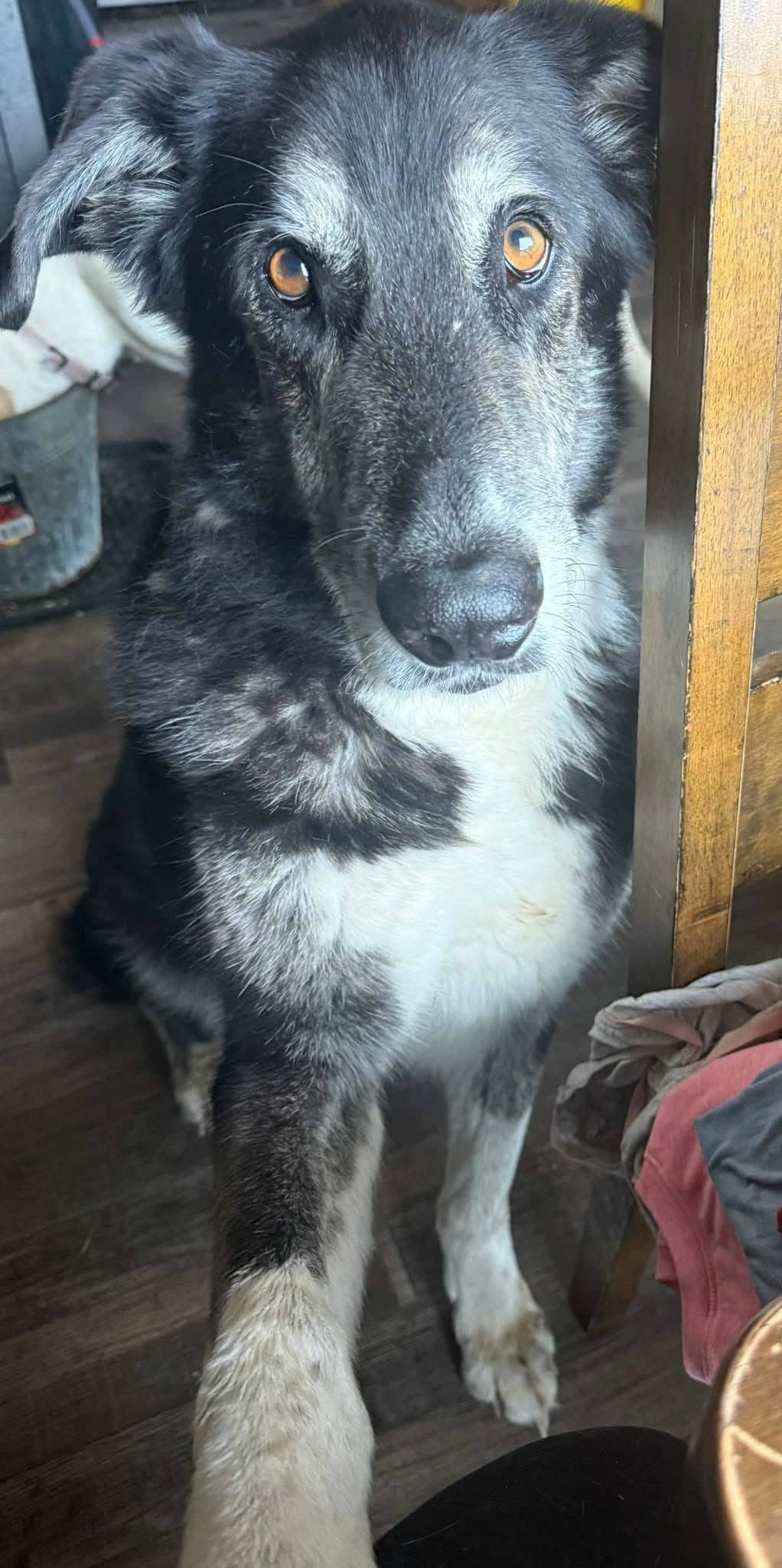
Senior Dogs by city in Saskatchewan
This page pools senior dogs from across Saskatchewan. If you are searching in one city, the city page is narrower and usually the better starting point.
Why adopt a senior dog?
Senior dogs (generally 7 years and up) are the easiest dogs in rescue to bring home and the hardest to place, which is exactly why adopting one matters. What you get is a dog who is usually already house-trained, past the chewing and zoomies of puppyhood, and settled into a known personality. There are no surprises about size, coat, or temperament — what you meet is what you keep.
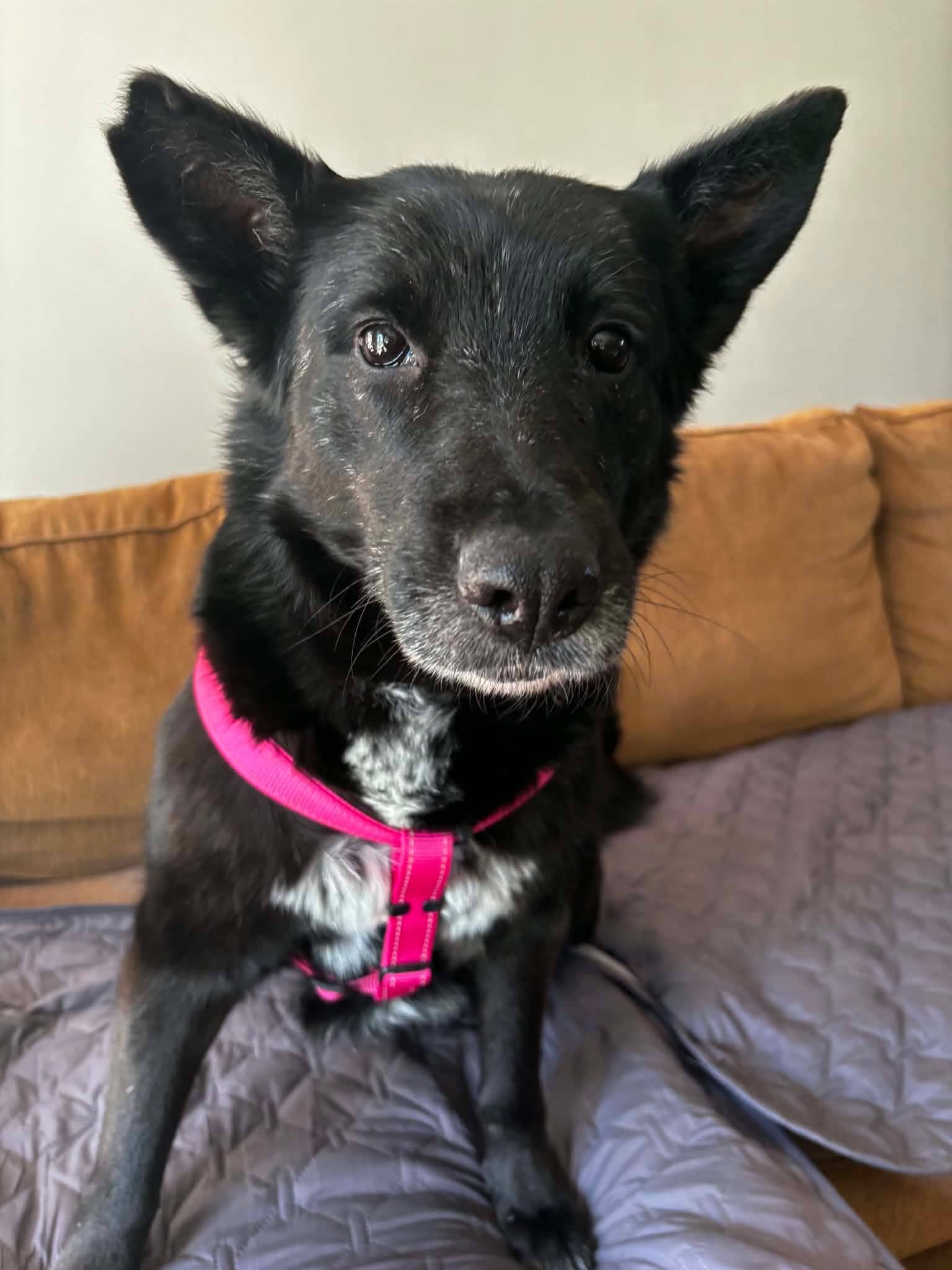
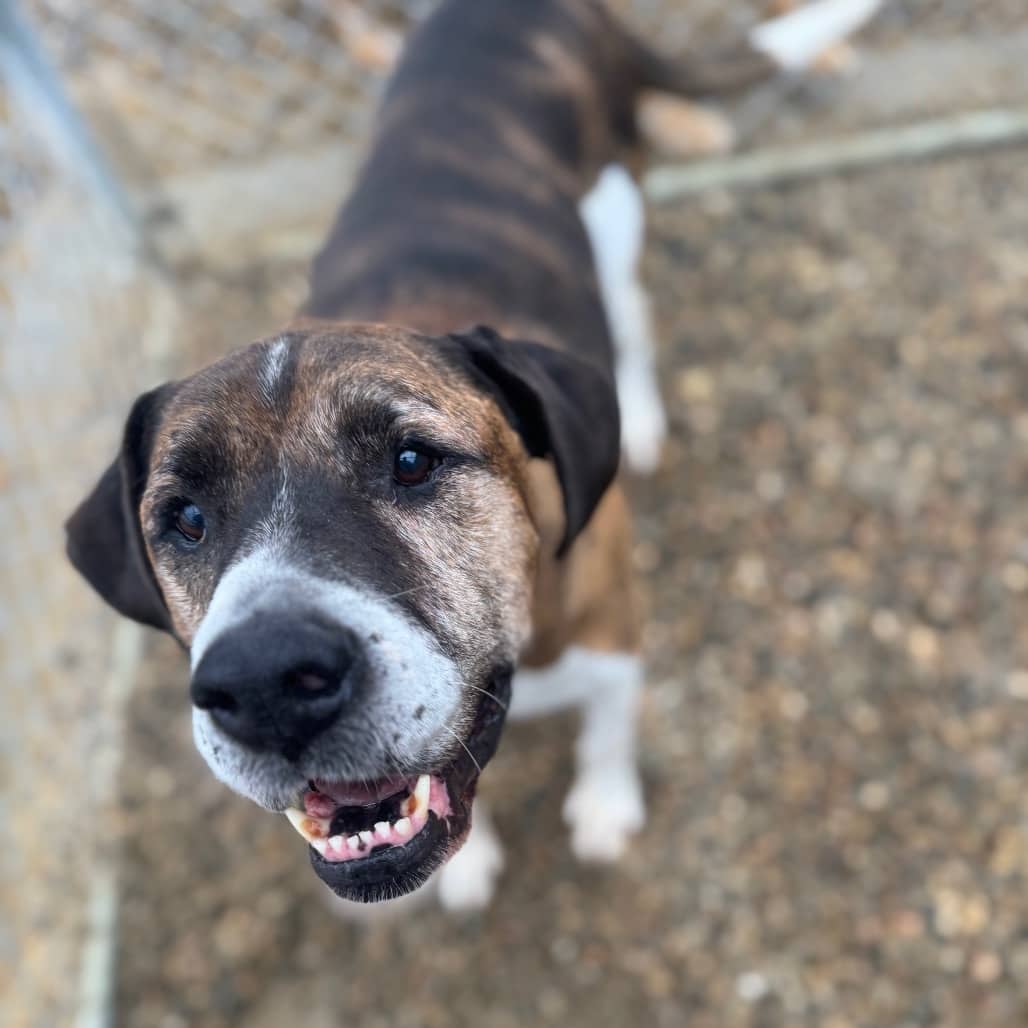
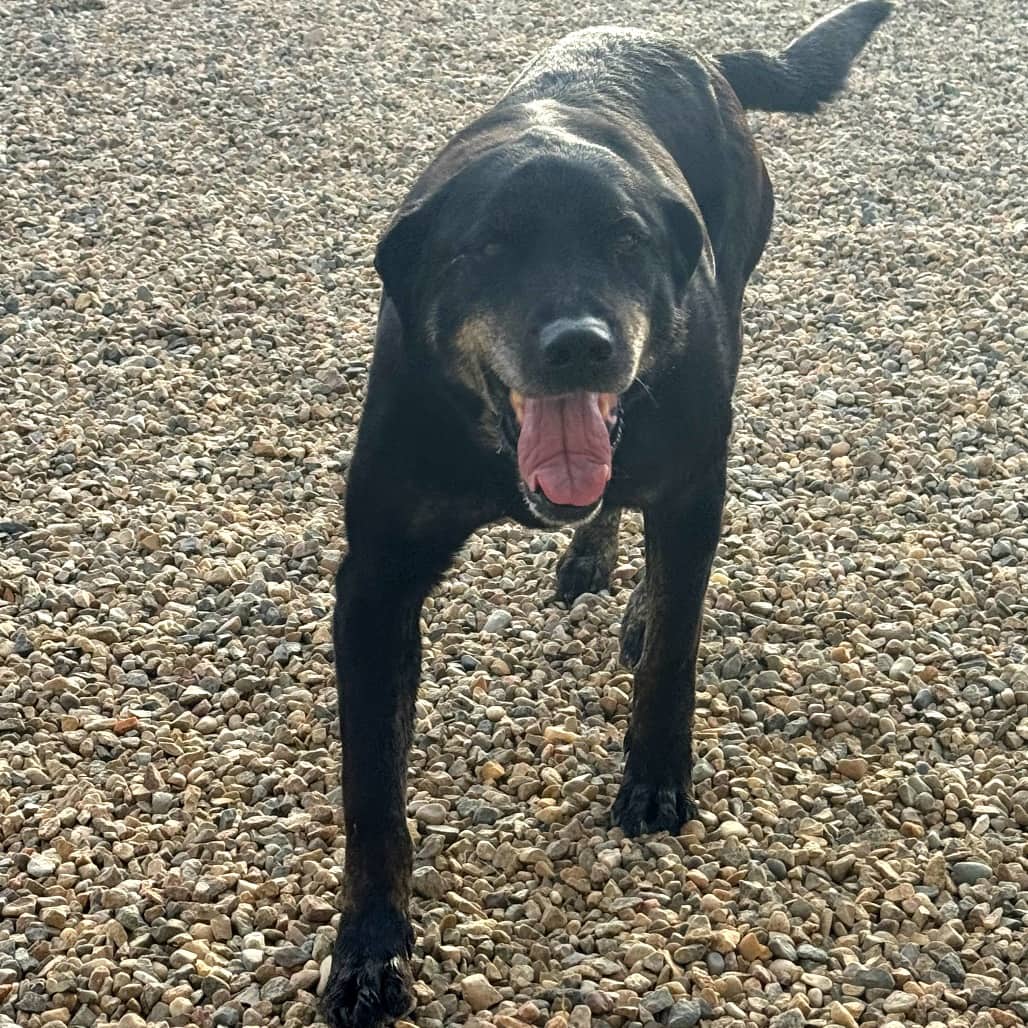
They are also the most overlooked dogs on any listing, so adopting a senior frees up a foster spot and often comes with a lower or waived adoption fee. Every dog in the grid above is listed by a rescue as a senior. Listings update regularly as rescues take in new dogs.
What to expect from an older dog
Most seniors slot into a home within days rather than weeks. They tend to be calmer, sleep more, and are happy with gentle walks and a warm spot on the couch, which suits apartments, seniors adopting, and anyone who works regular hours.
The trade-off is honest: you usually get fewer years, and an older dog is more likely to come with a health condition or to develop one. Many are entirely manageable — dental care, joint support, a weight-appropriate diet. Ask the rescue what they know about the dog’s health and history, and budget for more frequent vet visits than you would with a young dog.
Caring for a senior rescue dog
A good senior setup is simple: a supportive bed, easy footing on slippery floors, and a vet check soon after adoption to set a baseline. Watch for stiffness, dental disease, weight changes, and shifts in drinking or appetite, and raise anything new with your vet rather than writing it off as old age.
Canadian winters are harder on older joints, so a coat, shorter cold-weather walks, and a warm indoor spot go a long way. None of this is complicated — it is the same attentive care any dog deserves, just a little sooner. Talk to your vet about a plan that fits the specific dog you adopt.
Looking more broadly? Browse every adoptable dog across the province on Dog Adoption Saskatchewan.
Senior Dogs by city in Saskatchewan
Most adopters want a dog within driving distance, and rescues here are foster-based, so a dog listed under one city may be living in the next town over. Start with your city, then widen out.
Best Senior Dog Breeds in Saskatchewan Rescues
These breeds appear most often as adoptable seniors in Saskatchewan-area rescues. The senior version of each is typically calmer, lap-oriented, and well-suited to condo and apartment life.
Senior Cavalier King Charles →
The single best match for senior adopters. 13-18 lbs, naturally calm, deeply affectionate, lap-oriented.
Senior Shih Tzu →
9-16 lbs. Bred as palace lap dogs. Calm, gentle, ideal indoor condo companions.
Senior Maltese →
5-7 lbs. Tiny, gentle, low-shedding. Quiet companions ideal for apartment living.
Senior Greyhound →
60-80 lbs. The world’s fastest couch potato. Sleeps 18+ hours/day, walks quietly without pulling.
Senior French Bulldog →
16-28 lbs. Calm, affectionate, low-energy. Frequently surrendered for medical costs at reduced fees.
Senior Labrador Retriever →
60-80 lbs. By 8-10 years, Labs settle into mellow, gentle family companions with established personalities.
Senior Golden Retriever →
55-75 lbs. Warm, family-oriented, settled. Some arrive with managed health conditions disclosed upfront.
Senior Yorkshire Terrier →
4-7 lbs. Low-shedding, devoted lap companions, calmer than puppies and perfect for apartments.
Senior Dogs FAQ — Saskatchewan
Tap a question to expand