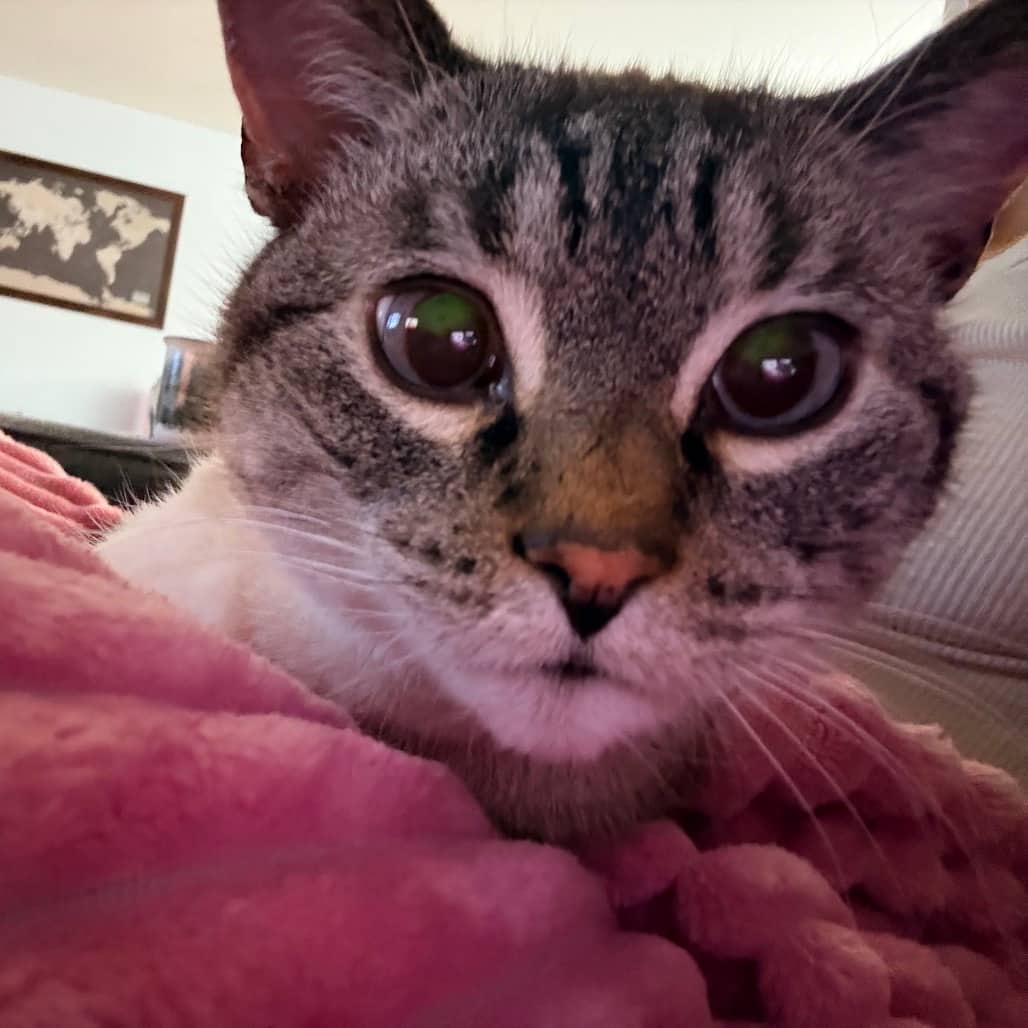
The honest answer first: no cat is 100% hypoallergenic. Every cat produces some Fel d 1, the protein in saliva and skin oil that triggers most cat allergies. But certain breeds produce noticeably less of it, which makes them tolerable for many mild-to-moderate allergy sufferers. The cats listed here come from those breeds.
The lower-allergen breeds are typically Siberian (long-haired, and marketed for allergy households more than the evidence supports), Russian Blue, Balinese, Sphynx (no fur to trap dander), Devon Rex, Cornish Rex, and Oriental Shorthair. In Edmonton rescues these breeds are uncommon. Most cats in care at the Edmonton Humane Society, Zoe's Animal Rescue, and other Edmonton-area shelters are domestic shorthair or longhair mixes — not purebreds. If a lower-allergen breed comes into care, it usually goes fast.
Before you commit: spend an hour or two with the specific cat in person. Allergic reactions vary by individual cat (not just breed), and a face-to-face visit confirms tolerance better than any breed reputation. Several Edmonton rescues will arrange multi-visit trials before finalizing the adoption.
The lower-allergen short list
Siberian is the most surprising entry on the list because it is long-haired, but Siberian is the breed most often marketed to allergy households, though the evidence behind that reputation is thinner than the marketing suggests. Russian Blue is the most commonly recommended for allergy households. Sphynx are popular with severe allergy sufferers because there is no fur to trap dander on furniture. Balinese, Devon Rex, Cornish Rex, and Oriental Shorthair round out the list. None are common in Edmonton rescues, so set a search alert and check back regularly.
The Fel d 1 reality check
“Hypoallergenic” is a relative term, not an absolute one. Studies measuring Fel d 1 production show meaningful breed-level differences, but individual cat variation is also large. Two Russian Blues from the same litter can produce different Fel d 1 levels. A breed reputation is a useful starting filter; an in-person allergy test with the specific cat is the only reliable confirmation. Many allergy sufferers also use HEPA air filters, wash bedding weekly, and keep the cat out of the bedroom to reduce exposure.
Finding them in Edmonton rescues
Most Edmonton cats in rescue care are domestic shorthair or longhair, not purebreds. Lower-allergen breeds turn up occasionally as owner surrenders or strays, but supply is unpredictable. Your best approach: set up email alerts on LocalPetFinder filtered for the breeds above, check the Edmonton Humane Society and Zoe's Animal Rescue weekly, and be ready to move quickly when one is listed. A purebred Sphynx or Russian Blue in an Edmonton rescue is usually adopted within days.
Edmonton Hypoallergenic Cat FAQ
How many hypoallergenic cats are available for adoption in Edmonton?▼
As of October 2026, 1 hypoallergenic cats are available for adoption in Edmonton across 1 rescue on LocalPetFinder. Listings update regularly as pets are adopted and new ones arrive — browse them above and apply directly through the rescue.
Where can I find hypoallergenic cats for adoption near me in Edmonton?▼
LocalPetFinder lists lower-allergen cats from Edmonton-area rescues including the Edmonton Humane Society and Zoe's Animal Rescue. Purebred lower-allergen breeds (Sphynx, Russian Blue, Siberian, Balinese, Devon Rex, Cornish Rex) are uncommon in Edmonton rescues because most cats in care are domestic shorthair or longhair. Set up search alerts and check back weekly — when one is listed, it usually adopts out within days.
Are any cats truly hypoallergenic?▼
No. Every cat produces some Fel d 1 allergen, which is the protein in saliva and skin oil that triggers most cat allergies. But Siberian, Russian Blue, Balinese, Sphynx, Devon Rex, Cornish Rex, and Oriental Shorthair produce noticeably less than average breeds. Many mild-to-moderate allergy sufferers tolerate these breeds well.
Which cat breed is best for allergies in Edmonton?▼
It depends on the severity of your allergies. For mild allergies, Russian Blue and Siberian are the most commonly recommended, though that reputation rests more on marketing than on measurement. Both are normal-coated cats. For severe allergies, Sphynx is the most reliable choice because there is no fur to trap and spread dander. Balinese and the Rex breeds are good middle-ground options. All are rare in Edmonton rescues so supply, not preference, often decides.
Why is Siberian on the hypoallergenic list if it has long hair?▼
Hair length and allergens are not the same thing. The Fel d 1 protein is produced in saliva and skin glands and spread through grooming. Siberian is the breed most often marketed to allergy households despite its long coat. Be careful with that claim: a 2014 study in Clinical and Translational Allergy found cats from breeds marketed as hypoallergenic carried somewhat less Fel d 1 on their fur, but the sample was small and the paper named no individual breed. The long coat does trap more dander on furniture, so weekly brushing by a non-allergic person helps significantly.
How can I test if I am allergic to a specific cat before adopting?▼
Visit the cat at the rescue or foster home for at least an hour. Pet, hold, and let the cat rub against your face and arms. Allergic reactions usually appear within 30 minutes — sneezing, itchy eyes, congestion, or rash. If you do not react, you are likely fine with this individual. Several Edmonton rescues, including Zoe's Animal Rescue, will arrange multi-visit trials before finalizing the adoption.
Can I lower allergens from a regular Edmonton cat?▼
Yes, partially. Daily brushing (by a non-allergic person), HEPA air filters in main rooms, washing pet bedding weekly, and keeping the cat out of the bedroom helps significantly. Purina LiveClear is a commercial cat food that binds salivary Fel d 1 at the source and reduces allergen levels by about 50 percent in eight weeks. These steps combined often make a regular cat tolerable for mild allergy sufferers without needing a special breed.
Are Sphynx cats high-maintenance in Edmonton winters?▼
Yes, more than most cats. Sphynx have no fur, so they get cold quickly in Edmonton winters and need sweaters indoors when the house is below about 20°C. They also need weekly bathing because skin oils accumulate without fur to absorb them, and ear and nail care is more involved. Sphynx are also strictly indoor-only — outdoor temperatures below freezing are dangerous for a hairless cat within minutes. If you want a low-maintenance allergy-friendly cat in Edmonton, Russian Blue or Siberian is the easier choice.
How much do hypoallergenic cats cost in Edmonton?▼
From a rescue, $150 to $400 for adults and $200 to $400 for kittens — the same range as any other cat. Adoption fees include spay or neuter, vaccinations, deworming, and microchip. From a breeder, lower-allergen breeds are expensive: Sphynx kittens run $2,000 to $4,000 in Alberta, Russian Blue $1,500 to $3,000, Siberian $1,500 to $2,500. The rescue route is dramatically cheaper but you have to be patient and ready to move when a breed match appears.
Explore more Edmonton cats
Adults, kittens, seniors, bonded pairs — everything currently available.
Maine Coons, Persians, and other fluffy options — including Siberians when available.
Cats already adjusted to indoor living — the Edmonton standard for prairie winters.
Cats under 12 months. Prairie kitten season peaks May through September.