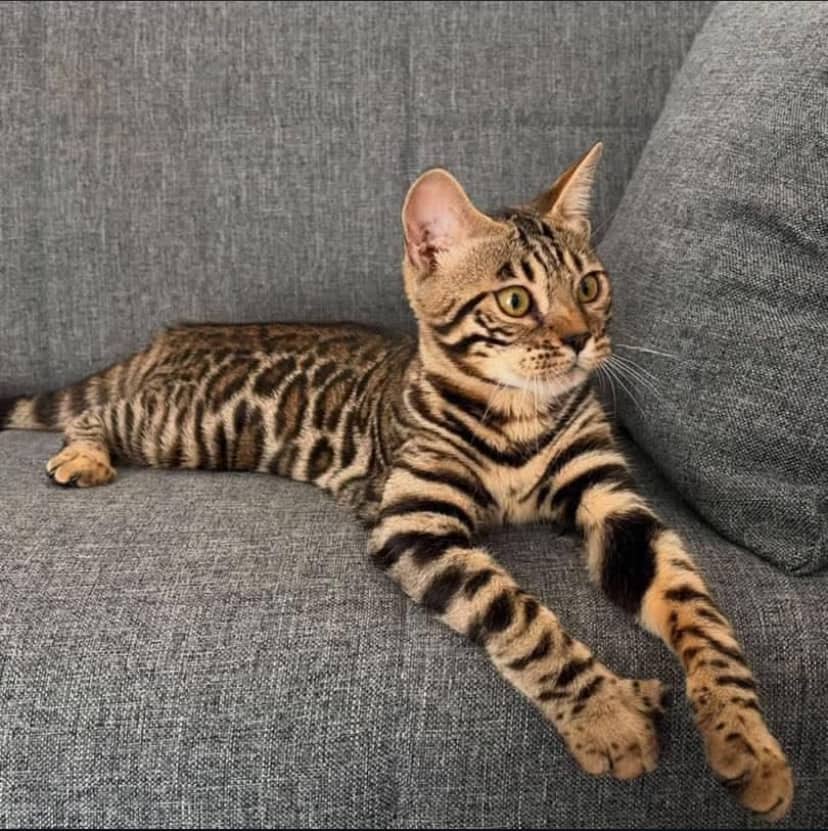
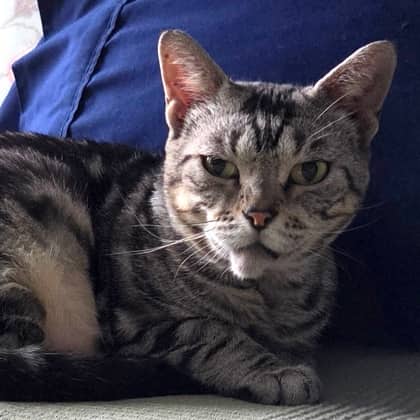
Adopting a Bengal cat in Alberta
Bengal cats are uncommon in Alberta rescue, but they do come through. Calgary Humane Society, Edmonton Humane Society, AARCS, and the smaller rescues we work with see Bengals and Bengal crosses occasionally, often surrendered when the breed's energy turned out to be more than the household expected. Most Bengals in Alberta are bought from breeders, so the rescue supply is limited.
This page pulls every adoptable Bengal from the launched Alberta shelters into one searchable place, refreshed regularly. Because the breed is rare in rescue, searching province-wide is essential. A Bengal in Edmonton or Red Deer is worth the drive, and most rescues will arrange a meet at the foster home regardless of where you live.
Why Bengals cycle through Alberta rescue
The Bengal that ends up in rescue is almost always there because of one thing: the household bought the wild look and did not plan for the energy underneath it. The Bengal is a strikingly marked, athletic, intensely active cat, and an owner who expected a decorative lap cat meets a tireless climber that needs real enrichment. When the cat starts scaling the curtains, opening cupboards, and yowling for stimulation, some owners surrender. The Bengals themselves are sound. The expectations were wrong.
A high-energy cat that needs a job
The Bengal descends from crosses between domestic cats and the Asian leopard cat, and while the Bengals in rescue and pet homes are several generations removed and fully domestic, the breed kept the energy and athleticism. A Bengal is one of the most active cat breeds there is. It climbs, it jumps, it explores, it problem-solves, and it does not switch off the way a typical cat does. An adopter has to plan for that, not hope it settles.
In practice that means enrichment is not optional. A Bengal needs tall cat trees and shelving to climb, puzzle feeders, interactive play every day, and ideally a second active cat for company. Many Bengals enjoy water and will play in a sink or tub. Bored, an under-stimulated Bengal becomes destructive and loud, which is exactly the path that leads to surrender. Given a home set up for an athletic, intelligent cat, a Bengal is a spectacular companion: engaged, playful, and genuinely interactive. One note on the rare early-generation Bengals: cats within the first few generations of the wild ancestor can carry ownership restrictions, but the later-generation Bengals normally found in rescue and pet homes are fully domestic cats.
Health concerns worth asking the foster about
Bengals have a few breed concerns worth asking about. The breed sees hypertrophic cardiomyopathy, the heart-muscle disease common to several cat breeds, a breed-specific form of progressive retinal atrophy that affects vision, and pyruvate kinase deficiency, an inherited condition affecting red blood cells. A foster who has lived with the cat knows whether it moves and sees well and is in good general health. Ask directly, and plan for routine veterinary care including heart monitoring.
What Bengals are actually like to live with
The Bengal is a stunning, intelligent, intensely active cat, and for the right home it is a remarkable companion. The things to plan for:
- Very high energy. Bengals climb, jump, and explore constantly. This is not a calm lap cat.
- Enrichment is essential. Tall cat trees, shelving, puzzle feeders, and daily interactive play are needed, not optional.
- Often best with company. A second active cat helps a Bengal burn energy and stay content.
- Intelligent and curious. Bengals open cupboards and solve problems. Expect a cat that interacts with its whole environment.
- May enjoy water. Many Bengals play in sinks and tubs, which surprises new owners.
- Destructive when bored. An under-stimulated Bengal becomes loud and destructive, the path that leads to surrender.
- Indoor-only. Like all rescue cats in Alberta, a Bengal should live indoors, with plenty of vertical space.
What the fee usually covers
Bengal adoption fees at Alberta rescues sit in the same range as other rescue cats in the province, and they are a small fraction of a breeder price. The fee covers the medical work the rescue already paid for: spay or neuter, core vaccinations, microchip, deworming, and a vet check before placement. Confirm the exact number on the cat's own listing, because it varies with age and any special medical care.
How to actually search
Use the filters above to narrow by age, energy level, compatibility, and shelter. Before you apply, be honest about whether your home can give an athletic, intelligent cat the climbing space and daily play it needs. Bengals come through rarely, so check often and search the whole province. When a match shows up, apply the same day.
Prefer a city-specific view? Browse our Calgary Bengal page, or the cat listings in Edmonton, Red Deer, and Grande Prairie. The broader hub is Cat Adoption Alberta.
The rescues that most often list Bengals across the province are Calgary Humane Society, AARCS, and Edmonton Humane Society.
Bengal Adoption FAQ — Alberta
Tap a question to expand
How many Bengals are available for adoption in Alberta?▼
Where can I find Bengal cat adoption near me in Alberta?▼
Why do Bengal cats end up in rescue?▼
Are Bengal cats high-energy?▼
Are Bengal cats legal in Alberta?▼
What health problems do Bengal cats have?▼
How much does it cost to adopt a Bengal cat in Alberta?▼
Is LocalPetFinder a Bengal rescue?▼
Bengal adoption by Alberta city
Alberta rescues transport between cities and several operate province-wide, so it is worth checking Bengals elsewhere in the province before you give up on a match.