Showing 2 cats
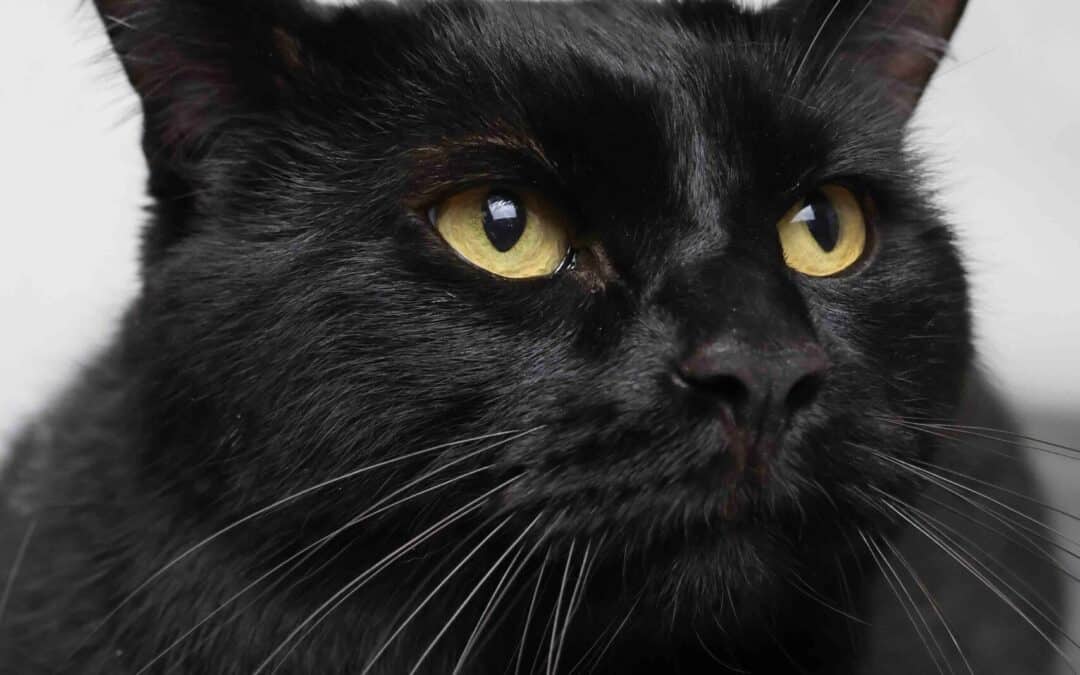
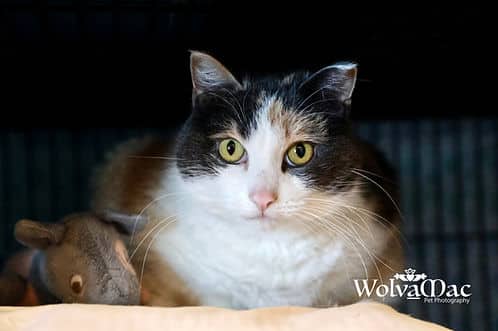
Adopting a Manx cat in Alberta
Manx cats are uncommon in Alberta rescue, but they do come through, and tailless or stub-tailed cats turn up more often than verified purebreds. Calgary Humane Society, Edmonton Humane Society, AARCS, and the smaller rescues we work with see Manx and Manx-type crosses occasionally. Most purebred Manx are bought from breeders, which is why few reach rescue.
This page pulls every adoptable Manx from the launched Alberta shelters into one searchable place, refreshed regularly. Because the breed is rare in rescue, searching province-wide is essential. A Manx in Edmonton or Red Deer is worth the drive, and most rescues will arrange a meet at the foster home regardless of where you live.
Why Manx cats are uncommon in Alberta rescue
Like most pedigreed cats, purebred Manx are mostly bought rather than adopted, so few enter the rescue system. The ones that do are usually owner surrenders after a life change, retired breeding cats, or tailless and stub-tailed crosses. A rescue Manx is rarely there because of a behaviour problem. The breed is robust and dog-like. An adopter open to a Manx-type cross, a tailless or short-tailed cat with the breed's build and temperament, will find options sooner than one waiting for a verified purebred.
The tailless gene and Manx syndrome
The taillessness that defines the Manx comes from the Manx gene, and it ranges across a spectrum: from a fully tailless cat (a "rumpy") to one with a small stub. That same gene is the reason an adopter needs to understand one health issue before falling for the look. In a minority of Manx, the gene that shortens the tail also affects the lower spine and spinal cord, causing what is called Manx syndrome, which can involve spina-bifida-type problems along with bowel and bladder issues. Most affected cats show signs young, so an adult Manx that has reached maturity without problems is generally past the main risk window.
In practice this means the questions to ask the foster are specific. Ask about litter-box habits, whether the cat passes urine and stool normally, and how it moves and walks, because abnormal gait or incontinence can point to spinal involvement. A foster who has lived with the cat knows these things intimately. The reassurance is that the great majority of Manx are sound, healthy, and entirely normal in their toileting and mobility. The breed itself is delightful: playful, robust, intelligent, and famously dog-like, with some Manx fetching, some taking an interest in water, and most being affectionate, loyal companions and capable hunters. Go in informed about Manx syndrome, ask the right questions, and you can adopt with confidence.
Health concerns worth asking the foster about
The most important Manx-specific concern is Manx syndrome, the spinal-cord and spina-bifida-type problems, with associated bowel and bladder issues, that the tailless gene can cause in a minority of cats. Because most affected cats show signs young, ask the foster directly about litter-box habits, continence, and how the cat moves and walks. Beyond that, the breed can see arthritis at the base of a partial tail and the usual feline concerns of dental disease and weight. A foster who has lived with the cat can tell you honestly how it is doing. Ask directly, and plan for routine veterinary care.
What Manx cats are actually like to live with
The Manx is a playful, robust, dog-like cat, and for an active family home it is a great fit. The things to plan for:
- Ask about Manx syndrome. The tailless gene can affect the spine in a minority. Ask about litter-box habits and mobility.
- Playful and dog-like. Many Manx fetch, follow their people, and some take an interest in water.
- Robust and intelligent. A sturdy, capable cat and a good hunter, well suited to an interactive home.
- Affectionate and loyal. The breed bonds closely and enjoys being involved with its family.
- Coat varies. The shorthaired Manx needs little grooming; a longhaired variety exists and needs more.
- Good with families. Most Manx are sociable and tolerant, suiting active households.
- Indoor-only. Like all rescue cats in Alberta, a Manx should live indoors, where it is safe and content.
What the fee usually covers
Manx adoption fees at Alberta rescues sit in the same range as other rescue cats in the province. The fee covers the medical work the rescue already paid for: spay or neuter, core vaccinations, microchip, deworming, and a vet check before placement. Confirm the exact number on the cat's own listing, because it varies with age and any special medical care.
How to actually search
Use the filters above to narrow by age, compatibility, and shelter. Before you apply, understand Manx syndrome and be ready to ask the foster about the cat's litter-box habits and mobility. Stay open to tailless and stub-tailed crosses, which appear more often than verified purebreds. When a match shows up, apply the same day.
Prefer a city-specific view? Browse our Calgary Manx page, or the cat listings in Edmonton, Red Deer, and Grande Prairie. The broader hub is Cat Adoption Alberta.
The rescues that most often list Manxes across the province are Calgary Humane Society, AARCS, and Edmonton Humane Society.
Manx Adoption FAQ — Alberta
Tap a question to expand
How many Manxes are available for adoption in Alberta?▼
Where can I find Manx cat adoption near me in Alberta?▼
What is Manx syndrome?▼
What should I ask the foster about a Manx cat?▼
Are Manx cats really dog-like?▼
Do all Manx cats have no tail?▼
How much does it cost to adopt a Manx cat in Alberta?▼
Is LocalPetFinder a Manx rescue?▼
Manx adoption by Alberta city
Alberta rescues transport between cities and several operate province-wide, so it is worth checking Manxes elsewhere in the province before you give up on a match.