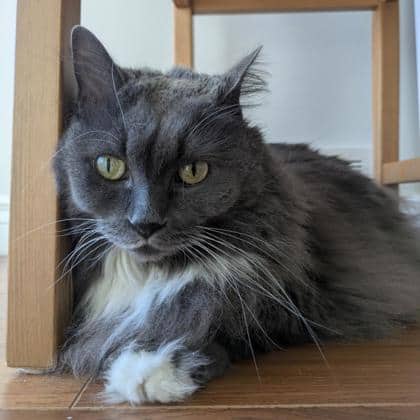
Adopting a Munchkin cat in Alberta
Munchkin cats are uncommon in Alberta rescue, and an adopter set on the breed needs patience. Calgary Humane Society, Edmonton Humane Society, AARCS, and the smaller rescues we work with see Munchkins and Munchkin crosses only occasionally. Most are bought from breeders, which is why few reach rescue, and the breed itself is controversial enough that it is not recognised by every cat registry.
This page pulls every adoptable Munchkin from the launched Alberta shelters into one searchable place, refreshed regularly. Because the breed is rare in rescue, searching province-wide is essential. A Munchkin in Edmonton or Red Deer is worth the drive, and most rescues will arrange a meet at the foster home regardless of where you live.
Why Munchkin cats are rare in Alberta rescue
Like most pedigreed cats, Munchkins are mostly bought rather than adopted, so few enter the rescue system. The ones that do are usually owner surrenders after a life change, retired breeding cats, or short-legged crosses. A rescue Munchkin is rarely there because of a behaviour problem. The breed is friendly and confident. An adopter open to a Munchkin cross will find options sooner than one waiting for a verified purebred.
The short legs and an honest note on the controversy
The Munchkin's defining feature is its short legs, which come from an autosomal-dominant gene, and an adopter deserves the honest picture before falling for the look. The breed is genuinely controversial. Some cat registries do not recognise it, and some welfare bodies object to deliberately breeding for a trait based on a skeletal mutation. The counterpoint is that most Munchkins move, run, jump, and play normally, getting around perfectly well despite the shorter legs, and many live full, active lives. Both of those things are true at once, and we think adopters should hear both rather than just the cute marketing.
What that means in practice is the same advice that applies to any breed built around a structural trait: ask the foster the specific questions. Ask how the cat moves, whether it runs and jumps freely, and whether a vet has flagged any spinal or joint issues, because skeletal concerns are the area to watch with a short-legged cat. A foster who has lived with the cat knows how it gets around day to day. Temperament is rarely the worry. Munchkins are playful, friendly, sociable, and confident, keeping a kitten-like energy well into adulthood, and most do well with families and other pets. Go in informed about the controversy and the genetics, ask about mobility, and adopt the individual cat in front of you.
Health concerns worth asking the foster about
Because the Munchkin is built around a skeletal mutation, the concerns to ask about centre on the spine and joints. Ask whether the cat moves and jumps normally and whether a vet has noted any spinal curvature or joint problems. Beyond the breed-specific questions, Munchkins face the usual feline concerns of dental disease and weight, and a longhaired variety exists that needs more grooming than the shorthaired type. A foster who has lived with the cat can tell you honestly how it gets around. Ask directly, and plan for routine veterinary care.
What Munchkin cats are actually like to live with
The Munchkin is a playful, friendly, confident cat, and for a family home it is an engaging companion. The things to plan for:
- Understand the controversy. The breed is built on a skeletal mutation, not recognised by all registries, and some welfare bodies object.
- Ask about mobility. Most Munchkins move normally, but ask the foster how the cat runs and jumps and about any spinal or joint issues.
- Playful and confident. The breed keeps a kitten-like energy well into adulthood.
- Sociable. Munchkins are friendly and generally good with families and other pets.
- Coat varies. The shorthaired Munchkin needs little grooming; a longhaired variety needs more.
- Watch the weight and joints. Keep a short-legged cat lean to spare its joints, with measured meals and play.
- Indoor-only. Like all rescue cats in Alberta, a Munchkin should live indoors, where it is safe and content.
What the fee usually covers
Munchkin adoption fees at Alberta rescues sit in the same range as other rescue cats in the province. The fee covers the medical work the rescue already paid for: spay or neuter, core vaccinations, microchip, deworming, and a vet check before placement. Confirm the exact number on the cat's own listing, because it varies with age and any special medical care.
How to actually search
Use the filters above to narrow by age, compatibility, and shelter. Before you apply, make sure you understand the controversy and the genetics, and be ready to ask the foster about the cat's mobility. Stay open to short-legged crosses, which appear more often than verified purebreds. When a match shows up, apply the same day.
Prefer a city-specific view? Browse our Calgary Munchkin page, or the cat listings in Edmonton, Red Deer, and Grande Prairie. The broader hub is Cat Adoption Alberta.
The rescues that most often list Munchkins across the province are Calgary Humane Society, AARCS, and Edmonton Humane Society.
Munchkin Adoption FAQ — Alberta
Tap a question to expand
How many Munchkins are available for adoption in Alberta?▼
Where can I find Munchkin cat adoption near me in Alberta?▼
Why are Munchkin cats controversial?▼
Can Munchkin cats jump and move normally?▼
What should I ask the foster about a Munchkin cat?▼
Are Munchkin cats good family cats?▼
How much does it cost to adopt a Munchkin cat in Alberta?▼
Is LocalPetFinder a Munchkin rescue?▼
Munchkin adoption by Alberta city
Alberta rescues transport between cities and several operate province-wide, so it is worth checking Munchkins elsewhere in the province before you give up on a match.