
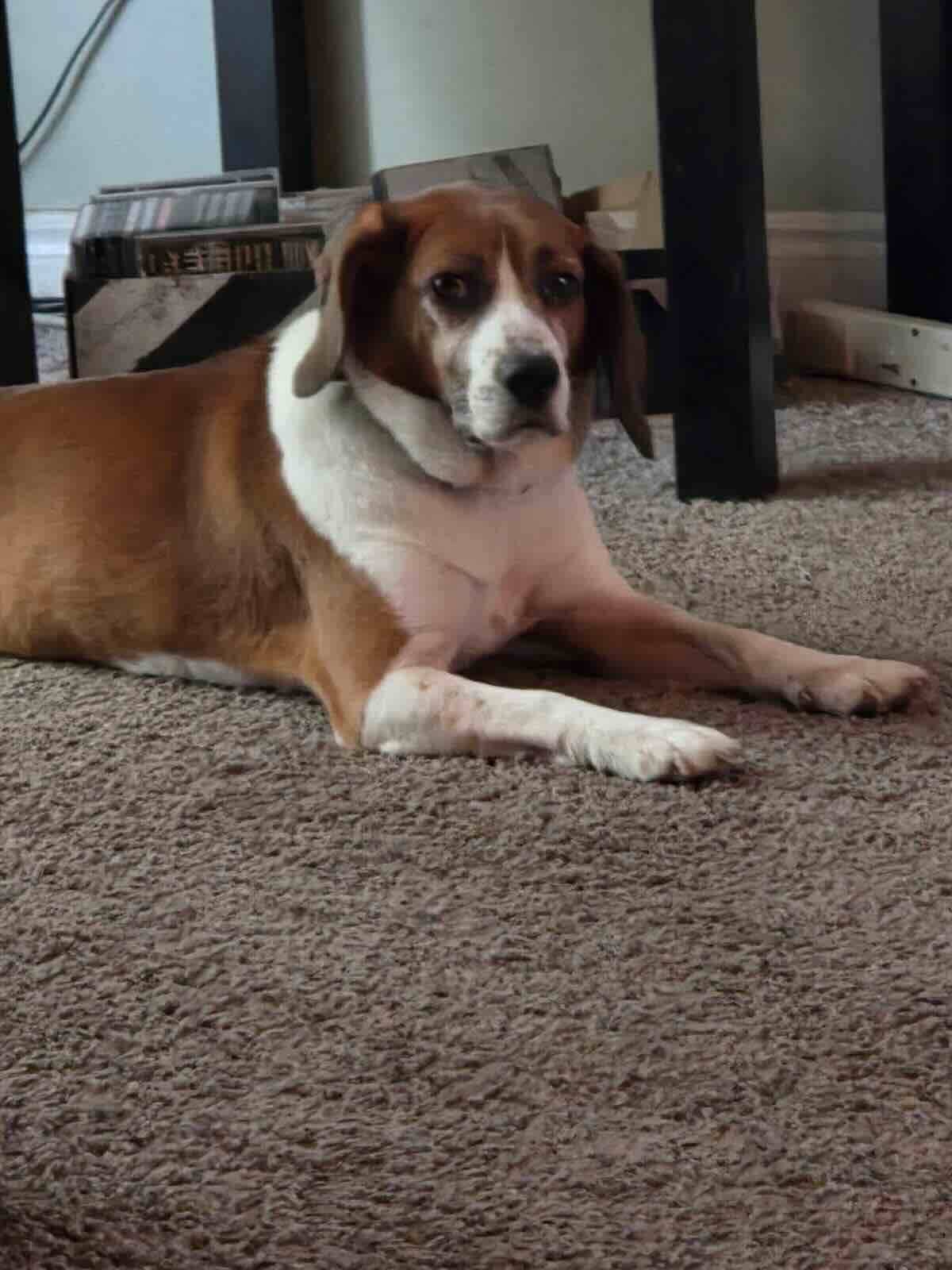
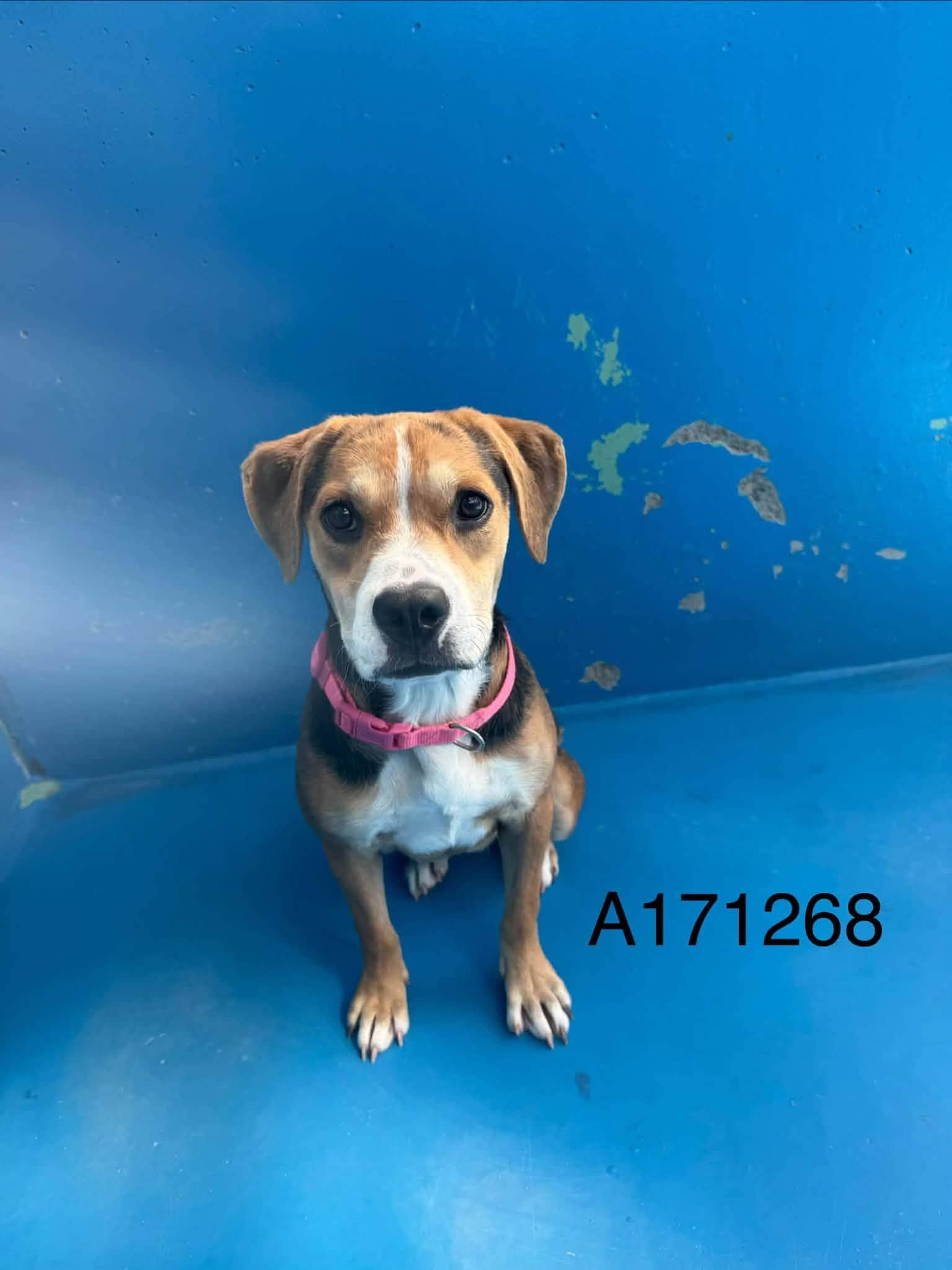
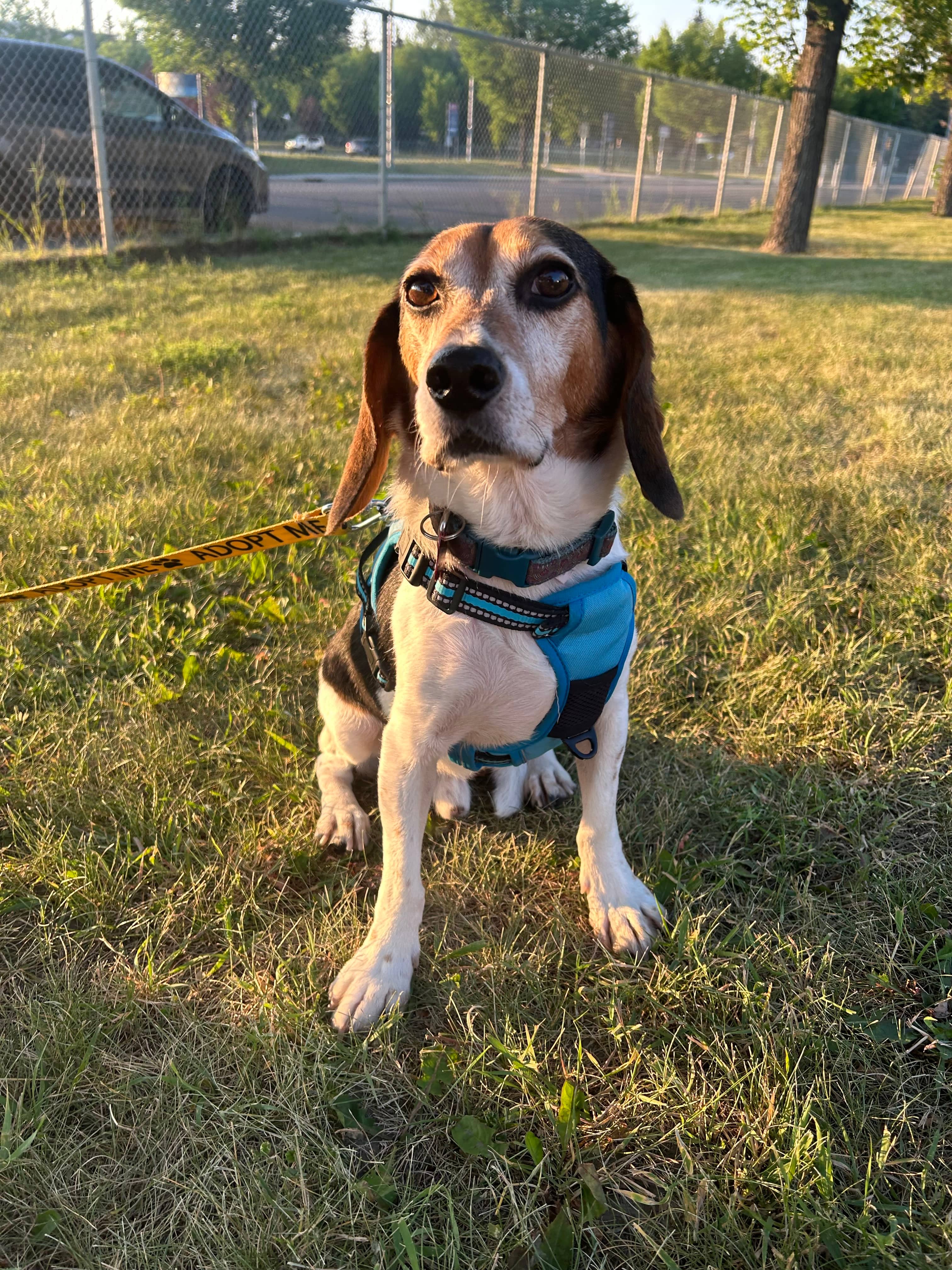
Get notified when a Beagle is listed
We will email you the moment a Beagle becomes available in Alberta, from a rescue or an owner rehoming.
Might also be a match
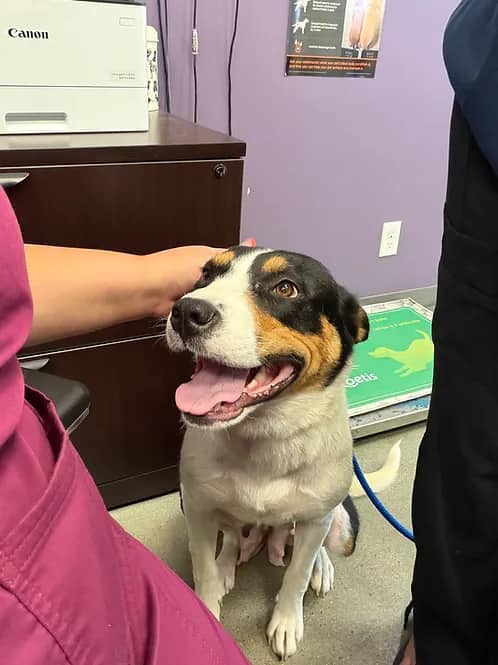
This dog looks like Beagle in Alberta, but its shelter hasn’t listed a breed — so it is recorded simply as a mixed breed. We spotted the resemblance from its photo.
It's a guess from a picture, not a DNA test, so treat it as a starting point. Most rescue dogs are mixes, and the shelter is the best source on any individual dog.
Adopting a Beagle in Alberta
Beagles come through Alberta rescue regularly, often as owner surrenders rather than strays. Calgary Humane Society, Edmonton Humane Society, AARCS, SCARS, and the smaller rescues we work with see Beagles and Beagle crosses through the year. They are a popular family breed, friendly and compact, and the gap between the breed's easygoing reputation and the reality of living with a scent hound is where rescue Beagles come from.
This page pulls every adoptable Beagle from the launched Alberta shelters into one searchable place, refreshed regularly. Searching province-wide widens your options. A Beagle in Edmonton or Red Deer is worth the drive, and most rescues will arrange a meet at the foster home regardless of where you live.
Why Beagles cycle through Alberta rescue
A Beagle in rescue is almost always there because of its nose. The breed was developed to follow a scent trail for hours, in a pack, ignoring everything else. That instinct does not switch off in a family home. A Beagle on a scent will not hear you call, will not come back, and will happily leave the yard to follow it. Owners read this as the dog being disobedient. It is the dog being a Beagle.
The other half of the story is the voice. Beagles bay, a loud, carrying howl bred into them so hunters could track the pack. In a house, on an acreage, or especially in a condo, that voice causes problems with neighbours. Add a stubborn streak in training and a strong food drive, and the easygoing family dog people expected turns out to need more management than they planned for. The dogs themselves are wonderful. The expectations were wrong.
The scent hound reality
Understanding the scent hound is the whole job of adopting a Beagle well. A Beagle's nose is not a quirk, it is the organizing fact of the dog. It means a few practical things every adopter should plan for. Recall is unreliable, sometimes completely so, when a scent is involved, which means a Beagle should be on leash or in a genuinely secure fenced yard, not loose on an unfenced Alberta trail. Beagles are also escape artists, driven by the nose to dig under and squeeze through fencing that would hold most dogs.
None of this makes the Beagle a difficult dog. It makes it a dog that needs the right setup. A securely fenced yard, leashed walks with time allowed for sniffing, scent games and food puzzles that channel the nose into something constructive, and patient, food-motivated training. Beagles are bright and trainable when the reward is right. They were simply never bred to prioritize your instructions over an interesting smell, and a good adopter works with that rather than against it.
Health concerns worth asking the foster about
Beagles are a fairly healthy, sturdy breed, which is part of their appeal. The concerns are mostly manageable ones. Obesity is the big one, because Beagles are powerfully food-driven and will eat well past what they need, and extra weight strains the back and joints. The breed also sees ear infections, because the long drop ears trap moisture, along with intervertebral disc disease, hypothyroidism, epilepsy in some lines, and eye conditions including glaucoma and cherry eye. A foster who has lived with the dog for weeks knows its weight, its ears, and how it moves. Ask directly, and plan to manage the food bowl closely.
What Beagles are actually like to live with
The Beagle is friendly, sturdy, cheerful, and genuinely good with children and other dogs. It is an easy dog to love. The harder parts are practical:
- Ruled by the nose. A Beagle on a scent does not hear you. Leash and secure fencing are not optional.
- Escape artists. The nose drives Beagles to dig under and push through fencing.
- Vocal. Beagles bay, and the sound carries. Condo and close-neighbour living needs real thought.
- Food-obsessed. Beagles will counter-surf, raid the garbage, and overeat. Manage the food and the weight.
- Stubborn in training. Bright but not biddable. Food-motivated, patient training works best.
- Need real exercise. Beagles are active hounds, not lap dogs, and a bored Beagle is a loud, destructive one.
- Pack animals. Beagles are sociable and often happiest with company, human or canine, not alone all day.
What the fee usually covers
Beagle adoption fees at Alberta rescues sit in the same range as other small-to-medium rescue dogs in the province. The fee covers the medical work the rescue already paid for: spay or neuter, core vaccinations, microchip, deworming, and a vet check before placement. Confirm the exact number on the dog's own listing, because it varies with age and any special medical care.
How to actually search
Use the filters above to narrow by energy level (Beagles are medium to high), size (small to medium), age, compatibility, and shelter. Think honestly about your fencing and whether you can live with a vocal dog before you apply. If a dog fits, apply the same day. Foster homes are usually willing to set up a video call before you drive across the province for an in-person meet.
Prefer a city-specific view? Browse our deeper Calgary Beagle cluster, or the dog listings in Edmonton, Red Deer, and Grande Prairie. The broader hub is Dog Adoption Alberta.
The rescues that most often list Beagles across the province are SCARS, AARCS, Calgary Humane Society, and Edmonton Humane Society. For breed-specific background, the Canadian Kennel Club is a useful reference.
Beagle Adoption FAQ — Alberta
Tap a question to expand
How many Beagles are available for adoption in Alberta?▼
What are the two Beagle sizes and colours, and is a pocket Beagle real?▼
Where can I find Beagle adoption near me in Alberta?▼
Can Beagles be let off leash?▼
Do Beagles bark and howl a lot?▼
Why do Beagles end up in Alberta rescue?▼
Are Beagles good with kids?▼
How much does it cost to adopt a Beagle in Alberta?▼
Is LocalPetFinder a Beagle rescue?▼
Are these Beagles for sale in Alberta?▼
Where can I buy a Beagle in Alberta, and should I?▼
Are there free Beagles in Alberta, or beagles under $500?▼
Are there Beagle puppies in Alberta, or only adults?▼
Where can I find a Beagle near me in Alberta?▼
Need to rehome a Beagle?
If you can no longer keep your Beagle, you can list them for free on LocalPetFinder. Your dog stays in your home until you find the right family, you screen who applies, and there is no surrender fee. Not sure yet? Our guide to surrendering a dog in Canada walks through every option first.
List your dog for free →Beagle adoption by Alberta city
Alberta rescues transport between cities and several operate province-wide, so it is worth checking Beagles elsewhere in the province before you give up on a match.