




Get notified when a Blue Heeler is listed
We will email you the moment a Blue Heeler becomes available in Alberta, from a rescue or an owner rehoming.
Adopting a Blue Heeler in Alberta
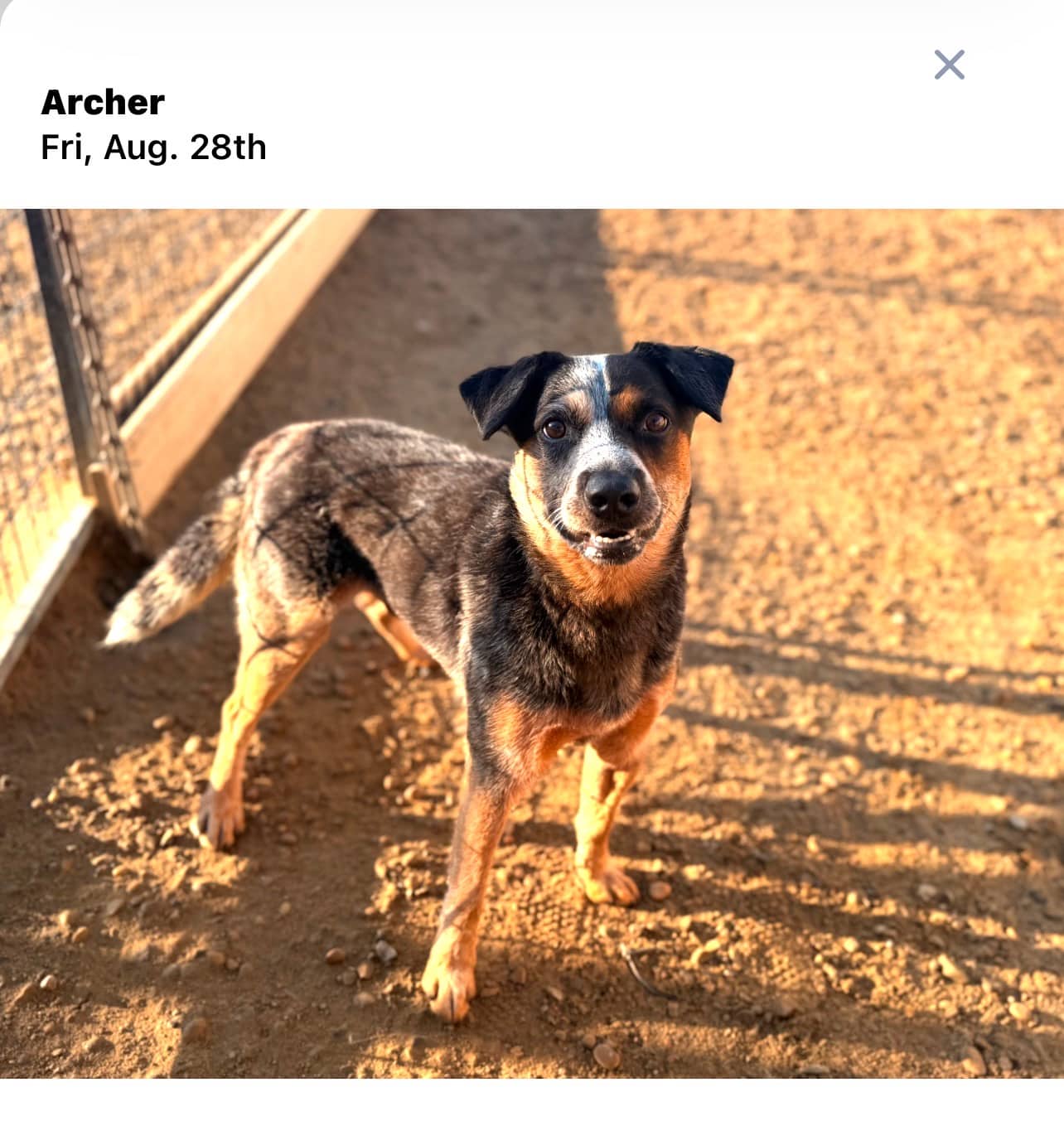
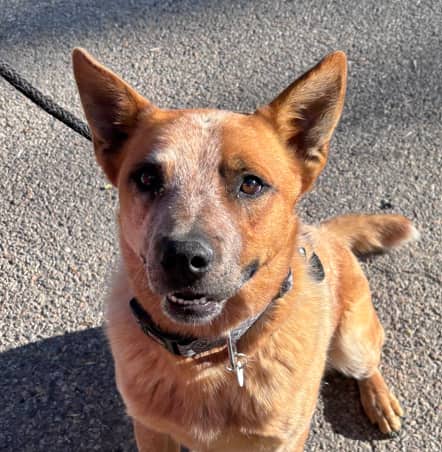
Blue Heelers are a familiar sight across rural Alberta, and heeler crosses are one of the most common dogs in the province's rescue system. Calgary Humane Society, Edmonton Humane Society, AARCS, SCARS, and the smaller rescues all see Australian Cattle Dogs and heeler mixes regularly, many of them coming through rural and northern intake. The breed is built for work, and a lot of Alberta homes take one on without a job to give it.
This page pulls every adoptable Blue Heeler and cattle dog cross from the launched Alberta shelters into one searchable place, refreshed regularly. Searching province-wide matters, especially for a breed that comes through rural intake as often as this one. A heeler in Edmonton or Red Deer is worth the drive, and most rescues will arrange a meet at the foster home regardless of where you live.
Why Blue Heelers cycle through Alberta rescue
Two things send Blue Heelers into Alberta rescue. The first is the mismatch between what the breed is and where it ends up. The Australian Cattle Dog was bred to move stubborn cattle across long distances in hard country. That is a serious working dog. In a suburban home with a normal walk routine, that drive has nowhere to go, and the dog turns it on the household: nipping, herding, patrolling, chewing, escaping. The family calls the dog too much. The dog is simply unemployed.
The second is rural intake. Heelers and heeler crosses are common farm and acreage dogs across Alberta, and unplanned litters and surplus pups from rural areas come into rescue through the transfer programs that SCARS and AARCS run. The typical rescue heeler is a sound, smart, hardy dog. It just needs an adopter who understands it is a working breed.
A working breed that needs a job
The Blue Heeler is one of the most driven breeds you can adopt, and the single most important thing for an adopter to understand is that exercise alone does not satisfy it. A heeler needs a job. That can be dog sport, advanced training, agility, scent work, a structured role on an acreage, or a committed owner who trains and works the dog daily. Without it, the heeler's intelligence and drive turn into problems, and they are persistent problems, because this is a tenacious breed.
The herding style matters too. Cattle dogs herd by nipping heels, which is exactly what the name describes. A heeler will try to move children, other pets, cyclists, and joggers the same way it would move cattle, with a nip to the back of the leg. Training redirects it, and many heelers live well with kids, but an adopter has to know the instinct is there and plan for it. Heelers are also famously loyal and a little reserved with strangers. They bond hard to their person and their household, and they are happiest with a job and their people, in that order.
Health concerns worth asking the foster about
Blue Heelers are a genuinely hardy breed, one of the tougher dogs in rescue, but there are a few specific concerns. Congenital deafness occurs in the breed and is linked to the genetics behind the speckled coat. A heeler can be deaf in one ear or both, and a deaf dog can still be a great companion for an adopter who understands it. The breed also sees progressive retinal atrophy and other eye conditions, along with hip and elbow dysplasia. A foster who has lived with the dog for weeks knows whether it hears, sees, and moves normally. Ask them directly.
What Blue Heelers are actually like to live with
The Blue Heeler is a brilliant, hardy, intensely loyal dog, and on an acreage or with a committed working owner it is hard to beat. The harder parts are why heelers fill rescue kennels:
- Need a job, not just a walk. A heeler without real work invents work, and the work it invents is destructive.
- Heeling instinct. Cattle dogs nip at heels to move things, and children, pets, and cyclists can all trigger it.
- Tenacious and stubborn. A heeler does not give up easily, on anything. That is a strength at work and a challenge at home.
- Reserved with strangers. Most heelers bond hard to their household and are watchful with new people.
- High energy and high stamina. This is a dog built to run all day. Plan accordingly.
- Weather-hardy. The coat handles Alberta cold and heat well, one reason the breed suits rural property here.
- Best with experience. First-time owners can do well with a heeler, but only if they go in committed to the training and the work.
What the fee usually covers
Blue Heeler adoption fees at Alberta rescues sit in the same range as other medium rescue dogs in the province. The fee covers the medical work the rescue already paid for: spay or neuter, core vaccinations, microchip, deworming, and a vet check before placement. Confirm the exact number on the dog's own listing, because it varies with age and any special medical care.
How to actually search
Use the filters above to narrow by energy level (heelers are high, often very high), size (medium), age, compatibility (especially around small children, because of the heeling instinct), and shelter. Be honest with yourself about whether you can give the dog a real job. If a dog fits, apply the same day. Foster homes are usually willing to set up a video call before you drive across the province for an in-person meet.
Prefer a city-specific view? Browse our deeper Calgary Blue Heeler cluster, or the dog listings in Edmonton, Red Deer, and Grande Prairie. The broader hub is Dog Adoption Alberta.
The rescues that most often list Blue Heelers across the province are SCARS, AARCS, Calgary Humane Society, and Edmonton Humane Society. For breed-specific background, the Canadian Kennel Club is a useful reference.
Blue Heeler Adoption FAQ — Alberta
Tap a question to expand
How many Blue Heelers are available for adoption in Alberta?▼
Where can I find Blue Heeler adoption near me in Alberta?▼
Do Blue Heelers really need a job, or is exercise enough?▼
Are Blue Heelers good family dogs?▼
Why are so many Blue Heelers in Alberta rescue?▼
How much does it cost to adopt a Blue Heeler in Alberta?▼
Can I adopt a Blue Heeler from Edmonton or Red Deer if I live in Calgary?▼
Is LocalPetFinder a Blue Heeler rescue?▼
Are these Blue Heelers for sale in Alberta?▼
Where can I buy a Blue Heeler in Alberta, and should I?▼
Are there free Blue Heelers in Alberta, or blue heelers under $500?▼
Are there Blue Heeler puppies in Alberta, or only adults?▼
Where can I find a Blue Heeler near me in Alberta?▼
Need to rehome a Blue Heeler?
If you can no longer keep your Blue Heeler, you can list them for free on LocalPetFinder. Your dog stays in your home until you find the right family, you screen who applies, and there is no surrender fee. Not sure yet? Our guide to surrendering a dog in Canada walks through every option first.
List your dog for free →Blue Heeler adoption by Alberta city
Alberta rescues transport between cities and several operate province-wide, so it is worth checking Blue Heelers elsewhere in the province before you give up on a match.