Showing 6 dogs

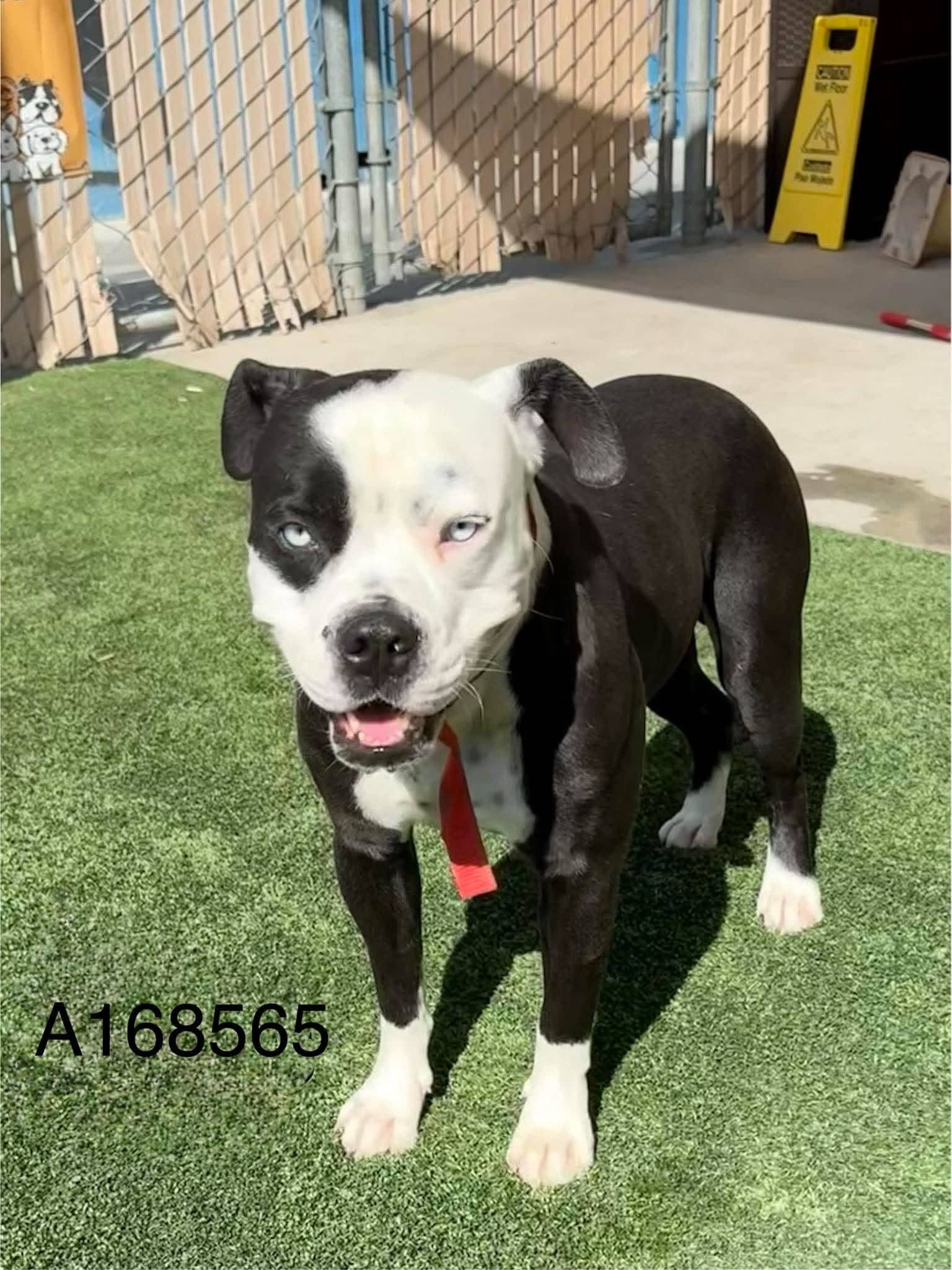
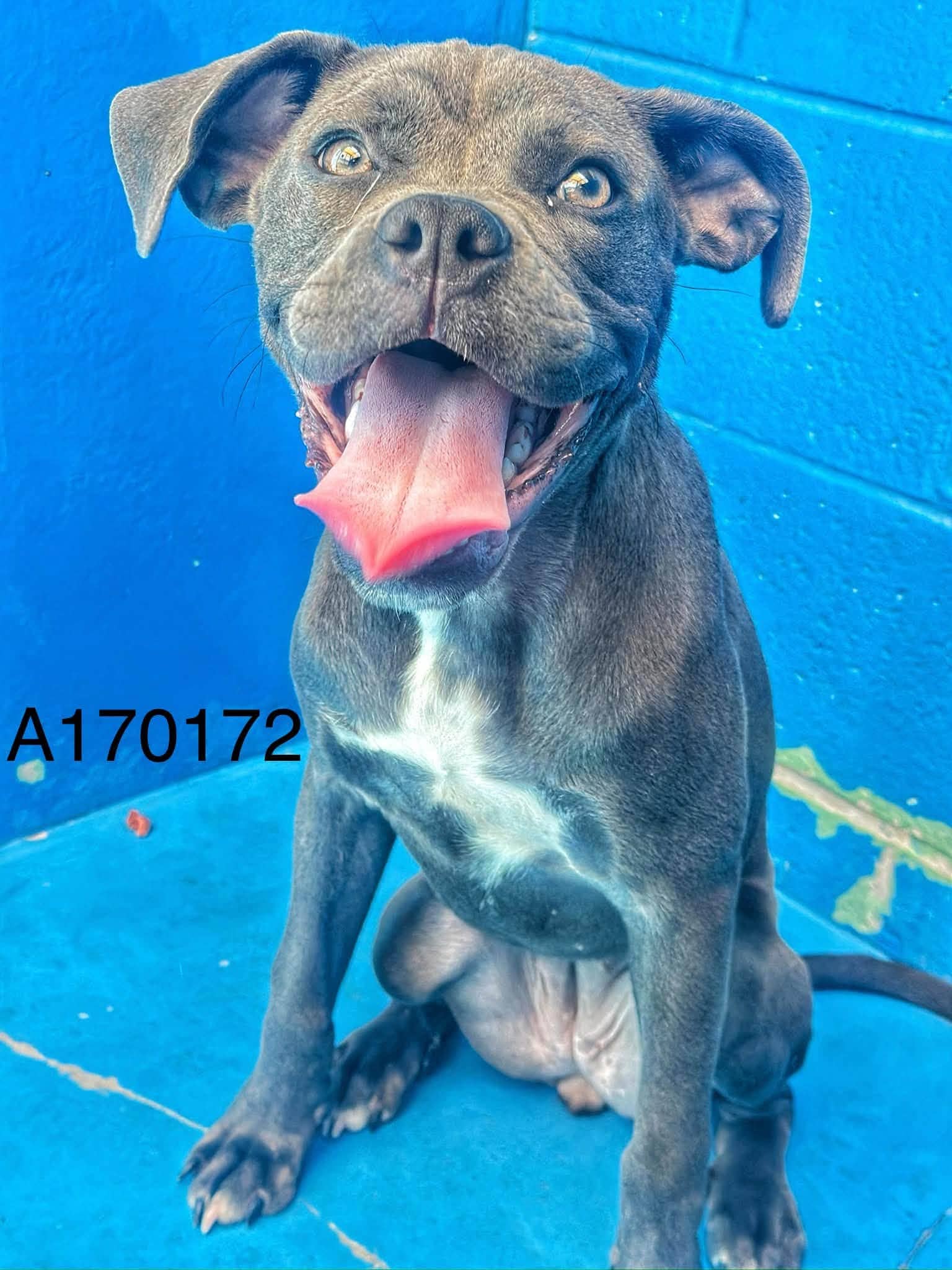

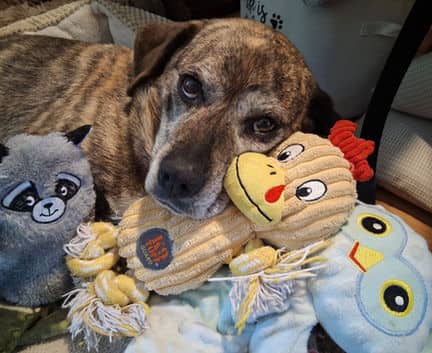
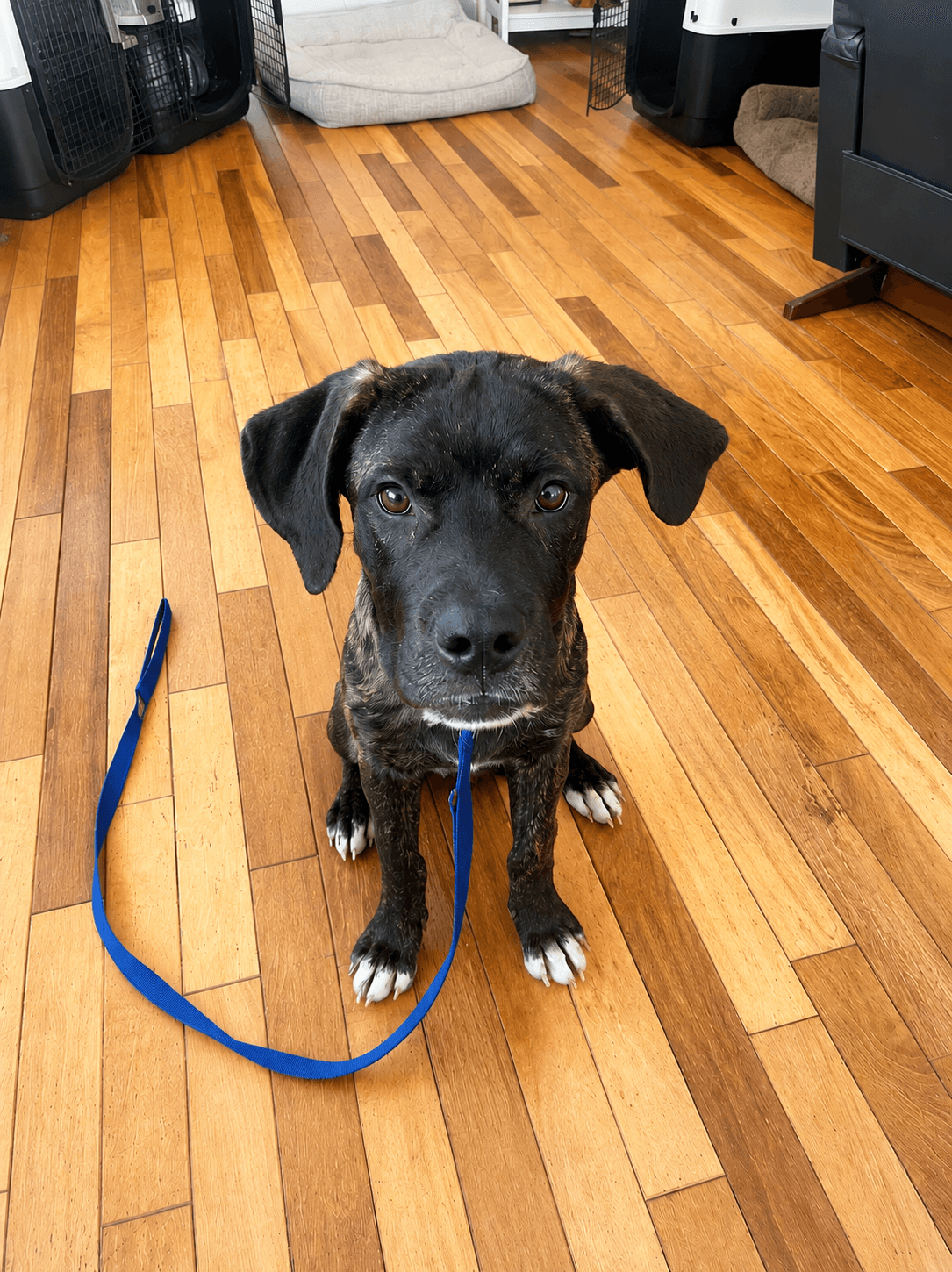
Get notified when a Boxer is listed
We will email you the moment a Boxer becomes available in Alberta, from a rescue or an owner rehoming.
Might also be a match
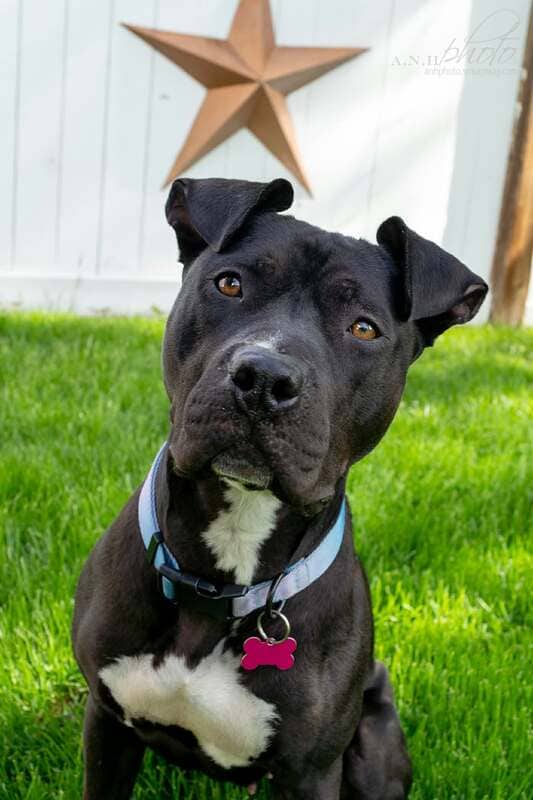
These 4 dogs look like Boxer in Alberta, but their shelter hasn’t listed a breed — so they are recorded simply as a mixed breed. We spotted the resemblance from their photo.
It's a guess from a picture, not a DNA test, so treat it as a starting point. Most rescue dogs are mixes, and the shelter is the best source on any individual dog.



Adopting a Boxer in Alberta
Boxers come through Alberta rescue regularly, and they are one of the breeds adopters most often misjudge. Calgary Humane Society, Edmonton Humane Society, AARCS, SCARS, and the smaller rescues we work with see Boxers and Boxer crosses through the year. They are a common family breed in the province, which is exactly why they also turn up in rescue.
This page pulls every adoptable Boxer from the launched Alberta shelters into one searchable place, refreshed regularly. Searching province-wide widens your options. A Boxer in Edmonton or Red Deer is worth the drive, and most rescues will arrange a meet at the foster home regardless of where you live.
Why Boxers cycle through Alberta rescue
The Boxer that ends up in rescue is almost always there because of one assumption: that the breed is an easy, low-key family dog. It is not. A Boxer is a high-energy working breed with one of the longest adolescences of any dog. Adopters bring home what they think will be a calm companion and meet a powerful, bouncing, mouthy dog that needs real daily exercise. Some families adjust. Some surrender between one and two years old.
The breed is also bred heavily for the pet market, including by backyard operations, which means unplanned litters and retired breeding dogs add to the rescue population. The typical rescue Boxer is not a difficult dog. It is a normal Boxer that landed in a home expecting something calmer.
Boxers stay puppies for years
The defining thing to understand about the breed is that a Boxer does not grow up on the usual schedule. Most dogs settle out of adolescence somewhere around eighteen months. A Boxer stays mentally and physically puppyish until close to three years old. That means roughly three years of high energy, jumping, mouthing, and the famous Boxer habit of bouncing straight up on stiff front legs when excited.
For an adopter, this changes the math. A two-year-old Boxer is not a settled adult dog. It is a teenager in a strong adult body. That is not a problem if you plan for it: daily vigorous exercise, training that runs through the whole adolescence, and patience. It is a serious problem if you expected a calm dog at the one-year mark. Ask the foster where the specific dog is in that arc, because a rescue Boxer past three is a genuinely different animal from a rescue Boxer at fourteen months.
Health concerns worth asking the foster about
Boxers have well-documented health concerns, and adopters should know them. The breed has a high lifetime cancer rate, with mast cell tumours, lymphoma, and brain tumours seen most often. Boxers also have a breed-specific heart disease, an arrhythmia condition often called Boxer cardiomyopathy, along with aortic stenosis. Add hip dysplasia and degenerative myelopathy, a late-life spinal condition. The breed's short muzzle also gives it some heat sensitivity. A foster who has lived with the dog for weeks knows how it moves, breathes, and handles exertion. Ask directly, and budget for pet insurance taken out while the dog is young.
What Boxers are actually like to live with
The Boxer temperament is genuinely loving. They are playful, devoted, comically expressive, and usually good with children when raised with them. The harder parts are practical:
- Very high energy, for years. Plan on an hour or more of vigorous activity a day through the long adolescence.
- Bouncy and physical. The Boxer bounce is real, and an excited Boxer can knock over a child or an older adult without meaning to.
- Mouthy. Boxers explore and play with their mouths, and young Boxers need consistent outlets and training.
- Heat and cold sensitive. The short muzzle limits cooling and the short coat gives little insulation, so Boxers are indoor dogs and need care in Alberta summer heat and winter cold.
- Bonded to family. A Boxer wants to be a full member of the household, not a backyard dog.
- Not a guard dog despite the look. Most Boxers greet strangers as friends.
- Strong. Leash skills matter, because a Boxer that pulls is moving real muscle.
What the fee usually covers
Boxer adoption fees at Alberta rescues sit in the same range as other medium-to-large rescue dogs in the province. The fee covers the medical work the rescue already paid for: spay or neuter, core vaccinations, microchip, deworming, and a vet check before placement. Confirm the exact number on the dog's own listing, because it varies with age and any special medical care.
How to actually search
Use the filters above to narrow by energy level (Boxers are high, especially when young), size (medium to large), age, compatibility, and shelter. Age matters more than usual for this breed, because a Boxer past three is a calmer dog than a Boxer at fourteen months. If a dog fits, apply the same day. Foster homes are usually willing to set up a video call before you drive across the province for an in-person meet.
Prefer a city-specific view? Browse our deeper Calgary Boxer cluster, or the dog listings in Edmonton, Red Deer, and Grande Prairie. The broader hub is Dog Adoption Alberta.
The rescues that most often list Boxers across the province are SCARS, AARCS, Calgary Humane Society, and Edmonton Humane Society. For breed-specific background, the Canadian Kennel Club is a useful reference.
Boxer Adoption FAQ — Alberta
Tap a question to expand
How many Boxers are available for adoption in Alberta?▼
Where can I find Boxer adoption near me in Alberta?▼
Are Boxers calm family dogs?▼
Why do Boxers end up in Alberta rescue?▼
What health problems should I know about before adopting a Boxer?▼
Are Boxers a good fit for Alberta winters?▼
How much does it cost to adopt a Boxer in Alberta?▼
Is LocalPetFinder a Boxer rescue?▼
Are these Boxers for sale in Alberta?▼
Where can I buy a Boxer in Alberta, and should I?▼
Are there free Boxers in Alberta, or boxers under $500?▼
Are there Boxer puppies in Alberta, or only adults?▼
Where can I find a Boxer near me in Alberta?▼
Need to rehome a Boxer?
If you can no longer keep your Boxer, you can list them for free on LocalPetFinder. Your dog stays in your home until you find the right family, you screen who applies, and there is no surrender fee. Not sure yet? Our guide to surrendering a dog in Canada walks through every option first.
List your dog for free →Boxer adoption by Alberta city
Alberta rescues transport between cities and several operate province-wide, so it is worth checking Boxers elsewhere in the province before you give up on a match.