Showing 12 dogs
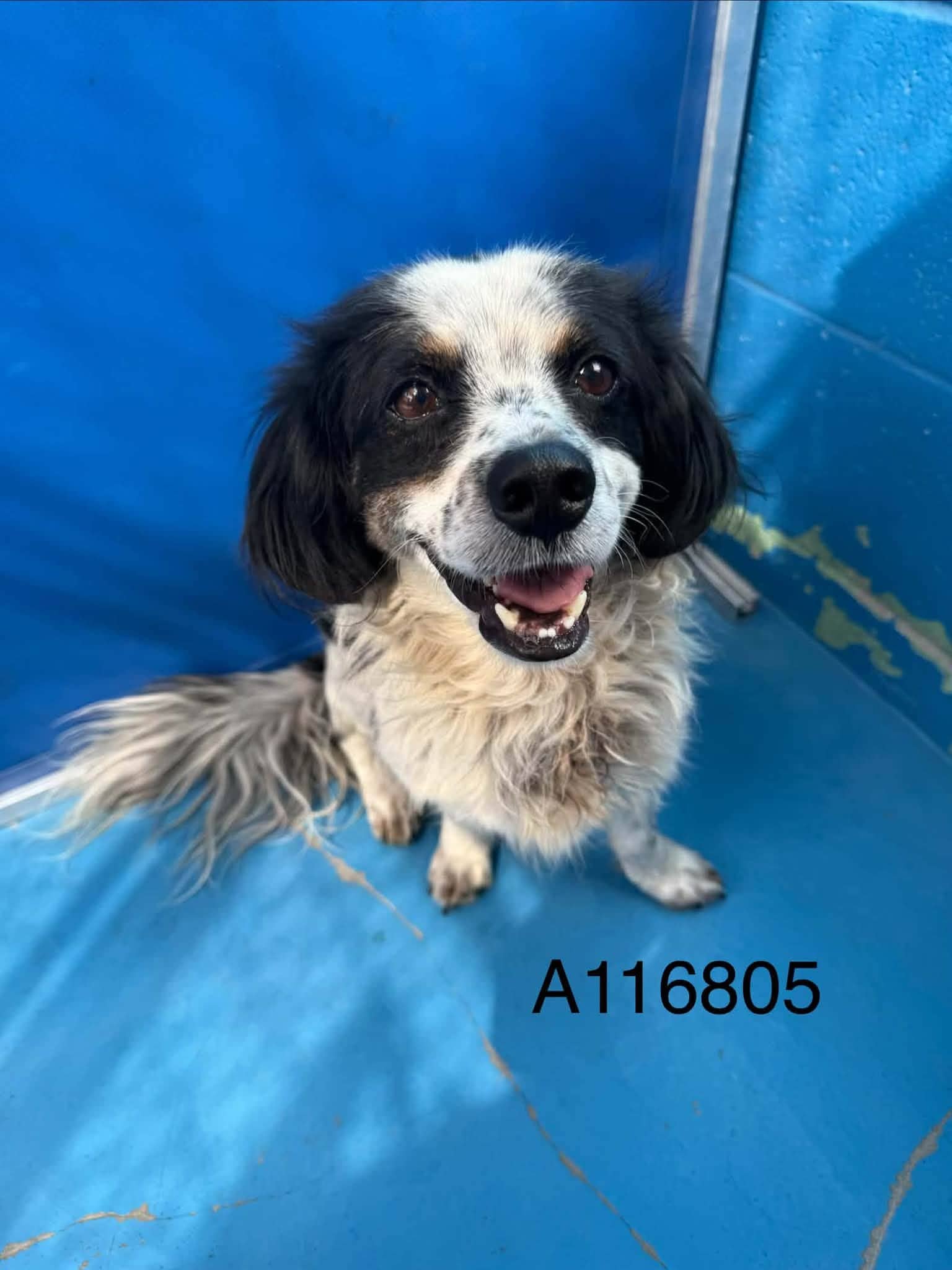
Get notified when a Dachshund is listed
We will email you the moment a Dachshund becomes available in Alberta, from a rescue or an owner rehoming.
Adopting a Dachshund in Alberta
Dachshunds come through Alberta rescue regularly, in all three coat types and a wide range of crosses. Calgary Humane Society, Edmonton Humane Society, AARCS, SCARS, and the smaller rescues we work with see Dachshunds and Dachshund crosses through the year. The breed is a long-standing favourite, and its popularity, along with one specific health issue, is what brings dogs into rescue.
This page pulls every adoptable Dachshund from the launched Alberta shelters into one searchable place, refreshed regularly. Searching province-wide widens your options. A Dachshund in Edmonton or Red Deer is worth the drive, and most rescues will arrange a meet at the foster home regardless of where you live.
Why Dachshunds cycle through Alberta rescue
Two things send Dachshunds into Alberta rescue more than any others. The first is the back. The Dachshund is the breed most affected by intervertebral disc disease, and a disc episode can be sudden, painful, and expensive, sometimes needing surgery. When a household is not prepared for that cost or that care, the dog can end up surrendered. The second is house-training. Dachshunds are intelligent but stubborn, and they are genuinely one of the harder breeds to house-train, so owners who expected an easy small dog give up.
The breed is also bred heavily for the pet market, which adds unplanned litters and retired breeding dogs to the rescue population. The typical rescue Dachshund is a sound, characterful little dog whose owner underestimated either the back or the stubbornness, or both.
Protecting the back
The single most important thing an adopter can learn about this breed is how to protect its back. The Dachshund's long spine and short legs, the look that defines the breed, also make it far more prone than any other dog to intervertebral disc disease, where a spinal disc bulges or ruptures and presses on the spinal cord. A large share of Dachshunds will have a disc episode at some point in life. The good news is that day-to-day management genuinely lowers the risk.
That management is simple and worth building into the household from day one. Keep the dog lean, because extra weight is direct strain on the spine. Discourage jumping on and off furniture, and use ramps or steps for the couch and the bed. Support the body properly when lifting, with one hand under the chest and one under the hindquarters, never letting the dog dangle. Avoid stairs where you can. None of this is difficult, and a Dachshund managed this way can live a long, active life. An adopter who knows the rules before the dog arrives is giving it the best protection there is. If a rescue Dachshund has a history of back trouble, the foster will tell you, and that dog simply needs an adopter committed to careful management.
Health concerns worth asking the foster about
Beyond the back, Dachshunds have a manageable health profile. Obesity is the concern that ties to everything else, because extra weight worsens the spinal risk, so portion control matters. The breed also sees patellar luxation, dental disease common to small breeds, and eye conditions including progressive retinal atrophy. One thing to be aware of is the double dapple coat pattern: breeding two dapple Dachshunds together, which some backyard breeders do for the look, can produce puppies with serious eye and hearing defects. A foster who has lived with the dog knows its weight, its movement, and its history. Ask directly.
What Dachshunds are actually like to live with
The Dachshund is a bold, funny, devoted little dog with the heart of a hound and a personality all its own. The things to plan for:
- Protect the back. No jumping on and off furniture, ramps for height, careful lifting, and a lean weight. Build the habits from day one.
- House-training takes real commitment. Dachshunds are among the harder breeds at this. A consistent routine and patience are essential.
- Stubborn. The Dachshund is a hound, bred to work independently. Training works with patience and food, not force.
- Vocal. Dachshunds have a surprisingly big bark and use it. They make alert little watchdogs.
- Diggers and hunters. Bred to go to ground after badgers, many Dachshunds love to dig and follow scent.
- Cold-sensitive and low to the ground. Smooth-coated Dachshunds especially need a warm coat, and deep Alberta snow is hard going for short legs.
- Bonded and a little possessive. Dachshunds attach strongly to their people and benefit from training around resources and space.
What the fee usually covers
Dachshund adoption fees at Alberta rescues sit in the same range as other small rescue dogs in the province. The fee covers the medical work the rescue already paid for: spay or neuter, core vaccinations, microchip, deworming, and a vet check before placement. Confirm the exact number on the dog's own listing, because it varies with age and any special medical care.
How to actually search
Use the filters above to narrow by energy level, size (small), age, compatibility, and shelter. If a dog fits, apply the same day. Be ready to talk about how you will protect the dog's back, because a Dachshund rescue will want to know your home has a plan for furniture, stairs, and weight. Foster homes are usually willing to set up a video call before any drive across the province.
Prefer a city-specific view? Browse our deeper Calgary Dachshund cluster, or the dog listings in Edmonton, Red Deer, and Grande Prairie. The broader hub is Dog Adoption Alberta.
The rescues that most often list Dachshunds across the province are SCARS, AARCS, Calgary Humane Society, and Edmonton Humane Society. For breed-specific background, the Canadian Kennel Club is a useful reference.
Dachshund Adoption FAQ — Alberta
Tap a question to expand
How many Dachshunds are available for adoption in Alberta?▼
What are the Dachshund sizes and coat types, and which suits an Alberta winter?▼
Where can I find Dachshund adoption near me in Alberta?▼
How do I protect a Dachshund's back?▼
Are Dachshunds hard to house-train?▼
Why do Dachshunds end up in rescue?▼
Do Dachshunds handle Alberta winters?▼
How much does it cost to adopt a Dachshund in Alberta?▼
Is LocalPetFinder a Dachshund rescue?▼
Are these Dachshunds for sale in Alberta?▼
Where can I buy a Dachshund in Alberta, and should I?▼
Are there free Dachshunds in Alberta, or dachshunds under $500?▼
Are there Dachshund puppies in Alberta, or only adults?▼
Where can I find a Dachshund near me in Alberta?▼
Need to rehome a Dachshund?
If you can no longer keep your Dachshund, you can list them for free on LocalPetFinder. Your dog stays in your home until you find the right family, you screen who applies, and there is no surrender fee. Not sure yet? Our guide to surrendering a dog in Canada walks through every option first.
List your dog for free →Dachshund adoption by Alberta city
Alberta rescues transport between cities and several operate province-wide, so it is worth checking Dachshunds elsewhere in the province before you give up on a match.