Showing 22 dogs
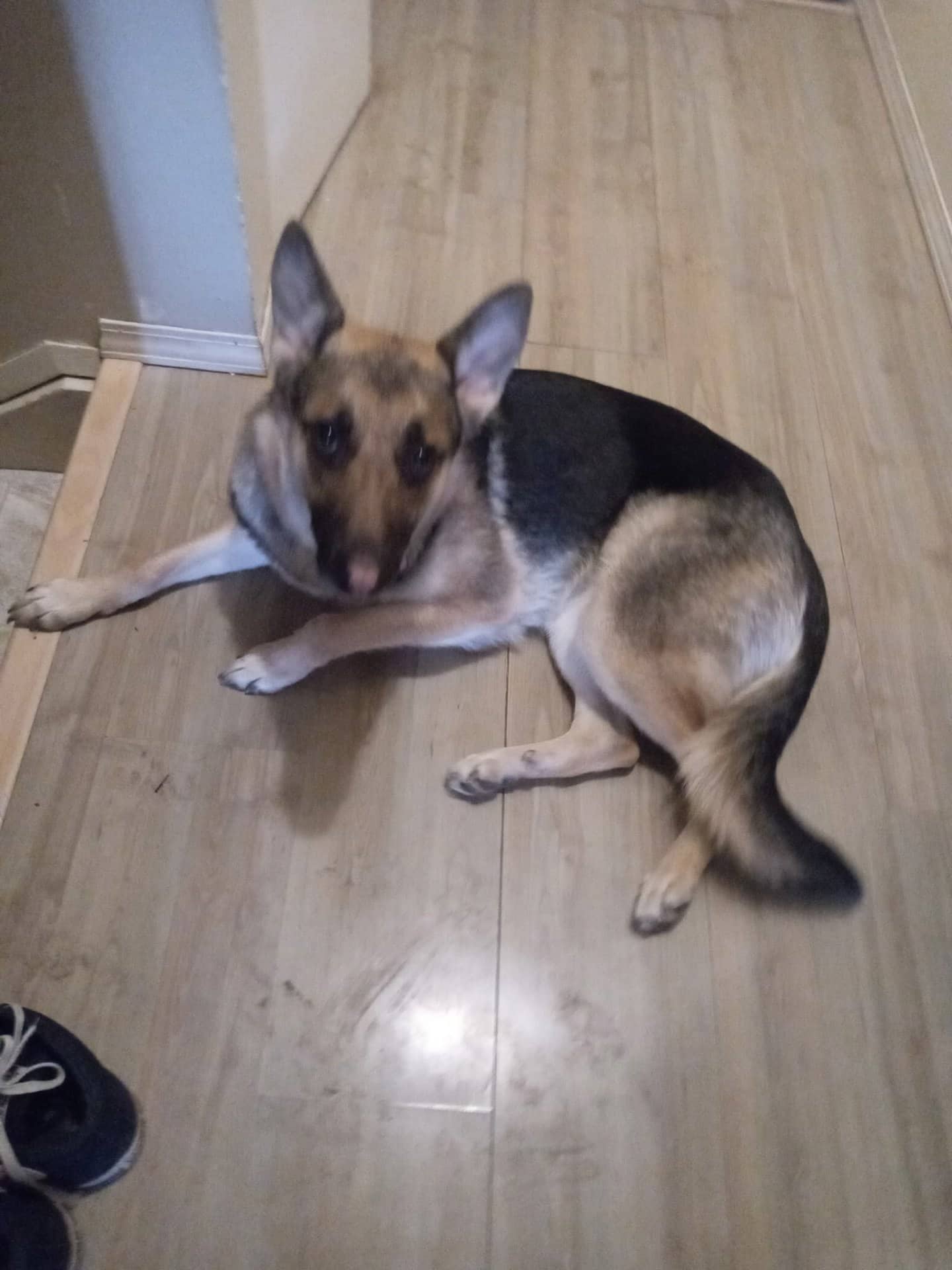
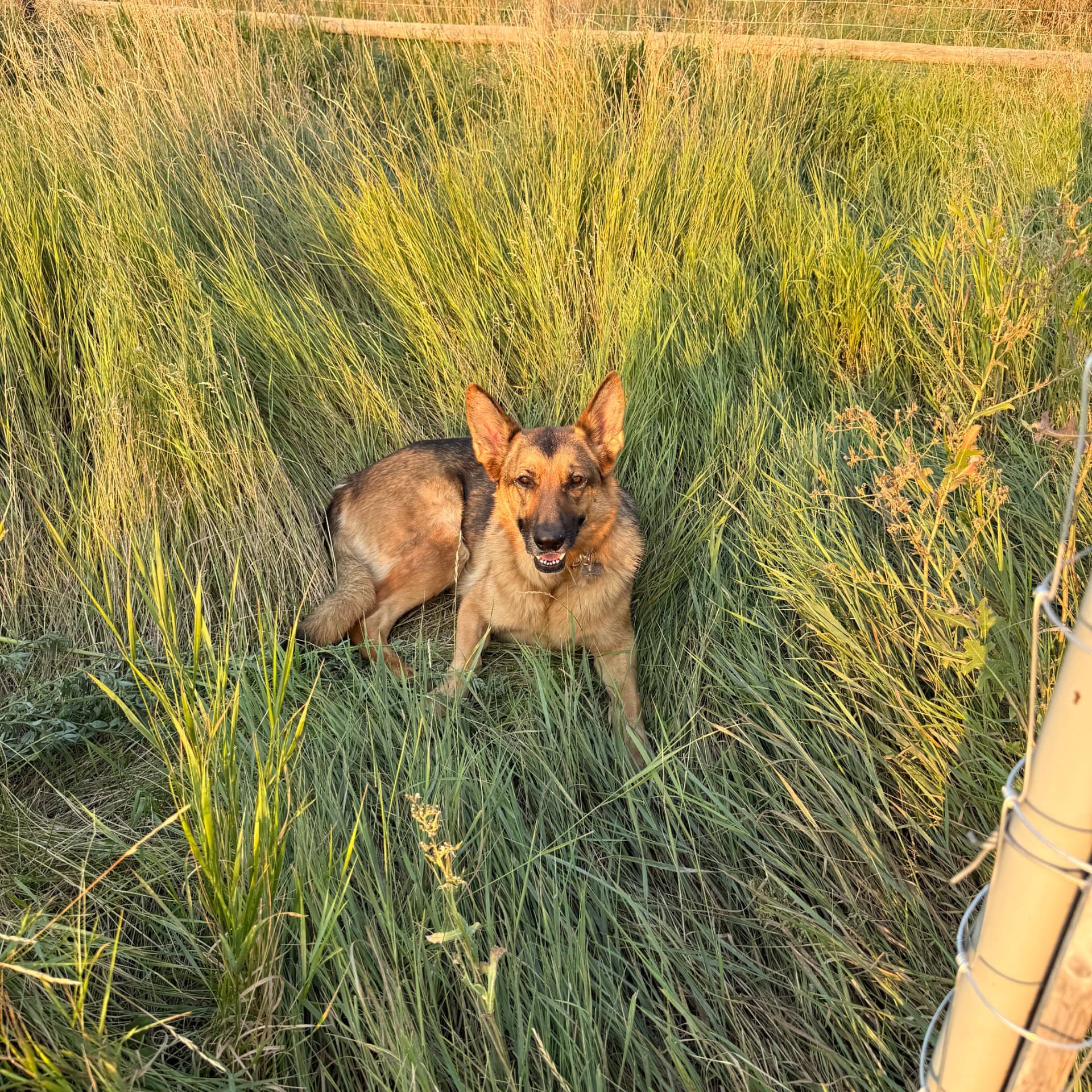
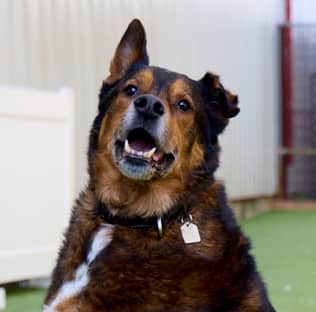
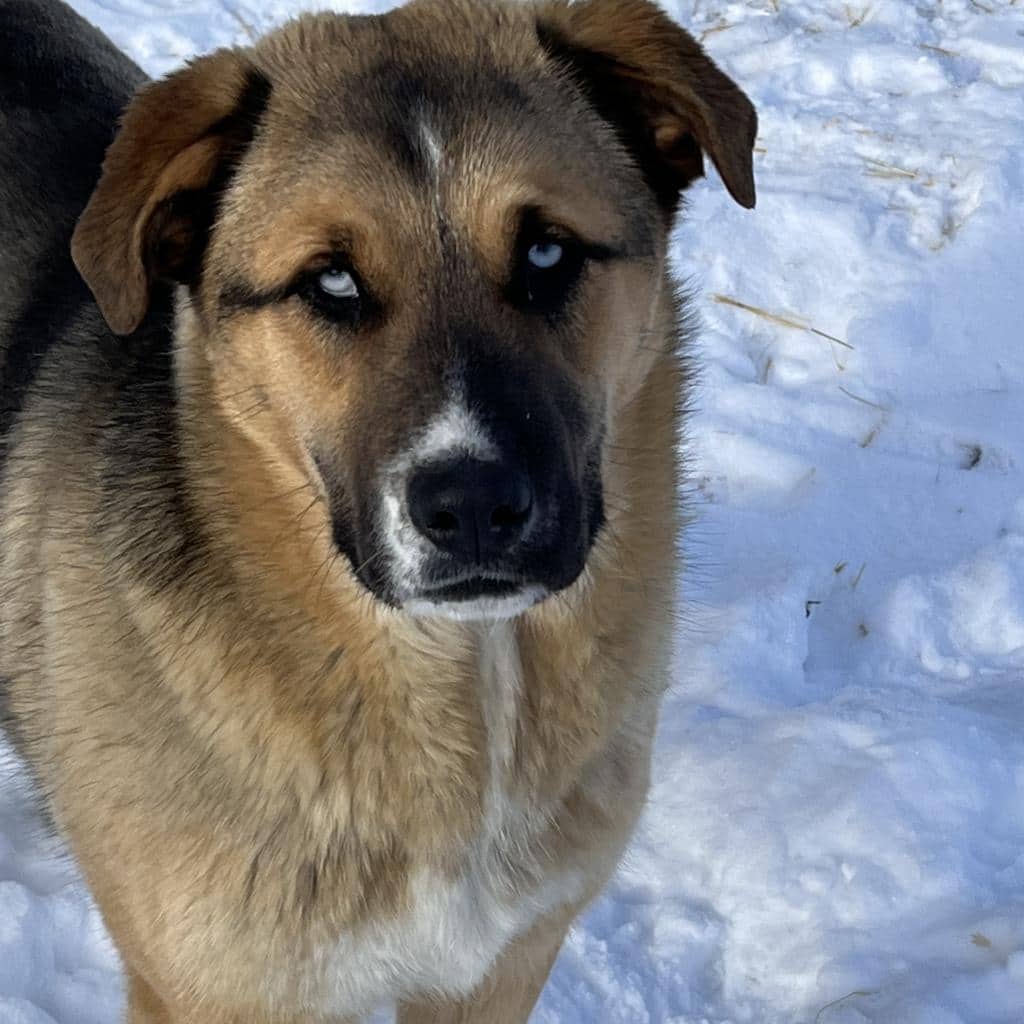
Tea
3 years • German Shepherd
Owner Rehoming
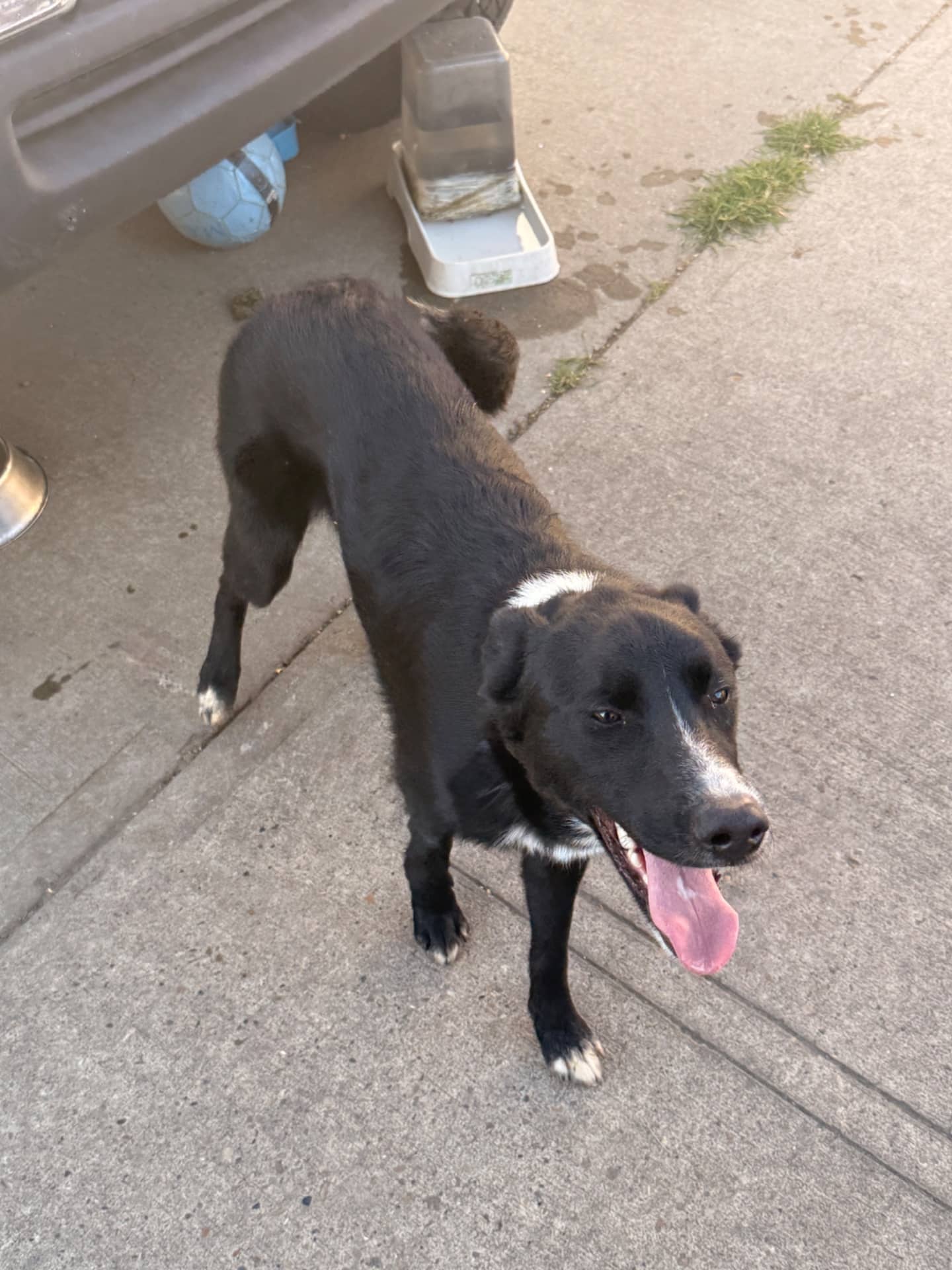

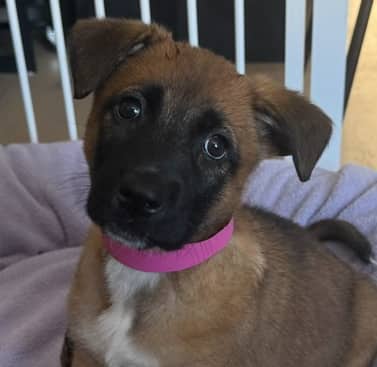
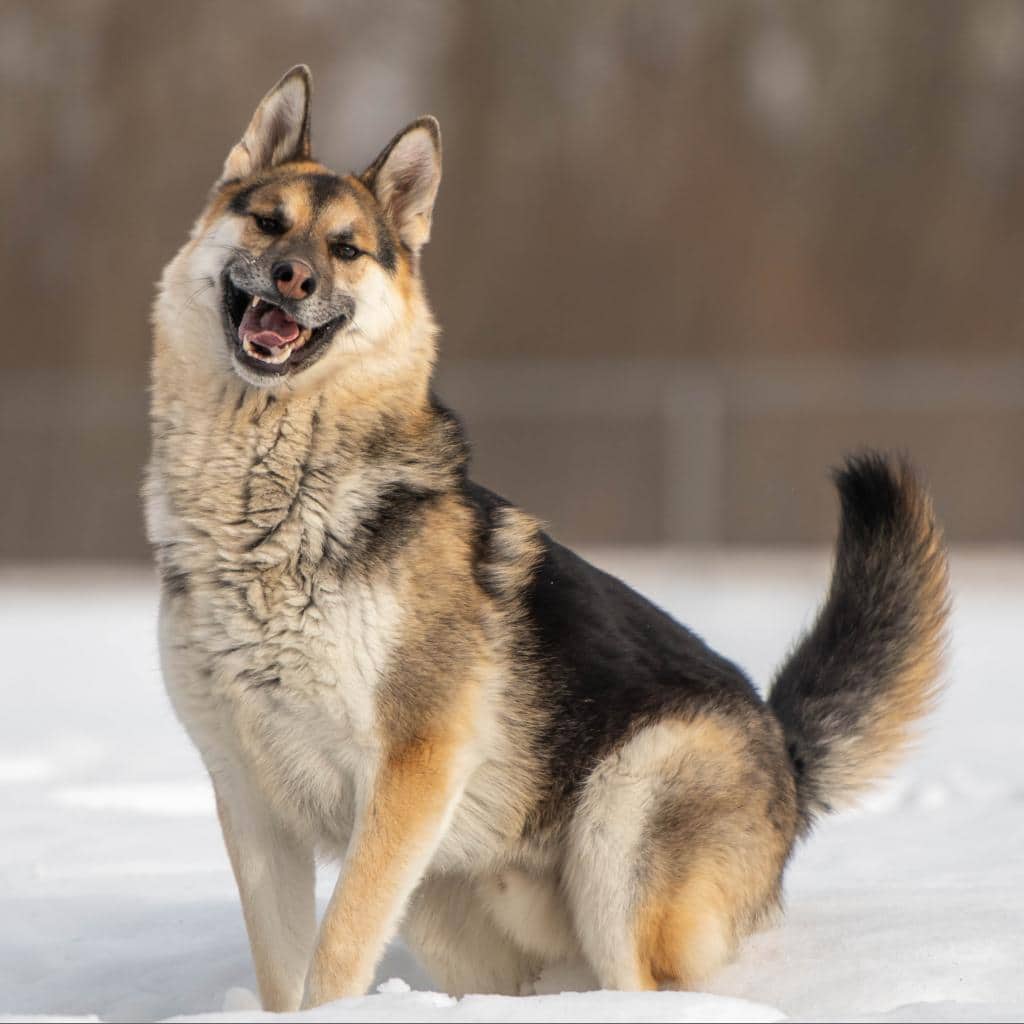
Reese
4 years • German shepherd
Owner Rehoming
Get notified when a German Shepherd is listed
We will email you the moment a German Shepherd becomes available in Alberta, from a rescue or an owner rehoming.
Might also be a match
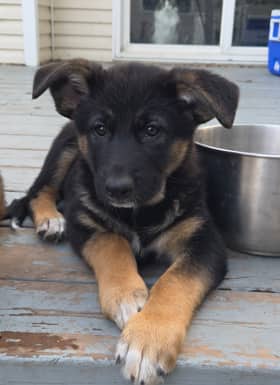
These 3 dogs look like German Shepherd in Alberta, but their shelter hasn’t listed a breed — so they are recorded simply as a mixed breed. We spotted the resemblance from their photo.
It's a guess from a picture, not a DNA test, so treat it as a starting point. Most rescue dogs are mixes, and the shelter is the best source on any individual dog.
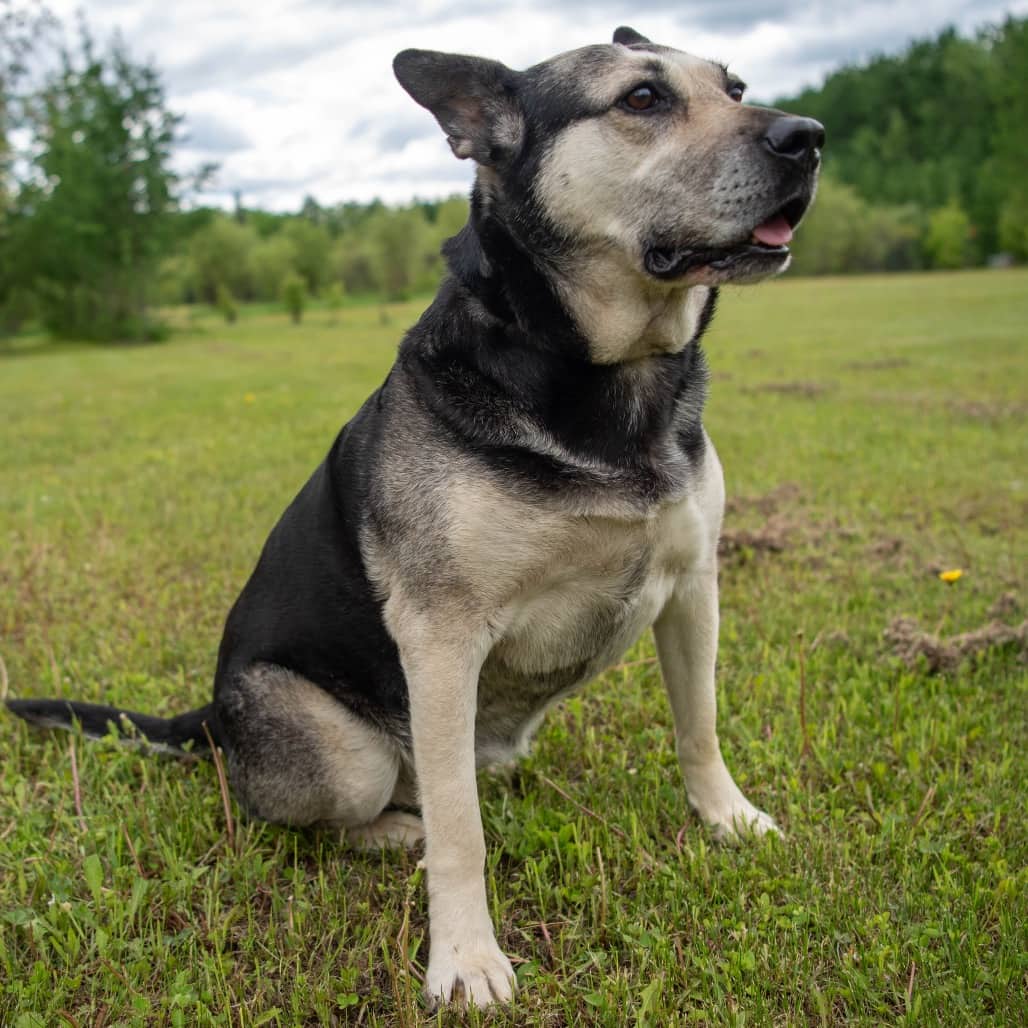
Adopting a German Shepherd in Alberta
German Shepherds are one of the most common breeds in Alberta rescue. Every launched city sees them most months of the year. Calgary Humane Society, Edmonton Humane Society, SCARS, AARCS, and the smaller rescues we work with. The story foster homes hear from surrenderers is the same one across the province. The family bought a puppy that grew into 80 lbs of unstructured drive, and the household did not have the time to put into the dog.
This page pulls every adoptable GSD from the launched Alberta shelters into one searchable place, refreshed regularly. Searching province-wide matters more for this breed than most. Calgary, Edmonton, Red Deer and Grande Prairie all carry GSDs at different times, and rescues routinely arrange meets at the foster home regardless of where you live.
Why German Shepherds cycle through Alberta rescue
Most GSD surrenders we see come from one of two situations. The first is adolescence. A German Shepherd between 8 and 18 months hits a window where drive ramps up, training holes show, and the family realises they did not actually want the dog they bought. Foster homes pick up GSDs at that age every month of the year.
The second is the working-line problem. A meaningful share of Alberta GSDs come from breeders selling Czech, DDR or West German working-line dogs to pet families that thought they were buying a companion. The dog has the genetics of a police or sport prospect, the household has the schedule of a casual walker, and the dog falls into rescue by 12 to 24 months. The dog is rarely the problem. The mismatch is.
Climate and the working dog
GSDs handle Alberta's weather well in every direction. The double coat carries them through long deep cold across Calgary, Edmonton and the Peace Country, and the coat sheds enough in spring that summer is rarely a heat problem the way it is for Huskies. A GSD will work outside in winter and rest in the shade in summer.
The harder question is mental work. Alberta winter limits outdoor activity for weeks at a time, and a GSD without daily problem-solving will find its own. Nose work, training drills, structured fetch and short obedience sessions in the kitchen all count. The breed that built a reputation in police and search and rescue work was never meant to sit on a couch for the whole month of February.
Health concerns worth asking the foster about
GSDs have well-documented health concerns that fosters should know about and answer plainly. Hip and elbow dysplasia are the most common. Exocrine pancreatic insufficiency (EPI) is breed-specific and treatable with daily enzymes. Degenerative myelopathy shows up later in life. Gastric dilatation-volvulus (bloat) is the emergency every large-breed owner should know about. Allergies and skin issues are common. A foster who has lived with the dog for weeks knows whether the dog moves smoothly, holds weight, stops to scratch, or shows any sign of digestive trouble. Ask them directly.
What German Shepherds are actually like to live with
The first meeting at the rescue is usually all confidence and calm. The harder parts of the breed only show up at home over the first few weeks, and they are why so many GSDs end up in rescue:
- Bonded to one person more than most breeds. The dog will pick a person, follow that person from room to room, and become anxious when separated.
- Stranger-aware by default. A GSD is not a Lab. Strange visitors, delivery drivers and unfamiliar dogs need careful introductions for the dog's whole life.
- Adolescent drive is real. Between 8 and 18 months expect leash pulling, reactivity around other dogs, and a phase where the recall stops working.
- Will guard the home. Most GSDs alert hard at the door. Apartment and condo neighbours notice.
- Shed continuously. The double coat blows twice a year and sheds the rest of the year. Plan to vacuum often.
- Need daily mental work. Without it the dog finds work on its own, and the work it finds is usually destructive.
What the fee usually covers
German Shepherd adoption fees at Alberta rescues sit in the same range as other large rescue dogs in the province. The fee covers the medical work the rescue already paid for: spay or neuter, core vaccinations, microchip, deworming, and a vet check before placement. Confirm the exact number on the dog's own listing, because it varies with age and any special medical care.
How to actually search
Use the filters above to narrow by energy level (GSDs are high), size (large), compatibility (which varies widely with this breed, especially around other dogs and cats), and shelter. If a dog fits, apply the same day. Well-prepared applicants get the first conversation, and Alberta GSD inventory moves quickly. Foster homes are usually willing to set up a video call before you drive across the province for an in-person meeting.
Prefer a city-specific view? Browse our deeper Calgary German Shepherd cluster, or the dog listings in Edmonton, Red Deer, and Grande Prairie. The broader hub is Dog Adoption Alberta.
The rescues that most often list German Shepherds across the province are SCARS, AARCS, Calgary Humane Society, and Edmonton Humane Society. For breed-specific background, the Canadian Kennel Club is a useful reference.
German Shepherd Adoption FAQ — Alberta
Tap a question to expand
How many German Shepherds are available for adoption in Alberta?▼
Where can I find German Shepherd adoption near me in Alberta?▼
Why are there so many German Shepherds in Alberta rescue?▼
Are German Shepherds a good fit for Alberta winters?▼
How much does it cost to adopt a German Shepherd in Alberta?▼
Can I adopt a German Shepherd from Edmonton or Red Deer if I live in Calgary?▼
Is LocalPetFinder a German Shepherd rescue?▼
Are these German Shepherds for sale in Alberta?▼
Where can I buy a German Shepherd in Alberta, and should I?▼
Are there free German Shepherds in Alberta, or german shepherds under $500?▼
Are there German Shepherd puppies in Alberta, or only adults?▼
Where can I find a German Shepherd near me in Alberta?▼
Need to rehome a German Shepherd?
If you can no longer keep your German Shepherd, you can list them for free on LocalPetFinder. Your dog stays in your home until you find the right family, you screen who applies, and there is no surrender fee. Not sure yet? Our guide to surrendering a dog in Canada walks through every option first.
List your dog for free →German Shepherd adoption by Alberta city
Alberta rescues transport between cities and several operate province-wide, so it is worth checking German Shepherds elsewhere in the province before you give up on a match.