Showing 3 dogs

Get notified when a Golden Retriever is listed
We will email you the moment a Golden Retriever becomes available in Alberta, from a rescue or an owner rehoming.
Might also be a match
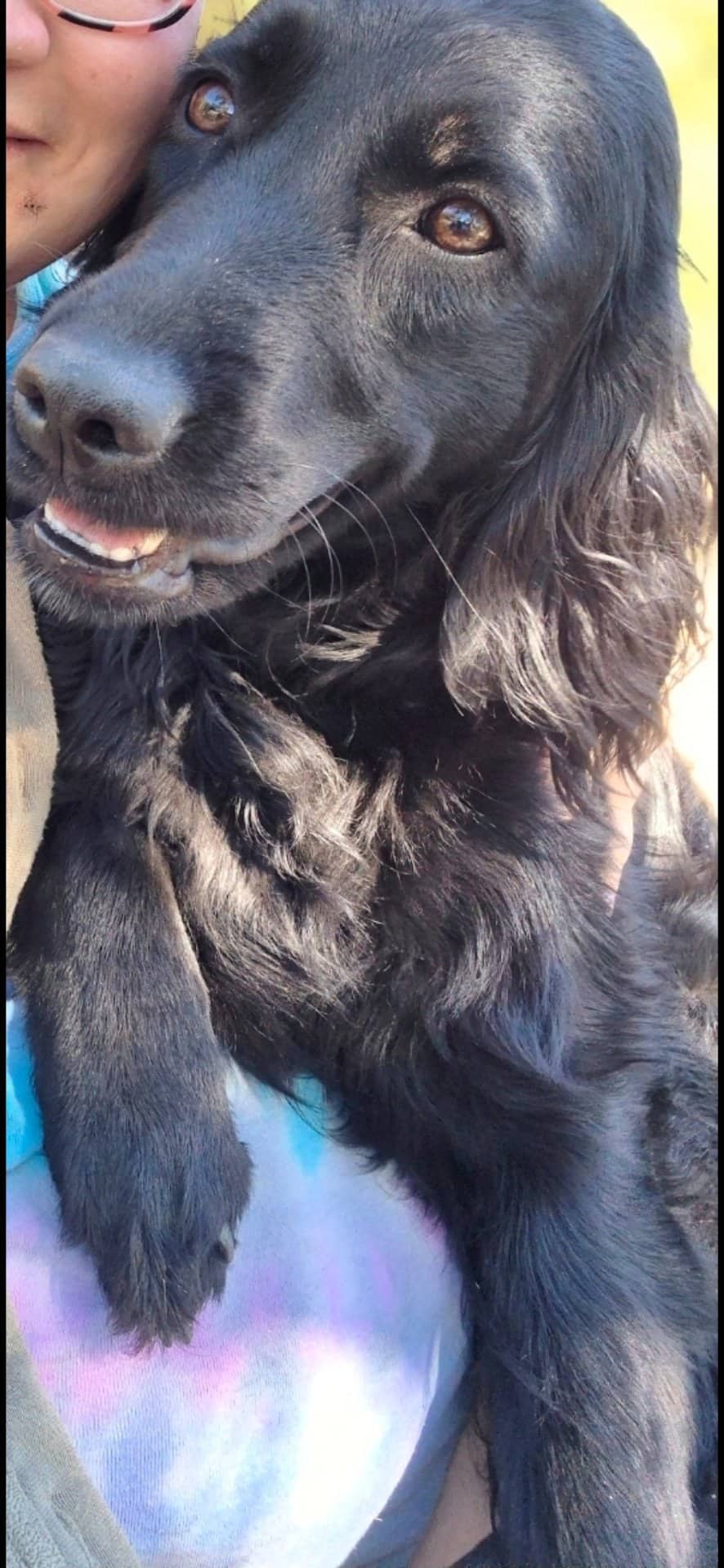
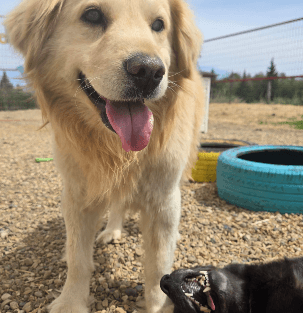
These 2 dogs look like Golden Retriever in Alberta, but their shelter hasn’t listed a breed — so they are recorded simply as a mixed breed. We spotted the resemblance from their photo.
It's a guess from a picture, not a DNA test, so treat it as a starting point. Most rescue dogs are mixes, and the shelter is the best source on any individual dog.

Adopting a Golden Retriever in Alberta
Golden Retrievers are one of the most wanted breeds in Alberta, and that demand is exactly why they turn up in rescue. Calgary Humane Society, Edmonton Humane Society, AARCS, SCARS, and most of the smaller rescues we work with see Goldens and Golden crosses regularly, though rarely in the numbers people expect. A purebred Golden in rescue is often adopted within days.
This page pulls every adoptable Golden Retriever from the launched Alberta shelters into one searchable place, refreshed regularly. Because purebred Goldens move fast, searching province-wide matters more for this breed than most. A Golden in Edmonton or Red Deer is worth the drive, and most rescues will arrange a meet at the foster home regardless of where you live.
Why Golden Retrievers cycle through Alberta rescue
Most Golden surrenders we see come from one of two situations. The first is the assumption that a Golden is an easy, low-effort family dog. The breed has a gentle reputation, and adopters expect a calm companion. What arrives is a high-energy adolescent that needs real daily exercise, mouths everything within reach as a puppy, and sheds heavily year-round. Some families adjust. Some surrender between 8 and 18 months.
The second is the breeding economy around the breed. Goldens are bred heavily in rural Alberta, both for the pet market and as one half of the Goldendoodle cross. When a backyard breeding operation winds down, retired breeding dogs need homes, and unplanned litters end up in rescue. The typical rescue Golden is not a damaged dog. It is a normal dog caught in the gap between how many Goldens get bred and how many homes are genuinely ready for one.
The coat is a year-round commitment
The Golden coat is the part of ownership most adopters underestimate. It is a double coat: a soft insulating undercoat under a longer water-repellent topcoat. It sheds steadily all year and blows heavily twice a year, in spring and fall. A Golden in an Alberta home means dog hair on the floor, the furniture, and your clothes, every single day. Weekly brushing is the minimum, and during a coat blow most owners brush several times a week to stay ahead of it.
The coat also needs attention around the feathering, the longer hair on the legs, tail, chest, and ears. That feathering mats if it is ignored, especially behind the ears and on the back legs, and matted hair is uncomfortable for the dog. Ears are worth a specific mention. Goldens have heavy drop ears that trap moisture, and ear infections are common, particularly in a dog that swims. A foster who has lived with the dog will tell you whether its coat and ears have been kept up. Ask.
Health concerns worth asking the foster about
Golden Retrievers have well-documented health concerns, and one of them is serious enough that every adopter should know about it. Goldens have a high lifetime cancer rate compared to most breeds. Hemangiosarcoma and lymphoma are the cancers seen most often, and they typically appear in middle age or later. This is a breed-wide pattern, not a rescue-specific one, and it is the single most important thing to understand before adopting the breed. A rescue Golden can still have many good years. Adopters should simply go in informed.
Beyond cancer, the breed sees hip and elbow dysplasia, subvalvular aortic stenosis (a heart condition), eye conditions including cataracts, and skin and ear issues tied to the coat. A foster who has lived with the dog for weeks knows whether it moves smoothly, holds weight, and shows any sign of discomfort. Ask them directly, and budget for pet insurance early. For a breed with this cancer profile, insurance taken out while the dog is young and healthy is worth real money later.
What Golden Retrievers are actually like to live with
The Golden temperament is genuinely as advertised. They are people-focused, soft, eager to please, and usually good with children and other dogs. That is the easy part, and it is real. The harder parts are practical, and they are why Goldens still end up in rescue:
- Shed constantly. The double coat sheds year-round and blows out twice a year. This is not negotiable and it is not seasonal-only.
- Need real daily exercise. A Golden is a sporting breed. Plan on an hour of activity a day, more for a young dog.
- Mouthy as puppies and adolescents. Goldens were bred to carry things in their mouths, so young Goldens chew and need appropriate outlets.
- Bond hard to people. Goldens want to be with their family. A Golden left alone all day, every day, is a Golden at risk of separation anxiety.
- Love water. Most Goldens will get into any lake, river, or puddle available. Plan for a wet dog and watch the ears for infections.
- Not a guard dog. Goldens greet strangers as friends. If you want a watchdog, this is the wrong breed.
- Food-motivated and prone to weight gain. Keeping a Golden lean protects its joints and its overall health.
What the fee usually covers
Golden Retriever adoption fees at Alberta rescues sit in the same range as other medium-to-large rescue dogs in the province. The fee covers the medical work the rescue already paid for: spay or neuter, core vaccinations, microchip, deworming, and a vet check before placement. Purebred Goldens sometimes carry a slightly higher fee because demand is high, but the fee is still a fraction of a breeder price. Confirm the exact number on the dog's own listing, because it varies with age and any special medical care.
How to actually search
Use the filters above to narrow by energy level (Goldens are medium to high), size (medium to large), age, compatibility, and shelter. Purebred Goldens get adopted quickly across Alberta, so if a dog fits, apply the same day. Be open to Golden crosses too. A Golden mix often has the temperament adopters want with a shorter wait. Foster homes are usually willing to set up a video call before you drive across the province for an in-person meet.
Prefer a city-specific view? Browse our deeper Calgary Golden Retriever cluster, or the dog listings in Edmonton, Red Deer, and Grande Prairie. The broader hub is Dog Adoption Alberta.
The rescues that most often list Golden Retrievers across the province are SCARS, AARCS, Calgary Humane Society, and Edmonton Humane Society. For breed-specific background, the Canadian Kennel Club is a useful reference.
Golden Retriever Adoption FAQ — Alberta
Tap a question to expand
How many Golden Retrievers are available for adoption in Alberta?▼
Are English cream Goldens different, and does coat type matter in Alberta?▼
Where can I find Golden Retriever adoption near me in Alberta?▼
Why are Golden Retrievers hard to find in Alberta rescue?▼
Are Golden Retrievers really as easy as their reputation?▼
What health problems should I know about before adopting a Golden?▼
Are Golden Retrievers a good fit for Alberta winters?▼
How much does it cost to adopt a Golden Retriever in Alberta?▼
Can I adopt a Golden Retriever from Edmonton or Red Deer if I live in Calgary?▼
Is LocalPetFinder a Golden Retriever rescue?▼
Are these Golden Retrievers for sale in Alberta?▼
Where can I buy a Golden Retriever in Alberta, and should I?▼
Are there free Golden Retrievers in Alberta, or golden retrievers under $500?▼
Are there Golden Retriever puppies in Alberta, or only adults?▼
Where can I find a Golden Retriever near me in Alberta?▼
Need to rehome a Golden Retriever?
If you can no longer keep your Golden Retriever, you can list them for free on LocalPetFinder. Your dog stays in your home until you find the right family, you screen who applies, and there is no surrender fee. Not sure yet? Our guide to surrendering a dog in Canada walks through every option first.
List your dog for free →Golden Retriever adoption by Alberta city
Alberta rescues transport between cities and several operate province-wide, so it is worth checking Golden Retrievers elsewhere in the province before you give up on a match.