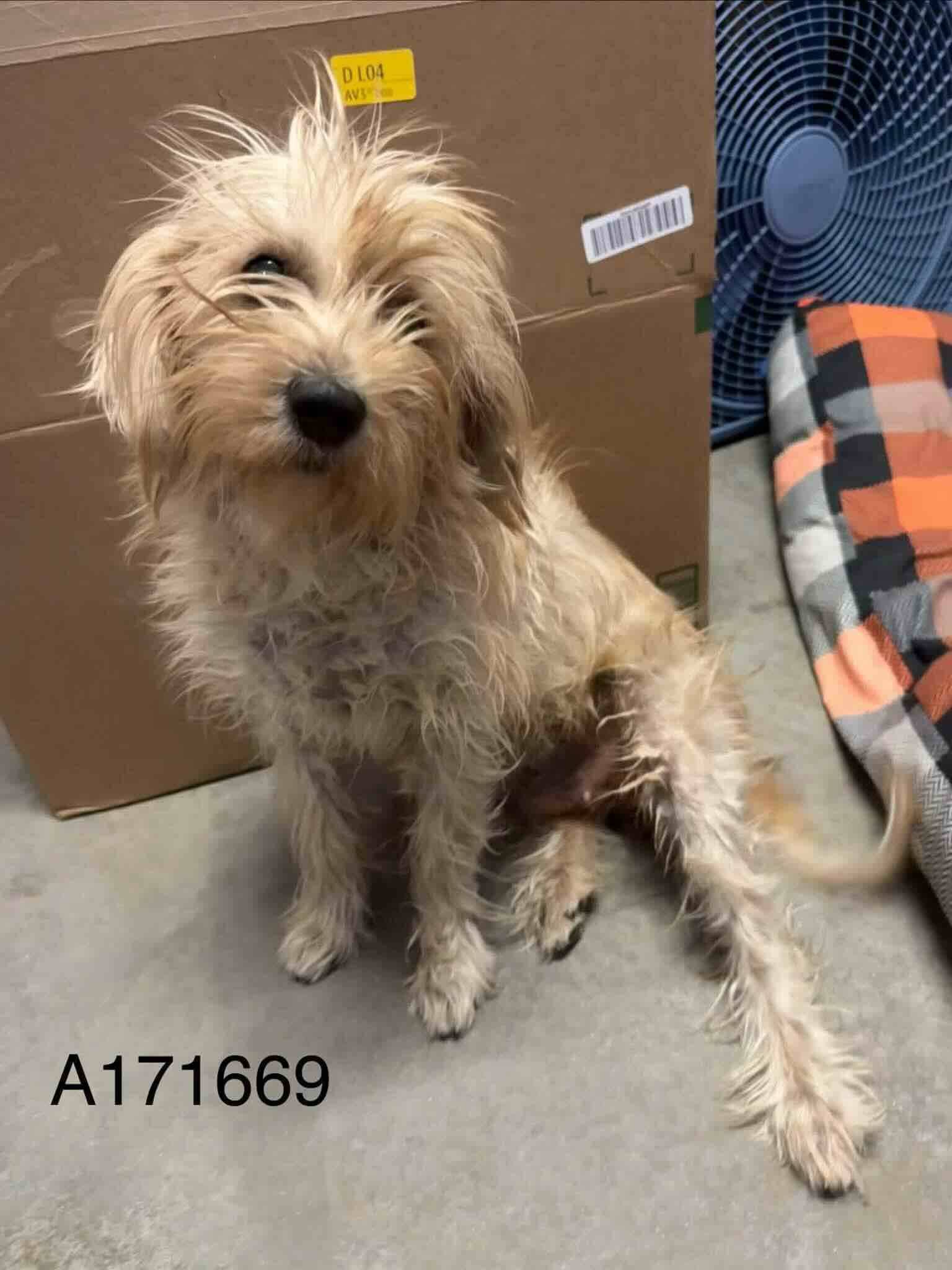
Get notified when a Yorkshire Terrier is listed
We will email you the moment a Yorkshire Terrier becomes available in Alberta, from a rescue or an owner rehoming.
Adopting a Yorkshire Terrier in Alberta
Yorkshire Terriers come through Alberta rescue steadily, almost always as owner surrenders. Calgary Humane Society, Edmonton Humane Society, AARCS, SCARS, and the smaller rescues we work with see Yorkies and Yorkie crosses through the year. The breed has been a popular companion and a popular toy-market product for decades, and both of those bring dogs into rescue.
This page pulls every adoptable Yorkshire Terrier from the launched Alberta shelters into one searchable place, refreshed regularly. Searching province-wide widens a small pool. A Yorkie in Edmonton or Red Deer is worth the drive, and most rescues will arrange a meet at the foster home regardless of where you live.
Why Yorkshire Terriers cycle through Alberta rescue
Yorkies land in rescue for reasons that have little to do with the dogs and a lot to do with how toy breeds get treated. They are bred heavily for the pet market, so unplanned litters and retired breeding dogs are common. And because they are tiny, owners routinely skip the training and the house-training, then surrender a barky, unhouse-trained adult a few years later. The recurring story is a dog that was treated as an ornament and never taught how to be a dog.
A terrier in a toy package
The mistake people make with the Yorkshire Terrier is reading the name and seeing only the second word. The Yorkie is a terrier. It was bred to hunt and kill rats in textile mills, and the terrier wiring is all still there: bold, busy, opinionated, quick to bark, and convinced it is a much larger dog. A Yorkie is not a placid lapdog that happens to be small. It is a working terrier in a four-to-seven pound body, and it needs to be raised like one.
That has two practical consequences. House-training takes real commitment, because toy breeds have small bladders and the breed is genuinely slower to house-train than most. A consistent schedule, frequent trips outside, and patience through an Alberta winter, when a tiny dog does not want to be out in the cold, are all part of it. And the terrier temperament needs an outlet: training, play, and structure, so the boldness becomes confidence rather than nuisance barking. A well-raised Yorkie is a brilliant, funny, devoted companion. A neglected one is the yappy stereotype, and the stereotype is made, not born.
Health concerns worth asking the foster about
Yorkshire Terriers carry a toy-breed health profile with a couple of breed-specific concerns. Dental disease is near-universal without dental care, so budget for cleanings. The breed is notably prone to portosystemic shunt, a liver condition worth asking about, and to tracheal collapse, which means a Yorkie should walk on a harness rather than a neck collar. Yorkies also see luxating patellas, Legg-Calve-Perthes disease (a hip condition), low blood sugar in puppies, and eye conditions. A foster who has lived with the dog knows its teeth, its energy, and how it moves. Ask directly.
What Yorkshire Terriers are actually like to live with
The Yorkshire Terrier is a bold, bright, devoted little dog with a genuine terrier spark. The things to plan for:
- It is a terrier. Expect boldness, busyness, and opinions, not a placid lapdog.
- House-training takes commitment. Toy breeds are slower at this, and Alberta winter makes it harder. Plan a real routine.
- Harness, not collar. Tracheal collapse risk means a Yorkie walks on a harness.
- Coat choice. The long silky show coat needs daily care; most pet owners keep a short, easy puppy cut.
- Vocal. Yorkies alert and bark. Training shapes it, but the watchfulness is in the breed.
- Cold-sensitive. A tiny, fine-coated dog needs a warm coat and short outdoor trips in Alberta winter.
- Fragile. A Yorkie can be hurt by a fall or rough handling. Manage homes with very young children.
What the fee usually covers
Yorkshire Terrier adoption fees at Alberta rescues sit in the same range as other small rescue dogs in the province. The fee covers the medical work the rescue already paid for: spay or neuter, core vaccinations, microchip, deworming, and a vet check before placement. Confirm the exact number on the dog's own listing, because it varies with age and any special medical care.
How to actually search
Use the filters above to narrow by energy level, size (small), age, compatibility, and shelter. If a dog fits, apply the same day. Be ready to commit to house-training and to walking the dog on a harness. Foster homes are usually willing to set up a video call before any drive across the province.
Prefer a city-specific view? Browse our deeper Calgary Yorkshire Terrier cluster, or the dog listings in Edmonton, Red Deer, and Grande Prairie. The broader hub is Dog Adoption Alberta.
The rescues that most often list Yorkshire Terriers across the province are SCARS, AARCS, Calgary Humane Society, and Edmonton Humane Society. For breed-specific background, the Canadian Kennel Club is a useful reference.
Yorkshire Terrier Adoption FAQ — Alberta
Tap a question to expand
How many Yorkshire Terriers are available for adoption in Alberta?▼
Where can I find Yorkshire Terrier adoption near me in Alberta?▼
Are Yorkshire Terriers hard to house-train?▼
Are Yorkies good lapdogs?▼
Why do Yorkshire Terriers end up in rescue?▼
Do Yorkshire Terriers handle Alberta winters?▼
How much does it cost to adopt a Yorkshire Terrier in Alberta?▼
Is LocalPetFinder a Yorkshire Terrier rescue?▼
Are these Yorkshire Terriers for sale in Alberta?▼
Where can I buy a Yorkshire Terrier in Alberta, and should I?▼
Are there free Yorkshire Terriers in Alberta, or yorkshire terriers under $500?▼
Are there Yorkshire Terrier puppies in Alberta, or only adults?▼
Where can I find a Yorkshire Terrier near me in Alberta?▼
Need to rehome a Yorkshire Terrier?
If you can no longer keep your Yorkshire Terrier, you can list them for free on LocalPetFinder. Your dog stays in your home until you find the right family, you screen who applies, and there is no surrender fee. Not sure yet? Our guide to surrendering a dog in Canada walks through every option first.
List your dog for free →Yorkshire Terrier adoption by Alberta city
Alberta rescues transport between cities and several operate province-wide, so it is worth checking Yorkshire Terriers elsewhere in the province before you give up on a match.