Showing 40 dogs
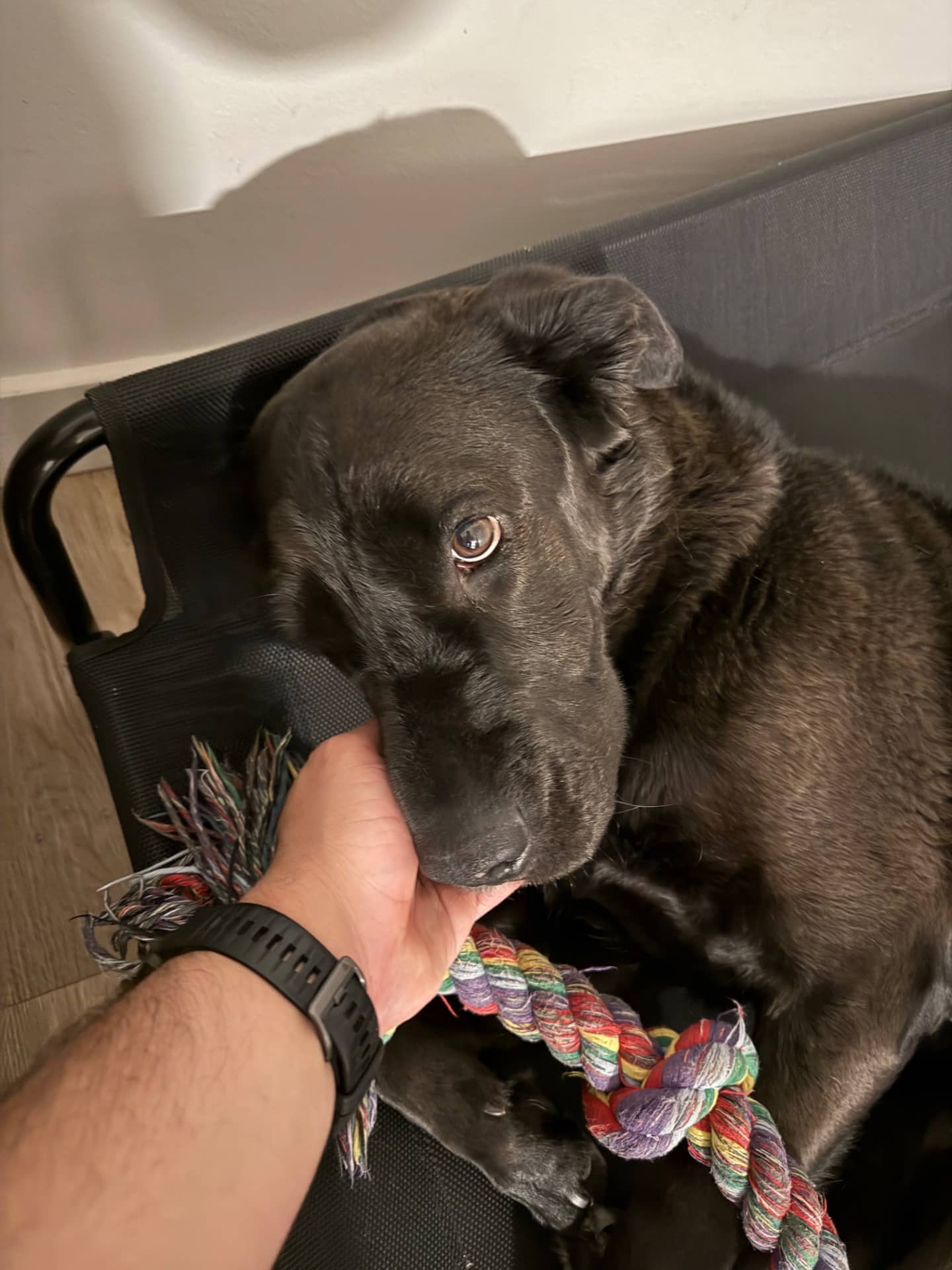
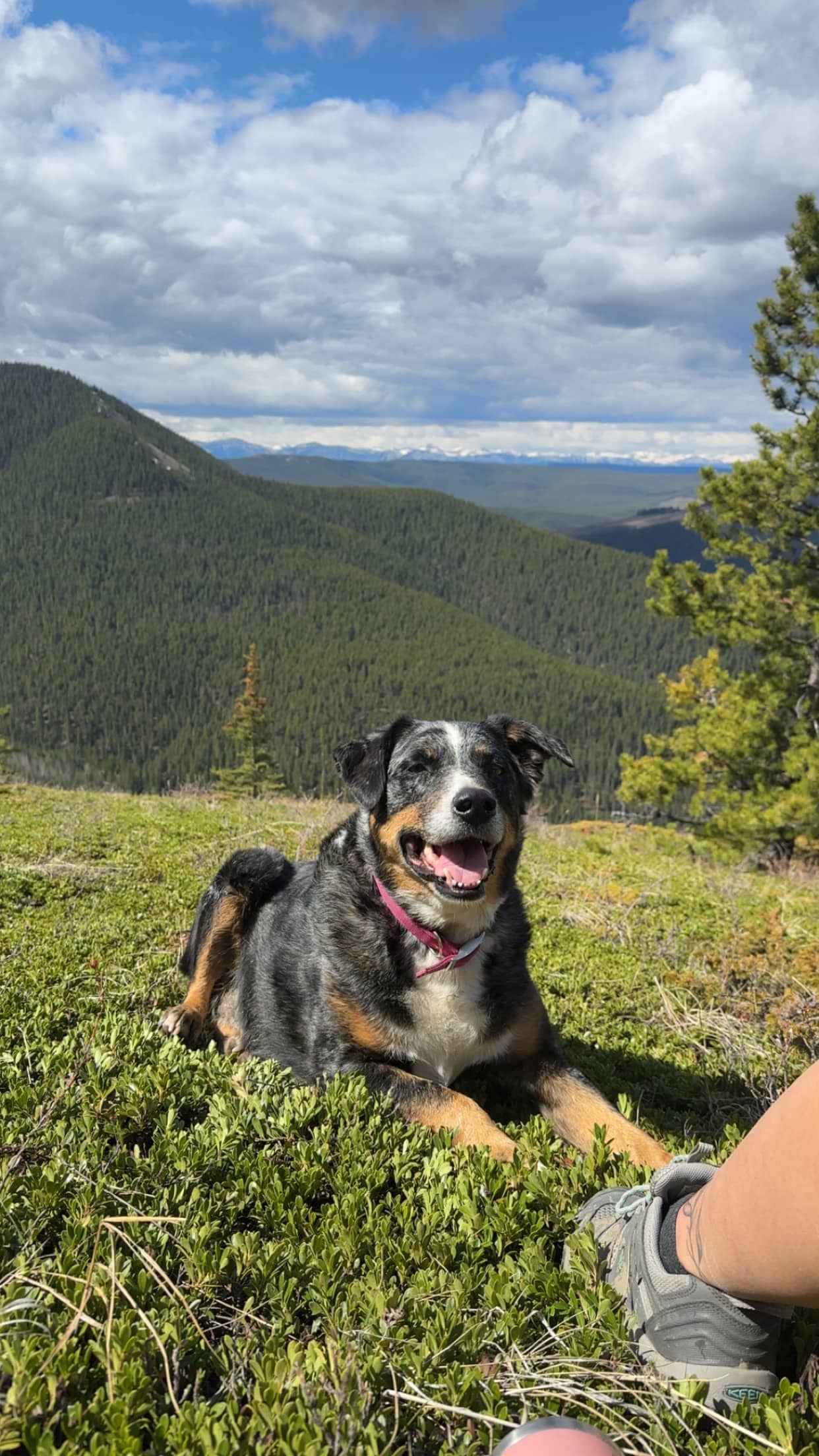
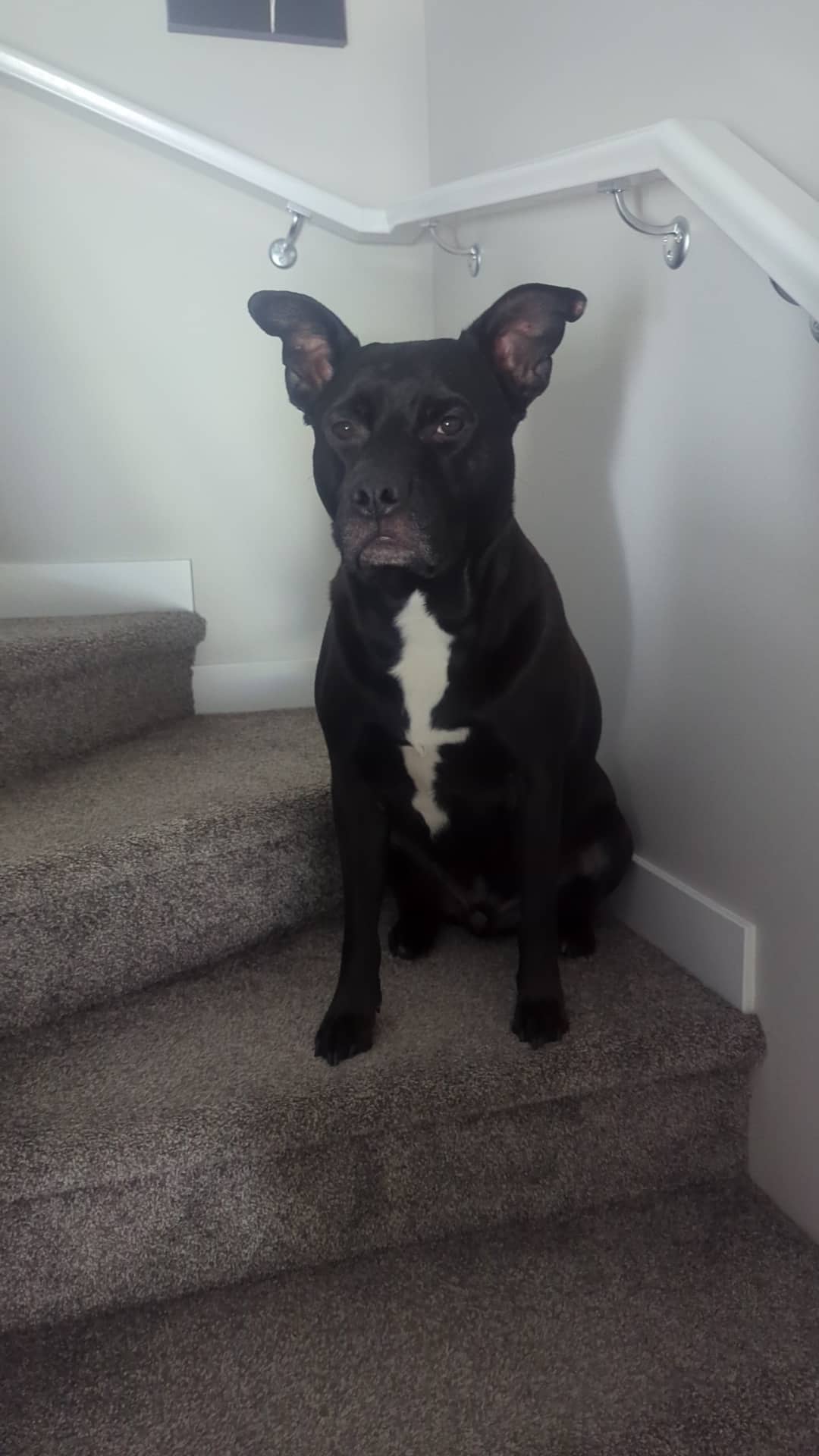
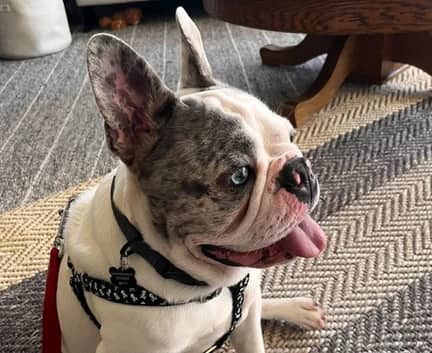
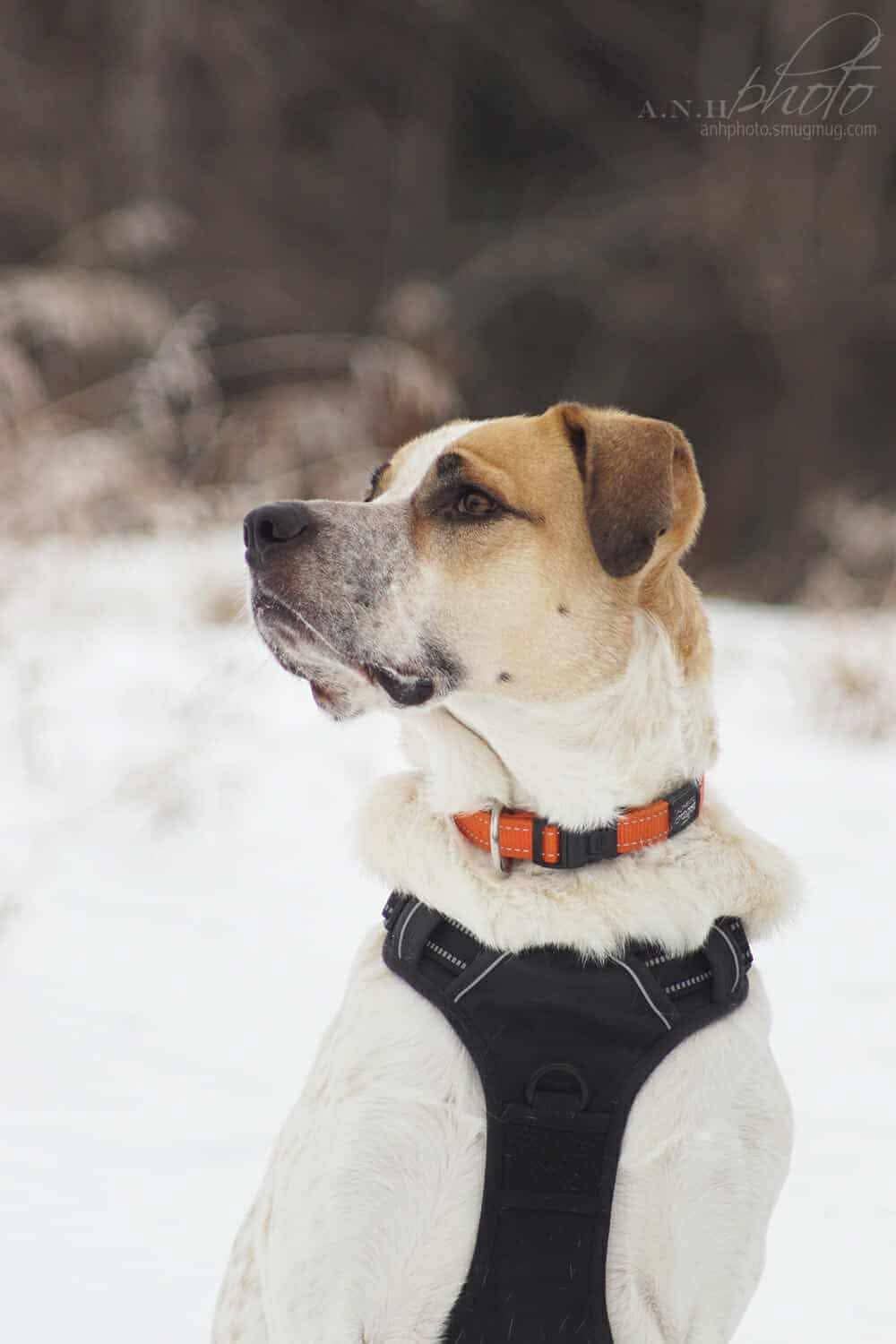
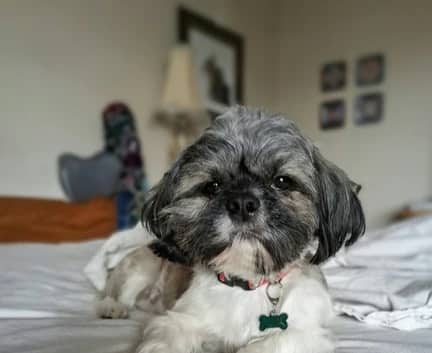
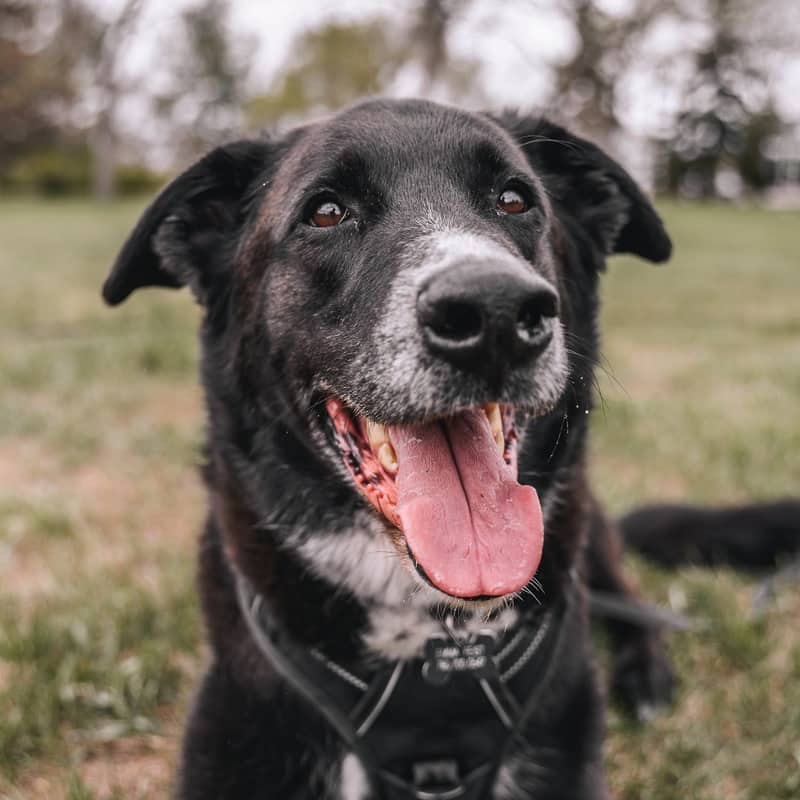
Special needs dogs — also searched as “disabled dogs,” “handicap dogs,” or “dogs with disabilities” — are some of the most overlooked rescues across Alberta, and some of the most rewarding to adopt. The category covers a wide range: blind dogs, deaf dogs, three-legged dogs (tripods), dogs missing a limb from a past injury, diabetic dogs that need daily insulin, dogs managing epilepsy, and seniors with arthritis or a heart condition.
Most special needs dogs adapt to their condition far better than people expect. A blind dog navigates a familiar home with confidence after a few weeks. A deaf dog learns hand signals as fast as a hearing dog learns voice cues. A tripod dog runs and plays like any other rescue. Diabetic and epileptic dogs live full lives on a stable medication routine. The biggest barrier is usually the adopter's hesitation, not the dog's condition — and foster-based rescues are especially valuable here, because a foster home has already logged months of real-world behaviour and medical response before the dog ever meets you.
This page pools every special-needs dog we can find from rescues across Alberta, refreshed regularly. Rescues typically reduce adoption fees for special-needs dogs, and many include partial veterinary support, medication discounts, or a lifetime take-back commitment if the care becomes unmanageable. Use the filters above to narrow to your own city and shelter.
Why adopt a special needs dog?
Special needs dogs wait far longer in rescue than typical adoptables, passed over by adopters who assume the care will be harder than it is. A tripod or a deaf dog is the same loving rescue as any other. Adopting one often means a more bonded, more grateful, and surprisingly low-maintenance companion — and because foster homes have already done months of evaluation, you usually know exactly what you're taking on before you commit.
The ongoing care reality, honestly
Sensory disabilities (blind, deaf, tripod) typically carry no ongoing medication cost — just standard annual care plus condition-specific monitoring. Chronic medical conditions (diabetes, epilepsy, heart or kidney disease) do carry a real monthly cost and need a stable vet relationship. Price it honestly with your own vet before you adopt, and compare pet insurance early, since pre-existing diagnoses are often excluded once they are on record. Go in informed rather than swept up in the moment, and a special needs dog can be one of the most rewarding adoptions you will ever make.
Browse adoptable special needs dogs across Alberta
Rescues update special needs dog listings regularly. Filter by city, size, and shelter to find a dog that fits your home and your veterinary support setup.
See All Alberta Dogs →Special Needs Dog Adoption FAQ (Alberta)
Where can I adopt a special needs dog in Alberta?▼
LocalPetFinder aggregates 40 special-needs rescue dogs currently listed by shelters and foster-based rescues across Alberta, refreshed regularly. The category covers blind, deaf, three-legged (tripod), diabetic, epileptic, and senior medical-needs dogs. Use the filters to narrow by your city and shelter, then apply directly with the rescue. Many rescues reduce adoption fees and offer ongoing support for special-needs adoptions.
What counts as a special needs dog?▼
It is a broad category. It includes blind or deaf dogs, dogs missing a limb (tripods), diabetics, dogs managing epilepsy, and seniors with arthritis or a heart condition. Some of these needs are barely noticeable day to day, while others require a medication or feeding routine. Each listing explains what that particular dog needs.
Are blind or deaf dogs harder to care for?▼
No, just different. Blind dogs navigate a familiar home through scent, memory, and verbal or touch cues and settle in within weeks. Deaf dogs learn hand signals and vibration cues as fast as hearing dogs learn voice cues. Both do best with a stable routine and a consistent home. The 3-3-3 rule applies the same way: three days to decompress, three weeks to settle, three months to fully bond.
Can three-legged (tripod) dogs live a normal life?▼
Yes. Tripod dogs run, play, and get around like any other dog, and most adapt within weeks and live full lifespans. The main things to manage are healthy weight (extra weight stresses the remaining legs) and, for older pets, joint support and avoiding repetitive high-impact activity. A tripod is one of the most overlooked and most rewarding rescues you can adopt.
Is a special needs dog expensive to care for?▼
It depends entirely on the need. A three-legged, one-eyed, blind, or deaf dog usually costs no more than any other dog. Chronic conditions like diabetes (insulin and monitoring) or epilepsy (daily medication and periodic blood work) do carry an ongoing monthly cost. Ask the rescue exactly what the dog needs and price it with your own vet before adopting. Pet insurance is worth comparing early, since pre-existing diagnoses are often excluded after the fact.
Will the rescue help if I cannot afford ongoing care?▼
Most rescues reduce or waive the adoption fee for special-needs and senior medical dogs, and many offer a lifetime take-back commitment: if circumstances change, they take the dog back rather than have it go to a shelter. Some also subsidise initial medication or partner with low-cost clinics. Always ask about ongoing support during the application. Foster-based rescues, where a foster home has already logged months of real-world care, tend to be the most flexible and the most informative about what a specific dog actually needs.