Showing 14 cats


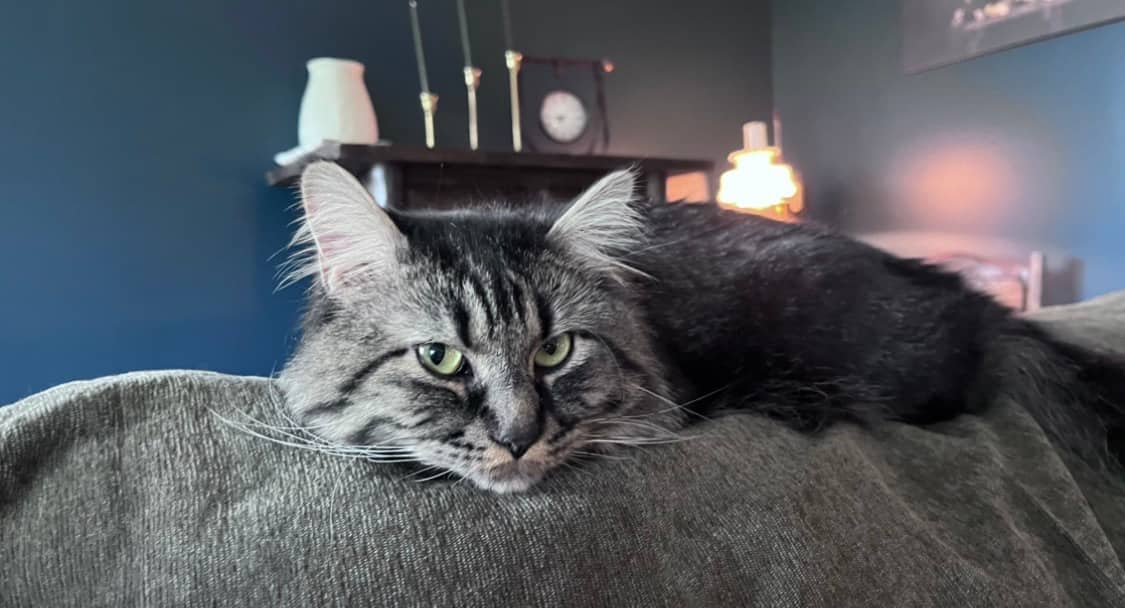
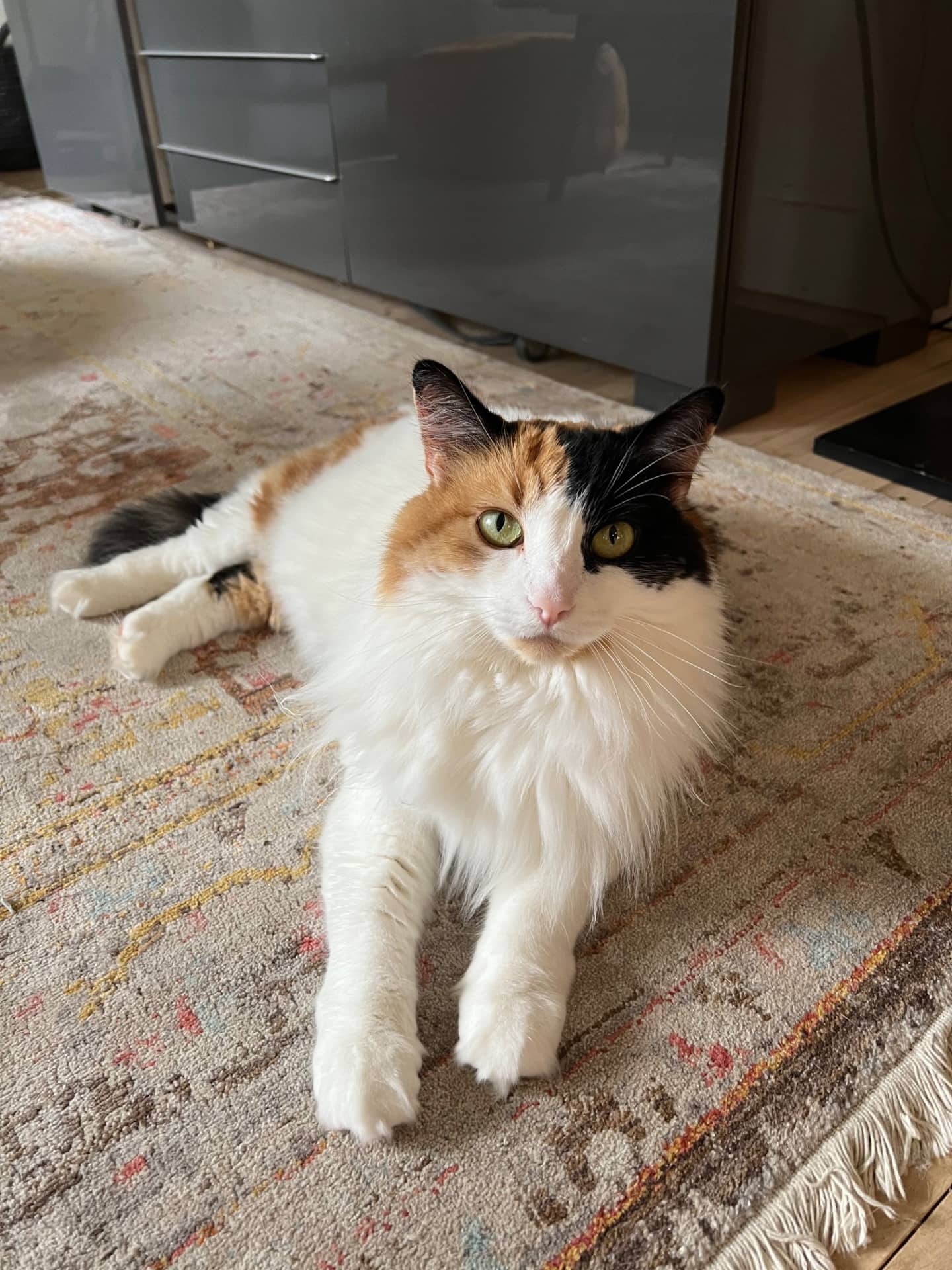
Almost every Vancouver cat rescue requires their cats to live indoors only. The risk profile here isn't the prairie winter story — Vancouver's mild coastal climate is the easiest weather a cat will ever face. What kills outdoor cats in Metro Vancouver is predators and traffic: Stanley Park and Pacific Spirit Park coyote packs hunting urban corridors year-round, North Shore raccoons at some of the highest urban densities in North America (and a major leptospirosis vector), bald eagles on the coast, and arterial roads like Hastings, Cambie, Knight, and Marine Drive cutting through every neighbourhood. Outdoor cats here typically last 3 to 5 years; indoor cats routinely make 15 to 18.
The cats listed here are specifically flagged as indoor-only by their foster home — they're used to indoor living, often previously lived in apartments, condos, or quiet houses, and don't have outdoor habits to unlearn. That makes them especially well-suited for Vancouver condo dwellers, apartment renters, and anyone living near the urban forest edges of Stanley Park, Pacific Spirit, the Endowment Lands, or the North Shore where coyote risk is highest.
Indoor cats need more enrichment from their humans — cat trees, window perches with city or water views, daily interactive play, and ideally a feline companion. Vancouver also has one of the strongest catio cultures in Canada, with several local builders specializing in screened balcony enclosures for condos and rental-friendly setups. The indoor vs outdoor cats in Vancouver guide covers the trade-offs in depth. All cats listed here have indoor-only status confirmed by the rescue.
Why indoor-only is the Vancouver standard
VOKRA, the BC SPCA in Vancouver, Heart and Soul Dog and Cat Rescue, and essentially every reputable Vancouver-area cat rescue won't place a cat into an unsupervised outdoor home. The reasons are concrete: urban coyote packs work Stanley Park, Pacific Spirit, the UBC Endowment Lands, and forest corridors across the West Side and North Shore; raccoons at extreme urban density carry leptospirosis and can seriously injure or kill cats; bald eagles take small cats on the coast; and arterial traffic from Hastings to Cambie to the Lions Gate corridor is constant. Supervised outdoor time on a leash or in a catio is fine; free-roaming is not.
Indoor enrichment ideas for Vancouver homes
The thing that makes indoor cats thrive is vertical space and engagement. A tall cat tree by a window overlooking the city, Burrard Inlet, or False Creek doubles as a sunny nap spot and prime “cat TV” (crows, gulls, squirrels, rain). Wall-mounted shelves let cats climb without taking floor space — useful in Vancouver condos and West End apartments where square footage is precious. Wand-toy play 10 to 15 minutes daily, puzzle feeders for kibble, and a rotating toy supply keep boredom low. Two cats are easier than one because they entertain each other through Vancouver's long grey winters when humans are out less.
Catios: Vancouver's strong outdoor-safe culture
If you have a balcony, deck, or small yard, a catio (enclosed outdoor cat patio) gives your cat fresh air and supervised outdoor time without coyote, raccoon, eagle, or traffic risk. Vancouver has one of the strongest catio cultures in Canada — several local builders specialize in screened balcony enclosures, and renter-friendly pressure-mounted designs run $500 to $1,500 in materials. Full custom backyard catios run $1,500 to $3,500. Unlike the prairies, Vancouver's mild climate means a catio is usable nearly year-round — rainy winter days are the main downtime, not extreme cold.
Vancouver Indoor Cat FAQ
How many indoor cats are available for adoption in Vancouver?▼
As of October 2026, 14 indoor cats are available for adoption in Vancouver across 3 rescues on LocalPetFinder. Listings update regularly as pets are adopted and new ones arrive — browse them above and apply directly through the rescue.
Where can I find indoor cats for adoption near me in Vancouver?▼
LocalPetFinder lists indoor-only cats from Vancouver-area cat rescues including VOKRA (Vancouver Orphan Kitten Rescue Association), the BC SPCA in Vancouver, and Heart and Soul Dog and Cat Rescue. Most BC rescues require indoor-only homes because of urban coyote risk in Stanley Park, Pacific Spirit, and the North Shore, plus raccoons, eagles, and arterial traffic. Coverage spans Vancouver, Burnaby, Richmond, North Vancouver, West Vancouver, and the wider Lower Mainland.
Why do BC rescues require indoor-only homes?▼
Three concrete reasons: urban coyote packs hunt cats year-round in Stanley Park, Pacific Spirit Park, the UBC Endowment Lands, and forest corridors across the West Side and North Shore; Vancouver has some of the highest urban raccoon densities in North America, with raccoons carrying leptospirosis and capable of seriously injuring cats; and major arterials (Hastings, Cambie, Knight, Marine Drive, the Lions Gate corridor) cut through every neighbourhood. Outdoor cats in Vancouver typically live 3 to 5 years; indoor cats live 15 to 18.
How long do indoor vs outdoor cats live in Vancouver?▼
Indoor cats in Vancouver typically live 15 to 18 years, with many reaching their early 20s. Outdoor cats average 3 to 5 years because of coyote predation, raccoon attacks, eagle predation on the coast, vehicle strikes, fights with other cats, and outdoor parasites and infections like leptospirosis. The lifespan gap is dramatic and well-documented across Metro Vancouver.
Can indoor cats be happy without going outside?▼
Yes, with adequate enrichment. Indoor cats need vertical space (cat trees, wall shelves), interactive wand-toy play 10 to 15 minutes daily, window perches for outdoor stimulation, puzzle feeders that make them work for kibble, and ideally a feline companion. Cats given those four things live longer, healthier, and less stressed lives than outdoor cats.
Are indoor cats good for Vancouver apartments and condos?▼
They are ideal. Indoor cats use vertical space rather than horizontal, are quiet compared to dogs, do not need a yard, and most Vancouver apartment buildings welcome cats without the breed restrictions or extra pet rent that dogs face. Cats listed as indoor-only in this category are specifically suited to West End, Yaletown, Mount Pleasant, and Kitsilano apartment and condo life.
What is a catio and are they popular in Vancouver?▼
A catio is an enclosed outdoor cat patio that gives cats fresh air and sun without exposure to coyotes, raccoons, eagles, traffic, or other risks. Vancouver has one of the strongest catio cultures in Canada, with several local builders specializing in screened balcony enclosures for condos and rental-friendly setups. A simple pressure-mounted balcony catio runs $500 to $1,500 in materials; a full custom backyard catio runs $1,500 to $3,500. Unlike prairie cities, Vancouver's mild climate means catios are usable nearly year-round.
How do I keep an indoor cat from getting bored?▼
Daily wand-toy play (10 to 15 minutes is plenty), puzzle feeders for kibble, vertical climbing space, a tall cat tree by a window overlooking water, sky, or street activity, and rotating the toy supply weekly. Two cats keep each other entertained, which matters during Vancouver's long grey winters when humans are out less and natural daylight is limited.
Can an indoor-only cat ever go outside in Vancouver?▼
On a leash and harness with supervision, yes. In a catio, yes. Carrying them outside for short balcony visits, yes. Free-roaming, no. BC rescues approve and even encourage leash training and catio access. The line is supervision: a cat that cannot escape and is not exposed to coyotes, raccoons, eagles, or traffic is fine outdoors. A cat that can wander is not, and most BC adoption contracts will be rescinded if the rescue discovers the cat is being let outside unsupervised.
Explore more Vancouver cats
Adults, kittens, seniors, bonded pairs — everything currently available.
Cats under 12 months. Peak supply runs May through September.
Cats aged 10 and up. Often the calmest, most affectionate adoptions.
Full breakdown of the BC indoor-only standard, coyote risk, and catio culture.