Showing 7 cats
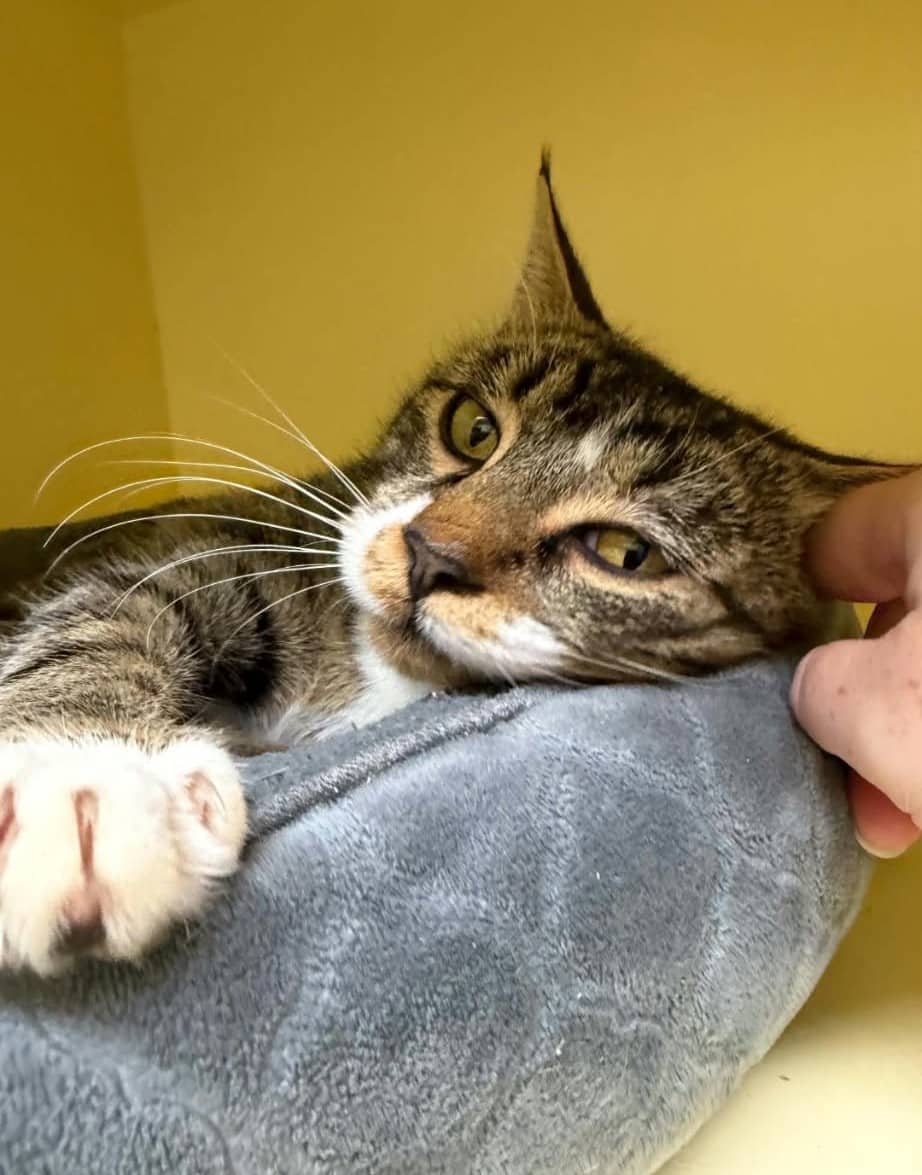
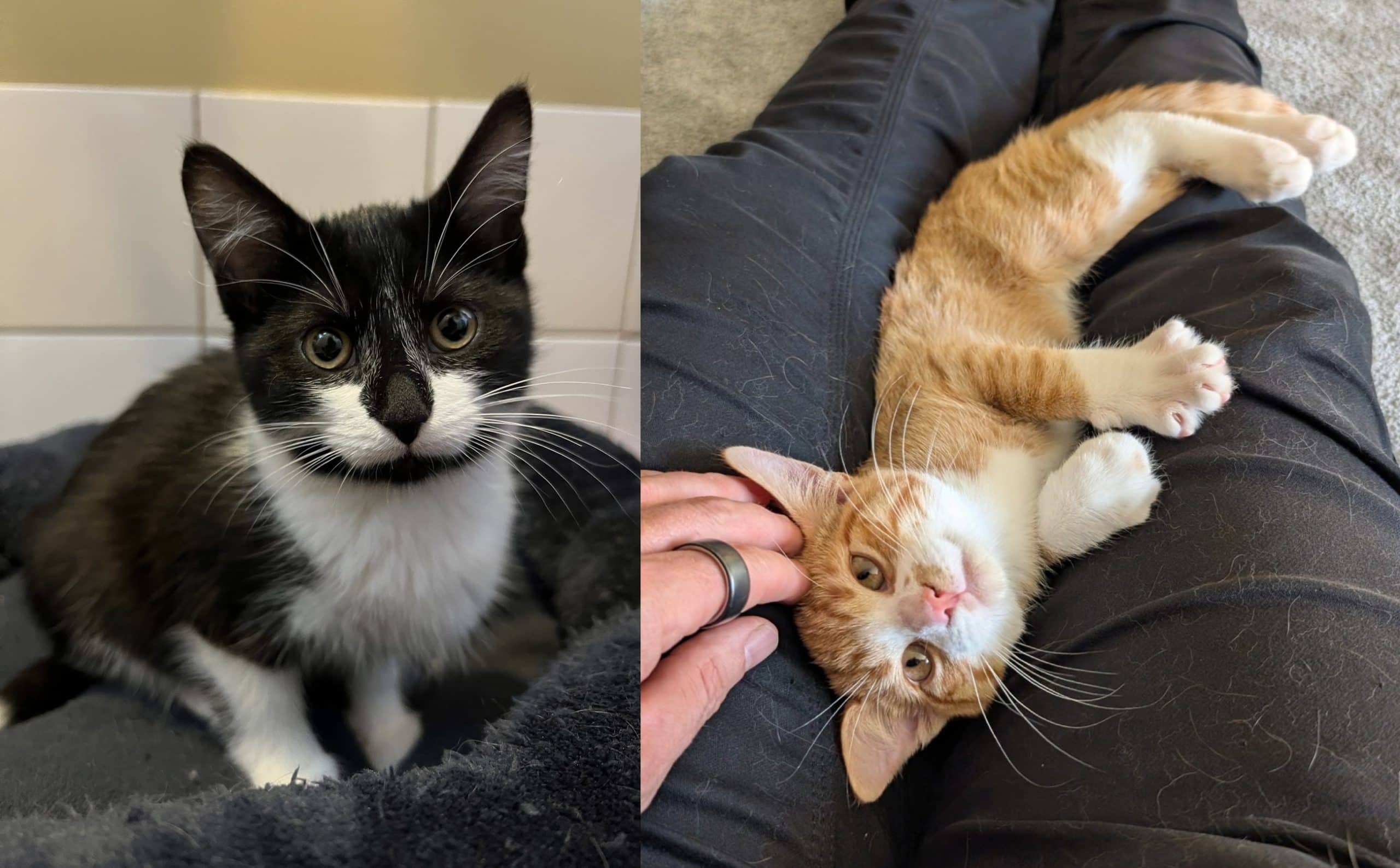
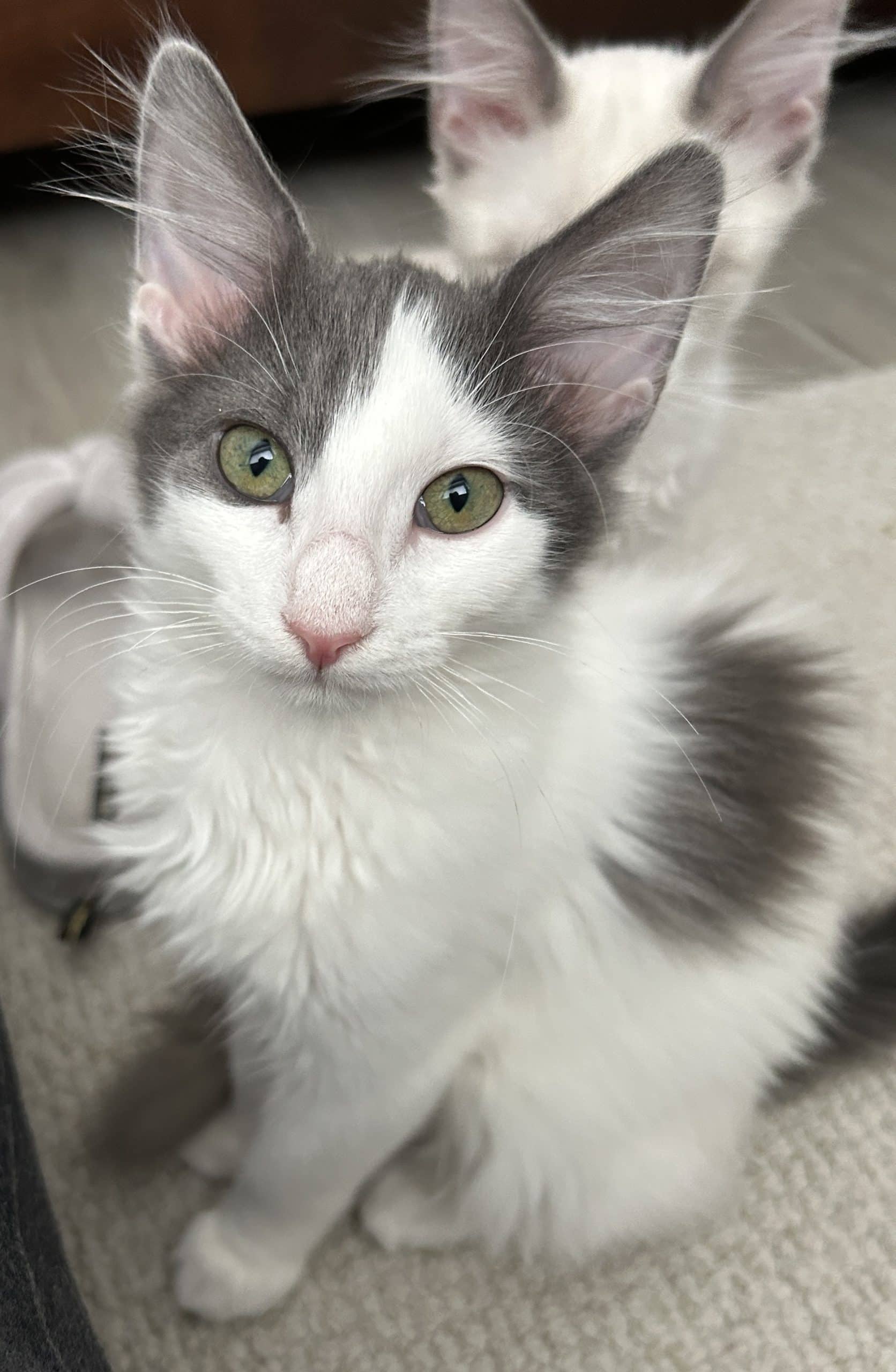
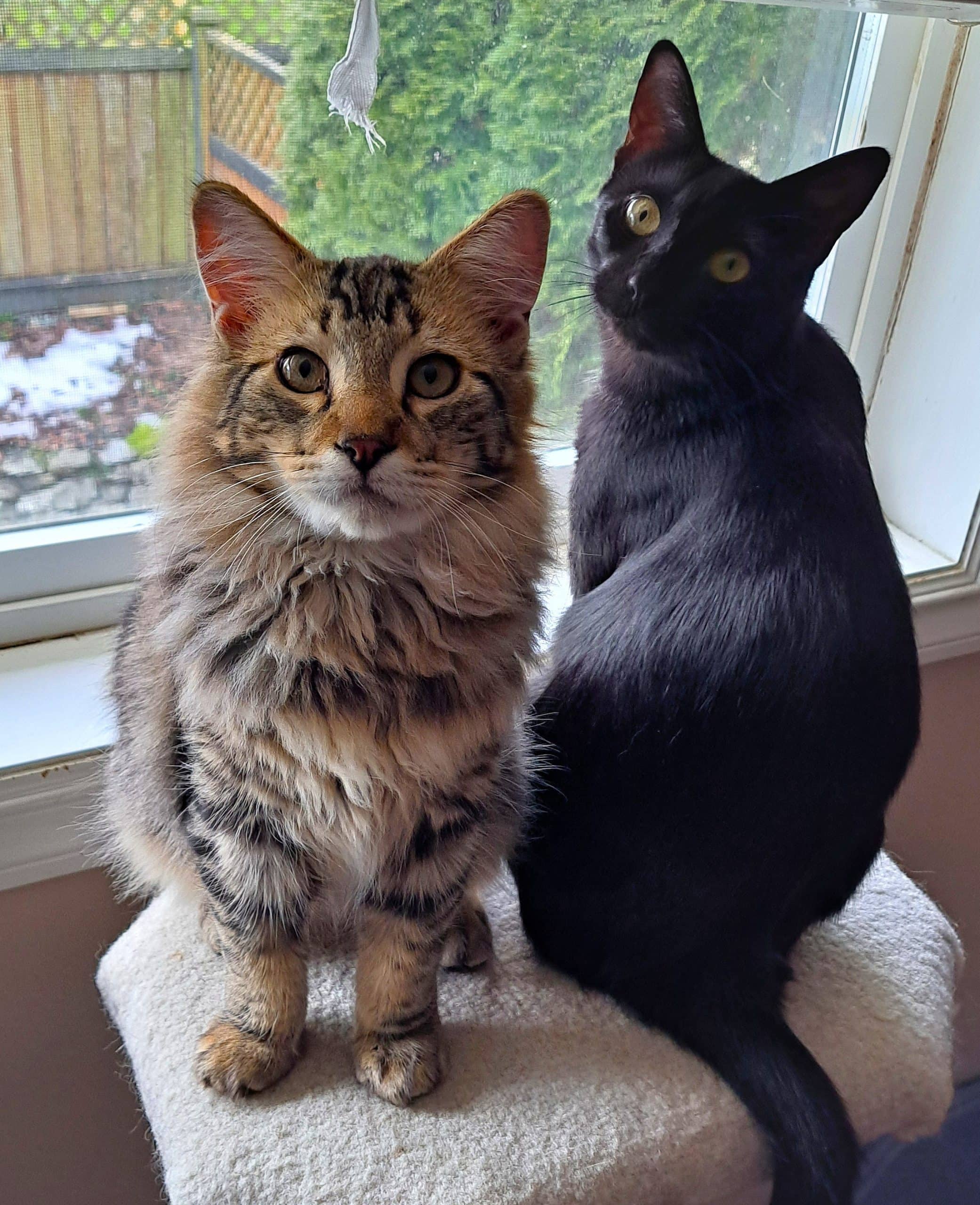
Long-haired cats are arguably the easiest cat category to own in Victoria. Persians, Maine Coons, Ragdolls, Norwegian Forest Cats, Himalayans, Siberians, Birmans, and Domestic Longhairs (DLH) all carry dense coats originally evolved for cold northern climates — but the thing that usually makes them difficult elsewhere (winter static and dry-air shedding) essentially never shows up here. The cats listed here come from the BC SPCA Victoria Branch, the Victoria Humane Society (VHS), Broken Promises Rescue, and the Victoria Pet Adoption Society (VPAS).
The trade-off is grooming, and that trade-off is real. Long-haired cats need brushing 2 to 3 times per week to prevent matting, with daily brushing during seasonal sheds in spring and fall. Persians and Himalayans often need professional grooming every 8 to 12 weeks, or you can keep them in a “lion cut” (shaved body, fluffy head and tail) to cut maintenance dramatically. A slicker brush and metal comb are non-negotiable kit for any long-haired cat.
Vancouver Island has the mildest climate in Canada, and it's even gentler on long-haired cats than Vancouver. Indoor humidity stays in the 45 to 60 percent range nearly year-round thanks to the maritime air and Victoria's Mediterranean-influenced summers — very stable, with none of the dry-furnace winter spikes prairie cats deal with. Less static, slower mat formation, and a noticeably milder seasonal coat blow even compared to Vancouver. Rainy weather is lighter here than the mainland too, so wet-paw returns from a catio session are less frequent. If you've owned a long-haired cat anywhere on the prairies or even on the Lower Mainland, you'll find the same cat is genuinely lower maintenance in Victoria.
Best long-haired breeds for Victoria homes
Maine Coons, Siberians, and Norwegian Forest Cats are the easiest long-haired breeds for first-time owners — their coats are dense but less prone to matting than Persian coats, and they handle Vancouver Island's mild damp climate easily. Ragdolls are exceptionally affectionate and lap-oriented but need consistent brushing. Persians and Himalayans have the highest grooming demand. Domestic Longhairs (mixed-breed long-coats) are the most common in Vancouver Island rescues and often have the easiest temperaments — they're the long-haired cats BC SPCA Victoria and VHS place most often.
The grooming reality
Long-haired cats require real, consistent grooming. Plan for 2 to 3 brushings per week minimum, daily during spring and fall sheds. Mats develop fast on long coats and once formed, they usually need professional removal — cutting a mat at home risks nicking the skin. Victoria professional cat grooming runs $80 to $150 per visit, and most owners visit every 10 to 14 weeks (slightly less often than Vancouver owners because the more stable island humidity slows mat formation further). Budget $300 to $600 per year for grooming supplies and occasional professional grooms.
Victoria's mild Vancouver Island climate — even gentler than Vancouver
Victoria has the mildest, most stable climate of any Canadian city, and it's the kindest climate in the country for long-haired cats. Indoor humidity sits in the 45 to 60 percent range year-round thanks to the maritime air and the rain-shadow effect (Victoria gets noticeably less rain than Vancouver). Compared to prairie cities where winter indoor humidity drops to 15 to 25 percent from forced-air furnace heat, and even compared to Vancouver where rainy-season catio returns mean occasional wet coats, Victoria is the goldilocks zone — humid enough to keep coats soft and skin healthy, dry enough that wet-paw mess is rare. The practical result: less daily brushing, fewer mats, less static on furniture, and the mildest seasonal coat blow you'll see anywhere in Canada. Victoria long-haired cat owners almost never need a humidifier and rarely deal with dry-skin dander.
Victoria Long-Haired Cat FAQ
How many long-haired cats are available for adoption in Victoria?▼
As of October 2026, 7 long-haired cats are available for adoption in Victoria across 3 rescues on LocalPetFinder. Listings update regularly as pets are adopted and new ones arrive — browse them above and apply directly through the rescue.
Where can I find long-haired cats for adoption near me in Victoria?▼
LocalPetFinder lists long-haired cats from Vancouver Island rescues including the BC SPCA Victoria Branch, the Victoria Humane Society (VHS), Broken Promises Rescue, and the Victoria Pet Adoption Society (VPAS). Listings cover Victoria, Saanich, Oak Bay, Esquimalt, Sidney, Sooke, and the wider Capital Regional District. Most long-haired cats in Vancouver Island rescues are Domestic Longhairs (mixed-breed long-coats); purebred Persians, Maine Coons, and Ragdolls appear occasionally but go quickly.
How much grooming does a long-haired cat need?▼
Plan for 2 to 3 brushings per week minimum, daily during spring and fall seasonal sheds. Persians and Himalayans need daily brushing year-round. A slicker brush and metal comb are essential. Mats develop fast on long coats and once formed, they usually need professional removal. Budget $300 to $600 per year for grooming supplies plus occasional professional grooms at $80 to $150 per visit in Victoria.
Are long-haired cats good for Victoria's climate?▼
Yes, and arguably better than for any other Canadian climate. Long-haired cats handle Victoria winters effortlessly because they were built for cold, and the maritime humidity (45 to 60 percent indoors year-round) keeps coats softer, slows mat formation, and reduces the seasonal coat blow more than any other Canadian city. Indoor-only status is still essential because of urban cougars and coyotes on Vancouver Island, plus raccoons and traffic.
What are the best long-haired cat breeds for Victoria?▼
Maine Coons, Siberians, and Norwegian Forest Cats are the easiest long-haired breeds for first-time owners — their coats are dense but less prone to matting than Persian or Himalayan coats. Ragdolls are exceptionally affectionate but need consistent brushing. Domestic Longhairs (mixed-breed long-coats) are the most common in Vancouver Island rescues and often the easiest temperaments. Victoria's mild maritime climate is genuinely kind to all of them.
Is Victoria's climate easier on long-haired cats than Vancouver's?▼
Yes, slightly. Victoria sits in a rain shadow and gets noticeably less rainfall than Vancouver, with even more stable indoor humidity year-round (45 to 60 percent vs Vancouver's 40 to 55 percent). The practical effect for long-haired cats: less wet-paw mess from catio sessions, even slower mat formation, and the mildest seasonal coat blow you'll see anywhere in Canada. Vancouver is already very kind to long coats; Victoria edges it out as the gentlest climate in the country.
Do long-haired cats shed more than short-haired cats?▼
Not necessarily — they shed about the same amount, but longer hairs are more visible on furniture and clothes. Victoria's stable maritime humidity actually reduces shedding compared to drier prairie cities. A Furminator or similar de-shedding tool used once a week is essential, especially during spring and fall shed seasons. Regular brushing dramatically reduces loose-hair buildup around the house.
How do I prevent matting in a long-haired cat?▼
Brush 2 to 3 times per week with a slicker brush, then finish with a metal comb to catch tangles before they tighten. Pay special attention to friction zones — behind the ears, armpits, belly, and around the rear. Catch mats early; once a mat is dense, it usually needs professional removal under sedation. Victoria's naturally humid and stable indoor air helps slow mat formation more than any other Canadian climate, but consistent brushing is still required.
Are long-haired cats more expensive to maintain than short-haired cats?▼
Slightly. Add $300 to $600 per year for grooming supplies, professional grooms at $80 to $150 per visit in Victoria every 10 to 14 weeks if needed, and slightly more litter because long fur tracks. Long-haired cats are also more prone to hairballs — daily brushing during shed season minimizes this, but you may also want a hairball-control food or supplement on hand.
Explore more Victoria cats
Adults, kittens, seniors, bonded pairs — everything currently available.
Cats already adjusted to indoor living — the BC standard given cougar, coyote, and traffic risk.
Cats aged 10 and up. Often the calmest, most affectionate adoptions.
Rescue kittens under 12 months. Peak supply runs May through September.