The short answer
“Pit bull” is a catch-all look, not a single breed, and shelter labels are visual guesses that are wrong more often than not. A DNA test will tell you your dog's real breed makeup, and it frequently shows a dog labelled pit bull has little or none of the bully breeds. But it cannot give a clean yes or no, because pit bull was never one breed, and it will not reliably override a housing, insurance, or bylaw restriction that is based on appearance. The label matters far less than the individual dog in front of you.
“Pit bull” is a look, not a breed
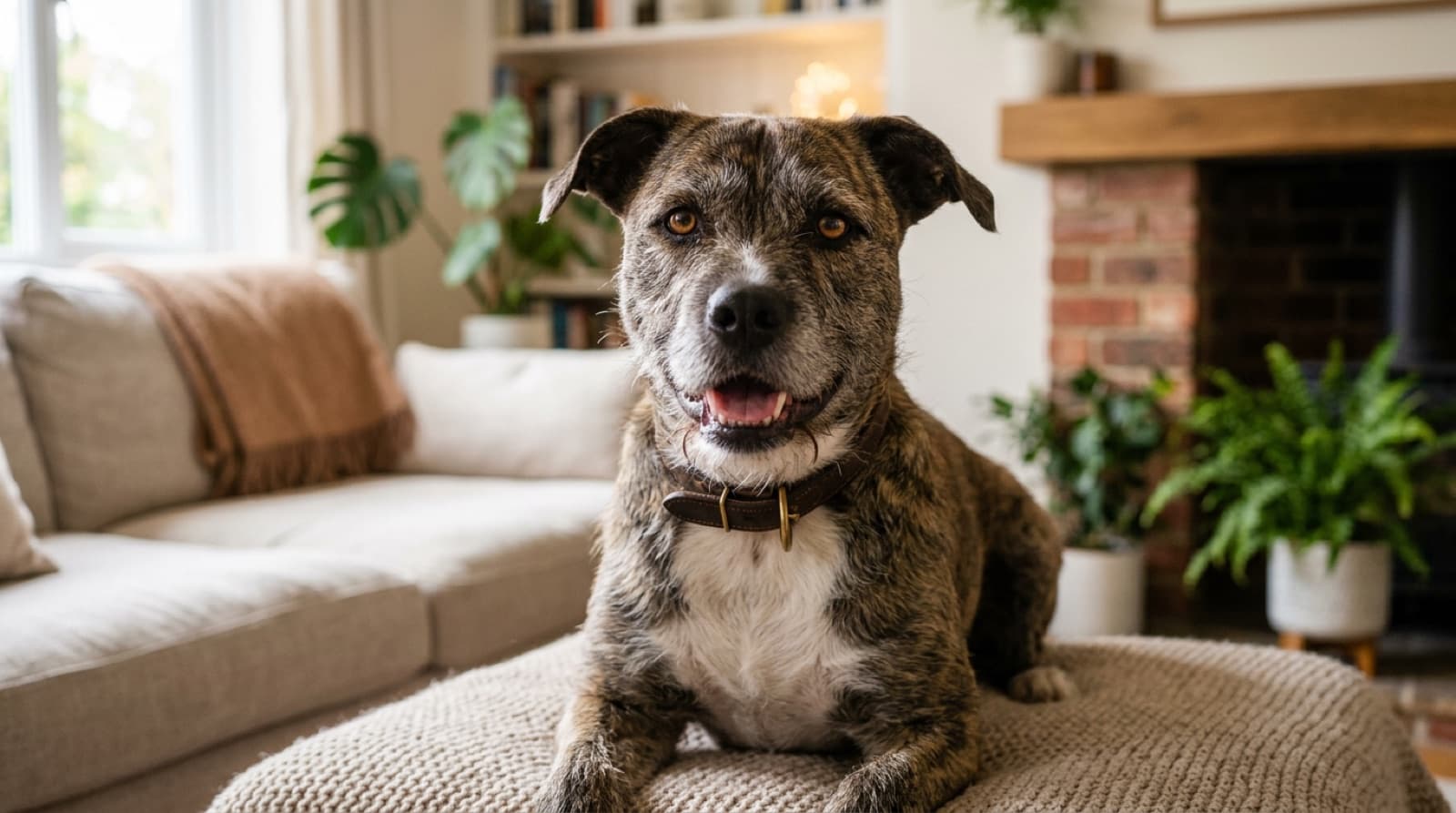
The first thing to understand is that pit bull is not a single breed the way Labrador or Beagle is. It is a broad label that usually covers a few recognised breeds, the American Pit Bull Terrier, the American Staffordshire Terrier, and the Staffordshire Bull Terrier, and in everyday use it gets stretched to include almost any muscular, short-coated, blocky-headed mixed dog that looks the part. That is the crucial point: it describes an appearance, not a defined genetic group.
This is why the label is so slippery. Two dogs called pit bulls can have completely different genetics, and a dog can look like the popular image of a pit bull while carrying little or none of the actual bully breeds. When you ask “is my dog a pit bull,” you are really asking two different questions at once: does my dog look like the type, and does my dog have those breeds in its DNA. The answers do not always match, and a great deal of confusion, and some real unfairness to dogs, comes from treating a look as if it were a genetic fact.
Why the shelter's label is so often wrong
Shelter breed labels are honest best guesses, made quickly at intake by someone looking at the dog with no pedigree and usually no history. And when it comes to pit bulls specifically, those guesses miss a lot. A University of Florida study found that shelter staff frequently mislabelled dogs' breeds when checked against DNA, misidentifying dogs as pit bulls that were not, and missing bully-breed ancestry in dogs that had it. Visual breed identification, even by experienced people, matches a dog's actual DNA only a fraction of the time.
So the label on your dog's kennel card was a snapshot judgement about a look, not a genetic finding. That cuts both ways. Plenty of dogs stamped “pit bull mix” come back with no bully breed at all, sometimes turning out to be boxer, mastiff, bulldog, or a mix nobody guessed. And some dogs never labelled as such do carry those breeds. If the label is bothering you or affecting your dog's options, a DNA test is the only way to replace the guess with the actual breakdown, which is the same reason it helps to find out what breed your rescue dog really is.
What a DNA test can and cannot settle
Here is where a test genuinely helps, and where it does not, because managing that expectation matters.
What it can do is give you your dog's real breed makeup. A test from Embark or Wisdom Panel will report the recognised bully breeds if they are present, and will just as often show a dog labelled pit bull with little or none of them. That can be genuinely reassuring, and it is often surprising. Read the result the way you would any breed report: trust the large percentages, hold the tiny trace slices loosely, and lean on one of the two established tests rather than a budget kit, since this is a question that can carry consequences and accuracy matters.
What it cannot reliably do is get you around a breed restriction, and this is the part where honesty saves people grief. Many breed-restricted housing policies, insurers, and breed-specific bylaws define “pit bull” by appearance, not by DNA. So a report showing your dog is not primarily a restricted breed may satisfy some landlords or insurers and be dismissed by others who judge on how the dog looks. Breed-specific legislation also varies from place to place. The practical takeaway: a DNA test is useful evidence and sometimes helps, but before you rely on it, check the actual wording of the bylaw, lease, or policy that applies to you rather than assuming a test settles the matter. It often does not.
The label matters less than the dog
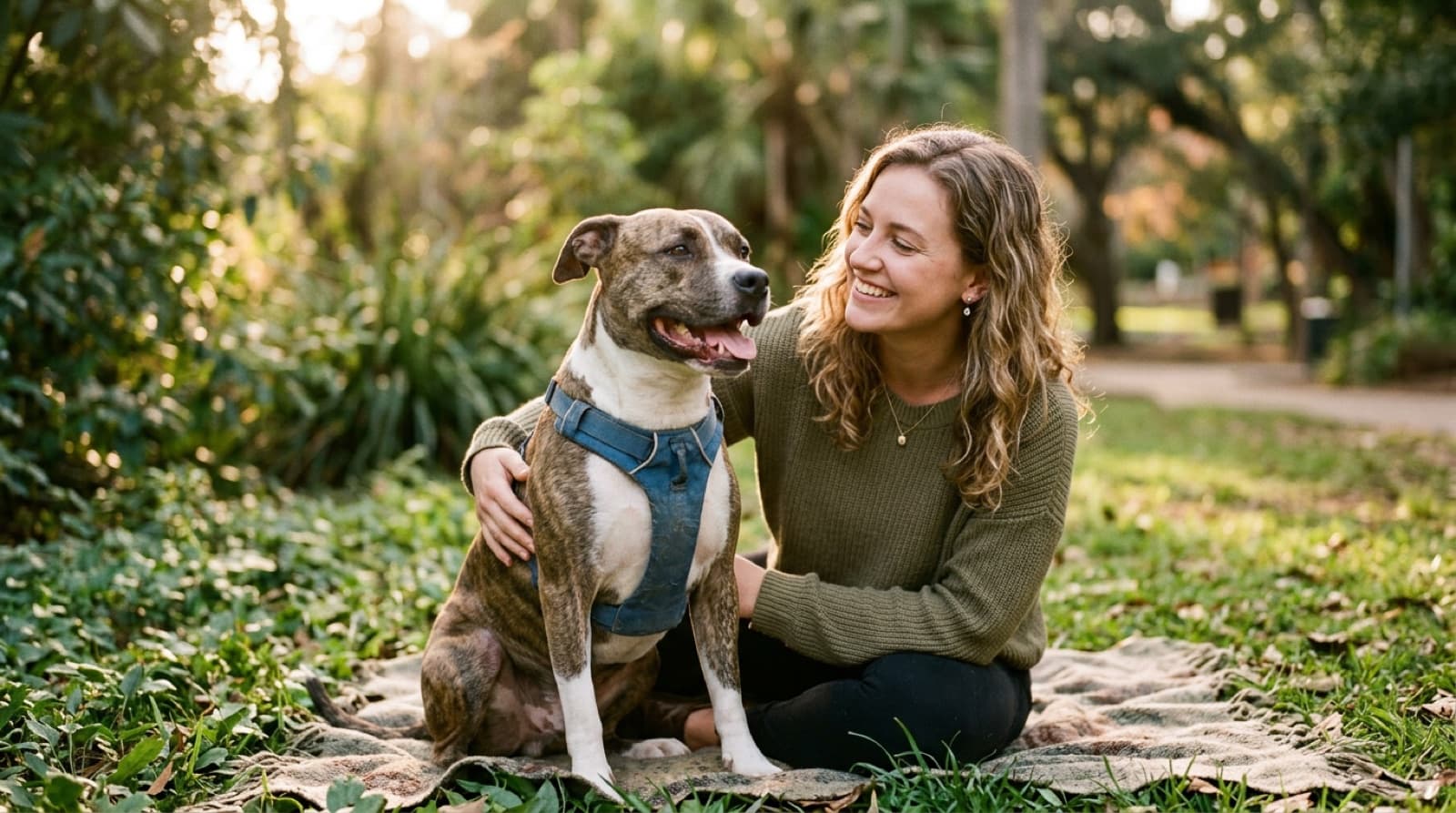
The most important thing to hold onto through all of this is that a breed label, and especially a visually-assigned one that is wrong so often, tells you very little about the dog in front of you. Breed describes tendencies across a whole population; it does not predict an individual dog's temperament, which is shaped by genetics, upbringing, training, and experience together. A pit-bull-labelled dog is not a temperament; it is a dog, and it deserves to be judged as one.
This is not just a feel-good point. Mislabelling has real costs: dogs tagged as pit bulls sit longer in shelters and face housing and insurance hurdles that have nothing to do with who they actually are. Knowing your own dog's real makeup, and understanding that the label was a guess about a look, lets you advocate for your dog with facts instead of assumptions. If you recognise a specific breed in your results, you can read up on what it actually means for care and temperament on the relevant breed page, and take it from there.
Some links on this page are Amazon affiliate links — we may earn a small commission at no extra cost to you. It never changes which tests we recommend. This article is general information, not legal advice; verify any bylaw, lease, or insurance rule that applies to you.
Want the real answer, not the label?
A DNA test replaces the shelter's guess with your dog's actual breed makeup. Our Canada guide covers which test to pick and when to buy on sale.
Best Dog DNA Test in Canada →Frequently Asked Questions
Is "pit bull" a breed?
Not exactly. Pit bull is a catch-all label rather than a single breed, usually covering the American Pit Bull Terrier, American Staffordshire Terrier, and Staffordshire Bull Terrier, plus any muscular, blocky-headed mixed-breed dog that looks the part. Because it describes an appearance more than a defined breed, two dogs called pit bulls can have completely different genetics, which is exactly why the label is so slippery.
Can a DNA test tell me if my dog is a pit bull?
It can tell you your dog's actual breed makeup, which often surprises people who were told pit bull, but it cannot give a clean yes or no because pit bull is not one breed. A test will report the recognised bully breeds if they are present, and it frequently shows that a dog labelled pit bull has little or none of them. What it gives you is the real genetic picture, not a verdict on a label that was never precise to begin with.
Why did the shelter call my dog a pit bull?
Because someone assigned a breed by looking at the dog on intake, and a broad-headed, muscular, short-coated dog gets called a pit bull far more often than DNA supports. Shelter labels are honest, quick best guesses made with no pedigree, and research shows visual breed guesses match a dog's DNA only a fraction of the time. It is not that the shelter did anything wrong; it is that you cannot reliably read a mixed dog's ancestry from its face.
Will a DNA test get my dog past a breed restriction or pet insurance rule?
Sometimes it helps, but do not count on it, and check your local rules first. Many breed-restricted housing policies, insurers, and breed-specific bylaws define "pit bull" by appearance rather than genetics, so a DNA report showing your dog is not primarily a restricted breed may satisfy some landlords or insurers and be ignored by others who judge on looks. Breed-specific legislation varies by jurisdiction, so verify the actual bylaw and the specific policy that applies to you rather than assuming a test settles it.
Does my dog's breed label predict its behaviour?
No. A breed or a breed label describes tendencies across a whole population, not the temperament of your individual dog, and a pit bull label in particular tells you very little about how a specific dog behaves. Individual personality is shaped by genetics, upbringing, training, and experience together. Judging a dog by a label, especially a visually-assigned one that is often wrong, is exactly the trap this whole topic is about.
How accurate is a DNA test at identifying bully breeds?
The two established tests, Embark and Wisdom Panel, reliably detect the recognised bully breeds when they are present in a dog of common ancestry, which is what makes them useful here. Accuracy drops for very heavily mixed or exotic dogs and for tiny trace percentages, so read the big slices as solid and hold the small ones loosely. Budget kits are not reliable enough to trust on a question that may carry real consequences.
What Breed Is My Rescue Dog?
Why shelter labels miss, and what a DNA test actually tells you.
How Accurate Are Dog DNA Tests?
How much to trust a result, and where even the good tests have limits.
Best Dog DNA Test in Canada
Which test to buy, what it costs, and when to catch a sale.
Pit Bull-Type Dogs for Adoption
Meet the dogs behind the label, available from the rescues we track.