Shelter or breeder? List your pets free →

← LocalPetFinder

Cream Cat Cat Adoption

122 adoptable cream cat cats across Canada

Breeder in Canada? Get found by serious adopters, for free.

List your kittens →

Get notified when a Cream Cat is listed

We will email you the moment a Cream Cat becomes available in Canada, from a rescue or an owner rehoming.

One email when there’s a match. Unsubscribe anytime.

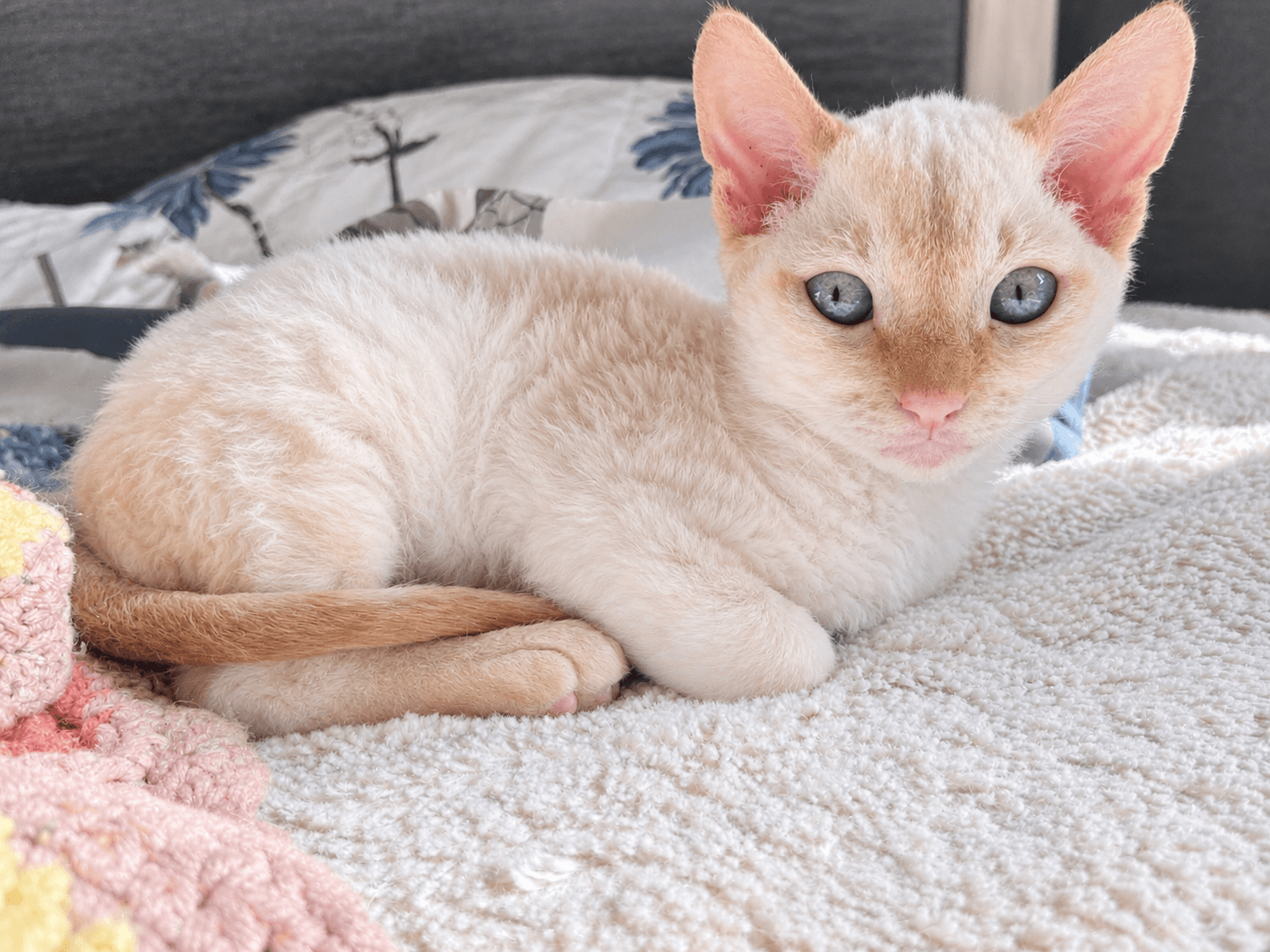
Cream is orange with the volume turned down

A cream cat carries the orange gene together with a dilution gene that softens it, so what would have been a bright ginger comes out a pale buff. The same dilution gene turns black into grey and tortoiseshell into a muted blue-cream. Because cream needs both genes rather than one, it is meaningfully less common in rescue than orange.

That also means cream cats inherit the orange genetics wholesale, including the sex skew. Most cream cats are male, for the same reason most gingers are: the gene sits on the X chromosome, so a male needs only one copy to show it.

Cream gets listed as white, and the difference matters

This is the practical reason the page exists. Shelter photographs are lit badly, and a pale buff coat photographs as white constantly. Adopters then ask the wrong questions.

White carries a genuine association with congenital deafness, strongest alongside blue eyes. Cream carries no such association at all. So if a listing looks ambiguous, settle it before you apply: ask for a photo taken beside a window, and look for a warm tone and faint tabby striping, which cream shows and true white does not.

A solid cream cat is rare

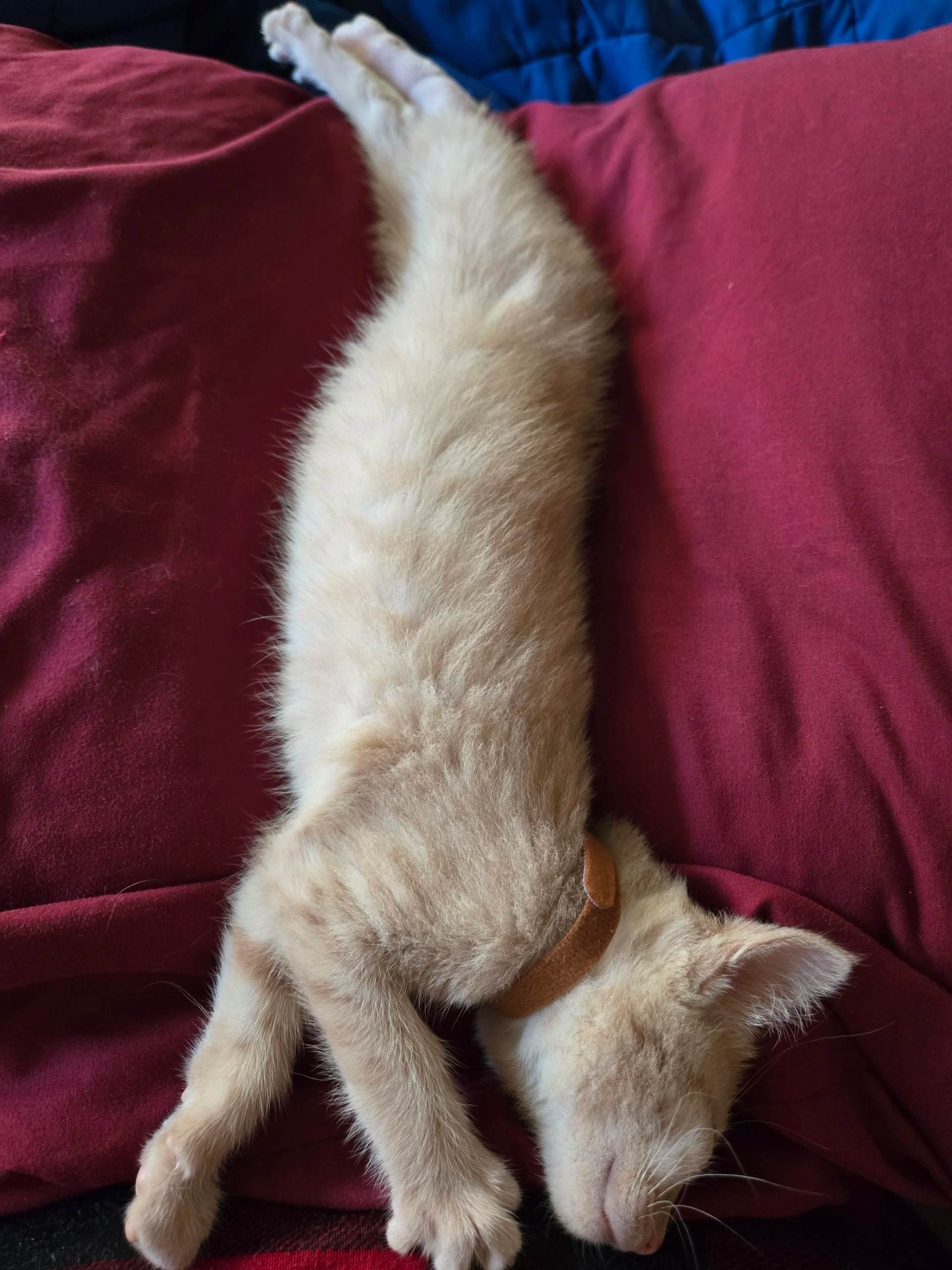
The orange gene does not suppress the underlying tabby pattern the way solid black does, so nearly every cream cat has markings somewhere. In a bright window you will usually find faint stripes on the legs and tail, a ring or two around the neck, and the tabby M on the forehead.

That is worth knowing when you are reading listings, because a rescue may describe the same cat as cream, buff, cream tabby or dilute orange depending on who wrote it.

Finding one

Because cream needs two genes rather than one, the list on any given day is short. An alert is genuinely more useful here than refreshing listings, and widening to orange increases what is available several times over.

  • Set an alert rather than checking back; cream turns over slowly.
  • Search orange and ginger too, and read the photographs rather than the colour label.
  • Ask whether the cat is half of a bonded pair, which is common and lengthens the wait.
  • Expect a male, though female creams do exist.

Most cream cats in rescue are domestic shorthairs, the short-coated, mixed-ancestry cats that make up most of Canada's adoptable cats.

Cream Cat Cat Adoption FAQ

Tap a question to expand

How many Cream Cats are available for adoption in Canada?▼
As of November 2026, 122 Cream Cats are available for adoption in Canada across 54 rescues on LocalPetFinder. Listings update regularly as cats are adopted and new ones arrive — browse the current Cream Cats above and apply directly through the rescue.
What is a cream cat?▼
A cream cat is a diluted orange. It carries the orange gene plus a dilution gene that softens the colour into a pale buff, the same dilution that turns black into grey. Because it needs both genes rather than one, cream is less common in rescue than ginger. Most cream cats are male, for the same X-linked reason that makes most orange cats male.
How do I tell a cream cat from a white cat?▼
Look in daylight for a warm buff tone and faint tabby markings, which cream shows and true white does not. The distinction matters more than it sounds: white is associated with congenital deafness, particularly alongside blue eyes, while cream carries no such link. Shelter photographs blur the two constantly, so ask for a window-lit photo if you are unsure.
Are cream cats rare?▼
Less common than orange, though not rare the way a documented pedigree is. Cream requires the orange gene plus a dilution gene, so it appears less often in the general cat population that feeds rescue. Expect a short list on any given day, and set an alert rather than checking back repeatedly.
Are cream cats always tabby?▼
Nearly always, at least faintly. The orange gene does not suppress the underlying tabby pattern the way solid black does, so most cream cats carry visible striping on the legs and tail and the tabby M on the forehead. A genuinely solid cream coat is unusual, which is why the same cat gets described as cream, buff, cream tabby or dilute orange depending on who wrote the listing.
Is a cream cat a domestic shorthair?▼
Usually, yes. Cream describes the coat, not the breed, and most cream cats in Canadian rescues are domestic shorthairs: short-coated cats of mixed ancestry. A few are domestic longhairs or purebreds, and each listing names the breed the rescue recorded.
Are these cream cats for sale in Canada?▼
Not for sale, for adoption, which is usually the better deal. Every cream cat in the listing above comes from a Canadian rescue or shelter, not a pet store or classified seller. Adoption fees are typically $150 to $500 and already include vaccinations, deworming, microchip and spay or neuter when age-appropriate, versus roughly well over $1,000 to buy a cream cat from a breeder. If you searched "cream cat for sale canada" or "cream kittens for sale," adopting gets you a healthy, vetted cat for a fraction of the price.
Are there free cream cats in Canada, or cream cats under $500?▼
Adoption is the closest honest answer, and it is not free. A rescue cream cat in Canada typically costs $150 to $500. What the fee buys is work already done, the vaccinations, deworming, microchip and spay or neuter, which would cost more than the fee itself if you arranged it yourself, and it is still far below breeder prices. Be wary of genuinely free cream cat listings. An animal advertised free to a good home has usually not been vetted, and free rehoming ads are the route flippers and unregistered breeders use to move animals with no health guarantee and no recourse. Paying a rescue fee buys you a cat someone has already examined, treated, and been honest with you about.
Are there cream kittens in Canada, or only adults?▼
Both, but adults far outnumber kittens, and it is worth knowing that before you start looking. Most cream cats arriving in Canadian rescue are adolescents and adults, because that is the age at which first homes tend to give up. Kittens do come through, usually as accidental litters or with a surrendered mother, and they are typically spoken for quickly. Setting an alert beats refreshing the page. It is also worth asking whether you actually want one: an adult arrives with a temperament a foster has already observed and described, where a cream kitten is a prediction, and for this colour in particular knowing what you are getting is the more useful thing.
Where can I find a cream cat near me in Canada?▼
Start with the listings on this page, which pull from Canadian rescues and shelters and are refreshed regularly, so what you see is what is genuinely available rather than a stale directory. If nothing suits today, that is normal for this colour: rescue intake is intermittent rather than steady, and a colour with none listed this week often has several next month. Setting an alert beats checking back, and it is worth widening to nearby towns, since most rescues serving Canada will adopt out across a reasonable driving distance rather than only inside one municipality.

Looking for cream cat cat adoption in a specific city? Each city link above has a city-scoped page with local rescue context and city-specific FAQ. Or browse the Calgary Cream Cat cat adoption guide for the most detailed local content we have.

Adopt a Cream Cat by province

Browse cream cat cats by city