The short answer
Senior pets (usually around seven and up for dogs, a bit older for cats) and special-needs pets, those with a manageable medical condition or a difference like blindness, deafness, or three legs, are the animals most often skipped in rescue. That is a missed opportunity. Seniors are frequently calm, house-trained, and past the destructive young stage, so the transition is easy. Blind and deaf animals adapt remarkably well and live full, happy lives. The honest trade-offs are real: seniors may have more vet costs and fewer years, and some special needs require extra routine or expense. But these pets bond deeply and quickly, ask for little, and reward you enormously. If you can offer a calm home and take the trade-offs with eyes open, adopting one is hugely worthwhile. As always, your veterinarian is the right guide for any specific condition.
Why these pets wait the longest
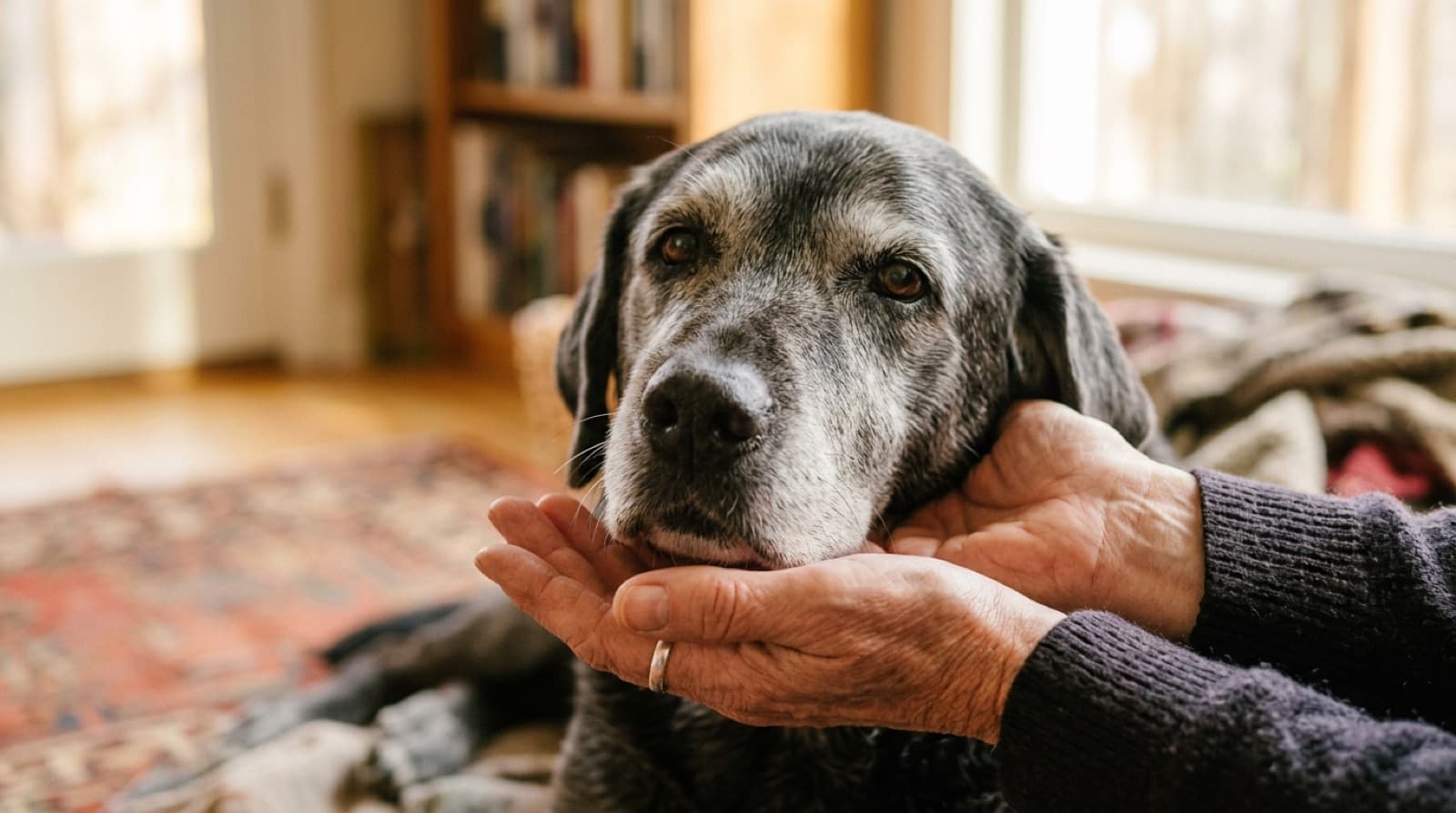
Walk through any shelter and the animals that sit the longest are the grey-muzzled seniors and the ones with a special need. Adopters gravitate to puppies and kittens, and an older or differently-abled animal gets passed by, often again and again. It is rarely because anything is wrong with them. It is because people assume a senior or special-needs pet will be harder, sadder, or more expensive than it actually is.
That assumption costs these animals dearly, and it is mostly mistaken. Many seniors ended up in rescue through no fault of their own: an owner who died, a move, a family change, a financial crisis. They are not problem animals. They are good pets who lost their home late in life. Understanding why they wait is the first step to seeing what a gift they can be for the right person willing to look past the grey muzzle.
What 'special needs' actually means
Special needs is a broad label that covers a wide range, and most of it is far more manageable than the phrase suggests. At the lighter end are animals that are blind, deaf, or missing a limb, differences that sound dramatic but that the animal itself barely seems to notice. In the middle are manageable chronic conditions like a well-controlled thyroid issue or allergies that need a particular diet.
At the more involved end are conditions that require daily medication or routine care, such as diabetes that needs insulin, or a mobility issue that needs some support. Even these are often very livable once you have a rhythm. The key point is that special needs is not one thing. It ranges from an animal that needs nothing more than a slightly adapted home to one that needs a committed daily routine, and a good rescue will tell you exactly where on that spectrum a particular pet sits.
The myths worth letting go of
Three myths keep these animals waiting, and all three are largely false. The first is that senior and special-needs pets will not bond as deeply. The opposite is usually true. Older animals and ones who have been overlooked tend to bond fast and hard, and many seem genuinely grateful, settling in with a devotion that surprises people.
The second myth is that they are all heartbreak and huge bills. Some seniors are perfectly healthy, and many special needs are minor or well-managed, so this is far from guaranteed. The third is that a disability means a poor quality of life. Watch a blind dog navigate a home it has mapped, or a three-legged cat tear around at full speed, and that myth evaporates. Animals live in the present and adapt to their bodies without self-pity. The sadness people project onto them is mostly ours, not theirs.
The underrated case for a senior
Seniors are arguably the easiest pets to bring home, and that is the best-kept secret in rescue. Most are well past the demanding baby stage. They are typically house or litter trained, know basic manners, are calm rather than destructive, and are happy to fit quietly into your life from day one. If you want a companion without the chaos of raising a young animal, a senior delivers exactly that.
There is also something genuinely moving about it. A senior who has lost its home is offered, in you, a soft and loving final chapter, and that is a profound thing to give. Yes, you may have fewer years together, and that is the honest cost. But adopters who have done it almost universally say the depth of those years more than makes up for the number. A calm, affectionate, already-trained companion who adores you is a wonderful trade for a little less time.
Blind, deaf, and three-legged pets
Sensory and mobility differences worry people far more than they should, because the animals handle them with remarkable grace. Blind dogs and cats map their home through smell, sound, and memory, and once they know the layout they move through it with confidence. Keep the furniture in place and the food and litter in consistent spots, and a blind pet lives a full, normal life. Deaf animals adapt just as well, simply tuning into hand signals and vibration instead of sound.
Three-legged animals are often the most startling to watch, in the best way, because they move so fast and freely you forget the missing limb. Animals do not grieve a lost leg the way we imagine. They adjust and get on with the business of being a happy pet. These differences usually call for small, common-sense adaptations rather than constant care, and in return you get a companion whose resilience is genuinely inspiring to live alongside.
The real considerations, honestly
None of this is to pretend there are no trade-offs, because there are, and going in clear-eyed is what makes the adoption succeed. Seniors and some special-needs pets can carry higher veterinary costs, whether routine senior monitoring or managing an ongoing condition, so budgeting for that, and ideally having pet insurance or a savings buffer, matters more than usual. Some conditions need daily medication or a set routine that ties you down a little.
There is also the emotional side of adopting an older animal, knowing your time together may be shorter, which is a real thing to make peace with before you commit. The most important practical step is to talk openly with the rescue and, for any medical condition, with a veterinarian, about what care a specific animal needs, what it costs, and what the daily routine looks like. Nothing here is a reason to say no. It is simply the honest picture, so you choose with full information rather than a rush of sympathy.
Is it the right choice for you?
Senior and special-needs adoption suits a particular kind of adopter, and it is worth knowing if that is you. It is a wonderful fit if you want a calm, low-drama companion rather than a project, if you can absorb potentially higher vet costs, and if you are at peace with the trade-offs, whether that is a shorter time together or a daily care routine. People who have raised young animals before and want something gentler often love it.
It may not be the right call if your budget has no room for added medical costs, if you need an animal with no special routine, or if you are not ready to face the emotional side of a senior. And that is completely okay. The goal is the right match, not guilt. But if you can offer a steady, loving home and take the trade-offs with open eyes, adopting the animal everyone else passed over is one of the most rewarding things you will ever do. Talk to the rescue about which of their overlooked pets might be your perfect fit.
Further reading: the ASPCA on senior pet care, the Canadian Veterinary Medical Association.
Could an overlooked pet be your match?
Senior and special-needs adoption suits a particular adopter. The readiness check helps you see if it is you.
Check if you are ready →FAQ
Tap a question to expand