Showing 6 cats
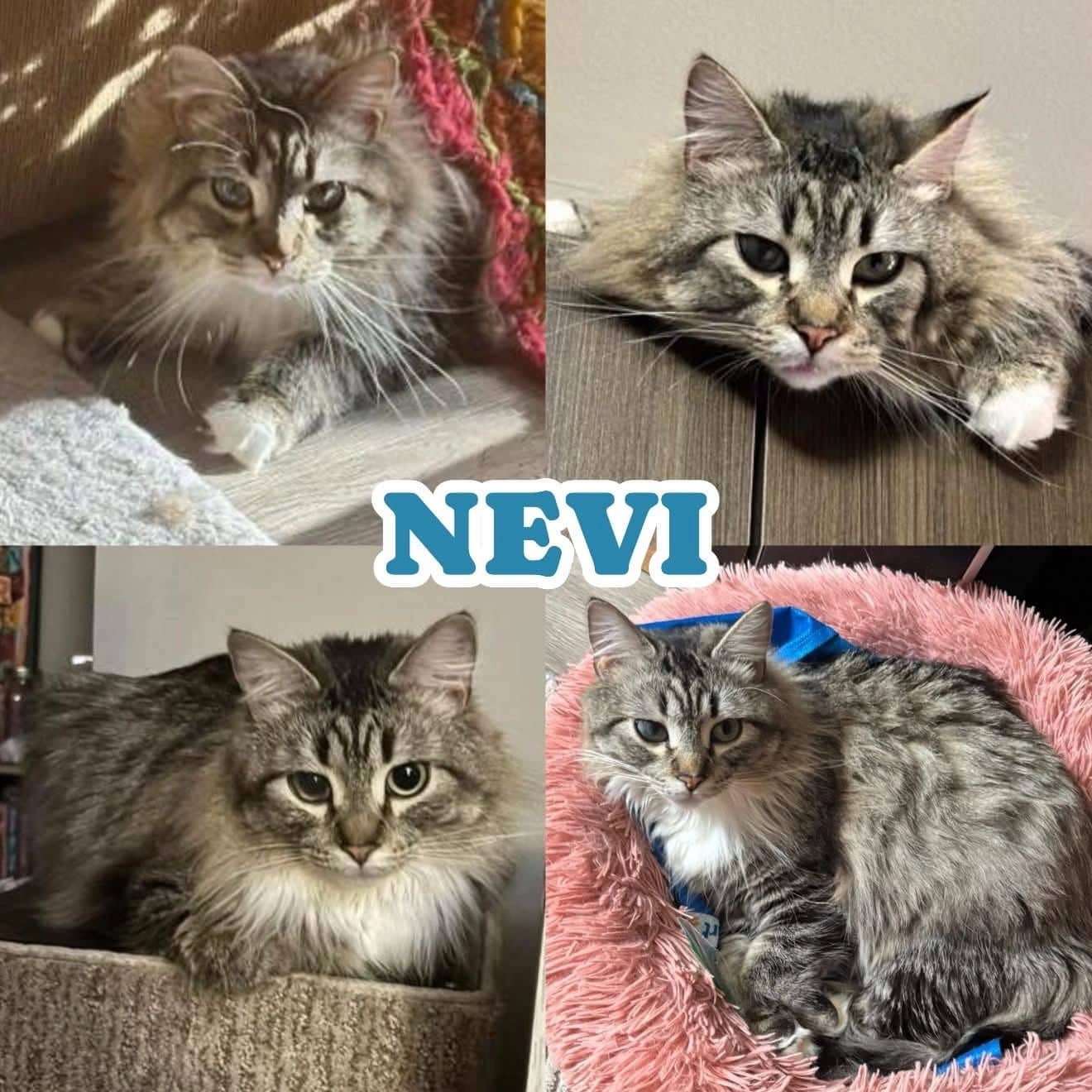
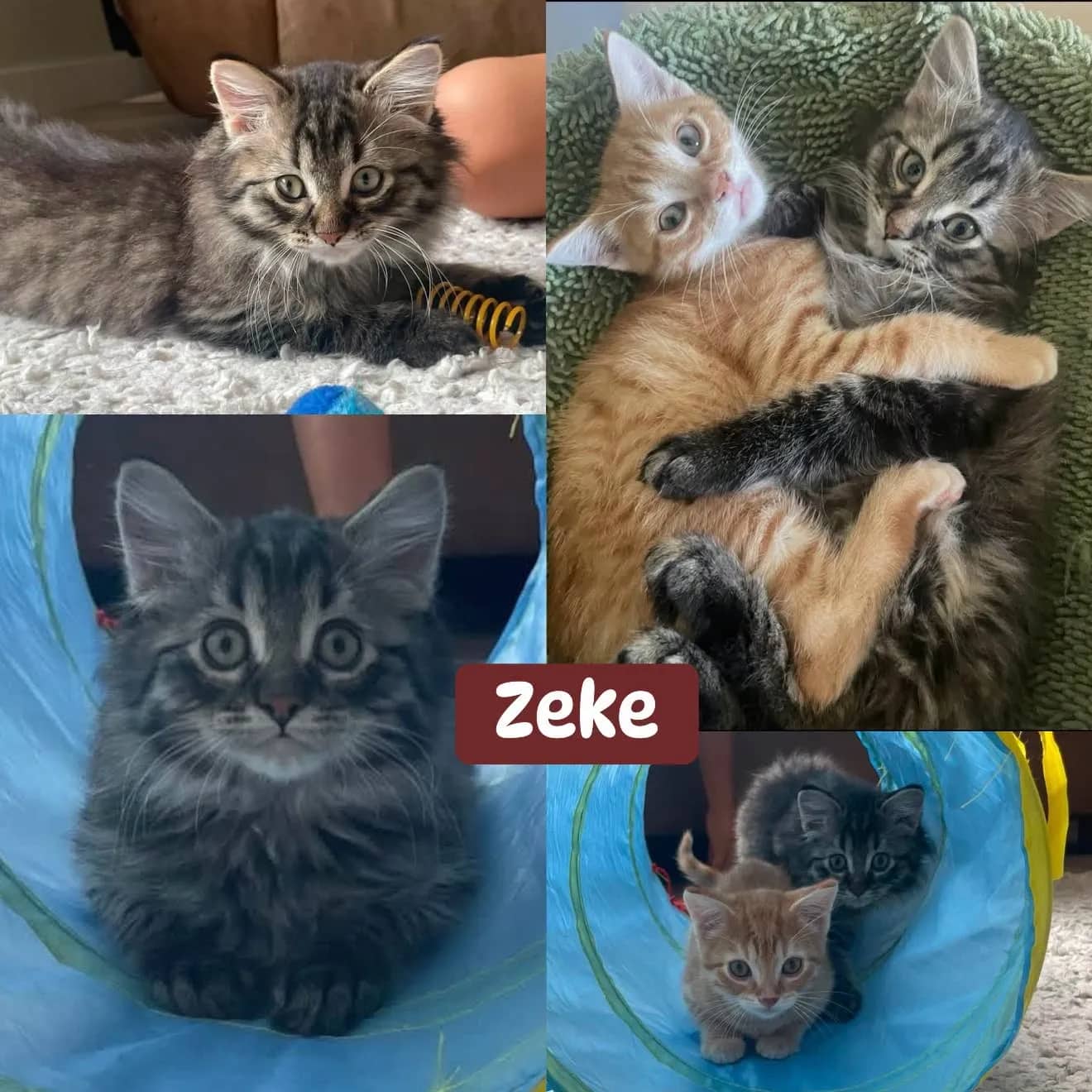
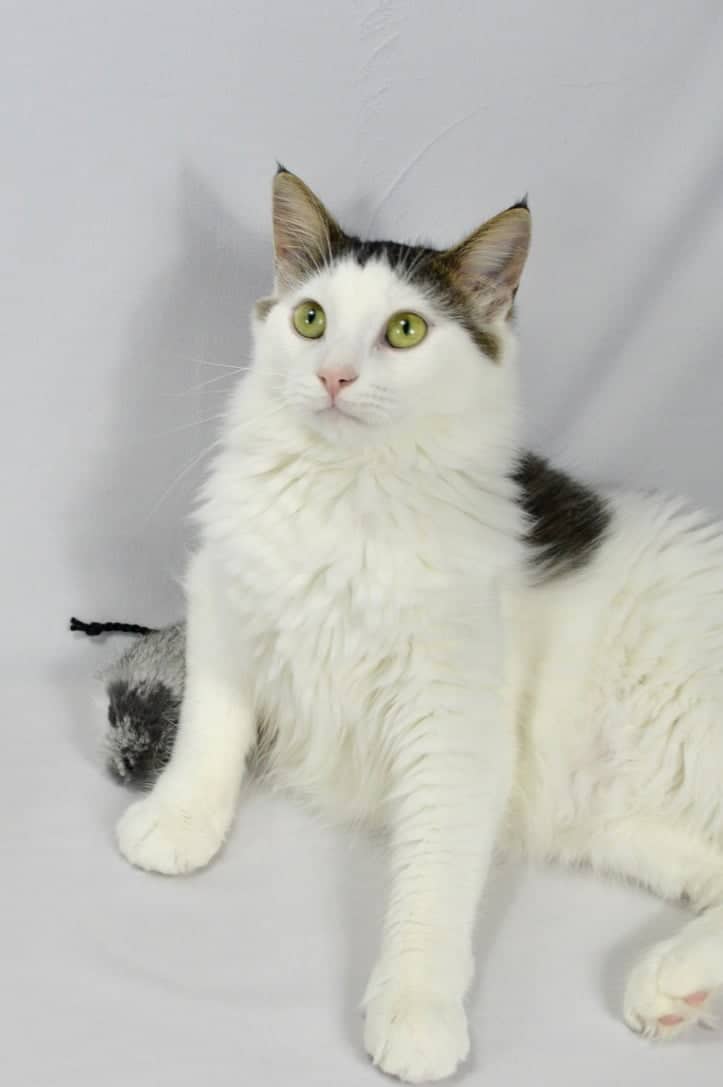
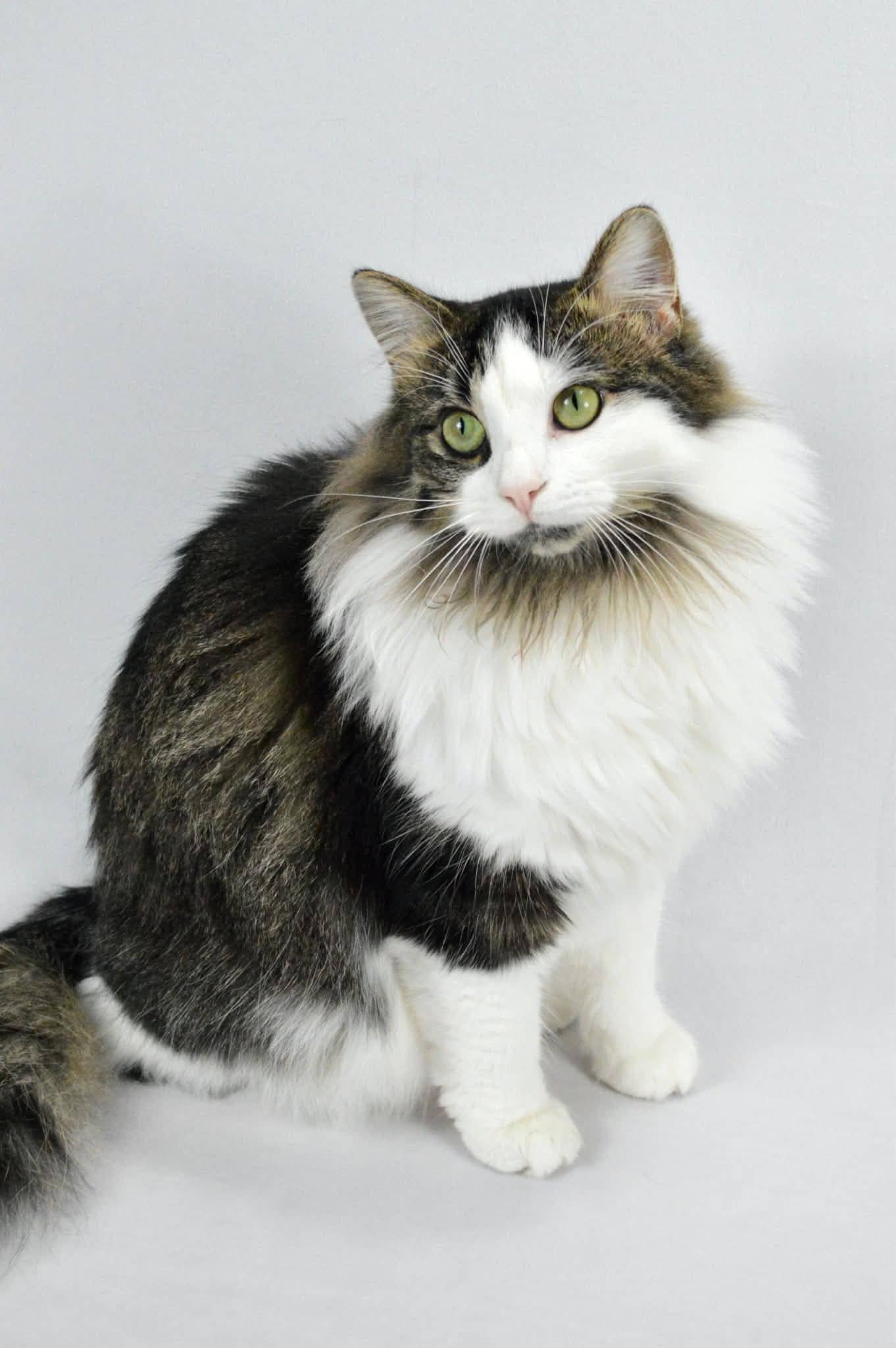
Get notified when a Domestic Longhair is listed
We will email you the moment a Domestic Longhair becomes available in Manitoba, from a rescue or an owner rehoming.
Adopting a domestic longhair in Manitoba
The domestic longhair, or DLH, is the longhaired counterpart to the domestic shorthair: any mixed-ancestry cat with a medium-to-long coat that is not a specific pedigreed breed. MB rescues see DLH cats regularly at Winnipeg Humane Society, D'Arcy's ARC, and Craig Street Cats. Many of these cats have Maine Coon, Persian, or Norwegian Forest ancestry mixed in, which is why DLH inventory often includes large, fluffy cats with laid-back temperaments.
This page lists every adoptable DLH across the MB rescues we cover, refreshed regularly. For adopters who want the look of a longhaired pedigreed cat without the breeder price tag, the DLH is the obvious choice.
Why DLH cats are often the smartest longhaired adoption choice
Mixed ancestry generally produces healthier cats than concentrated pedigreed breeding. A DLH cat with Maine Coon or Norwegian Forest in its background often has the size and personality adopters love about those breeds, without the same elevated rates of hypertrophic cardiomyopathy or polycystic kidney disease. Most DLH cats reach 14 to 18 years with routine care, similar to DSH life expectancy.
Adoption fees for DLH cats are the same standard rescue range as DSH, often half or less of what a Maine Coon or Persian costs at a breeder. The visual and temperament appeal of a longhaired cat is the same.
Coat care in the harshest prairie winter
Longhaired cats need more grooming than shorthaired cats, and Manitoba winter heating makes the coat care harder for a longer stretch than anywhere else in Canada. January and February indoor humidity in Winnipeg commonly drops to 15 to 20 percent and the heating season runs five to six months, the longest dry-indoor stretch in the country. The combination dries skin and increases shedding and matting. Brush a DLH twice a week through winter, run a humidifier in the main living space, and watch for mats behind the ears, under the armpits, and on the belly.
A senior or recently surrendered DLH may need extra grooming help in the first month while it settles. Most rescue fosters can tell you how the cat tolerates brushing.
What DLH cats are actually like to live with
A domestic longhair is the long-coat alternative to a breeder cat. The things to plan for:
- Brush twice a week. More in spring shedding and the long Manitoba winter dry season.
- Many show Maine Coon or Persian ancestry. Look for the size, fluff, and laid-back temperament.
- Genetically more robust than concentrated pedigree breeds, usually.
- Coat picks up burrs, dust, snow, and road salt. Indoor cleanliness matters more than for a shorthair.
- Longhaired tabby, tuxedo, calico, and tortie patterns all show up regularly.
- Indoor only. The long coat picks up snow and road salt that no rescue wants tracked in.
- Long-lived. Most DLH cats reach 14 to 18 years with routine care.
What the fee usually covers
DLH adoption fees at MB rescues sit in the standard rescue cat range, similar to DSH. The fee covers spay or neuter, core vaccinations, microchip, deworming, and a vet check. Confirm the exact figure on the cat's own listing.
Looking more broadly? Browse every adoptable cat across the province on Cat Adoption Manitoba.
The rescues that most often list Domestic Longhairs across the province are Winnipeg Humane Society, D'Arcy's ARC, and Craig Street Cats. For breed-specific background, the Canadian Cat Association is a useful reference.
Domestic Longhair Adoption FAQ — Manitoba
Tap a question to expand
How many Domestic Longhairs are available for adoption in Manitoba?▼
Where can I find domestic longhair adoption near me in Manitoba?▼
Is domestic longhair a breed?▼
How much grooming does a domestic longhair need?▼
Are domestic longhairs healthier than pedigreed longhaired breeds?▼
How much does it cost to adopt a domestic longhair in Manitoba?▼
Are domestic longhairs good with kids?▼
Popular cat breeds in Manitoba
Domestic Longhair adoption by city in Manitoba
Each city page lists only the domestic longhairs available from rescues serving that city.