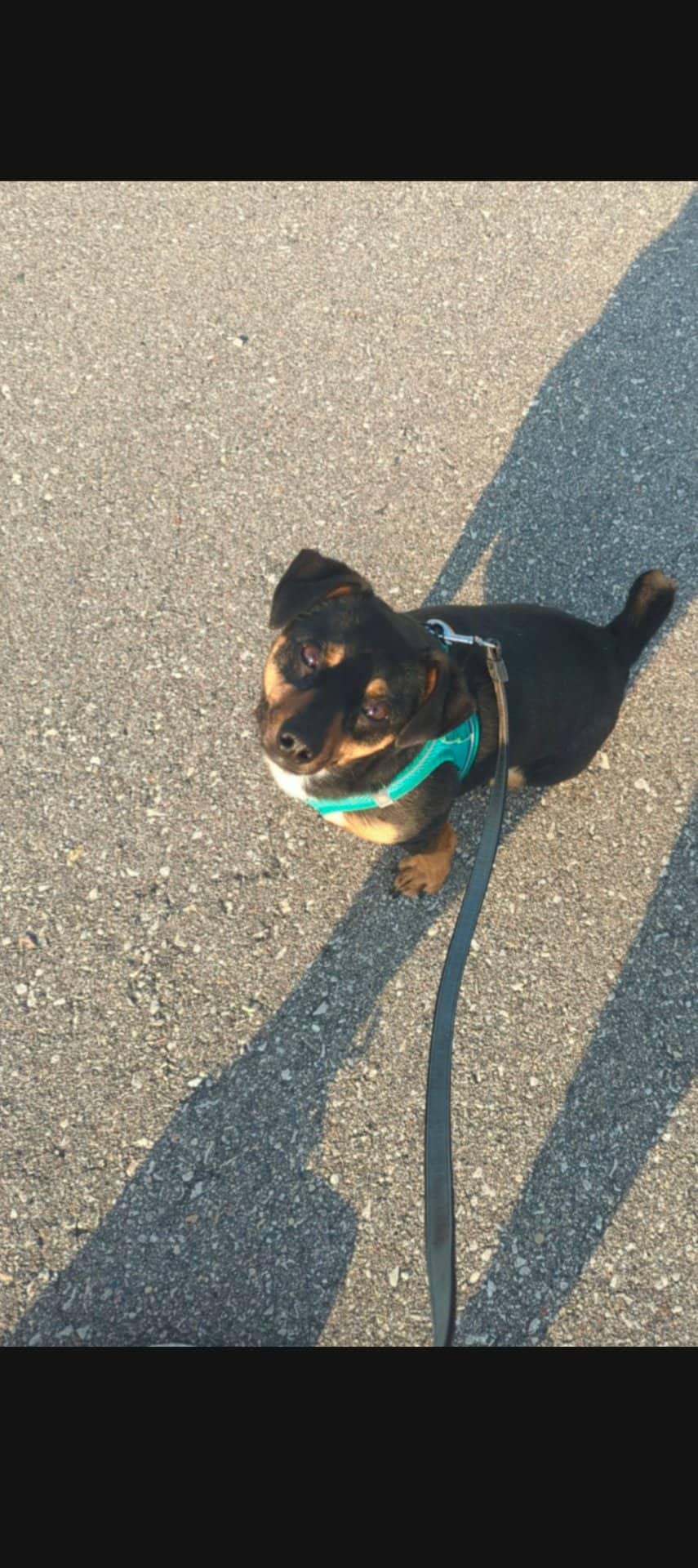
Dachshunds in Winnipeg, right now
We're currently tracking 1 adoptable Dachshund in southern Manitoba, listed by 1 rescue including Owner Rehoming. Listings update regularly, and most Dachshunds in Winnipeg get adopted within days of being posted — if one catches your eye, reach out fast.
Adopting a Dachshund in Winnipeg
Dachshunds turn up in Winnipeg rescue steadily through the year. The Winnipeg Humane Society on Hurst Way, Manitoba Mutts foster network, D'Arcy's ARC on Century Street and Hull's Haven all see Doxies and Doxie crosses through most months. The intake story splits two ways: condo-popular small dogs that worked great until a back injury sidelined the family budget, and senior surrenders from elderly Winnipeg owners who could no longer manage the stairs in their Wolseley or Crescentwood walk-ups. Most are 2 to 8 year old adults.
This page pulls every adoptable Dachshund from the Winnipeg shelters we cover into one searchable place, refreshed regularly. Doxie inventory cycles fast and well-prepared adopters get the first conversation. Foster homes routinely arrange meets across Osborne Village, Corydon, St. Boniface, Transcona and Fort Garry.
Why Dachshunds cycle through Winnipeg rescue
The dominant pattern is IVDD-related surrender. Intervertebral disc disease — the long-back, short-legs herniation risk — is the breed's defining medical problem and a Winnipeg household that paid $2,500 to $3,500 for a Dachshund puppy without budgeting for a $5,000 to $8,000 IVDD surgery hits a wall the day the dog goes down. Some pay and recover. Some surrender to the Winnipeg Humane Society or Manitoba Mutts for the rescue to handle the medical workup. The second pattern is the condo stairs and apartment problem. Winnipeg buyers love Doxies in Osborne Village walk-ups and downtown condos because the small size fits weight caps, but a Doxie that has to navigate a Wolseley walk-up lobby, elevator and unit stairs daily is at elevated IVDD risk over years.
The third pattern is senior owner surrender. Many Winnipeg Dachshunds in rescue are seniors themselves (10+ years), surrendered when an elderly owner could no longer carry the dog up walk-up stairs or afford specialty care. These dogs are gentle, house-trained, and well-socialised — and adoption fees are often reduced for senior Doxie placements.
IVDD — the breed-defining health question
Intervertebral disc disease (IVDD) is the single most important health question for a Winnipeg Dachshund adopter. The long back relative to short legs creates extreme leverage on the spinal discs and the breed carries the highest IVDD risk of any dog — lifetime incidence in Dachshunds is estimated at 25 percent. A herniated disc presents as sudden hind-end weakness, dragging legs, or paralysis. Emergency neurology surgery at MVMA referral practices in Winnipeg runs $5,000 to $8,000, with tertiary or complex cases routing to the Western College of Veterinary Medicine in Saskatoon — a five-hour drive that adds travel cost and time on top of treatment. Recovery from severe cases requires 6 to 12 weeks of strict crate rest and physiotherapy.
Weight management is the single biggest IVDD prevention lever. A 5 lb weight gain on a 12 lb Doxie is the equivalent of 30 lbs on a 70 lb dog — and triggers a disc herniation faster than almost any other factor. Winnipeg Doxie owners keep food portions strict, avoid stairs where possible (carry the dog up walk-up flights, use a ramp from couch to floor), and limit jumping. Pet insurance taken out the week you bring the dog home is essential — premiums are $50 to $100 a month for a young Doxie and the first IVDD episode pays for the policy. A pre-existing IVDD diagnosis does not qualify.
Stairs, walk-ups and the Winnipeg urban pattern
A Winnipeg Doxie in a condo or walk-up needs a stairs management plan. Carrying the dog up flights is the breed standard — most Winnipeg Dachshund owners use a ramp or a pet stair to access the couch and bed, never let the dog jump from height, and physically lift on every floor transition. A downtown Winnipeg condo with elevator access plus controlled jumping is manageable. A Wolseley or Crescentwood walk-up triplex with constant stair navigation is high IVDD risk over years.
Yards need ramp access if the level changes. Hardwood and tile flooring (slippery for short legs) is the daily challenge — rugs and runners help. The good news on Winnipeg urban housing: Doxies are condo-friendly on weight (10 to 30 lbs for Mini and Standard sizes) and fit most Winnipeg condo declarations. Read the declaration but most boards accept small Doxies without issue.
Manitoba winter cold — booties, jackets, short walks
A Mini Dachshund (10 to 12 lbs) and a low-belly Standard (16 to 30 lbs) are both genuinely cold-vulnerable in Winnipeg winter. The thin coat, short legs and low ground clearance mean direct snow contact on the belly within minutes. From November through March a winter coat plus booties are mandatory for any walk longer than 5 minutes — and at -35°C with prairie windchill into the -50s, most Doxies refuse to walk regardless of gear. Plan for 10 to 15 minute outdoor sessions only in deep cold, with indoor enrichment (puzzle feeders, scent games, training sessions) carrying the dog through the coldest weeks.
Road salt on Winnipeg sidewalks from November to March is hard on the paws — booties also protect against salt burn. A dry-off mat at the entrance helps with the snow and salt the dog tracks in. Most Winnipeg Doxie owners report the dog actively asks to come back in within 10 minutes once the temperature drops below -20°C. Summer is the easier season — humidex into the high 30s requires early morning or after-dark walks but the breed handles heat reasonably well as long as belly contact with hot pavement is avoided.
Other health concerns — patella, dental, eyes, double dapple
Beyond IVDD, Dachshunds carry patellar luxation (knee dislocation), progressive retinal atrophy and cataracts, Cushing's disease, and significant dental disease — the long narrow jaw traps food and most adult Doxies need annual dental cleanings at $500 to $800 in Winnipeg. Heavily white-coated dogs (double dapple from merle to merle pairings) often have deafness, blindness or both. Reputable breeders never pair merle to merle and most double dapple Doxies in rescue come from accidental backyard pairings. Hypothyroidism and obesity-prone metabolism show up in adults — keeping weight strict is the single biggest health intervention.
A foster who has lived with the dog for weeks knows movement, comfort, dental status and any IVDD history. Ask directly. A previously-recovered IVDD episode in the dog's file is not a deal-breaker but pet insurance will not cover future IVDD episodes if the diagnosis is pre-existing on the policy.
What Dachshunds are actually like to live with
A well-matched Dachshund in Winnipeg is one of the most affectionate, loyal, deeply bonded small breeds in any rescue. The harder parts to plan for:
- IVDD is the defining risk. Weight management, ramps, no jumping, carry up stairs.
- Condo-friendly on weight but high stair risk. Downtown elevator condo works, Wolseley walk-up does not.
- Stubborn by genetics. Bred as independent badger hunters — training requires patience and high-value food.
- Vocal. Alert-bark at the condo lobby, the elevator ping, every visitor. Plan socialisation early.
- Cold-sensitive in Manitoba winter. Jackets and booties mandatory November to March. Short walks at -20°C and below, indoor enrichment for -35°C cold snaps.
- Dental disease constant. Annual cleanings at $500 to $800 in Winnipeg, daily brushing extends the gap.
- 12 to 16 year lifespan. Long commitment, one of the longer-lived breeds in rescue.
- Bonded hard to one person. "One-person dogs" — separation anxiety is common in rescue Doxies.
What the fee usually covers
Dachshund adoption fees at Winnipeg rescues typically run $350 to $550 for an adult dog. Senior Doxie placements (10+ years) often have reduced fees of $200 to $350. The fee covers spay or neuter, core vaccinations, microchip, deworming, and a vet check before placement. Dental work and any IVDD history at intake are worth asking about specifically. Confirm the exact number on the dog's own listing.
How to actually search
Use the filters above to narrow by size (Mini 10 to 12 lbs, Standard 16 to 30 lbs), age (puppy through senior), good with kids (varies — Doxies are not always toddler-friendly), and shelter. Read the listing carefully for IVDD history, dental status and stair management notes. If a dog fits, apply the same day. Foster homes across Winnipeg are usually willing to set up a video call before you drive across the city for an in-person meet.
Looking more broadly? Browse every adoptable dog across the province on Dog Adoption Manitoba.
The rescues that most often list Dachshunds across Manitoba are Winnipeg Humane Society, Manitoba Mutts Dog Rescue, D'Arcy's ARC, and Hull's Haven Border Collie Rescue. For breed-specific background, the Canadian Kennel Club is a useful reference.
Dachshund guides for Winnipeg adopters
Dachshund Adoption FAQ — Winnipeg
How many Dachshunds are available for adoption in Winnipeg?
As of October 2026, Dachshunds are rare in Winnipeg rescue — only 1 is listed right now across 1 rescue on LocalPetFinder. They tend to get adopted fast, so setting an alert is the most reliable way to find one.
Where can I adopt a Dachshund near me in Winnipeg?
Winnipeg has Dachshunds and Doxie crosses in rescue most months of the year. The major sources are the Winnipeg Humane Society on Hurst Way, Manitoba Mutts Dog Rescue's foster network, D'Arcy's ARC on Century Street, and Hull's Haven. This page lists what is currently available across all of them. Each profile links directly to the rescue to apply. Senior Doxie placements often have reduced fees and many are well-socialised, house-trained adults.
What is IVDD and how serious is it for a Winnipeg Dachshund?
IVDD (intervertebral disc disease) is the long-back-short-legs herniation risk that defines the breed. Lifetime incidence in Dachshunds is roughly 25 percent — the highest of any breed. A herniated disc presents as sudden hind-end weakness, dragging legs, or paralysis. Emergency neurology surgery at MVMA referral practices in Winnipeg runs $5,000 to $8,000, with tertiary cases routing to the Western College of Veterinary Medicine in Saskatoon (a five-hour drive). Weight management, ramps, no jumping, and carrying up stairs are the prevention pieces. Pet insurance taken out the week you adopt covers post-policy IVDD episodes — premiums are $50 to $100 a month for a young Doxie.
Can I keep a Dachshund in a Winnipeg condo with stairs?
Yes on weight (Doxies fit weight caps in most Winnipeg condo declarations) but the stair pattern matters. A condo with elevator access plus controlled jumping at home is manageable for IVDD risk over years. A Wolseley or Crescentwood walk-up triplex with constant stair navigation is high risk and most Winnipeg Doxie owners avoid it. Use ramps from couch and bed to floor, carry the dog up walk-up flights, and add runners on hardwood. Read the condo declaration but most boards accept small Doxies without issue.
How cold can a Dachshund handle in Winnipeg winter?
Both Minis (10 to 12 lbs) and Standards (16 to 30 lbs) are cold-vulnerable in Winnipeg. A winter coat and booties from November through March are mandatory. At -20°C and below walks should be short — 10 to 15 minutes maximum — with indoor enrichment for the rest of the daily exercise. At -35°C with prairie windchill into the -50s, most Doxies refuse to walk regardless of gear. Road salt from November to March burns paws — booties protect against both cold and salt. A dry-off mat at the entrance helps. Most Winnipeg Doxie owners report the dog wants outside time but bails quickly in deep cold.
Are Dachshunds good with kids in Winnipeg?
Variable. Doxies are bred as independent hunters and many are wary of fast-moving toddlers and rough handling. The IVDD risk also means picking the dog up incorrectly or jumping from heights can cause real injury — kids old enough to follow handling rules (no picking up, no rough play, no jumping) work fine. Most Winnipeg rescues note the specific dog's history with children on the listing. Senior Doxies (10+ years) are often the safer placement for households with young children given the calmer temperament.
What are the Dachshund sizes and coat types?
Dachshunds come in two sizes and three coat types. Sizes: standard (usually 16 to 32 lbs) and miniature (11 lbs and under); a "tweenie" is an in-between dog, common but not an official size. Coats: smooth (short), long-haired, and wire-haired, each with slightly different grooming needs and, many owners say, a slightly different personality. They all share the long back that makes IVDD (spinal disc disease) the breed's defining health risk, so keep any Dachshund lean and discourage jumping on and off furniture regardless of size or coat.
How much does it cost to adopt a Dachshund in Winnipeg?
Adopting a Dachshund in Winnipeg typically costs $250 to $650, and puppies usually carry a premium at $450 to $800. The exact fee varies by rescue, and older dogs are often reduced. That fee is not a purchase price. It covers work already done on the dog: spay or neuter, vaccinations, deworming, microchip, and a basic vet workup, which would cost several hundred dollars more if you arranged it yourself after buying. Buying the same breed from a registered breeder generally runs well over $1,000, usually with a waitlist. Ask the rescue what is included before you apply, since a few include extras like a starter bag of food or a first-month insurance trial.
Are these Dachshunds for sale in Winnipeg?
Not for sale, for adoption, which is usually the better deal. Every Dachshund here comes from a Winnipeg rescue or shelter, not a breeder, pet store, or classified seller. Adoption fees are typically $250 to $650, with puppies at $450 to $800 and already include vaccinations, deworming, microchip and spay or neuter when age-appropriate, versus roughly several thousand dollars to buy a Dachshund from a breeder. If you searched "dachshund for sale winnipeg" or "dachshund puppies for sale," adopting gets you a healthy, vetted dog for a fraction of the price.
Where can I buy a Dachshund in Winnipeg, and should I?
You can buy from a registered breeder, but it is worth weighing against adoption first. A reputable Dachshund breeder typically charges several thousand dollars and often has a waitlist, while a rescue Dachshund costs $250 to $650, with puppies at $450 to $800 fully vetted and may be available now. Be cautious of cheap dachshund-for-sale ads on classified sites and marketplaces, which are frequently backyard breeders or puppy-mill resellers with unvetted, sometimes sick animals and no health guarantee. If you do buy, insist on seeing where the puppies were raised and getting vet records. For most families in Winnipeg, adopting a rescue Dachshund is cheaper, faster, and gives a dog in need a home.
Are there free Dachshunds in Winnipeg, or dachshunds under $500?
Adoption is the closest honest answer, and it is not free. A rescue Dachshund in Winnipeg typically costs $250 to $650, with puppies at $450 to $800, so the lower end lands under the "$500" people search for and the rest does not. What the fee buys is work already done, the vaccinations, deworming, microchip and spay or neuter, which would cost more than the fee itself if you arranged it yourself, and it is still far below breeder prices. Be wary of genuinely free dachshund listings. An animal advertised free to a good home has usually not been vetted, and free rehoming ads are the route flippers and unregistered breeders use to move animals with no health guarantee and no recourse. Paying a rescue fee buys you a dog someone has already examined, treated, and been honest with you about.
Are there Dachshund puppies in Winnipeg, or only adults?
Both, but adults far outnumber puppies, and it is worth knowing that before you start looking. Most Dachshunds arriving in Winnipeg rescue are adolescents and adults, because that is the age at which first homes tend to give up. Puppies do come through, usually as accidental litters or with a surrendered mother, and they are typically spoken for quickly. Setting an alert beats refreshing the page. It is also worth asking whether you actually want one: an adult arrives with a temperament a foster has already observed and described, where a Dachshund puppy is a prediction, and for this breed in particular knowing what you are getting is the more useful thing.
Where can I find a Dachshund near me in Winnipeg?
Start with the listings on this page, which pull from Winnipeg rescues and shelters and are refreshed regularly, so what you see is what is genuinely available rather than a stale directory. If nothing suits today, that is normal for this breed: rescue intake is intermittent rather than steady, and a breed with none listed this week often has several next month. Setting an alert beats checking back, and it is worth widening to nearby towns, since most rescues serving Winnipeg will adopt out across a reasonable driving distance rather than only inside one municipality.
Have a dog to rehome?
Rehoming a Dachshund in Winnipeg?
List your dog free. Local adopters browsing Winnipeg see owner listings first: no shelter, no fees, you choose the home.
List your pet free →Takes 3 minutes. You stay in control of who adopts.
Not seeing one yet?
Get notified when a Dachshund is listed in Winnipeg
We'll email you the moment a Dachshund is listed in Winnipeg on LocalPetFinder, from a rescue or an owner rehoming.
One email when there's a match. Unsubscribe anytime.
For rescues & shelters
Are you a Winnipeg-area rescue? List your adoptable dogs free.
Free shelter account: your dogs appear here and across LocalPetFinder, with analytics and adoption applications included.