Showing 43 dogs
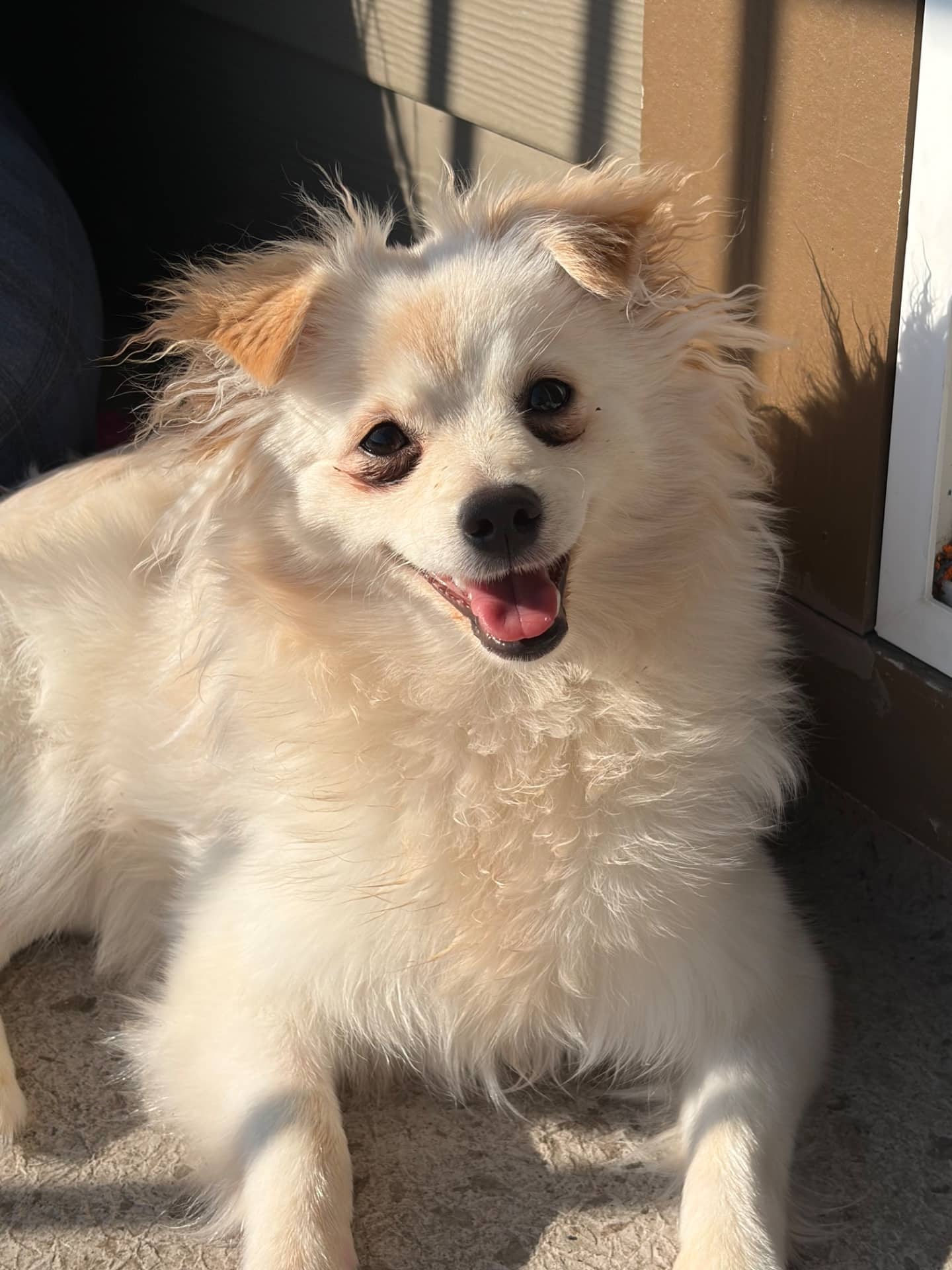
Puppi
10 months • Pomeranian
Owner Rehoming
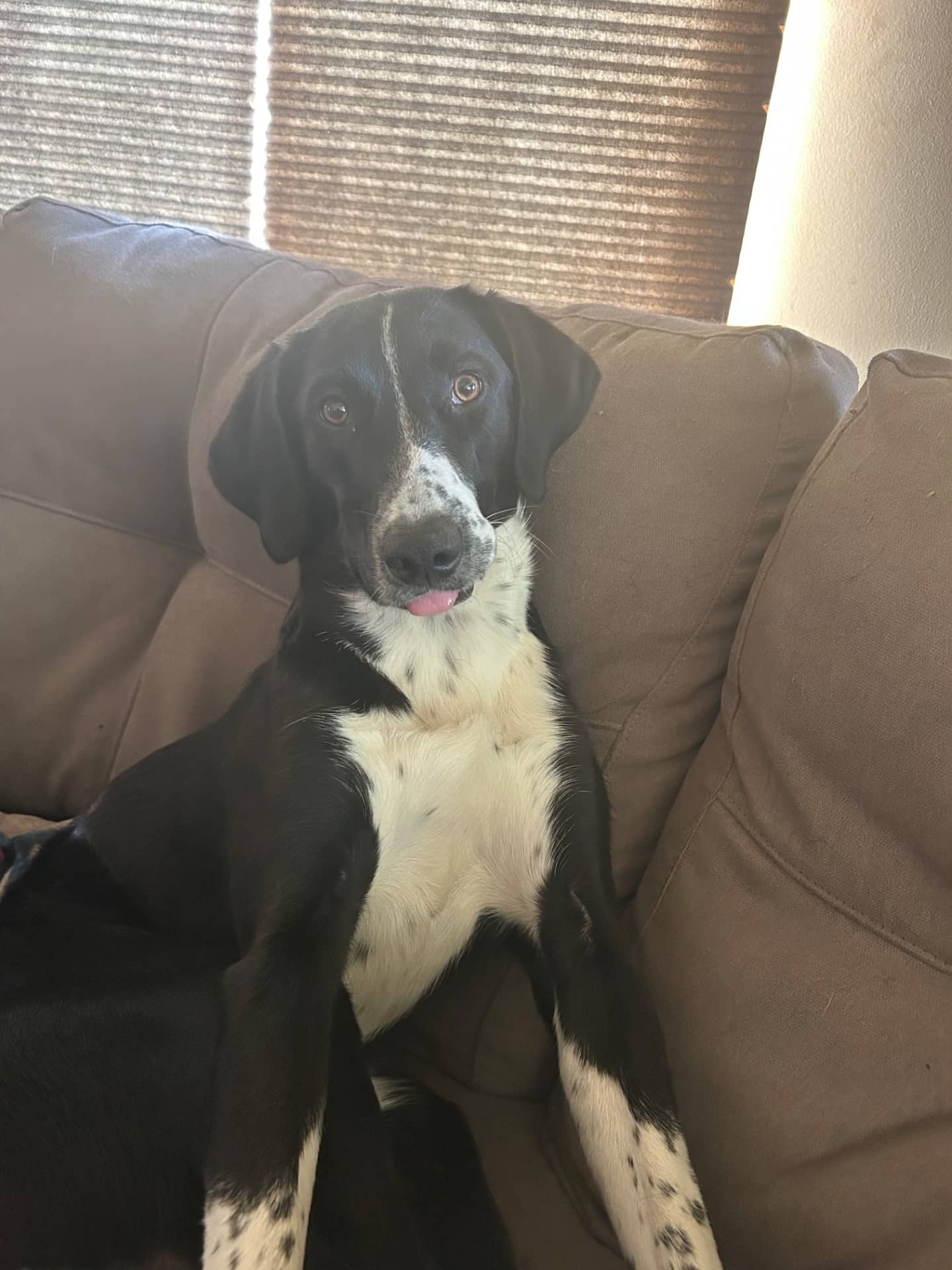
Chomper
1 year • Mixed
Owner Rehoming
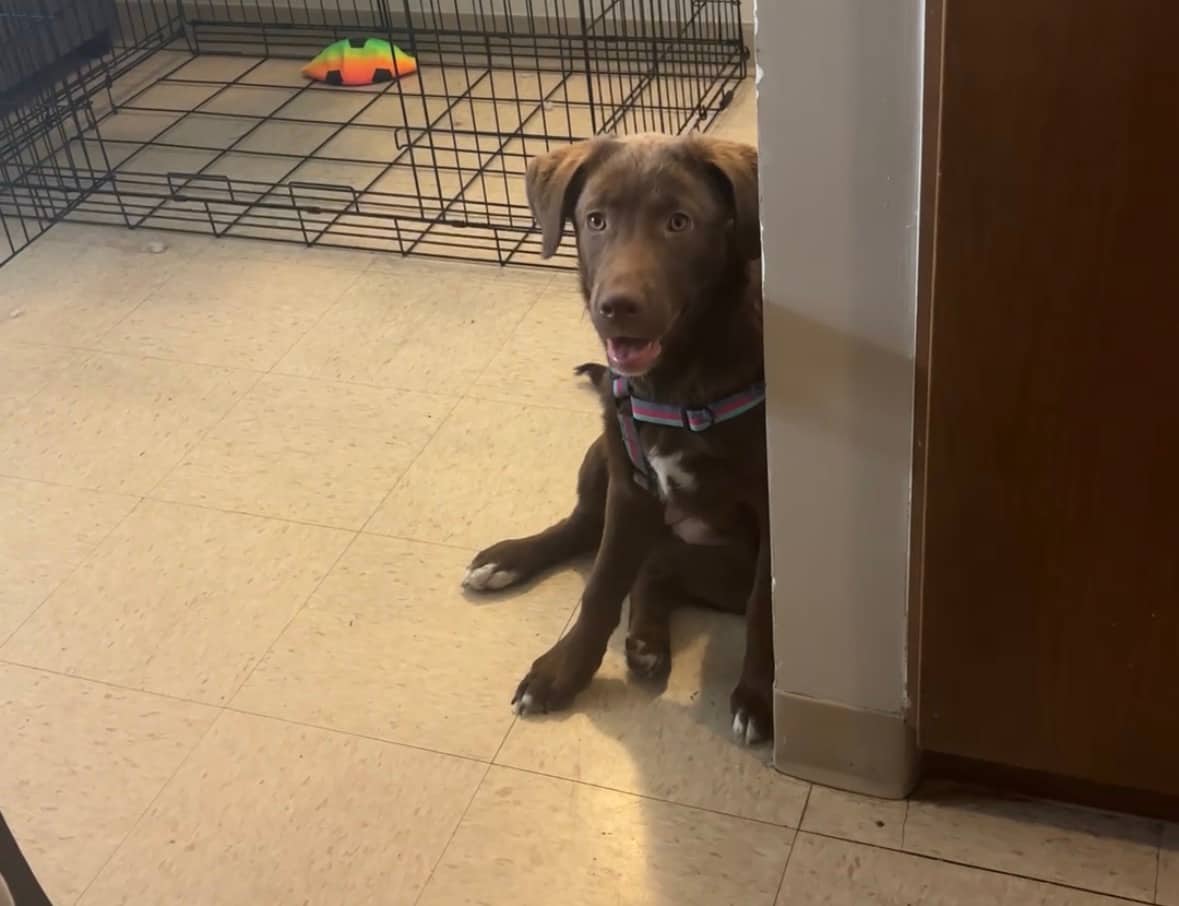
Bear
5 months • Labrador mixed
Owner Rehoming
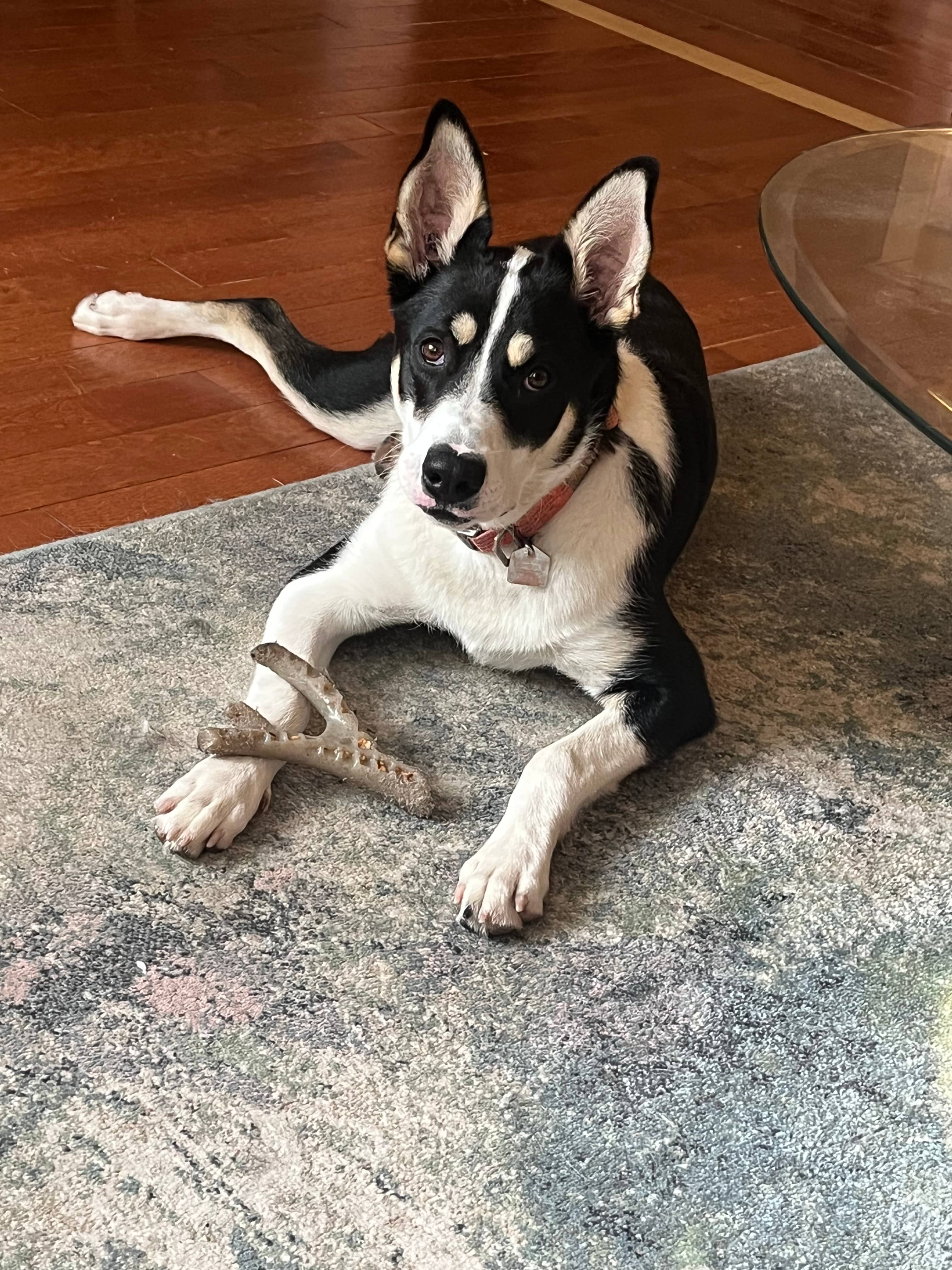
Hala
7 months • Border Collie husky cross
Owner Rehoming
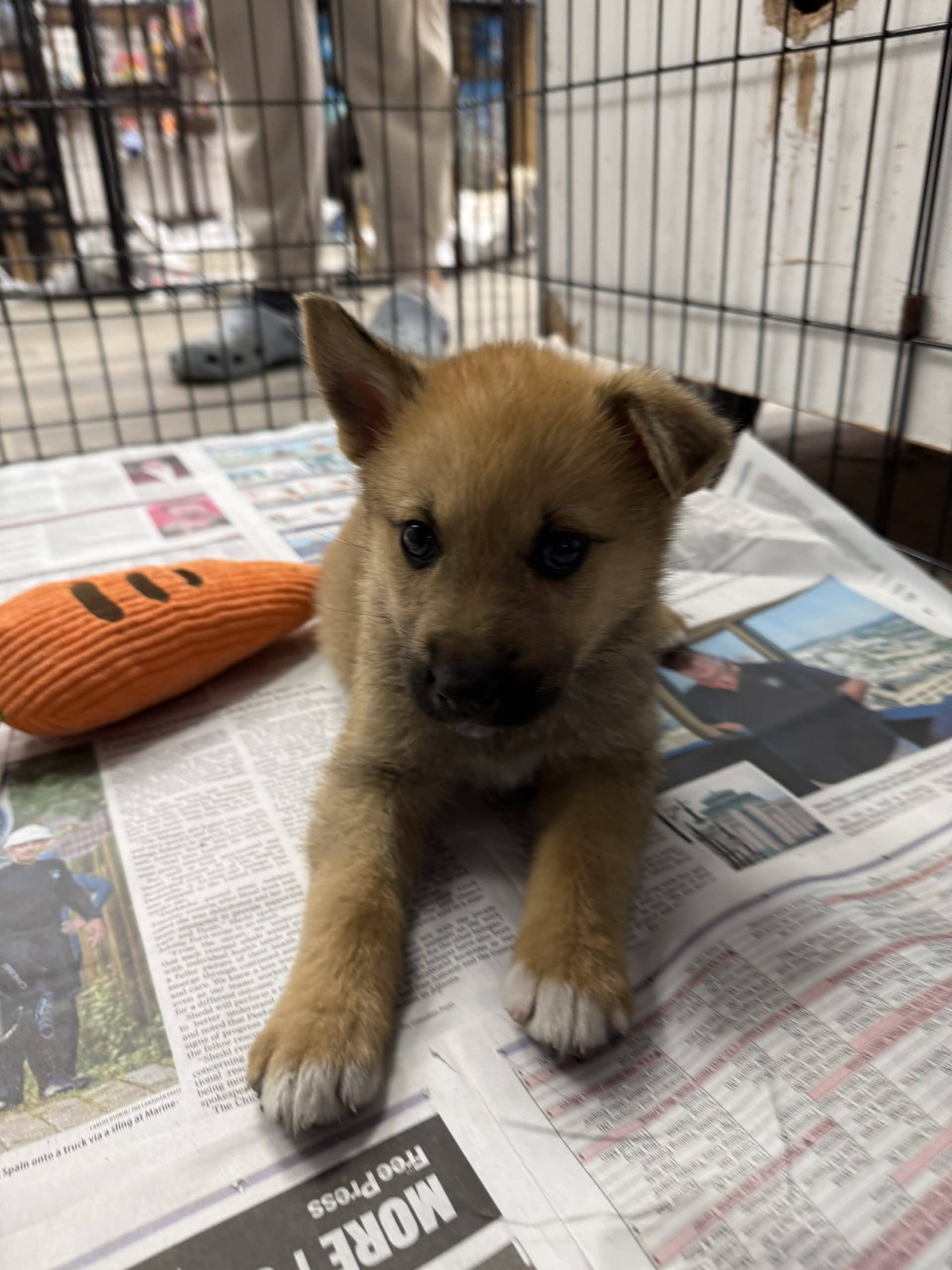
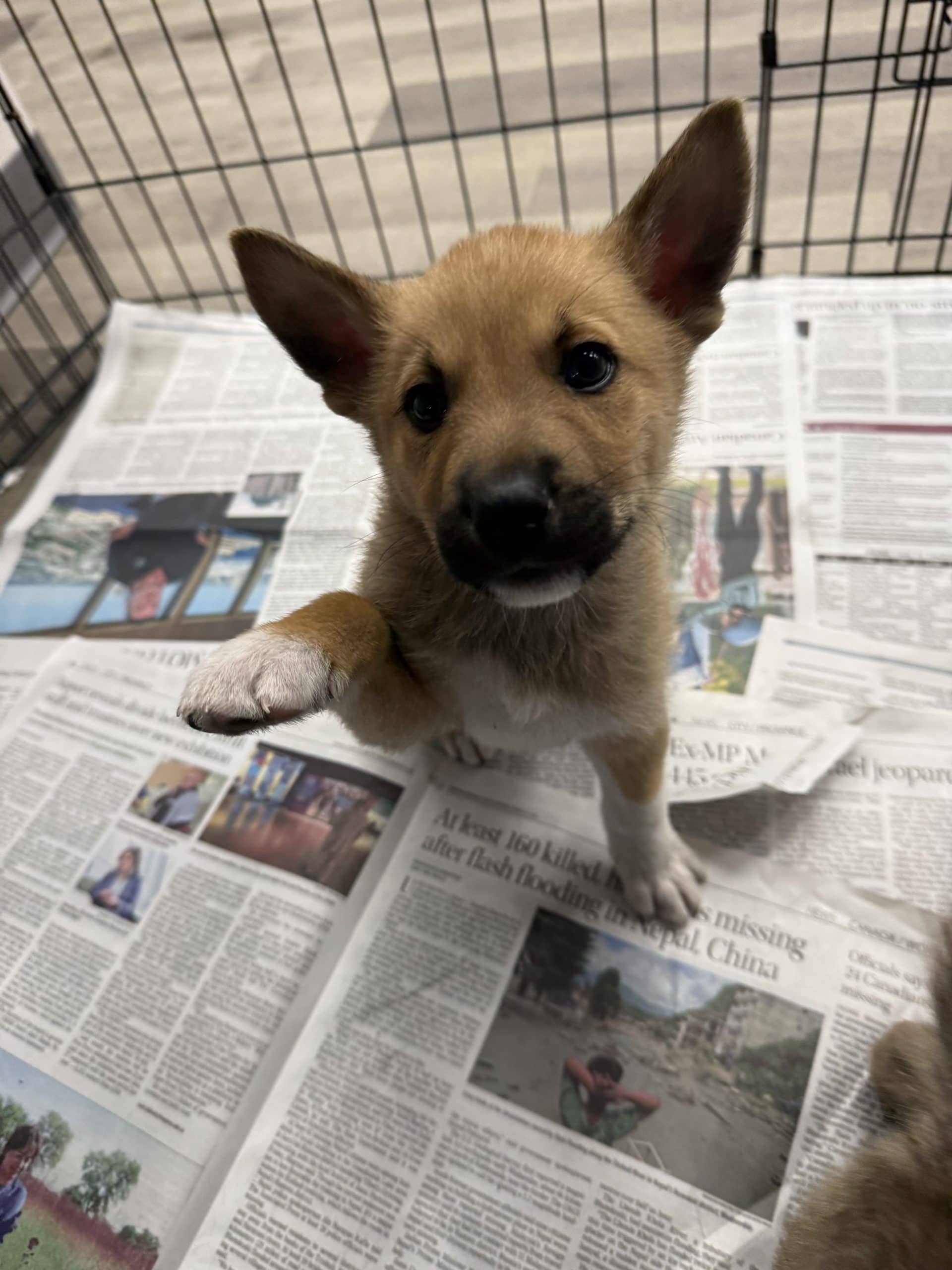

Popular Puppy Breeds & Types in Winnipeg Rescues
Most rescue puppies in Winnipeg are mixed breeds, and mixes often make the healthiest, most adaptable family dogs. Certain breed types still show up again and again in rescue intake, especially herding and working crosses. Browse the breed pages below to see which types are available now.
Labrador Retriever Puppies →
The classic family puppy. Friendly, trainable, great with kids, and forgiving of first-time owners.
German Shepherd Puppies →
Smart and loyal, but high-drive. Shepherd puppies need early socialization and daily mental work.
Husky Puppies →
Common in rescue and beautiful, but escape artists with big exercise needs. Read the breed page first.
Border Collie Puppies →
The most intelligent breed, and the most demanding. Border Collie puppies need a job to stay balanced.
Blue Heeler Puppies →
Cattle-dog crosses are common in rescue. Tough, whip-smart, and nippy as pups. Best for active owners.
Great Pyrenees Puppies →
Livestock-guardian crosses from rural intake. Gentle giants that grow large and need space to settle.
Golden Retriever Puppies →
Gentle, family-oriented, and eager to please. Rare in rescue and quick to go, so set up alerts.
Pit Bull & Bully Puppies →
Common in rescue, often the most affectionate dogs on the floor. Check local housing and insurance rules.
Winnipeg rescue puppies come from a four-rescue network: Winnipeg Humane Society (the city's primary humane organisation, walk-in adoption centre on Hurst Way), D'Arcy's ARC (a St. James adoption centre that also places dogs in foster homes, application-led), Manitoba Mutts Dog Rescue (a Winnipeg-based, foster-based non-profit taking in surrendered and abandoned Manitoba dogs and cats), and Hull's Haven Border Collie Rescue (breed-specific, foster-led). Adopting a rescue puppy gives a young dog a second chance and costs a fraction of buying from a breeder. Rescue fees of $450 to $500 include vaccinations, deworming, and spay or neuter when age-appropriate, so that vet work is already bundled into the fee.
The honest reality on Winnipeg rescue puppy availability: pure puppies under 6 months still get applications within hours of posting. Many “puppies” you'll see in Winnipeg rescue listings are husky-cross, shepherd-cross, or Lab-cross arrivals between 8 weeks and 12 months. Intake is heaviest from late spring through early fall (roughly May through September), driven by prairie summer breeding cycles. Set up email alerts and keep your application materials ready (vet reference, landlord consent if you rent, fenced-yard photos if applicable).
Puppies are a serious time commitment. Consistent house training, socialization during the critical first 16 weeks, and daily obedience work are what turn a rescue pup into a well-adjusted adult dog. Expect to invest several hours a day in the first few weeks. If you're new to puppy training, browse our Winnipeg dog adoption guides and start a routine before bringing the puppy home.
Listings listed here update regularly direct from rescue websites. Winnipeg rescue puppies move fast. If you see a match, apply through the rescue's website within 24 hours.
Where to find puppies in Winnipeg
Winnipeg Humane Society is the largest local intake and operates a walk-in adoption centre at 45 Hurst Way, open most afternoons. Same-day adoption is possible for approved applicants when puppies are available. D'Arcy's ARC is a St. James adoption centre that also places dogs in foster homes, and is application-led, with new dogs regularly added to their site. Manitoba Mutts Dog Rescue is a Winnipeg-based, foster-based non-profit taking in surrendered and abandoned Manitoba dogs and cats, including the occasional puppy or young dog. Hull's Haven Border Collie Rescue is breed-specific and Manitoba-based; they take in Border Collies and Border Collie crosses, including the occasional pup or junior dog. Together these four rescues give Winnipeg one of the stronger puppy networks on the prairies.
Breed types in Winnipeg rescues
Most Winnipeg rescue puppies are mixed breeds. Husky, Shepherd, Cattle Dog, Lab, and Retriever crosses dominate, reflecting prairie surrender patterns. Husky-cross and shepherd-cross litters are common. Border Collie and Border Collie crosses appear regularly through Hull's Haven. Pure-breed puppies do show up (occasional purebred surrenders, the odd small designer mix) but they go fastest. If you're open to a mixed breed, your wait is shorter and your dog's genetic diversity tends to mean fewer breed-specific health problems down the road. Foster homes are usually honest about likely adult size and energy level, which matters because a 12-week mix can grow into a 70-pound active adult.
Raising a puppy through Winnipeg -40°C winter (and West Nile summer)
Winnipeg winters are brutal: -30°C is routine and -40°C with wind chill happens several times every season. This fundamentally changes how you house-train and exercise a young puppy. Keep outdoor potty breaks extremely short (3 to 5 minutes maximum below -25°C) and check paws for ice balls between the toes after every single outing. Booties or paw balm are essential for protecting against salt, ice burn, and frostbite on city sidewalks. Plan for indoor pee pad backup during extreme cold snaps when even a quick yard trip risks frostbite on small puppies. Indoor play sessions, puzzle toys, and short training reps replace long walks on the worst days. Frostbite on ear tips and paws can happen in under 10 minutes below -30°C, so watch for skin colour changes and head inside the moment your puppy lifts a paw or stops walking. Summers swing the other way: +30°C afternoons mean morning and evening walks only, never midday on hot pavement (touch the sidewalk with your hand for 5 seconds — if it's too hot for you, it's too hot for paws). Winnipeg is also the West Nile capital of Canada, with the highest mosquito-borne West Nile risk in the country from July through early September; ask your vet about puppy-safe protection and avoid dawn and dusk in mosquito-heavy areas like the Assiniboine Forest and along the Red and Assiniboine River trails. Once your puppy is fully vaccinated, off-leash areas like Kilcona Park, Little Mountain Park, and Maple Grove Park Off-Leash are great socialization spots.
Winnipeg Rescue Puppy Adoption FAQ
Are these puppies for sale in Winnipeg?▼
Not for sale, for adoption, which is usually the better deal. Every puppy here comes from a Winnipeg-area rescue or shelter, not a breeder, pet store, or Kijiji seller. The adoption fee of $450 to $500 already covers vet work you would otherwise pay for yourself: first vaccinations, deworming, and spay or neuter when age-appropriate. Buying a puppy from a Winnipeg breeder typically costs several thousand dollars before any of that vet work is done. If you searched “puppies for sale Winnipeg,” adopting gets you a healthy, vetted puppy for a fraction of the price.
Where can I buy a puppy in Winnipeg, and should I?▼
You can buy from a registered breeder, but it is worth weighing against adoption first. A reputable Winnipeg breeder usually charges several thousand dollars and often has a months-long waitlist, while a rescue puppy costs $450 to $500 fully vetted and is available now. Be cautious of cheap puppies-for-sale ads on Kijiji or Facebook Marketplace and from roadside sellers, which are frequently backyard breeders or puppy-mill resellers with unvetted, sometimes sick puppies and no health guarantee. If you do buy, insist on meeting the mother, seeing where the puppy was raised, and getting vet records. For most Winnipeg families, adopting a rescue puppy is cheaper, faster, and gives a puppy in need a home.
Where can I find puppies for adoption near me in Winnipeg?▼
LocalPetFinder lists rescue puppies from Winnipeg-area shelters covering downtown, St. Vital, St. James, Transcona, Charleswood, Fort Garry, Tuxedo, and surrounding bedroom communities like Headingley, Oak Bluff, and Selkirk. The four main rescues are Winnipeg Humane Society (walk-in adoption centre on Hurst Way), D'Arcy's ARC (a St. James adoption centre that also places dogs in foster homes), Manitoba Mutts Dog Rescue (Winnipeg-based, foster-based non-profit), and Hull's Haven Border Collie Rescue (breed-specific). Listings refresh regularly.
Are there puppy rescues near Winnipeg?▼
Yes. Winnipeg Humane Society, D'Arcy's ARC, Manitoba Mutts Dog Rescue, and Hull's Haven Border Collie Rescue all take in puppies. Manitoba Mutts Dog Rescue is a Winnipeg-based, foster-based non-profit taking in surrendered and abandoned Manitoba dogs and cats. All four rescues post available puppies to their websites and to LocalPetFinder.
Are these all Winnipeg rescue puppies?▼
Yes. Every puppy listed comes from a Winnipeg-area rescue or shelter, not a breeder, pet store, or Kijiji listing. Adoption fees range $450 to $500 and include vaccinations, deworming, and spay or neuter when age-appropriate.
What age are rescue puppies typically available?▼
Most rescue puppies are between 8 weeks and 12 months old. Rescues wait until puppies are at least 8 weeks before making them available because early socialization with littermates is important for development. Some puppies arrive in foster care even younger and are listed once they reach the appropriate age.
How do I keep a puppy safe during Winnipeg winter?▼
Winnipeg winters routinely hit -30°C and dip to -40°C with wind chill. Keep outdoor potty breaks under 3 to 5 minutes below -25°C and check paws for ice balls between the toes after every outing. Booties or paw balm protect against salt, ice burn, and frostbite on city sidewalks. Replace long walks with indoor play and puzzle toys on the coldest days. Frostbite on ear tips and paws can happen in under 10 minutes below -30°C. Watch for shivering, lifting paws, skin colour changes, or reluctance to walk as signs to head inside immediately. Many adopters use indoor pee pads as backup during extreme cold snaps below -30°C.
How do I protect a puppy through Winnipeg summer and West Nile?▼
Winnipeg summers hit +30°C regularly. Walk early morning and late evening only, never midday on hot pavement. Use the 5-second hand test: if the sidewalk is too hot for your hand, it is too hot for puppy paws. Carry water on every outing. Winnipeg has the highest West Nile virus risk in Canada from July through early September, so ask your vet about puppy-safe mosquito protection, avoid dawn and dusk in heavy mosquito areas like the Assiniboine Forest and the Red and Assiniboine River trails, and check for ticks after any outing in long grass.
How should I puppy-proof my Winnipeg home?▼
Secure electrical cords, remove toxic plants, block off stairs, and store chemicals and small objects out of reach. Winnipeg winters mean you should also have a plan for outdoor potty training in extreme cold, so set up an indoor pee pad station as a backup for -30°C days. A crate and baby gates are essential tools for the first few months. If you live in an apartment or condo, check with your landlord or condo board about pet rules before applying — many older Winnipeg buildings restrict dogs by weight or breed.
How much does it cost to adopt a puppy in Winnipeg?▼
Rescue puppy adoption fees in Winnipeg run $450 to $500. Winnipeg Humane Society charges adoption fees that include spay or neuter, vaccinations, and a post-adoption veterinary visit, with a microchip available for an extra $30. D'Arcy's ARC, Manitoba Mutts, and Hull's Haven fees are typically in the same range and also include full vetting in a foster home. A breeder puppy usually costs several thousand dollars.