Showing 11 dogs
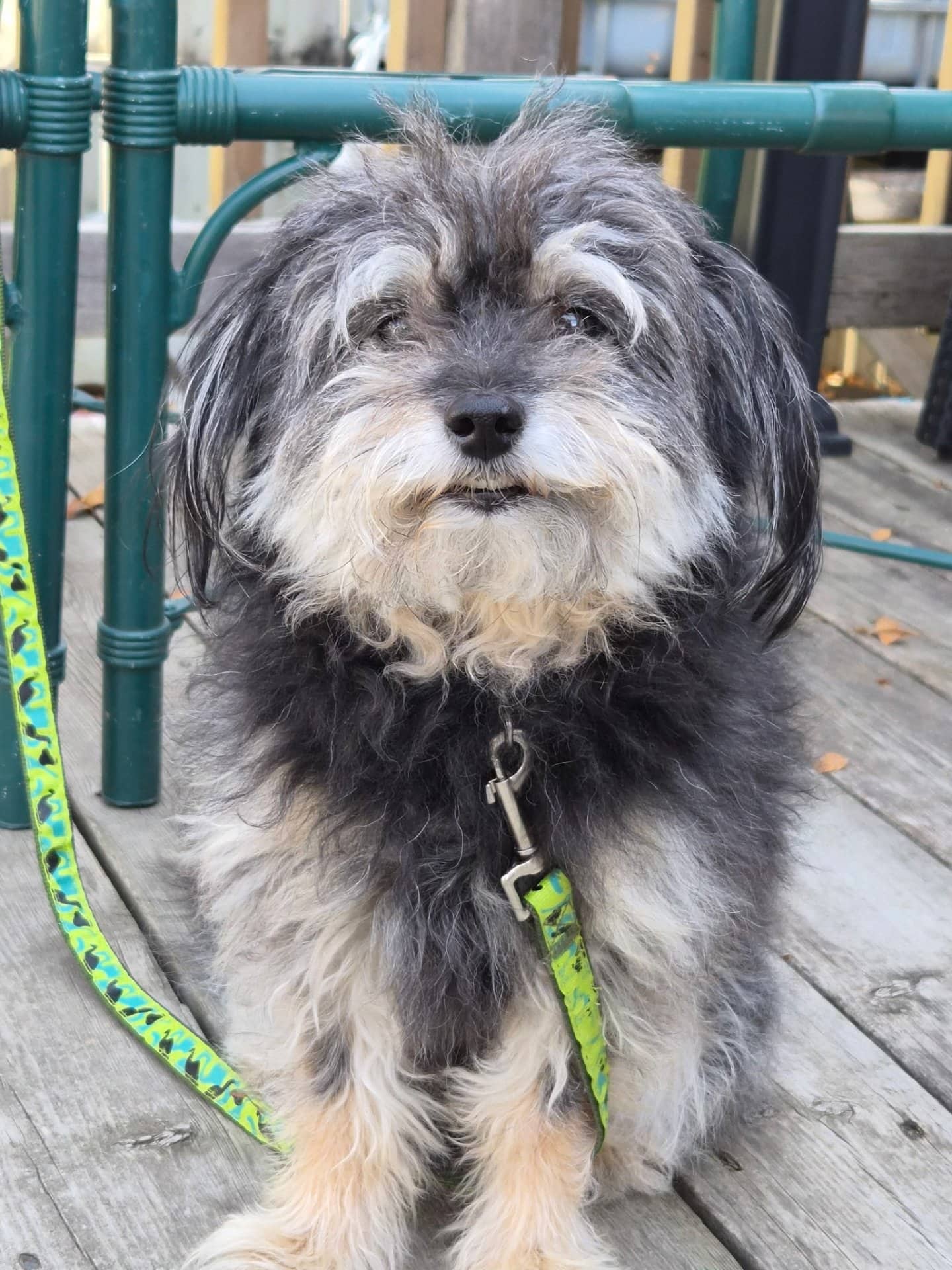
Duke
7 years • Pomeranian poodle
Owner Rehoming
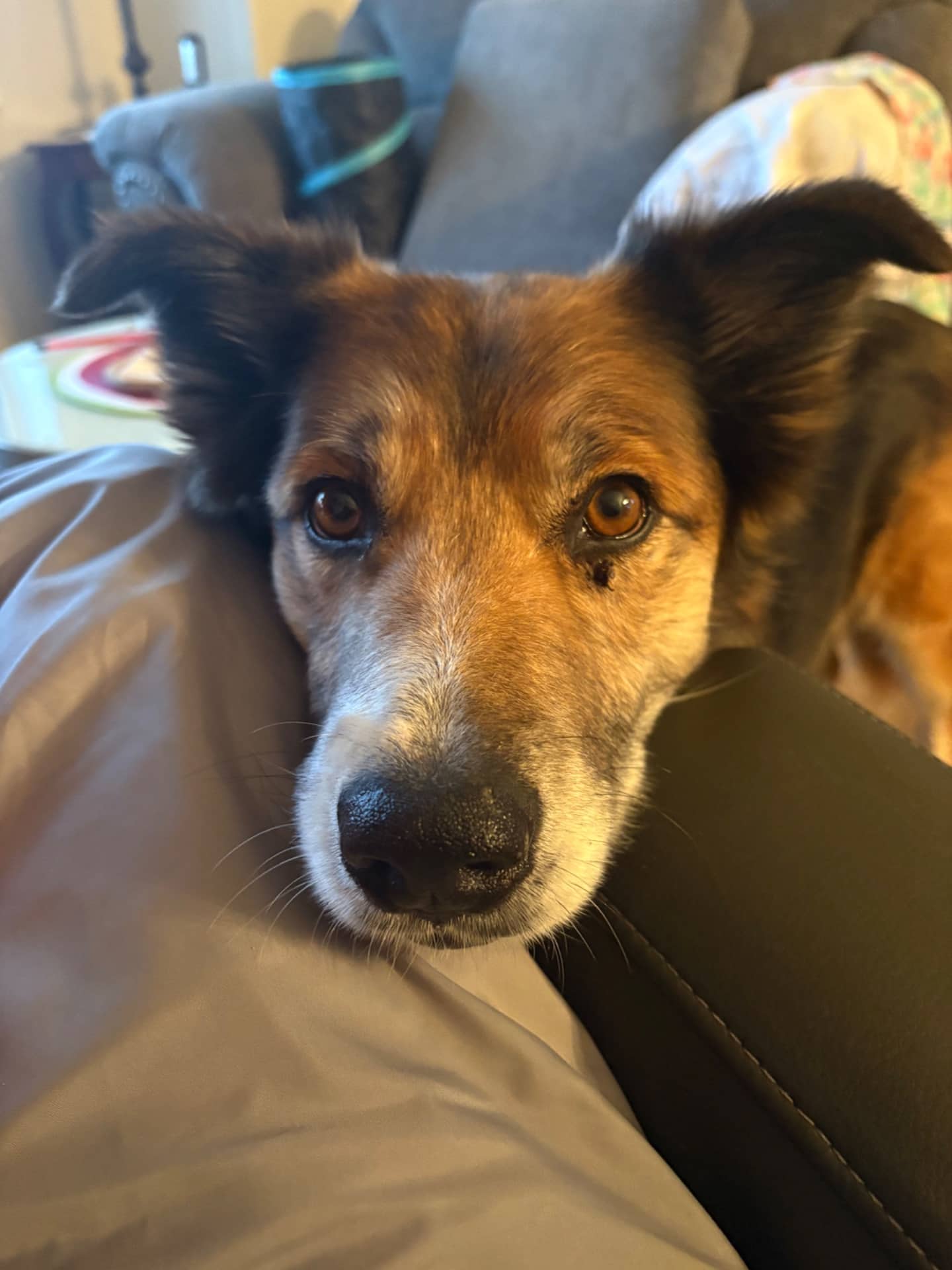
Marley
9 years • Mixed Breed
Owner Rehoming

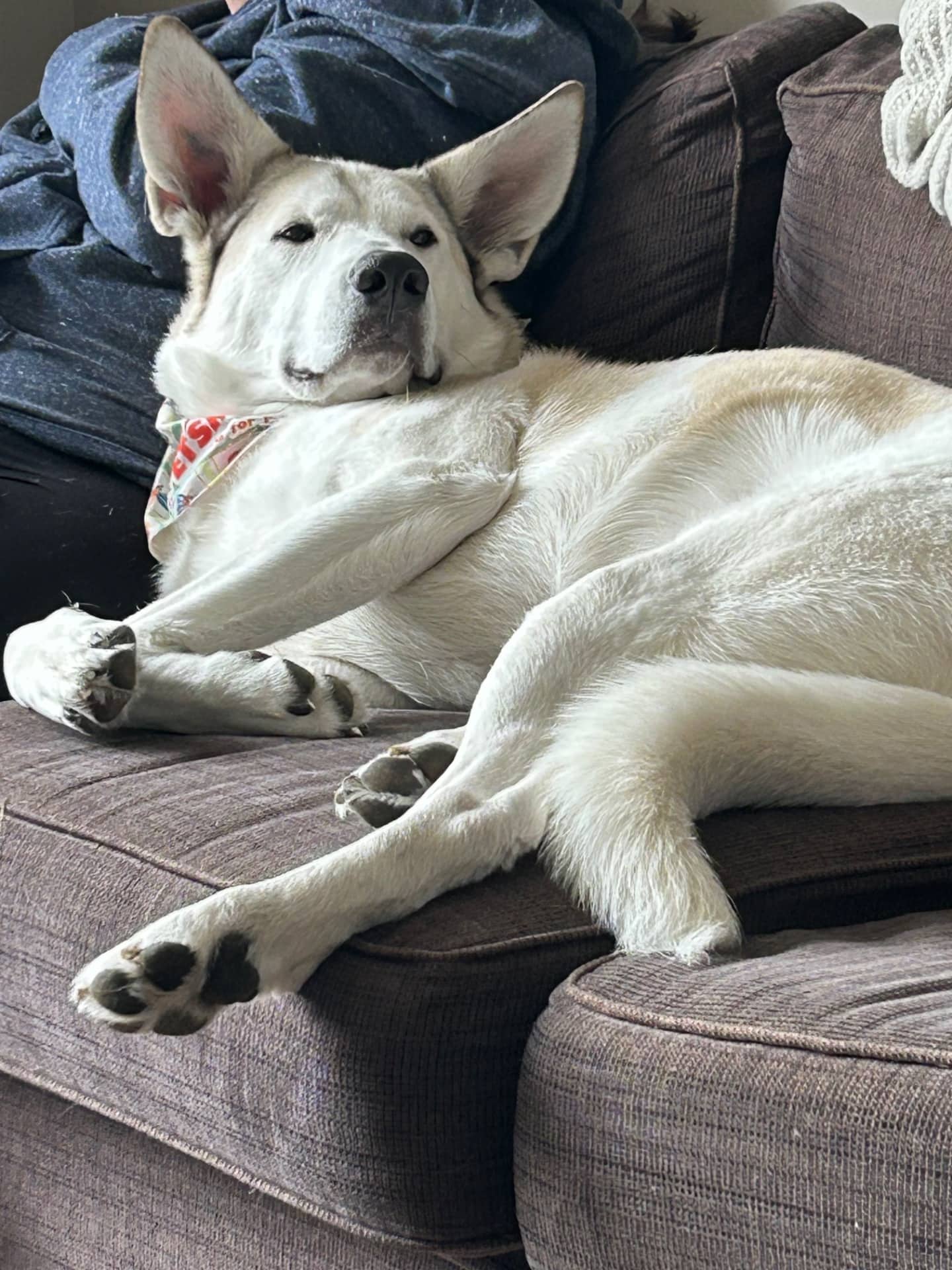
Gigi
7 years • Shepherd Mix
Owner Rehoming

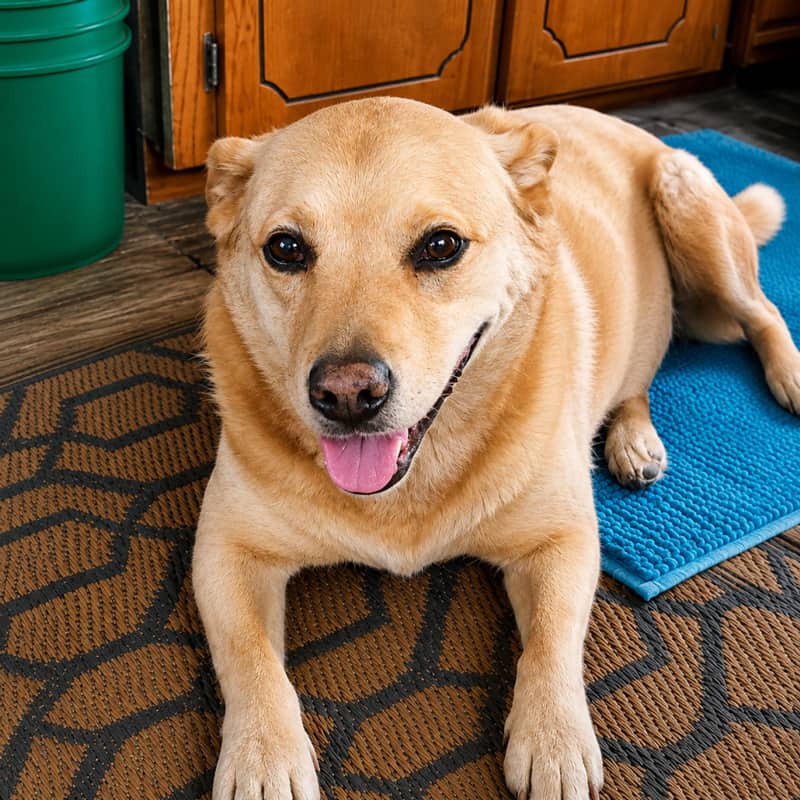
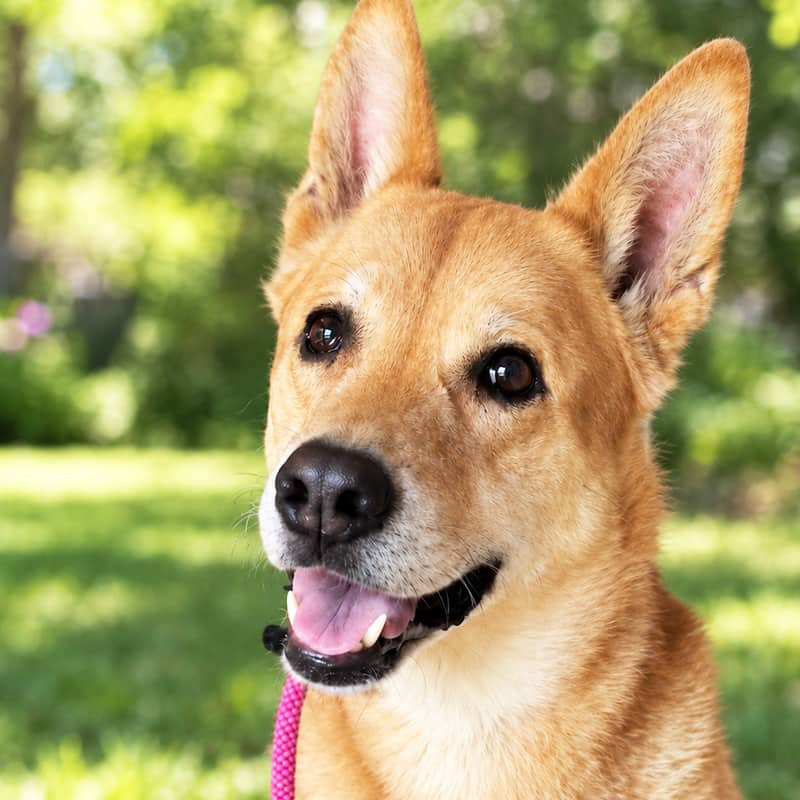
Senior dogs are among the most overlooked animals in Winnipeg rescues, yet they often make the best companions. Dogs aged 7 years and older are typically calmer, already house-trained, and past the destructive chewing phase. Their personalities are fully developed, so what you see during a meet-and-greet is exactly what you get at home.
Older dogs require less intensive exercise than puppies or young adults, which is a real advantage in Winnipeg. Manitoba winters are brutally long and cold, walks are necessarily very short on the worst days, and a senior dog content with a 10-minute neighbourhood loop fits Winnipeg life better than a high-drive young adult who needs an hour outside every day at -35 C. Many senior dogs are surrendered through no fault of their own, often due to their owner's health changes, housing situations, or family circumstances, and they adjust quickly to new homes because they already understand household routines.
All senior dogs listed below come from Winnipeg-area rescues. Many rescues offer reduced adoption fees for older dogs, and most include initial veterinary support. Listings refresh regularly.
Why senior dogs are great companions
Senior dogs are calm, house-trained, and past the chewing and zoomies stage. Their personalities are settled, so the foster home can describe exactly what you're getting. Most are content with a 15-30 minute walk, a long nap on the couch, and quiet evening company. For first-time owners, retirees, families with small children, or anyone who works full-time, a senior dog is often a better match than a puppy.
Winnipeg senior adoption fees
Winnipeg rescues reduce fees for senior dogs. Typical range is $100-$300 versus $300-$500 for adult dogs and $500-$700 for puppies. Winnipeg Humane Society runs periodic senior promotions, and D'Arcy's ARC (no-kill, well-suited to long-term senior care) typically sets senior fees lower on a case-by-case basis. Manitoba Mutts and Hull's Haven (both foster-based) set senior fees lower once the foster home has fully assessed the dog. The fee still includes spay/neuter, vaccinations, microchip, and a basic vet workup, so the rescue is usually placing well below their actual costs to make senior placements easier.
Brutal prairie winter care for senior dogs in Winnipeg
Winnipeg sits in one of the coldest urban climates in North America. Temperatures stay well below freezing for months, -30 C cold snaps last weeks, and -40 C with windchill is not unusual in January and February. This is genuinely punishing on senior joints. Practical setup: a heated indoor space (not a draughty mudroom, garage, or unheated porch — non-negotiable for a senior dog), an insulated winter coat for any walk below 0 C with a second layer below -15 C, paw wax or booties on every walk to protect against salt, ice melt, and direct frostbite on pads, and extremely short walks (5-10 minutes) on the coldest days. Senior dogs with arthritis benefit from a heated dog bed, joint supplements, and warm-up time indoors before walks. Indoor enrichment (puzzle feeders, scent games, gentle stretching) replaces outdoor exercise on extreme cold days below -25 C — outdoor breaks longer than a few minutes risk frostbite for seniors with thinner coats or reduced circulation.
Browse adoptable senior dogs in Winnipeg
Winnipeg rescues update senior dog listings regularly. Filter by size, energy, and shelter to find the right fit for your home.
See All Winnipeg Dogs →Senior Dog Adoption FAQ
Where can I find adoptable senior dogs near me in Winnipeg?▼
LocalPetFinder lists 11 adoptable senior dogs (7+ years) currently available from Winnipeg-area rescues including Winnipeg Humane Society, D'Arcy's ARC, Manitoba Mutts, and Hull's Haven. Coverage spans central Winnipeg, the suburbs (St. Vital, St. James, Transcona, Charleswood), and surrounding rural Manitoba communities. Filter by size, energy, and shelter above; listings refresh regularly as rescues update their inventory.
How much does it cost to adopt a senior dog in Winnipeg?▼
Winnipeg senior dog adoption fees typically run $100-$300 vs $300-$500 for younger adults. Winnipeg Humane Society reduces fees for older dogs and runs senior promotions throughout the year. D'Arcy's ARC, a no-kill rescue, often sets senior fees lower on a case-by-case basis. Manitoba Mutts and Hull's Haven, both foster-based, set senior fees lower once the foster home has assessed the dog. All fees include spay/neuter, vaccinations, microchip, and a basic vet workup.
What health concerns should I expect with a senior dog?▼
Senior dogs may develop arthritis (Winnipeg's brutal prairie winters make joint stiffness much more noticeable), dental disease (often needs cleaning plus extractions, $400–$1,200), reduced vision or hearing, lumps and bumps (most are benign lipomas), and weight management challenges. Winnipeg rescues provide full veterinary assessments before adoption, so existing conditions are disclosed upfront. Budget $1,500–$3,000/year for senior dog vet care including twice-yearly checkups, senior bloodwork, and any condition-specific medication.
How long do senior dogs typically live after adoption?▼
Many senior dogs live 3-5+ years after adoption, sometimes 7-8 for smaller breeds. Toy breeds (Cavalier, Yorkie, Maltese, small Shih Tzu) regularly live to 14-16 years; medium breeds to 12-14; large breeds to 10-12. A 7-year-old small dog adopted today often has 7-9 years ahead.
Are senior dogs good with kids?▼
Many senior dogs are excellent with kids. Their calmer temperament, established personality, and lower energy mean they tolerate household commotion better than puppies. Winnipeg rescues assess each dog's history with children during the foster period and disclose the result on the listing. Look for dogs explicitly listed as good with kids; ask the rescue about behaviour around fast movement and noise if you have young children.
How do senior dogs handle Winnipeg winters?▼
Winnipeg winters are brutal on senior joints. The city sits in one of the coldest urban climates in North America, with -30°C cold snaps lasting weeks and -40°C with windchill not uncommon in January and February. Practical adjustments: very short walks (5-10 min vs 30-60 for younger dogs) on extreme days, an insulated coat for any time below 0°C plus a second layer below -15°C, paw wax or booties for ice melt, salt, and frostbite protection, indoor enrichment below -25°C, and warm-up time before walks. Senior dogs with arthritis benefit from heated dog beds, joint supplements, and avoiding icy surfaces. A heated indoor space (not a cold mudroom or unheated porch) is essential, not optional.
Can I adopt a senior dog if I work full-time in Winnipeg?▼
Yes. Senior dogs are typically excellent for working professionals. They sleep 12-16 hours per day, have established potty patterns, and tolerate alone time better than puppies. The realistic 9-hour Winnipeg workday with a senior dog: morning 10-min walk, midday potty break (dog walker, neighbour, or pee pad on extreme cold days when outdoor breaks risk frostbite), evening walk plus dinner.
Which Winnipeg rescues focus on senior dogs?▼
Winnipeg Humane Society lists senior dogs every month and reduces fees for older dogs. D'Arcy's ARC, Winnipeg's long-running no-kill rescue, is particularly well-suited to senior dogs because the no-kill model means seniors can stay in care until the right home is found. Manitoba Mutts and Hull's Haven Border Collie Rescue both operate foster-based models, which means seniors typically arrive in their new home already settled in a calm foster routine.
Are these senior dogs for sale in Winnipeg?▼
Not for sale, for adoption, and for most people that is the better deal. Every dog listed here comes from a Winnipeg-area rescue or shelter rather than a breeder, pet store or classified seller. The adoption fee is typically a few hundred dollars and already covers spay or neuter, vaccinations, deworming and a microchip, which on their own would usually cost more than the fee. If you searched "senior dogs for sale winnipeg", this is the same search done a cheaper way, with a dog someone has already examined and can tell you about.
Where can I buy a senior dog in Winnipeg, and should I?▼
You can buy from a registered breeder, and it is worth pricing against adoption before you do. A breeder puppy generally runs well into four figures and often comes with a waitlist, while a rescue dog costs a few hundred dollars fully vetted and may be available this week. The listings to be careful with are the cheap ones on classified sites and marketplaces, which are frequently backyard breeders or puppy-mill resellers moving unvetted animals with no health guarantee. If you do buy, insist on seeing where the litter was raised and getting vet records.
Are there free senior dogs in Winnipeg, or senior dogs under $500?▼
Adoption is the closest honest answer and it is not free. A rescue dog in Winnipeg usually costs a few hundred dollars. The fee already covers medical work worth considerably more. Genuinely free listings deserve suspicion: a dog advertised free to a good home has usually not been vetted, and free rehoming ads are the route flippers and unregistered breeders use to move animals with no recourse for the buyer. Reduced-fee events, sponsored long-stay dogs and senior discounts are the legitimate ways the price comes down.
Where can I find senior dogs near me in Winnipeg?▼
Start with the listings on this page, which pull from Winnipeg rescues and shelters and refresh regularly, so what you see is genuinely available rather than a directory that went stale months ago. If nothing suits today, check back or set an alert, because senior dogs in particular move fast and the list turns over. It is also worth widening slightly beyond the city, since most rescues serving Winnipeg will adopt across a reasonable driving distance rather than only within municipal limits.