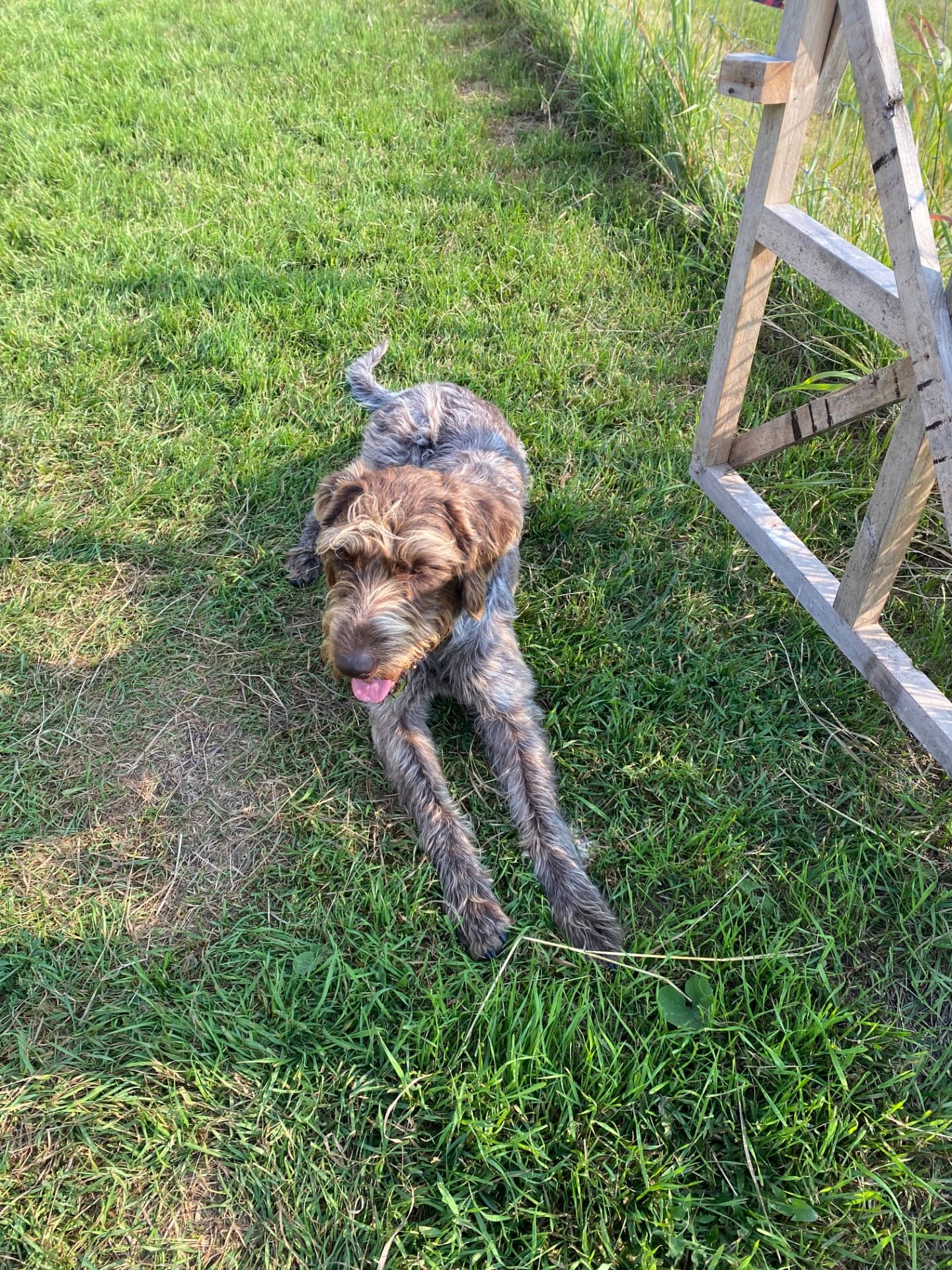
German Shorthaired Pointers in Winnipeg, right now
We're currently tracking 1 adoptable German Shorthaired Pointer in southern Manitoba, listed by 1 rescue including Owner Rehoming. Listings update regularly, and most German Shorthaired Pointers in Winnipeg get adopted within days of being posted — if one catches your eye, reach out fast.
See every adoptable German Shorthaired Pointer across Manitoba →
Adopting a German Shorthaired Pointer in Winnipeg
German Shorthaired Pointers (GSPs) appear in Winnipeg rescue at a moderate rate, with the breed pulling well from rural Manitoba surrender as well as the city. The Winnipeg Humane Society on Hurst Way, Manitoba Mutts foster network, D'Arcy's ARC on Century Street and Hull's Haven Border Collie Rescue all see GSPs and GSP crosses through the year. The surrender pattern is sharp and predictable. A first-time owner picked up a GSP because of the athletic, smart, beautiful reputation, did not understand that the breed needs 90 to 120 minutes of intense daily exercise, and the dog ended up in rescue at 1 to 3 years for destructive boredom, "GSP zoomies" tearing apart Osborne Village condos or unmet exercise need.
This page pulls every adoptable GSP from the Winnipeg shelters we cover into one searchable place, refreshed regularly. Demand is moderate among hunting and serious dog-sport homes — listings move within 5 to 7 days. The Interlake, Whiteshell and Pembina Valley pheasant and duck hunting community in southern Manitoba is the breed's natural fit, and many rescue GSPs go to rural farm or hunting homes outside Winnipeg proper. Winnipeg rescues place GSPs with applicants who genuinely run, hike, bike or hunt, have a fenced suburban or rural-adjacent property (Charleswood, Tuxedo, Headingley, Birds Hill area, Interlake outskirts) and understand the breed is a versatile hunting dog first and a couch companion only after a long workout. Downtown condos almost never work.
Extreme exercise — 90 to 120 minutes daily, every day
The GSP was developed as a versatile hunting dog — pointing, retrieving, tracking, water work — across long days in the German countryside. The breed runs all day and thinks while doing it. A 30-minute Winnipeg neighbourhood walk does not meet the exercise requirement at all. Realistic GSP exercise is 90 to 120 minutes of intense daily activity (running, biking, hiking Birds Hill Provincial Park or Beaudry Provincial Park trails, swimming at Birds Hill beach in summer, retrieve work) PLUS 30 to 45 minutes of mental work (scent games, training drills, puzzle feeders). Without it, the GSP develops "GSP zoomies" — explosive destructive episodes where a bored dog tears through baseboards, couches and drywall in 20 to 30 minutes.
Dog sports anchor most Winnipeg GSP homes — field trials, hunt tests, dock diving, agility, disc, scent work. The breed is among the most biddable sporting dogs when the energy has somewhere to go. The Manitoba hunting calendar is the natural outlet — pheasant in Pembina Valley, ducks across the Interlake and Whiteshell. Daycare 3 to 5 days a week is realistic for working homes — Winnipeg daycare rates run $35 to $55 per day and many GSPs prefer running daycares. Without the exercise outlet, even the best-trained GSP fails in a downtown Winnipeg condo.
Winnipeg winter is the season that requires planning
The GSP's short coat plus low body fat plus athletic build adds up to genuine cold-sensitivity in Winnipeg winters — and Winnipeg winter is among the hardest on the breed of any Canadian city. -35°C with windchill -50°C is genuinely dangerous for an unprotected GSP, and even -25°C requires deliberate gear. Realistic Winnipeg GSP winter equipment: insulated coat from November through March (Hurtta, Ruffwear, Voyagers K9 Apparel are common Manitoba choices), booties on salted Osborne Village and Wolseley sidewalks (Winnipeg street salt damages paw pads on a 60-minute walk), and shortened outdoor sessions in the coldest weeks. Many Winnipeg GSP owners use indoor treadmill work, weekly group daycare or extra fetch sessions in heated indoor facilities through January and February rather than fight the cold.
The other end is summer humidex. GSP's athletic build and short coat handle heat better than brachycephalic breeds but humidex over 35°C still requires early-morning or evening exercise sessions, water access and shade. Birds Hill beach swimming sessions help cool the dog. The breed exercises through three seasons reliably; Winnipeg winter is the one that requires gear, planning and indoor backup options.
Bloat / GDV — deep-chested emergency
GSPs are deep-chested and carry an elevated lifetime risk of gastric dilatation-volvulus (GDV, "bloat") — a surgical emergency where the stomach twists on its axis, cutting off blood supply. Untreated GDV is fatal within hours. Winnipeg 24-hour emergency hospitals (Winnipeg Animal Emergency Hospital and Pembina Veterinary Hospital both handle after-hours emergencies) treat GDV surgically at $5,000 to $9,000 emergency. Many GSP-experienced Manitoba vets recommend prophylactic gastropexy (preventive stomach-tacking surgery) at the time of spay or neuter, which prevents the twist component of GDV at $700 to $1,400 added to the standard procedure.
GDV-risk management: feed two smaller meals daily rather than one large meal, use elevated bowls cautiously (research is mixed), restrict vigorous exercise for 60 to 90 minutes before and after eating, and recognise early signs (distended belly, non-productive retching, restlessness, drooling). Pet insurance taken out the week of adoption is essential — GDV claims have driven dozens of Winnipeg GSP owners into significant debt without coverage. Rescue GSPs that have already had gastropexy come with documentation; ask the foster.
Health load — HD, cone degeneration, lupoid dermatosis, epilepsy
Hip dysplasia runs at moderate rates in GSP lines given the athletic working build. OFA or PennHIP assessment on the rescue dog's file is informative. Cone degeneration is a GSP-specific inherited retinal disease causing day-blindness — DNA testing is available and rescue GSPs can be tested through Winnipeg MVMA ophthalmology referrals or at the Western College of Veterinary Medicine in Saskatoon (a five-hour drive each way) for tertiary workup. Lupoid dermatosis is a German breed-specific autoimmune skin disease that presents as scaling and crusting on the head, ears and trunk — referral to WCVM Saskatoon dermatology, lifetime cyclosporine or immunomodulator management $150 to $250/mo.
Other concerns: pannus (chronic superficial keratitis — a progressive eye disease, manageable with topical cyclosporine drops), epilepsy (idiopathic or genetic, anticonvulsants $80 to $200/mo and quarterly bloodwork), elbow dysplasia and hypothyroidism. Lifespan 12 to 15 years is realistic. The breed is generally hardy beyond the bloat and dermatology load.
What GSPs are actually like to live with
A well-matched GSP in Winnipeg is one of the most athletic, intelligent and intensely bonded sporting dogs in any Manitoba rescue. The realistic parts to plan for:
- 90 to 120 minutes intense daily exercise plus 30 to 45 minutes mental work. Non-negotiable.
- Winnipeg winter coat-sensitive. Insulated coat November through March, booties on salted sidewalks.
- Bloat / GDV risk. Prophylactic gastropexy at spay/neuter often recommended.
- Versatile hunting dog. Pheasant in Pembina Valley, ducks in the Interlake and Whiteshell.
- Intensely bonded to family. Velcro tendency — separation anxiety risk if exercise need is unmet.
- High prey drive on birds, rabbits, squirrels. Long-line and fenced yard work.
- Annual ophthalmology from age 4. Pannus and cone degeneration monitoring.
- 12 to 15 year lifespan. Pet insurance essential before bloat or dermatology issues develop.
What the fee usually covers
GSP adoption fees at Winnipeg rescues typically run $400 to $900 for an adult dog, $700 to $1,200 for puppies under 1 year. The fee covers spay or neuter (gastropexy added in many rescue protocols), core vaccinations, microchip, deworming, ophthalmology assessment where age-appropriate and a vet check before placement. Confirm the exact number on the dog's own listing. Manitoba breeder pricing for a GSP puppy is $1,800 to $3,200 — rescue is materially cheaper and many rescue dogs come with gastropexy already done.
How to actually search
Apply within 5 to 7 days when a hunting or serious dog-sport home matches. Use the filters above to narrow by energy (very high), size (medium-large, 45 to 70 lbs), compatibility and shelter. Read foster notes on prey drive, recall reliability, gastropexy status, child compatibility and exercise tolerance over Winnipeg winter conditions. Foster homes will set up a video call before in-person meet — many rescues require home-visit confirmation of fence security and adopter exercise commitment for GSPs.
Looking more broadly? Browse every adoptable dog across the province on Dog Adoption Manitoba.
The rescues that most often list German Shorthaired Pointers across Manitoba are Winnipeg Humane Society, Manitoba Mutts Dog Rescue, D'Arcy's ARC, and Hull's Haven Border Collie Rescue. For breed-specific background, the Canadian Kennel Club is a useful reference.
German Shorthaired Pointer Adoption FAQ — Winnipeg
How many German Shorthaired Pointers are available for adoption in Winnipeg?
As of September 2026, German Shorthaired Pointers are rare in Winnipeg rescue — only 1 is listed right now across 1 rescue on LocalPetFinder. They tend to get adopted fast, so setting an alert is the most reliable way to find one.
Where can I adopt a German Shorthaired Pointer near me in Winnipeg?
GSPs and GSP crosses appear in Winnipeg rescue more often than the breed's popularity in Manitoba would suggest. The major sources are the Winnipeg Humane Society on Hurst Way, Manitoba Mutts Dog Rescue's foster network, D'Arcy's ARC on Century Street and Hull's Haven Border Collie Rescue. Demand is moderate among hunting and serious dog-sport homes — set up an alert and apply within 5 to 7 days. Winnipeg rescues place GSPs with applicants who genuinely run, hike, bike or hunt, and have suburban or rural-adjacent space. Pheasant hunters in Pembina Valley and duck hunters across the Interlake are the breed's natural fit.
Can a GSP live in a Winnipeg condo?
Almost never well. The 90 to 120 minute intense daily exercise need is genuinely incompatible with downtown condo life. Bored GSPs develop "GSP zoomies" — explosive destructive episodes that can tear through baseboards, couches and drywall in 20 to 30 minutes. Winnipeg rescues place GSPs in suburban or rural-adjacent homes (Charleswood, Tuxedo, Headingley, Birds Hill area, Interlake outskirts) with fenced yards and adopters who genuinely run, bike or hunt daily. Downtown Exchange District or Osborne Village condos almost never work even with daycare — the dog needs sustained owner-led exercise the workday cannot provide.
Should I get prophylactic gastropexy for a rescue GSP in Winnipeg?
Many GSP-experienced Manitoba vets recommend it. GSPs are deep-chested with elevated lifetime GDV (bloat) risk. Prophylactic gastropexy (preventive stomach-tacking surgery) at the time of spay or neuter prevents the twist component of GDV at $700 to $1,400 added to the standard procedure. GDV emergency surgery runs $5,000 to $9,000 at Winnipeg Animal Emergency Hospital or Pembina Veterinary Hospital. Many rescue GSPs come with gastropexy already done — ask the foster. For dogs without it, discuss the procedure with a Winnipeg MVMA vet during the initial new-pet check.
How cold-sensitive are GSPs in Winnipeg winters?
Genuinely cold-sensitive — Winnipeg is among the hardest Canadian cities for the breed. The short coat plus athletic build plus low body fat add up to real winter vulnerability. -25°C is uncomfortable; -35°C with windchill -50°C is dangerous for an unprotected GSP. Realistic gear: insulated coat from November through March, booties on salted sidewalks (Winnipeg street salt damages paw pads on a 60-minute walk), and shortened outdoor sessions in the coldest weeks. Many Winnipeg GSP owners use indoor treadmill work, group daycare or extra fetch sessions in heated indoor facilities through January and February. The breed exercises through three seasons reliably; winter requires deliberate planning.
How much does it cost to adopt a German Shorthaired Pointer in Winnipeg?
Adopting a German Shorthaired Pointer in Winnipeg typically costs $400 to $800, and puppies usually carry a premium at $600 to $1,000. The exact fee varies by rescue, and older dogs are often reduced. That fee is not a purchase price. It covers work already done on the dog: spay or neuter, vaccinations, deworming, microchip, and a basic vet workup, which would cost several hundred dollars more if you arranged it yourself after buying. Buying the same breed from a registered breeder generally runs well over $1,000, usually with a waitlist. Ask the rescue what is included before you apply, since a few include extras like a starter bag of food or a first-month insurance trial.
Are these German Shorthaired Pointers for sale in Winnipeg?
Not for sale, for adoption, which is usually the better deal. Every German Shorthaired Pointer here comes from a Winnipeg rescue or shelter, not a breeder, pet store, or classified seller. Adoption fees are typically $400 to $800, with puppies at $600 to $1,000 and already include vaccinations, deworming, microchip and spay or neuter when age-appropriate, versus roughly $2,000 to $5,000 or more to buy a German Shorthaired Pointer from a breeder. If you searched "german shorthaired pointer for sale winnipeg" or "german shorthaired pointer puppies for sale," adopting gets you a healthy, vetted dog for a fraction of the price.
Where can I buy a German Shorthaired Pointer in Winnipeg, and should I?
You can buy from a registered breeder, but it is worth weighing against adoption first. A reputable German Shorthaired Pointer breeder typically charges $2,000 to $5,000 or more and often has a waitlist, while a rescue German Shorthaired Pointer costs $400 to $800, with puppies at $600 to $1,000 fully vetted and may be available now. Be cautious of cheap german shorthaired pointer-for-sale ads on classified sites and marketplaces, which are frequently backyard breeders or puppy-mill resellers with unvetted, sometimes sick animals and no health guarantee. If you do buy, insist on seeing where the puppies were raised and getting vet records. For most families in Winnipeg, adopting a rescue German Shorthaired Pointer is cheaper, faster, and gives a dog in need a home.
Are there free German Shorthaired Pointers in Winnipeg, or german shorthaired pointers under $500?
Adoption is the closest honest answer, and it is not free. A rescue German Shorthaired Pointer in Winnipeg typically costs $400 to $800, with puppies at $600 to $1,000, so the lower end lands under the "$500" people search for and the rest does not. What the fee buys is work already done, the vaccinations, deworming, microchip and spay or neuter, which would cost more than the fee itself if you arranged it yourself, and it is still far below breeder prices. Be wary of genuinely free german shorthaired pointer listings. An animal advertised free to a good home has usually not been vetted, and free rehoming ads are the route flippers and unregistered breeders use to move animals with no health guarantee and no recourse. Paying a rescue fee buys you a dog someone has already examined, treated, and been honest with you about.
Are there German Shorthaired Pointer puppies in Winnipeg, or only adults?
Both, but adults far outnumber puppies, and it is worth knowing that before you start looking. Most German Shorthaired Pointers arriving in Winnipeg rescue are adolescents and adults, because that is the age at which first homes tend to give up. Puppies do come through, usually as accidental litters or with a surrendered mother, and they are typically spoken for quickly. Setting an alert beats refreshing the page. It is also worth asking whether you actually want one: an adult arrives with a temperament a foster has already observed and described, where a German Shorthaired Pointer puppy is a prediction, and for this breed in particular knowing what you are getting is the more useful thing.
Where can I find a German Shorthaired Pointer near me in Winnipeg?
Start with the listings on this page, which pull from Winnipeg rescues and shelters and are refreshed regularly, so what you see is what is genuinely available rather than a stale directory. If nothing suits today, that is normal for this breed: rescue intake is intermittent rather than steady, and a breed with none listed this week often has several next month. Setting an alert beats checking back, and it is worth widening to nearby towns, since most rescues serving Winnipeg will adopt out across a reasonable driving distance rather than only inside one municipality.
Have a dog to rehome?
Rehoming a German Shorthaired Pointer in Winnipeg?
List your dog free. Local adopters browsing Winnipeg see owner listings first: no shelter, no fees, you choose the home.
List your pet free →Takes 3 minutes. You stay in control of who adopts.
Not seeing one yet?
Get notified when a German Shorthaired Pointer is listed in Winnipeg
We'll email you the moment a German Shorthaired Pointer is listed in Winnipeg on LocalPetFinder, from a rescue or an owner rehoming.
One email when there's a match. Unsubscribe anytime.
For rescues & shelters
Are you a Winnipeg-area rescue? List your adoptable dogs free.
Free shelter account: your dogs appear here and across LocalPetFinder, with analytics and adoption applications included.