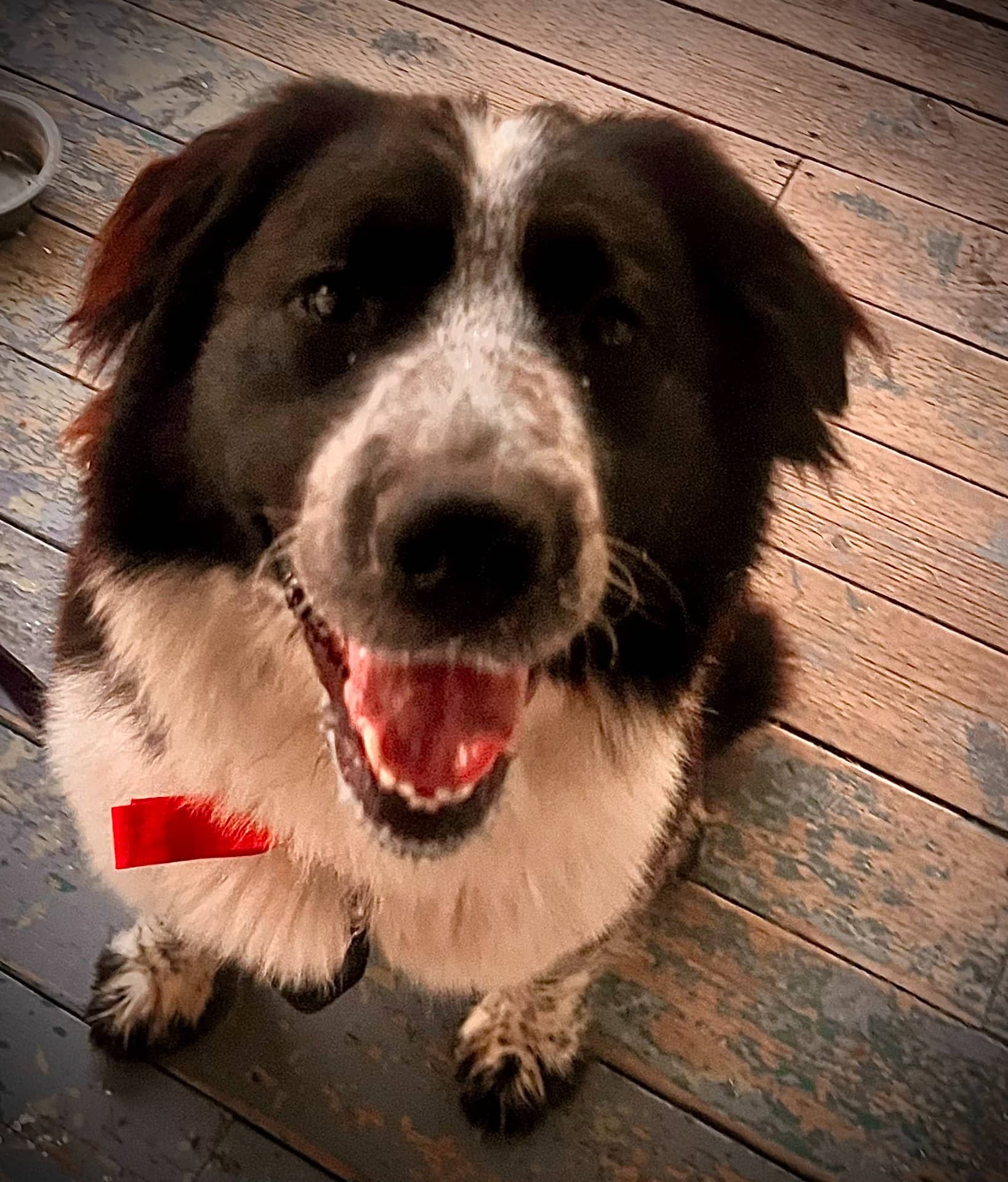
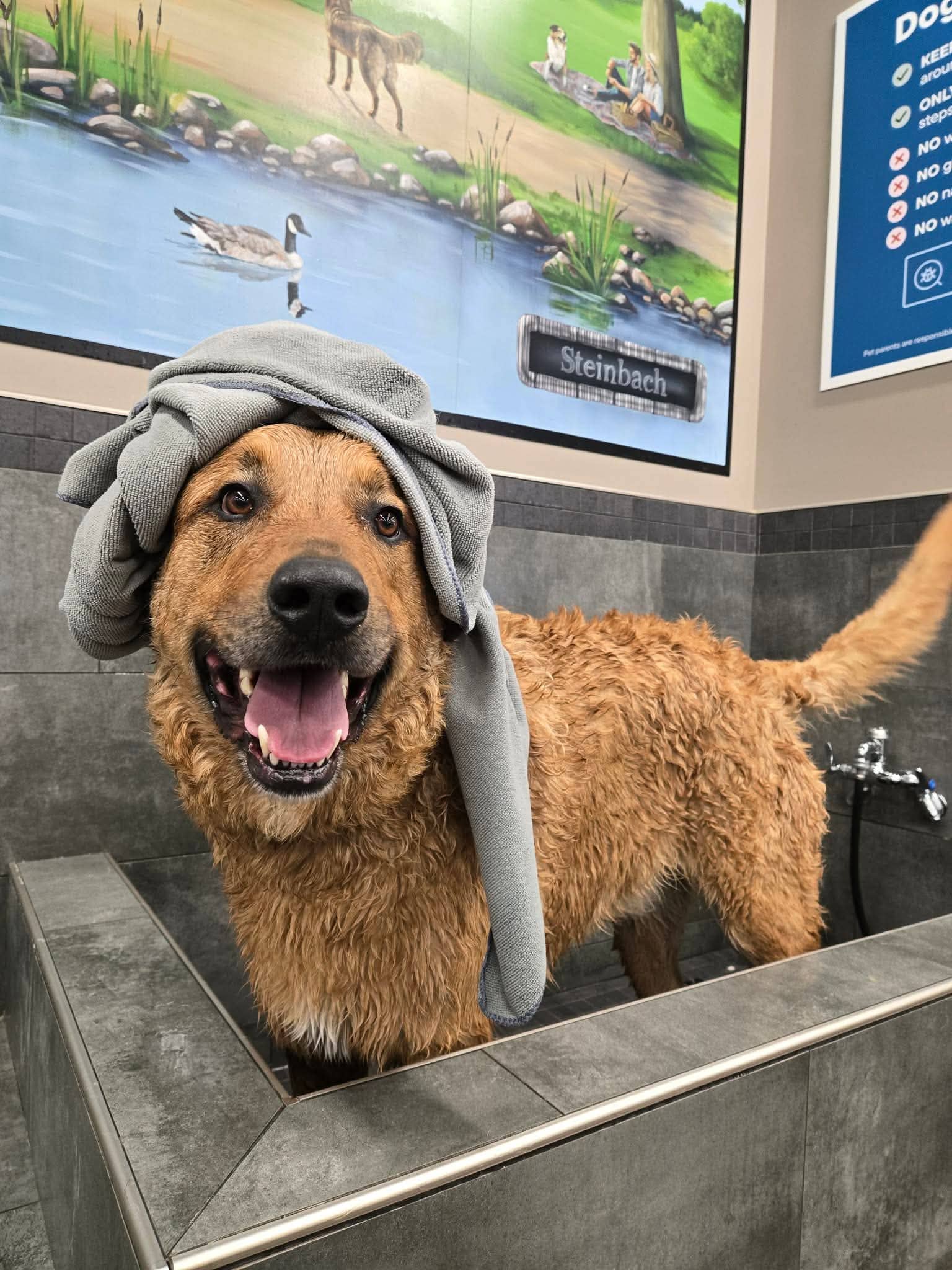
Great Pyreneess in Winnipeg, right now
We're currently tracking 3 adoptable Great Pyrenees in southern Manitoba, listed by 3 rescues including Owner Rehoming, Manitoba Great Pyrenees Rescue, and Steinbach and Area Animal Rescue. Listings update regularly, and most Great Pyreneess in Winnipeg get adopted within days of being posted — if one catches your eye, reach out fast.
Adopting a Great Pyrenees in Winnipeg
Great Pyrenees and Pyr crosses appear in Winnipeg rescue more often than most adopters expect for a livestock guardian breed — and the rural Manitoba pipeline is the dominant driver. The Winnipeg Humane Society on Hurst Way, Manitoba Mutts foster network, D'Arcy's ARC on Century Street and Hull's Haven Border Collie Rescue all see Pyrs through the year, mostly coming in from rural Manitoba hobby farms, Interlake acreages and Pembina Valley properties where the family bought a "fluffy white puppy" without understanding the breed. The dog grew into 85 to 115 lbs of independent guardian thinking, started patrolling and barking through the night, and the household either could not manage the breed or moved into the city where the dog could not live.
This page pulls every adoptable Pyr from the Winnipeg shelters we cover into one searchable place, refreshed regularly. Winnipeg rescues place Pyrs almost exclusively into rural-adjacent or acreage homes (Headingley, Birds Hill area, Interlake, Pembina Valley, La Salle, Lorette) with 6-foot fenced yards and adopters who understand the breed is a guardian first and a companion second. Downtown Exchange District condos, Osborne Village walk-ups and most dense Winnipeg neighbourhoods do not work for the breed — the nocturnal barking alone makes city placement nearly impossible under City of Winnipeg Bylaw 92/2013.
Why Pyrs cycle through Winnipeg rescue
The dominant surrender pattern is the noise bylaw collision. The Great Pyrenees was bred for centuries to patrol Pyrenean mountain flocks at night, barking at every perceived threat from wolves to wind. The breed does this in a suburban backyard too. A Pyr in a Charleswood, Tuxedo or Transcona suburban home will bark at every passing car, deer, raccoon and neighbour's cat — typically peaking 10pm to 4am. City of Winnipeg Bylaw 92/2013 (the Neighbourhood Liveability Bylaw) gives neighbours grounds to file complaints, and documented complaints trigger formal enforcement. Pyr surrenders to Manitoba rescue often have an active bylaw file attached.
The second pattern is the escape problem. Pyrs were bred to patrol territory, and they treat fence lines as suggestions. A standard 4-foot suburban fence does not contain a determined Pyr — the breed climbs, digs under and pushes through gates that latch but do not lock. Winnipeg rescues require minimum 6-foot fence with dig-prevention (buried chicken wire or concrete footing) and locked gates before placement. The breed is also nocturnal — Pyrs that escape do it at 2am while the family sleeps, and recall is essentially nonexistent. A Pyr off-leash in a Winnipeg off-leash area like Kilcona, La Barriere or Little Mountain Park is a lost dog.
The independent guardian mind — not a Lab
The single most useful thing for a Winnipeg adopter to understand is that the Great Pyrenees is not a biddable working dog like a Border Collie or German Shepherd. The breed was developed to make independent decisions about flock safety at night, miles from human handlers. That independence shows up in adoption homes as selective listening, slow training response and a tendency to override owner cues when the dog has decided otherwise. "Stay" works until the Pyr sees a raccoon. "Come" works until the Pyr is focused on the fence line. Force-based training fails badly with the breed — Pyrs shut down or become defensive.
Realistic Pyr training is force-free, slow and tolerant of the breed's judgment. Standard obedience expectations do not fit the breed. Owners who succeed with Pyrs adjust their expectations: the dog will come when called 70% of the time on a good day, will bark at things the owner cannot see, and will treat the household as its flock to guard. The reward is one of the most affectionate, gentle giants in any Manitoba rescue — Pyrs are deeply bonded to family and remarkably patient with children. The mismatch shows up when adopters expect a Golden Retriever in a white coat.
Winnipeg cold winter is ideal — humid summer is the danger
The Pyrenees double coat is built for Pyrenean mountain winters — and Winnipeg winter at -35°C to -40°C with windchill -50°C is genuinely the breed's ideal climate. December through March, a Pyr is comfortable at deep cold and will often choose snow over heated indoor space. Most rescue Pyrs are visibly happiest through the coldest months. Booties on salted Osborne Village and Wolseley sidewalks prevent paw burns from de-icer, but cold itself is not the concern.
July and August humidex into the high 30s is the danger zone — Pyrs overheat fast and heat stroke is a real emergency at Winnipeg 24-hour emergency hospitals ($3,000 to $8,000 management cost). Walks shift to early morning and after dark in midsummer, and many Winnipeg Pyr owners run AC continuously through July and August for the dog. Never shave a Pyr — the double coat insulates against heat as well as cold; shaving destroys thermal regulation and exposes pink skin to UV damage that often never recovers. Realistic Pyr grooming is weekly brushing year-round, daily brushing during the spring and fall coat blow, and professional de-shedding every 8 to 12 weeks at $90 to $180 per session in Winnipeg. Budget $100 to $200/mo for grooming plus a robust vacuum. Pyrs shed clouds — every surface in a Pyr household carries white fur.
Health load — HD, OCD, entropion, Addison's, bloat
Hip dysplasia runs at moderate rates in giant breeds given the build. OFA assessment on the rescue dog's file is informative. Osteochondritis dissecans (OCD) affects shoulders and elbows in young giant-breed dogs — surgical referral to Winnipeg orthopaedic specialists or to the Western College of Veterinary Medicine Saskatoon (five-hour drive each way) runs $4,000 to $7,000 per joint. Entropion (eyelids rolling inward) is common in Pyrs and requires surgical correction at $1,500 to $3,000. Addison's disease (hypoadrenocorticism) and other autoimmune conditions show up in the breed — lifetime fludrocortisone or DOCP injections plus prednisone run $100 to $250/mo.
Bloat / GDV (gastric dilatation-volvulus) is the emergency every deep-chested giant breed owner should know — untreated bloat is fatal within hours. Many giant-breed-experienced Manitoba vets recommend prophylactic gastropexy at spay or neuter at $700 to $1,400 added cost. Winnipeg Animal Emergency Hospital and Pembina Veterinary Hospital handle GDV surgeries at $5,000 to $9,000 emergency. Lifespan 10 to 12 years is realistic for the breed — shorter than mid-size breeds but longer than some giants. Pet insurance taken the week of adoption is essential.
What Pyrs are actually like to live with
A well-matched Great Pyrenees in Winnipeg is one of the most gentle, affectionate giant breeds in any Manitoba rescue. The breed reputation for stubbornness is real, but the temperament reward is also real. The honest parts to plan for:
- Nocturnal barking. Bred to patrol at night. Downtown Exchange District and Osborne Village condos do not work — Bylaw 92/2013 is real.
- Never off-leash outside fully fenced spaces. Recall is essentially nonexistent — Pyrs follow their own judgment.
- Escape risk. Minimum 6-foot fence with dig prevention and locked gates. Pyrs climb, dig and push.
- Heavy shedding. Weekly brushing year-round, daily during coat blow. Never shave.
- Winnipeg cold winter is ideal. Summer humidex 35°C+ requires early or late walks and AC.
- Independent thinker. Force-based training fails. Force-free, slow, tolerant of the breed's judgment.
- Deeply bonded to family, gentle with children. The temperament reward is genuine.
- $100 to $200/mo grooming, $1,000 to $2,000+ Manitoba insurance premiums for giant breeds.
- 10 to 12 year lifespan. Pet insurance essential before HD, OCD or bloat issues.
What the fee usually covers
Great Pyrenees adoption fees at Winnipeg rescues typically run $400 to $700 for an adult dog. The fee covers spay or neuter (gastropexy added in many giant-breed rescue protocols), core vaccinations, microchip, deworming and a vet check before placement. Confirm the exact number on the dog's own listing. Manitoba breeder pricing for a Pyr puppy is $1,500 to $2,800 — rescue is materially cheaper and many rescue Pyrs come with gastropexy or entropion repair already done.
How to actually search
Apply within 5 to 7 days when a rural-adjacent or acreage home with a 6-foot fence matches. Use the filters above to narrow by energy (medium), size (giant, 85 to 115 lbs), compatibility and shelter. Read foster notes on barking patterns, escape attempts, fence requirements, recall, child compatibility and weather tolerance. Foster homes will set up a video call and typically require home-visit confirmation of fence security before in-person meet for Pyrs.
Looking more broadly? Browse every adoptable dog across the province on Dog Adoption Manitoba.
The rescues that most often list Great Pyreneess across Manitoba are Winnipeg Humane Society, Manitoba Mutts Dog Rescue, D'Arcy's ARC, and Hull's Haven Border Collie Rescue. For breed-specific background, the Canadian Kennel Club is a useful reference.
Great Pyrenees Adoption FAQ — Winnipeg
How many Great Pyrenees are available for adoption in Winnipeg?
As of October 2026, Great Pyrenees are rare in Winnipeg rescue — only 3 are listed right now across 3 rescues on LocalPetFinder. They tend to get adopted fast, so setting an alert is the most reliable way to find one.
Where can I adopt a Great Pyrenees near me in Winnipeg?
Great Pyrenees and Pyr crosses appear in Manitoba rescue more often than most adopters expect for a livestock guardian breed, mostly through rural Manitoba hobby-farm surrender. The major sources are the Winnipeg Humane Society on Hurst Way, Manitoba Mutts Dog Rescue's foster network, D'Arcy's ARC on Century Street and Hull's Haven Border Collie Rescue. Set up an alert and apply within 5 to 7 days when a rural-adjacent or acreage home with a 6-foot fence matches. Winnipeg rescues do not place Pyrs into downtown condos or homes without secure fencing — the breed's noise and escape patterns make city placement nearly impossible.
Can a Great Pyrenees live in a Winnipeg condo?
Almost never. The Pyrenees was bred to patrol flocks at night by barking — the dog will bark at every passing car, raccoon and neighbour, typically peaking 10pm to 4am. City of Winnipeg Bylaw 92/2013 (Neighbourhood Liveability Bylaw) gives neighbours grounds to file complaints, and condo board complaint policies are unforgiving. Winnipeg rescues place Pyrs in rural-adjacent or acreage homes (Headingley, Birds Hill area, Interlake, Pembina Valley, La Salle, Lorette) with 6-foot fenced yards. Downtown Exchange District or Osborne Village condos almost never work for the breed.
How secure does the fence need to be for a Great Pyrenees in Manitoba?
Minimum 6 feet with dig prevention (buried chicken wire or concrete footing) and locked gates. Pyrs were bred to patrol territory and treat fence lines as suggestions — the breed climbs, digs under and pushes through gates that latch but do not lock. Standard 4-foot suburban fences do not contain a determined Pyr. Manitoba rescues require fence verification before placement and many do home visits to confirm. A Pyr off-leash in a Winnipeg off-leash park like Kilcona, La Barriere or Little Mountain is a lost dog — recall is essentially nonexistent in the breed because they were bred to make independent decisions, not follow handler cues.
Should I shave my Great Pyrenees in Winnipeg summer?
Never. The double coat insulates against heat as well as cold — shaving destroys the thermal regulation and exposes pink skin to UV damage. The coat regrows incorrectly after shaving and often never recovers its proper double-layer structure. Realistic Pyr summer management in Winnipeg: walks shift to early morning or after dark during humidex 35°C+ days, AC runs continuously through July and August, professional de-shedding every 8 to 12 weeks at $90 to $180 per session, and weekly brushing year-round. The breed handles -35°C better than +30°C — Winnipeg humid summer heat is the real risk, not winter cold.
How much does it cost to adopt a Great Pyrenees in Winnipeg?
Adopting a Great Pyrenees in Winnipeg typically costs $250 to $650, and puppies usually carry a premium at $450 to $800. The exact fee varies by rescue, and older dogs are often reduced. That fee is not a purchase price. It covers work already done on the dog: spay or neuter, vaccinations, deworming, microchip, and a basic vet workup, which would cost several hundred dollars more if you arranged it yourself after buying. Buying the same breed from a registered breeder generally runs well over $1,000, usually with a waitlist. Ask the rescue what is included before you apply, since a few include extras like a starter bag of food or a first-month insurance trial.
Are these Great Pyrenees for sale in Winnipeg?
Not for sale, for adoption, which is usually the better deal. Every Great Pyrenees here comes from a Winnipeg rescue or shelter, not a breeder, pet store, or classified seller. Adoption fees are typically $250 to $650, with puppies at $450 to $800 and already include vaccinations, deworming, microchip and spay or neuter when age-appropriate, versus roughly several thousand dollars to buy a Great Pyrenees from a breeder. If you searched "great pyrenees for sale winnipeg" or "great pyrenees puppies for sale," adopting gets you a healthy, vetted dog for a fraction of the price.
Where can I buy a Great Pyrenees in Winnipeg, and should I?
You can buy from a registered breeder, but it is worth weighing against adoption first. A reputable Great Pyrenees breeder typically charges several thousand dollars and often has a waitlist, while a rescue Great Pyrenees costs $250 to $650, with puppies at $450 to $800 fully vetted and may be available now. Be cautious of cheap great pyrenees-for-sale ads on classified sites and marketplaces, which are frequently backyard breeders or puppy-mill resellers with unvetted, sometimes sick animals and no health guarantee. If you do buy, insist on seeing where the puppies were raised and getting vet records. For most families in Winnipeg, adopting a rescue Great Pyrenees is cheaper, faster, and gives a dog in need a home.
Are there free Great Pyrenees in Winnipeg, or great pyrenees under $500?
Adoption is the closest honest answer, and it is not free. A rescue Great Pyrenees in Winnipeg typically costs $250 to $650, with puppies at $450 to $800, so the lower end lands under the "$500" people search for and the rest does not. What the fee buys is work already done, the vaccinations, deworming, microchip and spay or neuter, which would cost more than the fee itself if you arranged it yourself, and it is still far below breeder prices. Be wary of genuinely free great pyrenees listings. An animal advertised free to a good home has usually not been vetted, and free rehoming ads are the route flippers and unregistered breeders use to move animals with no health guarantee and no recourse. Paying a rescue fee buys you a dog someone has already examined, treated, and been honest with you about.
Are there Great Pyrenees puppies in Winnipeg, or only adults?
Both, but adults far outnumber puppies, and it is worth knowing that before you start looking. Most Great Pyrenees arriving in Winnipeg rescue are adolescents and adults, because that is the age at which first homes tend to give up. Puppies do come through, usually as accidental litters or with a surrendered mother, and they are typically spoken for quickly. Setting an alert beats refreshing the page. It is also worth asking whether you actually want one: an adult arrives with a temperament a foster has already observed and described, where a Great Pyrenees puppy is a prediction, and for this breed in particular knowing what you are getting is the more useful thing.
Where can I find a Great Pyrenees near me in Winnipeg?
Start with the listings on this page, which pull from Winnipeg rescues and shelters and are refreshed regularly, so what you see is what is genuinely available rather than a stale directory. If nothing suits today, that is normal for this breed: rescue intake is intermittent rather than steady, and a breed with none listed this week often has several next month. Setting an alert beats checking back, and it is worth widening to nearby towns, since most rescues serving Winnipeg will adopt out across a reasonable driving distance rather than only inside one municipality.
Have a dog to rehome?
Rehoming a Great Pyrenees in Winnipeg?
List your dog free. Local adopters browsing Winnipeg see owner listings first: no shelter, no fees, you choose the home.
List your pet free →Takes 3 minutes. You stay in control of who adopts.
Not seeing one yet?
Get notified when a Great Pyrenees is listed in Winnipeg
We'll email you the moment a Great Pyrenees is listed in Winnipeg on LocalPetFinder, from a rescue or an owner rehoming.
One email when there's a match. Unsubscribe anytime.
For rescues & shelters
Are you a Winnipeg-area rescue? List your adoptable dogs free.
Free shelter account: your dogs appear here and across LocalPetFinder, with analytics and adoption applications included.