Showing 12 dogs
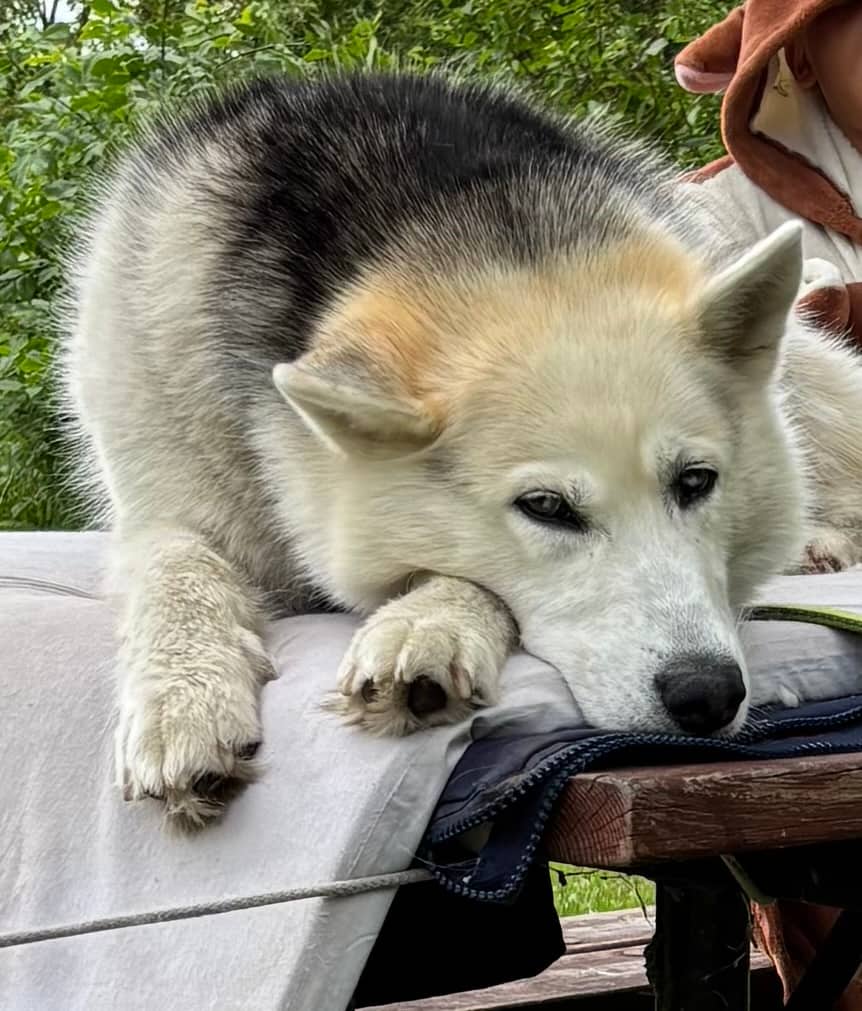
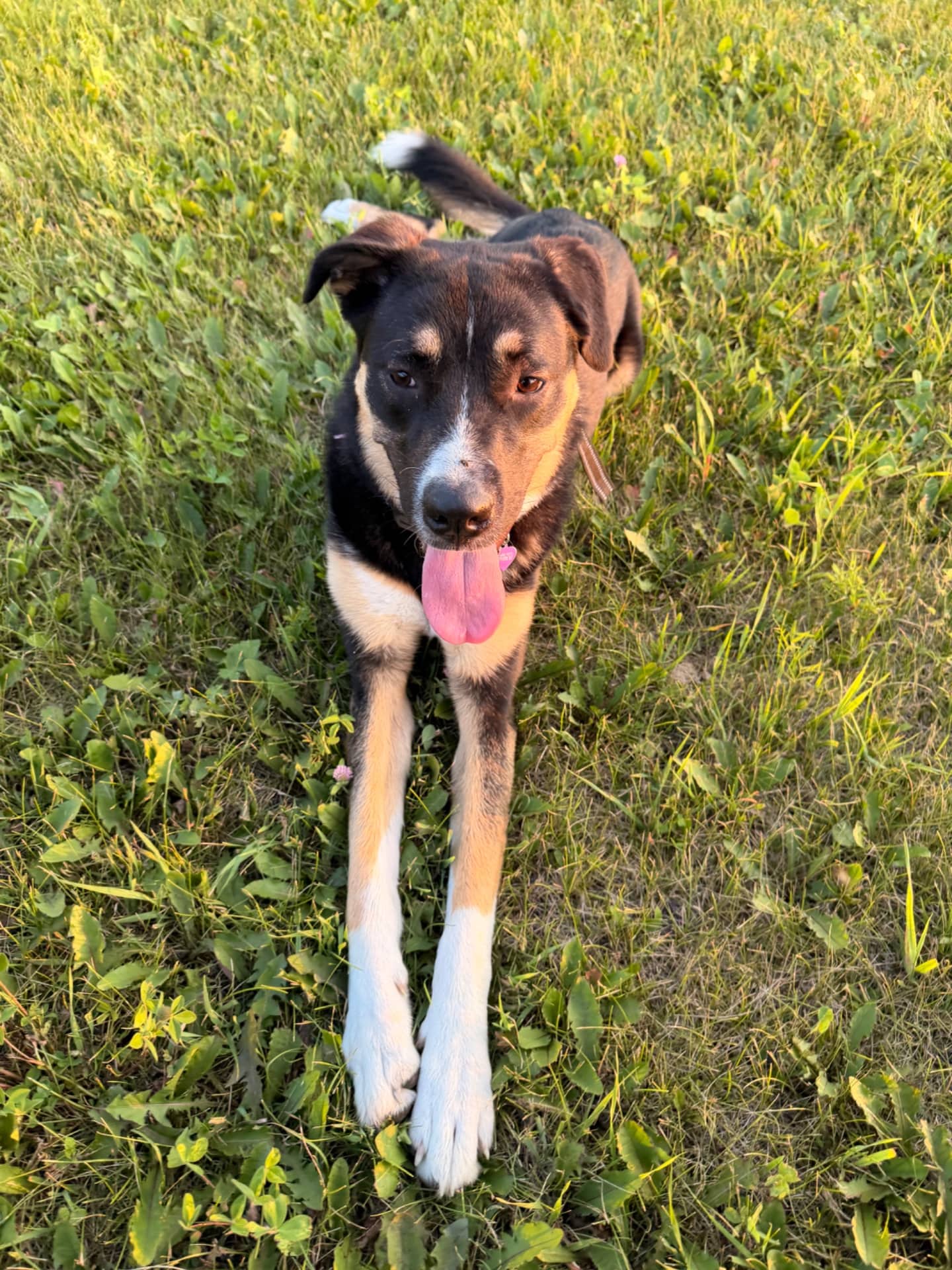
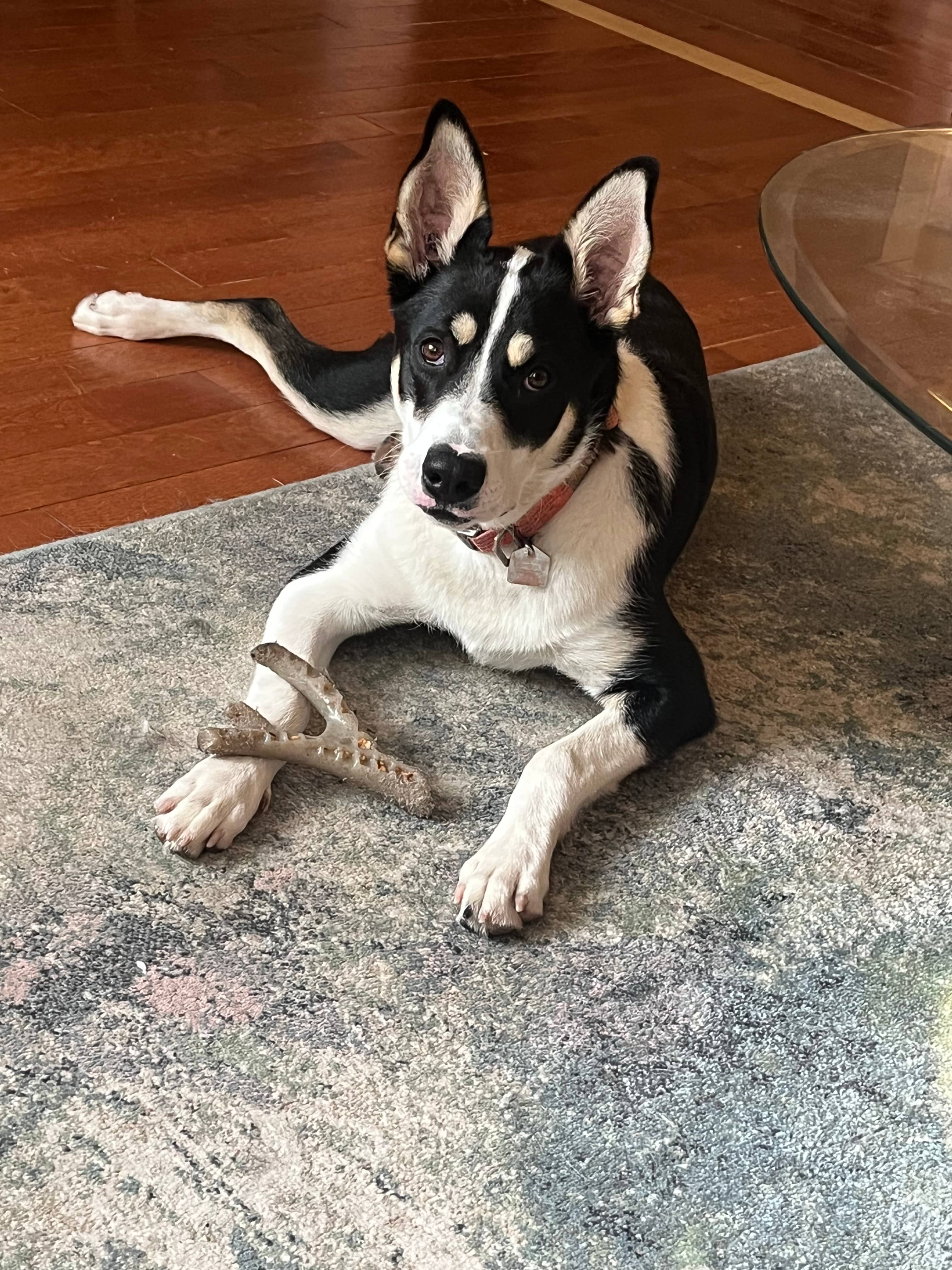
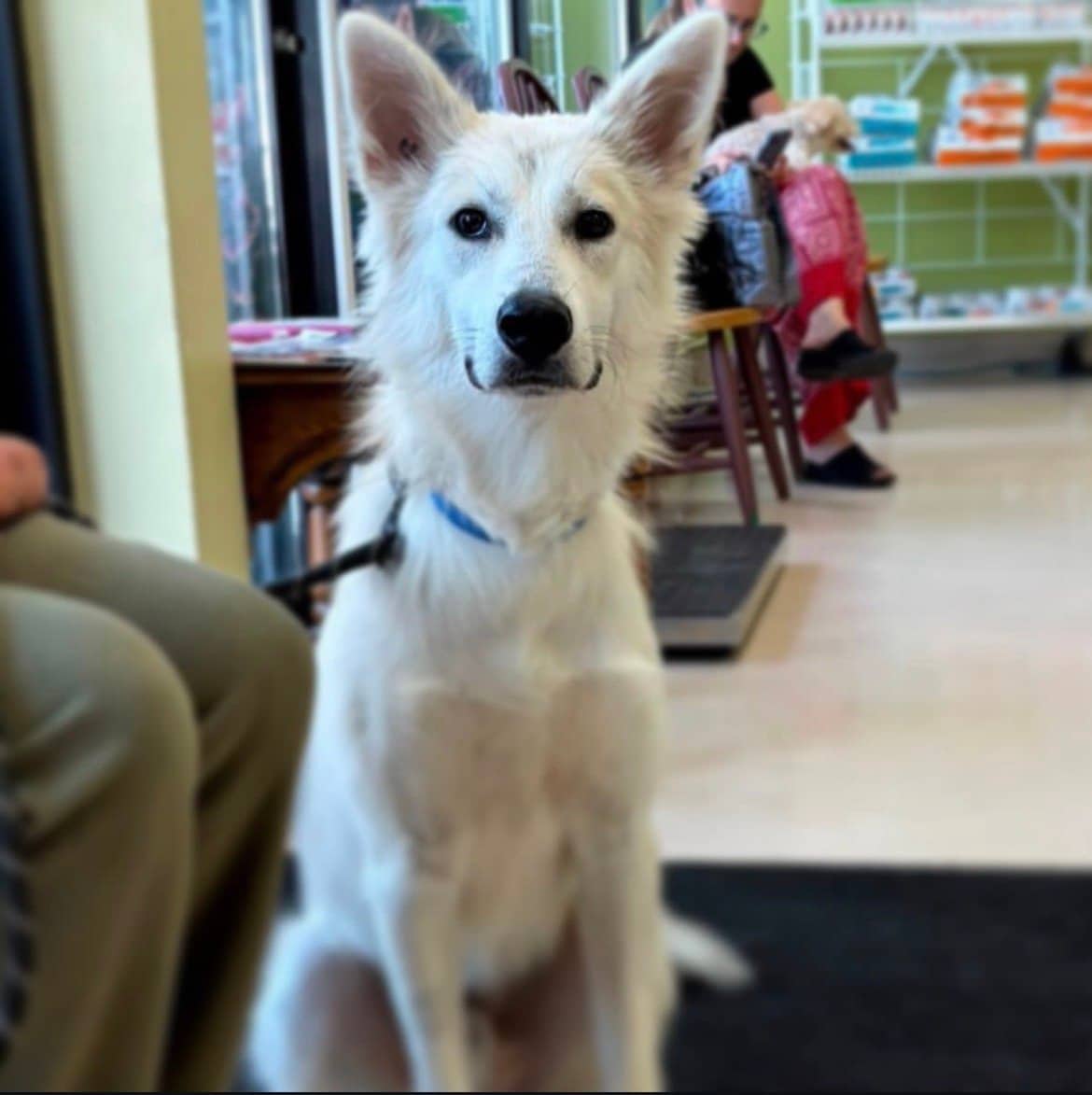


Huskys in Winnipeg, right now
We're currently tracking 12 adoptable Huskies in southern Manitoba, listed by 7 rescues including Owner Rehoming, D'Arcy's ARC, and Manitoba Great Pyrenees Rescue. Listings update regularly, and most Huskys in Winnipeg get adopted within days of being posted — if one catches your eye, reach out fast.
Adopting a Husky in Winnipeg
Huskies turn up in Winnipeg rescue more consistently than almost any other breed. Manitoba Mutts Dog Rescue runs the largest Husky pipeline through its northern transfer program from reserve communities and remote northern Manitoba, where free-roaming dog populations carry a heavy Husky and Husky-cross signature. The Winnipeg Humane Society sees Huskies through its Hurst Way intake every month, and D'Arcy's ARC carries Husky crosses regularly through its Century Street facility and foster network.
This page pulls every adoptable Husky from the Winnipeg shelters we cover into one searchable place, refreshed regularly. A serious Husky adopter should search city-wide, not by neighbourhood. Most rescues will arrange a meet at the foster home regardless of whether you live in Wolseley, St. Vital, Transcona, or out near the perimeter. The drive from Osborne Village to the northeast or out to Charleswood is a normal trip when the right dog is on the other end.
Why Huskies cycle through Winnipeg rescue
Two patterns drive most Husky surrenders in Manitoba. The first is the northern intake pipeline. Manitoba Mutts in particular runs an organised transfer program out of reserve communities and remote northern Manitoba where loose-dog populations carry a heavy Husky and Husky-cross signature. Many of those dogs started life outdoors, which the foster home will tell you about up front. Hull's Haven and D'Arcy's ARC also pull from northern communities when capacity allows.
The second is buyer underestimation in Winnipeg itself. Huskies are bought as fluffy puppies by owners who pictured a cold-weather companion and got a 50 to 60 pound escape artist with unreliable recall and a howl that carries through duplex walls. Surrenders within the first 18 months are common. The typical Husky in Manitoba rescue is not a damaged dog. It is a normal dog whose first home was the wrong fit. Game of Thrones drove a wave of Husky purchases through 2014 to 2019 that is still arriving in Winnipeg rescue today.
The one breed built for a Winnipeg winter
Winnipeg has the harshest winter of any major Canadian city. Five to six months of sealed-home weather, regular -35°C nights, prairie windchill that can hit -50°C, and no chinook relief like Calgary gets. For most breeds this is brutal. For a Husky it is exactly what the double coat was built for. A Winnipeg Husky owner is one of the few who can genuinely take their dog out at -25°C for an hour without the dog suffering, and walks at Kilcona Park, Assiniboine Forest, or along the river paths through January are comfortable for the breed.
The flip side is summer. Winnipeg summers run hot and humid, often hitting 30 to 32°C with humidex into the high 30s and frequent prairie thunderstorms. The same coat that insulates against -35°C also traps heat against 32°C. Limit midday outdoor time in July and August, exercise early morning or after dark, and never shave the coat (it actually makes heat regulation worse). Mosquitoes are intense from May through August, and heartworm prevention from a Manitoba vet is standard year-round.
Escape risk on Winnipeg yards
A standard residential fence in St. Vital, Transcona, or Charleswood is not a Husky-proof fence. Huskies dig under, climb over, and sprint past opening gates. Owners on acreages around Headingley, Oak Bluff, or Selkirk with field fencing have it worse — a Husky on a quarter-section will be on the township road within minutes of release. The Assiniboine and Red River corridors also carry a real coyote presence, particularly in winter when prey is thin, and a Husky off-leash near either river is asking for trouble.
Kilcona Park has the largest off-leash zone in the city, but the perimeter is not fully fenced — a Husky with high prey drive can chase deer or rabbits out of the off-leash area within seconds. The same applies at La Barriere Park south of the perimeter. We tell Winnipeg adopters the same thing every time: secure six-foot fencing with skirting buried 12 inches into the ground, or accept that the dog stays leashed and supervised when outside. There is no third option that works for this breed.
What Huskies are actually like to live with
The friendly first meeting is the part of Husky ownership most adopters do see. The harder parts only show up at home:
- Recall is unreliable. A Husky off-leash on an unfenced trail or in the unfenced perimeter at Kilcona Park is a real risk, even on what looks like a quiet path.
- Escape from a fenced yard is common. Huskies dig, climb, and jump over what looks secure. Most Winnipeg yards will need reinforcement before a Husky moves in.
- Prey drive is high. Cats, small dogs, rabbits, and the white-tailed deer that wander Winnipeg neighbourhoods at dusk are not safe assumptions. Coyote encounters along the river paths are a real factor.
- Vocalisation carries. Howling penetrates condo and duplex walls and bothers neighbours, which matters in Osborne Village, Wolseley, and Exchange District lofts.
- Coat blow happens twice a year. Spring and fall the undercoat releases in handfuls. Plan for daily brushing through blow season and a vacuum that handles fur.
- Pulling strength is real. The breed was built to pull a sled. Walking gear has to fit, and a casual handler can be dragged on a leash.
- Daily exercise needs are real year-round. Plan on at least an hour of vigorous activity, regardless of -30°C cold or summer humidex.
What the fee usually covers
Husky adoption fees at Winnipeg rescues sit in the standard range for large rescue dogs in Manitoba. The fee covers the medical work the rescue already paid for: spay or neuter, core vaccinations, microchip, deworming, and a vet check before placement. Confirm the exact number on the dog's own listing, because it varies with age and any special medical care. Northern transfer dogs through Manitoba Mutts sometimes carry additional treatment costs for parasites or skin conditions that the rescue absorbs.
How to actually search
Use the filters above to narrow by energy level (Huskies are high), size (large), compatibility (especially cats, which most Huskies are not safe with), and shelter. If a dog fits, apply the same day. Husky inventory across Winnipeg moves fast, and well-prepared applicants get the first conversation. Foster homes are usually willing to set up a video call before you drive across the city for an in-person meet.
Looking more broadly? Browse every adoptable dog across the province on Dog Adoption Manitoba.
The rescues that most often list Huskys across Manitoba are Manitoba Mutts Dog Rescue, Winnipeg Humane Society, D'Arcy's ARC, and Hull's Haven Border Collie Rescue. For breed-specific background, the Canadian Kennel Club is a useful reference.
Husky guides for Winnipeg adopters
Husky Adoption Winnipeg: Rescues, Costs, Reality
Where to adopt a Husky in Winnipeg: rescue fees vs breeders, why so many end up in Manitoba rescue, escape risk, and the breed reality before you apply.
12 min read readHuskies in Winnipeg Winter: Cold + Escape Risk
The Husky double coat thrives in Winnipeg cold, but the escape and roam drive is the real danger. Fencing, recall, coyotes, and winter safety.
11 min read readHusky Adoption FAQ — Winnipeg
How many Huskies are available for adoption in Winnipeg?
As of October 2026, 12 Huskies are available for adoption in Winnipeg across 7 rescues on LocalPetFinder. Listings update regularly as dogs are adopted and new ones arrive — browse the current Huskies above and apply directly through the rescue.
Where can I adopt a Husky near me in Winnipeg?
Winnipeg has Huskies in rescue most months of the year. Manitoba Mutts Dog Rescue runs the largest Husky pipeline through its northern transfer program from reserve communities, with the Winnipeg Humane Society on Hurst Way and D'Arcy's ARC on Century Street also seeing regular intake. This page lists what is currently available across all of them. Each profile links directly to the rescue to apply.
Why are there so many Huskies in Winnipeg rescue?
Two reasons. Northern Manitoba and reserve communities have limited spay and neuter access, and Manitoba Mutts in particular runs a steady transfer program that brings Huskies and Husky crosses south into Winnipeg foster homes. The other reason is buyer underestimation in Winnipeg itself: many first-time owners surrender within 18 months when they realise the exercise, escape risk, vocalisation, and coat-blow shedding they signed up for. The Game of Thrones wave of Husky purchases through 2014 to 2019 is still arriving in Winnipeg rescue today.
Can a Husky handle a Winnipeg winter?
Better than any other breed. Winnipeg's -35°C nights and prairie windchill into the -50s are exactly what the Husky coat was built for, and a Husky will stay comfortable on a winter walk when shorter-coated breeds are shivering after ten minutes. The bigger seasonal issue is summer heat and humidity in July and August when humidex pushes into the high 30s — limit midday exercise, walk before 8 AM or after 8 PM, and never shave the coat. Mosquito and tick season runs May through September, and year-round heartworm prevention from a Manitoba vet is standard practice.
Can I have a Husky in a Winnipeg apartment?
Sometimes, but it is harder than a house. The bigger issue than space is vocalisation — howling carries through condo and duplex walls and is a common complaint reason in Osborne Village, Wolseley, and Exchange District buildings. Read the rental or condo pet policy in writing before you apply, and budget for the City of Winnipeg dog licence (about $30 a year for a spayed or neutered dog under the Responsible Pet Ownership bylaw). A Husky in an apartment needs at least an hour of vigorous daily exercise year-round to stop the howling and destructive boredom that surrender stories usually start with.
Are there different types of Husky, and what do the colours and eyes mean?
Most dogs people call a Husky are Siberian Huskies. An Alaskan Husky is not a formal breed but a mixed sled dog bred for speed and stamina, often leaner. Siberians come in many coats (black and white, grey and white, red and white, agouti, solid white) and can have blue eyes, brown eyes, or one of each. None of that changes the core Husky reality: high energy, strong prey drive, a real escape-artist streak, and heavy shedding. Colour and eye colour are purely cosmetic; the exercise and containment needs are what to plan for.
How much does it cost to adopt a Husky in Winnipeg?
Adopting a Husky in Winnipeg typically costs $250 to $650, and puppies usually carry a premium at $450 to $800. The exact fee varies by rescue, and older dogs are often reduced. That fee is not a purchase price. It covers work already done on the dog: spay or neuter, vaccinations, deworming, microchip, and a basic vet workup, which would cost several hundred dollars more if you arranged it yourself after buying. Buying the same breed from a registered breeder generally runs well over $1,000, usually with a waitlist. Ask the rescue what is included before you apply, since a few include extras like a starter bag of food or a first-month insurance trial.
Are these Huskies for sale in Winnipeg?
Not for sale, for adoption, which is usually the better deal. Every Husky here comes from a Winnipeg rescue or shelter, not a breeder, pet store, or classified seller. Adoption fees are typically $250 to $650, with puppies at $450 to $800 and already include vaccinations, deworming, microchip and spay or neuter when age-appropriate, versus roughly several thousand dollars to buy a Husky from a breeder. If you searched "husky for sale winnipeg" or "husky puppies for sale," adopting gets you a healthy, vetted dog for a fraction of the price.
Where can I buy a Husky in Winnipeg, and should I?
You can buy from a registered breeder, but it is worth weighing against adoption first. A reputable Husky breeder typically charges several thousand dollars and often has a waitlist, while a rescue Husky costs $250 to $650, with puppies at $450 to $800 fully vetted and may be available now. Be cautious of cheap husky-for-sale ads on classified sites and marketplaces, which are frequently backyard breeders or puppy-mill resellers with unvetted, sometimes sick animals and no health guarantee. If you do buy, insist on seeing where the puppies were raised and getting vet records. For most families in Winnipeg, adopting a rescue Husky is cheaper, faster, and gives a dog in need a home.
Are there free Huskies in Winnipeg, or huskies under $500?
Adoption is the closest honest answer, and it is not free. A rescue Husky in Winnipeg typically costs $250 to $650, with puppies at $450 to $800, so the lower end lands under the "$500" people search for and the rest does not. What the fee buys is work already done, the vaccinations, deworming, microchip and spay or neuter, which would cost more than the fee itself if you arranged it yourself, and it is still far below breeder prices. Be wary of genuinely free husky listings. An animal advertised free to a good home has usually not been vetted, and free rehoming ads are the route flippers and unregistered breeders use to move animals with no health guarantee and no recourse. Paying a rescue fee buys you a dog someone has already examined, treated, and been honest with you about.
Are there Husky puppies in Winnipeg, or only adults?
Both, but adults far outnumber puppies, and it is worth knowing that before you start looking. Most Huskies arriving in Winnipeg rescue are adolescents and adults, because that is the age at which first homes tend to give up. Puppies do come through, usually as accidental litters or with a surrendered mother, and they are typically spoken for quickly. Setting an alert beats refreshing the page. It is also worth asking whether you actually want one: an adult arrives with a temperament a foster has already observed and described, where a Husky puppy is a prediction, and for this breed in particular knowing what you are getting is the more useful thing.
Where can I find a Husky near me in Winnipeg?
Start with the listings on this page, which pull from Winnipeg rescues and shelters and are refreshed regularly, so what you see is what is genuinely available rather than a stale directory. If nothing suits today, that is normal for this breed: rescue intake is intermittent rather than steady, and a breed with none listed this week often has several next month. Setting an alert beats checking back, and it is worth widening to nearby towns, since most rescues serving Winnipeg will adopt out across a reasonable driving distance rather than only inside one municipality.
Have a dog to rehome?
Rehoming a Husky in Winnipeg?
List your dog free. Local adopters browsing Winnipeg see owner listings first: no shelter, no fees, you choose the home.
List your pet free →Takes 3 minutes. You stay in control of who adopts.
Not seeing one yet?
Get notified when a Husky is listed in Winnipeg
We'll email you the moment a Husky is listed in Winnipeg on LocalPetFinder, from a rescue or an owner rehoming.
One email when there's a match. Unsubscribe anytime.
For rescues & shelters
Are you a Winnipeg-area rescue? List your adoptable dogs free.
Free shelter account: your dogs appear here and across LocalPetFinder, with analytics and adoption applications included.