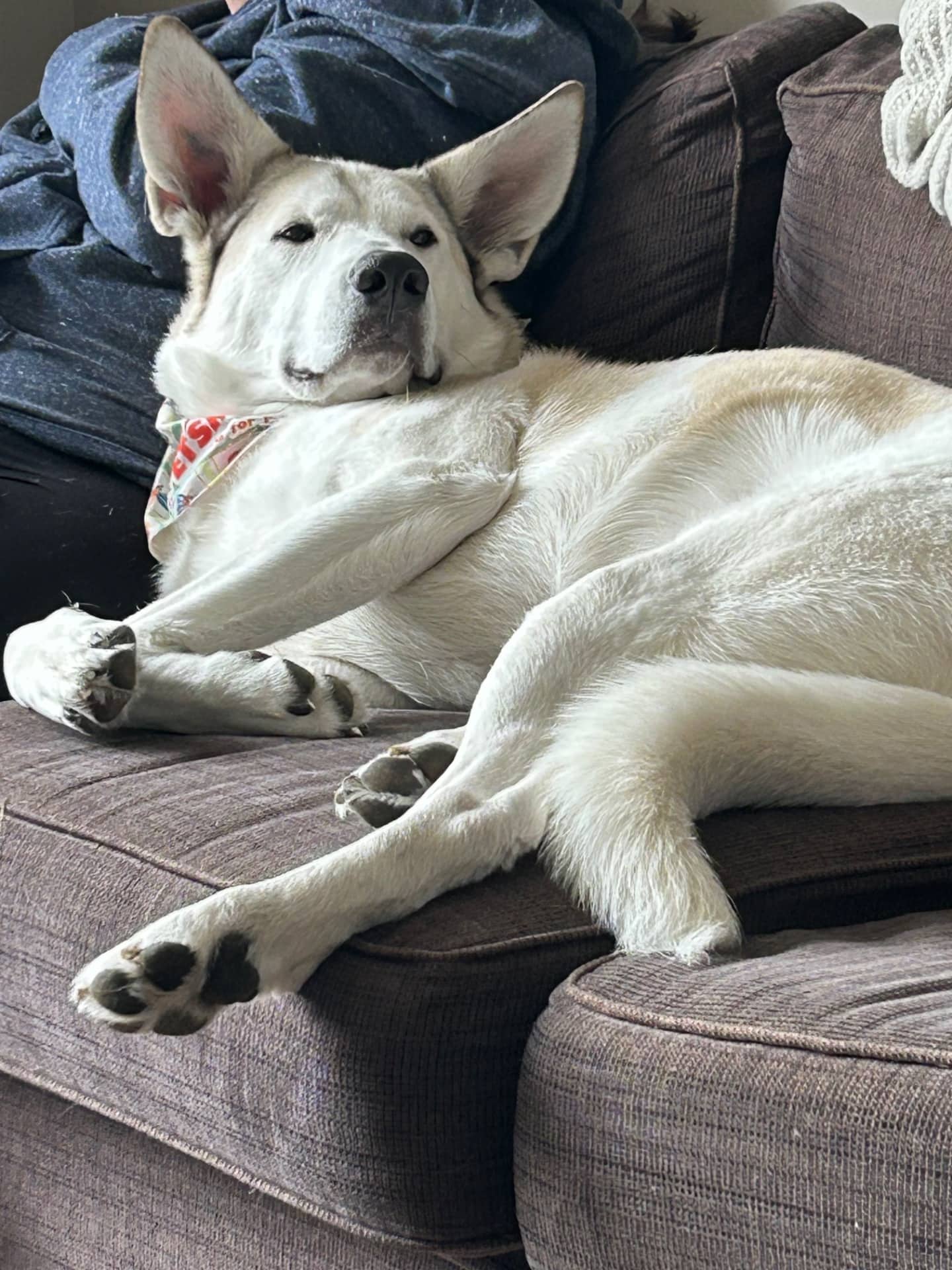
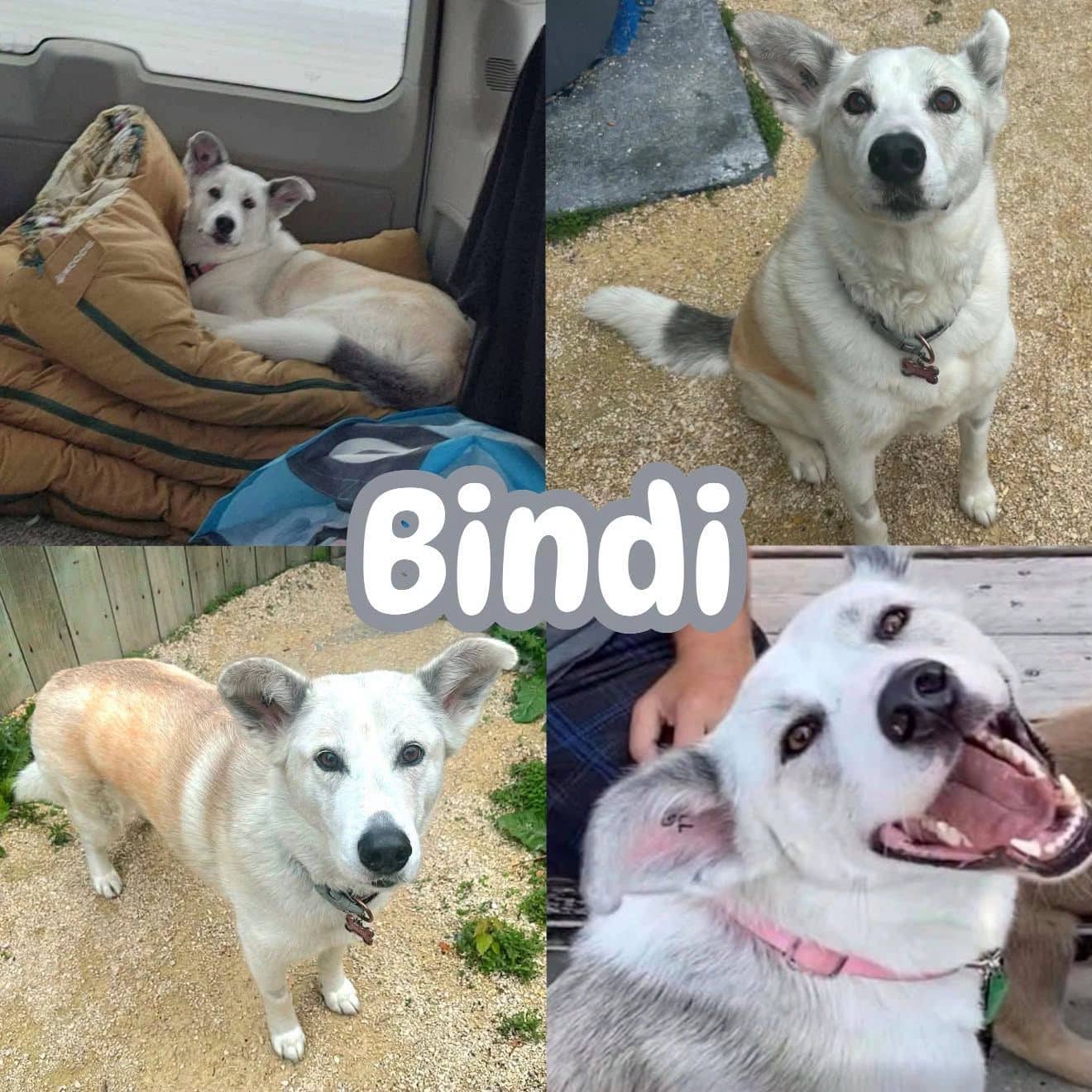
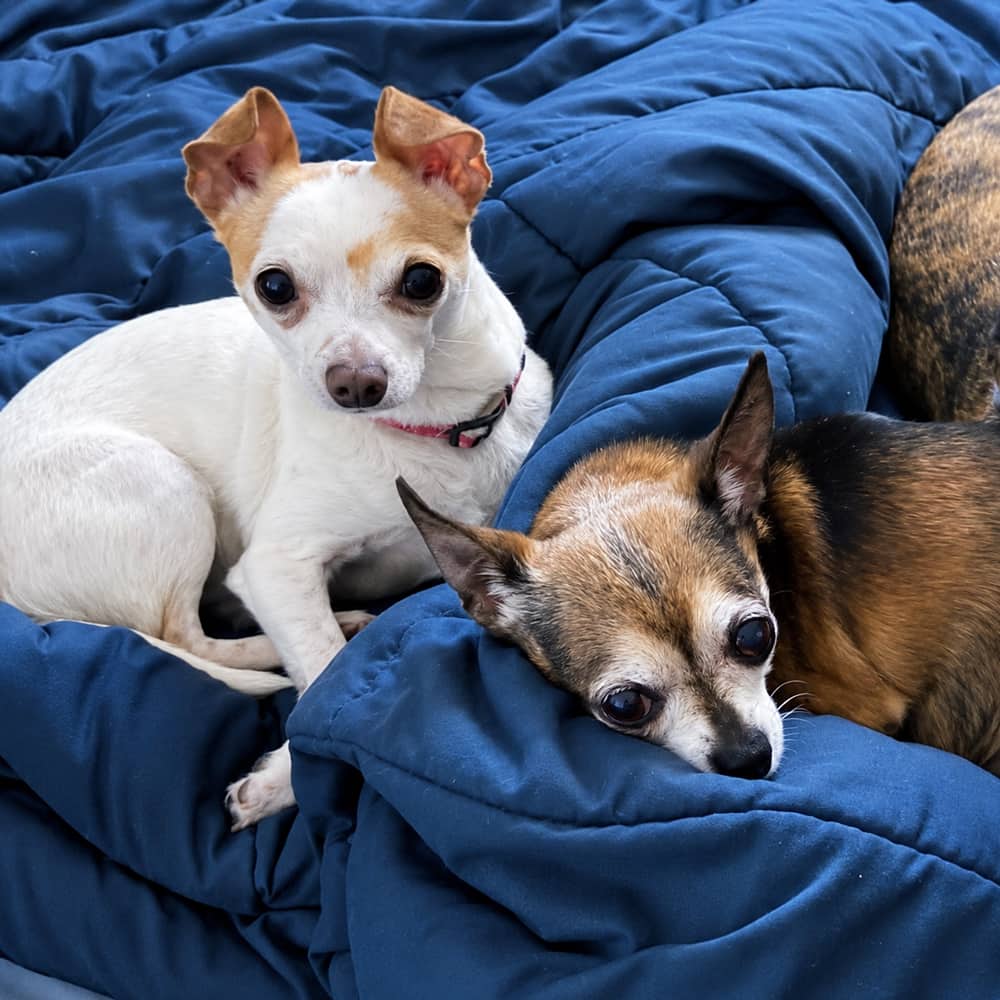
Showing 4 dogs
Why adopt a special needs dog?
Special needs dogs wait far longer in Winnipeg rescues than typical adoptables. A tripod or a deaf dog is the same loving rescue as any other, just passed over by adopters who assumed the care would be harder than it is. Adopting a special needs dog often means a more bonded, more grateful, and surprisingly low-maintenance companion. Foster homes have already done months of evaluation, so you know exactly what you're getting.
The Winnipeg specialty-care reality (honest version)
Winnipeg has solid general veterinary coverage and several local specialty practices (Pembina Veterinary Hospital and other multi-vet referral practices) that handle most ophthalmology, cardiology, and internal medicine workups locally. Where the city is genuinely thinner than Saskatoon or larger metros: the nearest full veterinary teaching hospital is WCVM at the University of Saskatchewan, about 5 hours by car. Complex referral cases (advanced neurology, oncology trials, complex orthopaedic referrals) often ferry to Saskatoon or south to Minnesota. For most special needs dogs this never becomes a factor, but it is worth knowing up front so the medical plan is realistic from day one.
The ongoing vet & care reality
Sensory disabilities (blind, deaf, tripod) typically have no ongoing medication cost — just standard annual care plus condition-specific monitoring. Chronic medical conditions (diabetes, epilepsy, heart disease) do carry monthly costs and require a stable vet relationship. Winnipeg covers most of this well locally; the rare exception is a complex specialty referral that may route to WCVM Saskatoon or Minnesota. Pet insurance is worth pricing before adoption; pre-existing diagnoses are often excluded after the fact, so apply during the foster-to-adopt window where possible. Behavioural rehabilitation cases need a trainer commitment in the first 6 to 12 months.
Special needs dogs — also searched as “disabled dogs,” “handicap dogs,” or “dogs with disabilities” — are some of the most overlooked rescues in Winnipeg, and some of the most rewarding to adopt. The category covers a wide range: blind dogs, deaf dogs, three-legged dogs (tripods), dogs missing limbs from past injuries, diabetic dogs that need daily insulin, dogs managing epilepsy, senior dogs with arthritis or heart conditions, and dogs in behavioural rehabilitation from neglect or trauma.
Most special needs dogs adapt to their condition far better than people expect. A blind dog navigates a familiar home with confidence after a few weeks. A deaf dog learns hand signals as fast as a hearing dog learns voice cues. A tripod dog runs, plays, and walks Winnipeg's Assiniboine and Red River trails like any other rescue. Diabetic and epileptic dogs live full lives on a stable medication routine. The biggest barrier is usually the adopter's hesitation, not the dog's condition. Foster-based Winnipeg rescues like Manitoba Mutts, and application-led rescues like D'Arcy's ARC, are especially valuable here because foster homes log months of real-world behaviour, medication response, and quirks before the dog meets you.
Here is the honest Winnipeg specialty-care picture: Winnipeg has good general veterinary coverage and several local specialty practices (Pembina Veterinary Hospital among others), which handle most ophthalmology, cardiology, and internal medicine workups locally. The genuine friction point worth knowing up front: the nearest full veterinary teaching hospital is the Western College of Veterinary Medicine (WCVM) at the University of Saskatchewan, roughly a 5-hour drive away in Saskatoon. Complex referral cases (advanced neurology, oncology trials, complex orthopaedics) often ferry to Saskatoon or south into Minnesota. For most special needs dogs this rarely comes up, but it is a real consideration for the most complex conditions. Most Winnipeg rescues reduce adoption fees for special needs dogs and many include partial veterinary support, ongoing medication discounts, or a “take it back” commitment if the medical care becomes unmanageable. Listings listed here are pulled from Winnipeg Humane Society, D'Arcy's ARC, Manitoba Mutts Dog Rescue, and Hull's Haven Border Collie Rescue, and refreshed regularly.
Special Needs Dog Adoption FAQ (Winnipeg)
Where can I adopt a special needs dog in Winnipeg?▼
LocalPetFinder lists 4 special needs rescue dogs currently available from Winnipeg-area shelters including Winnipeg Humane Society, D'Arcy's ARC, Manitoba Mutts Dog Rescue, and Hull's Haven Border Collie Rescue. The category covers blind, deaf, three-legged (tripod), diabetic, epileptic, and senior medical-needs dogs. Honest note on specialty care: Winnipeg has solid general veterinary coverage and some local specialty practices, but the nearest full veterinary teaching hospital (WCVM at the University of Saskatchewan) is roughly a 5-hour drive away in Saskatoon, so complex referral cases often ferry to Saskatoon or south into Minnesota.
How much does it cost to care for a special needs dog in Winnipeg?▼
It depends on the condition. Blind, deaf, and tripod dogs typically cost the same as any rescue dog (around $1,500–$2,500/year). Dogs with diabetes ($150–$250/month for insulin and supplies), epilepsy ($30–$120/month for medication), or chronic heart conditions ($50–$200/month) require ongoing budgeting. Winnipeg has competitive general vet pricing and several local specialty options (Pembina Veterinary Hospital among others), but complex referral work that needs a teaching-hospital workup often means a drive to WCVM in Saskatoon (about 5 hours) or south into Minnesota. Many Winnipeg rescues also partner with low-cost vet clinics and offer medication discounts to special needs adopters.
Are blind or deaf dogs harder to train?▼
No, just different. Blind dogs learn through scent, touch, and verbal cues. Deaf dogs learn hand signals and vibration cues. Most blind and deaf dogs train as quickly as sighted or hearing dogs, sometimes faster because they focus more intensely. The 3-3-3 rule applies the same way: 3 days to decompress, 3 weeks to settle, 3 months to fully bond.
Can three-legged (tripod) dogs live a normal life?▼
Yes. Tripod dogs run, play, hike, and go for off-leash walks like any other dog. Most adapt within weeks and live full lifespans. Things to watch: weight management (extra weight stresses the remaining legs), joint supplements after age 5, and avoiding repetitive high-impact activity like fetch on hard surfaces. Winnipeg riverbank paths along the Assiniboine and Red River trails, plus off-leash zones like Kilcona Park and Maple Grove Park, work well for tripods at moderate pace. Manitoba winters do mean ice traction matters more for tripods than four-legged dogs; consider boots and shorter winter outings on icy surfaces.
Which Winnipeg rescues take in special needs dogs?▼
Winnipeg Humane Society regularly intakes special needs and medical surrenders and runs reduced-fee placements for harder-to-place dogs. D'Arcy's Animal Rescue Centre (D'Arcy's ARC) focuses heavily on senior and medical-needs dogs from the start of their model. Manitoba Mutts Dog Rescue is foster-based and frequently takes dogs with chronic conditions because foster homes can monitor medication and behaviour day-to-day. Hull's Haven Border Collie Rescue specialises in herding-breed rehabilitation including dogs with behavioural and medical histories. Foster-evaluated medical history is one of the biggest advantages of adopting through these networks.
Do Winnipeg rescues waive or reduce special needs adoption fees?▼
Yes. Most Winnipeg rescues reduce adoption fees for special needs and senior medical dogs, and many run periodic donor-sponsored placements where the fee drops to zero. Winnipeg Humane Society regularly runs reduced-fee weeks. D'Arcy's ARC and Manitoba Mutts feature donor-sponsored long-stay medical dogs. Some rescues also subsidise the first round of medication, partner with low-cost vet clinics, or have donor-funded medical funds you can apply for after adoption.
What ongoing veterinary care should I plan for?▼
Winnipeg has strong general veterinary coverage and several local specialty practices (Pembina Veterinary Hospital and a handful of other multi-vet referral practices), which handle most ophthalmology, cardiology, and internal medicine workups locally. The honest reality: for the most complex cases (advanced neurology, oncology trials, complex orthopaedic referrals), the nearest full veterinary teaching hospital is the Western College of Veterinary Medicine (WCVM) at the University of Saskatchewan, about 5 hours by car. Some Winnipeg owners also refer south into Minnesota for specific specialty work. Plan for a baseline annual exam plus condition-specific checkups (diabetic dogs every 3 to 6 months, epileptic dogs annually with medication blood work, blind dogs annually for eye health, tripods annually for joint screening). Pet insurance is worth comparing for chronic conditions; some insurers exclude pre-existing diagnoses, so apply before the adoption is finalised when possible.
Will the rescue help if I can't afford ongoing care?▼
Most Winnipeg rescues offer a “take it back” commitment for the dog's lifetime — if circumstances change, they will take the dog back rather than have it go to a city shelter. Some rescues also offer medication subsidies, partner with low-cost Winnipeg vet clinics, or have donor-funded medical funds. Always ask about ongoing support during the application; foster-based rescues like Manitoba Mutts and application-led rescues like D'Arcy's ARC are typically the most flexible.
Are these special needs dogs for sale in Winnipeg?▼
Not for sale, for adoption, and for most people that is the better deal. Every dog listed here comes from a Winnipeg-area rescue or shelter rather than a breeder, pet store or classified seller. The adoption fee is typically a few hundred dollars and already covers spay or neuter, vaccinations, deworming and a microchip, which on their own would usually cost more than the fee. If you searched "special needs dogs for sale winnipeg", this is the same search done a cheaper way, with a dog someone has already examined and can tell you about.
Where can I buy a special needs dog in Winnipeg, and should I?▼
You can buy from a registered breeder, and it is worth pricing against adoption before you do. A breeder puppy generally runs well into four figures and often comes with a waitlist, while a rescue dog costs a few hundred dollars fully vetted and may be available this week. The listings to be careful with are the cheap ones on classified sites and marketplaces, which are frequently backyard breeders or puppy-mill resellers moving unvetted animals with no health guarantee. If you do buy, insist on seeing where the litter was raised and getting vet records.
Are there free special needs dogs in Winnipeg, or special needs dogs under $500?▼
Adoption is the closest honest answer and it is not free. A rescue dog in Winnipeg usually costs a few hundred dollars. The fee already covers medical work worth considerably more. Genuinely free listings deserve suspicion: a dog advertised free to a good home has usually not been vetted, and free rehoming ads are the route flippers and unregistered breeders use to move animals with no recourse for the buyer. Reduced-fee events, sponsored long-stay dogs and senior discounts are the legitimate ways the price comes down.
Where can I find special needs dogs near me in Winnipeg?▼
Start with the listings on this page, which pull from Winnipeg rescues and shelters and refresh regularly, so what you see is genuinely available rather than a directory that went stale months ago. If nothing suits today, check back or set an alert, because special needs dogs in particular move fast and the list turns over. It is also worth widening slightly beyond the city, since most rescues serving Winnipeg will adopt across a reasonable driving distance rather than only within municipal limits.