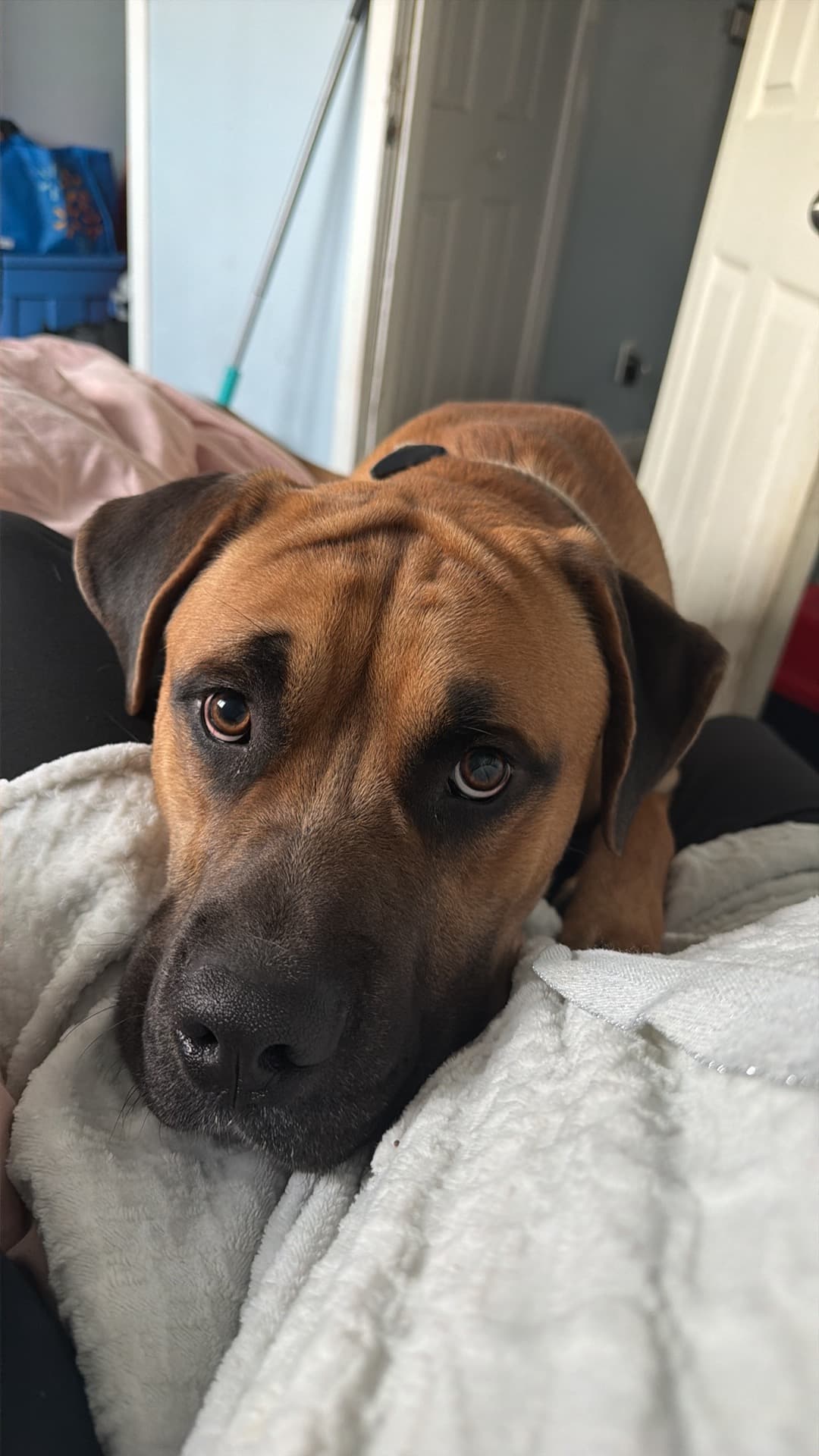
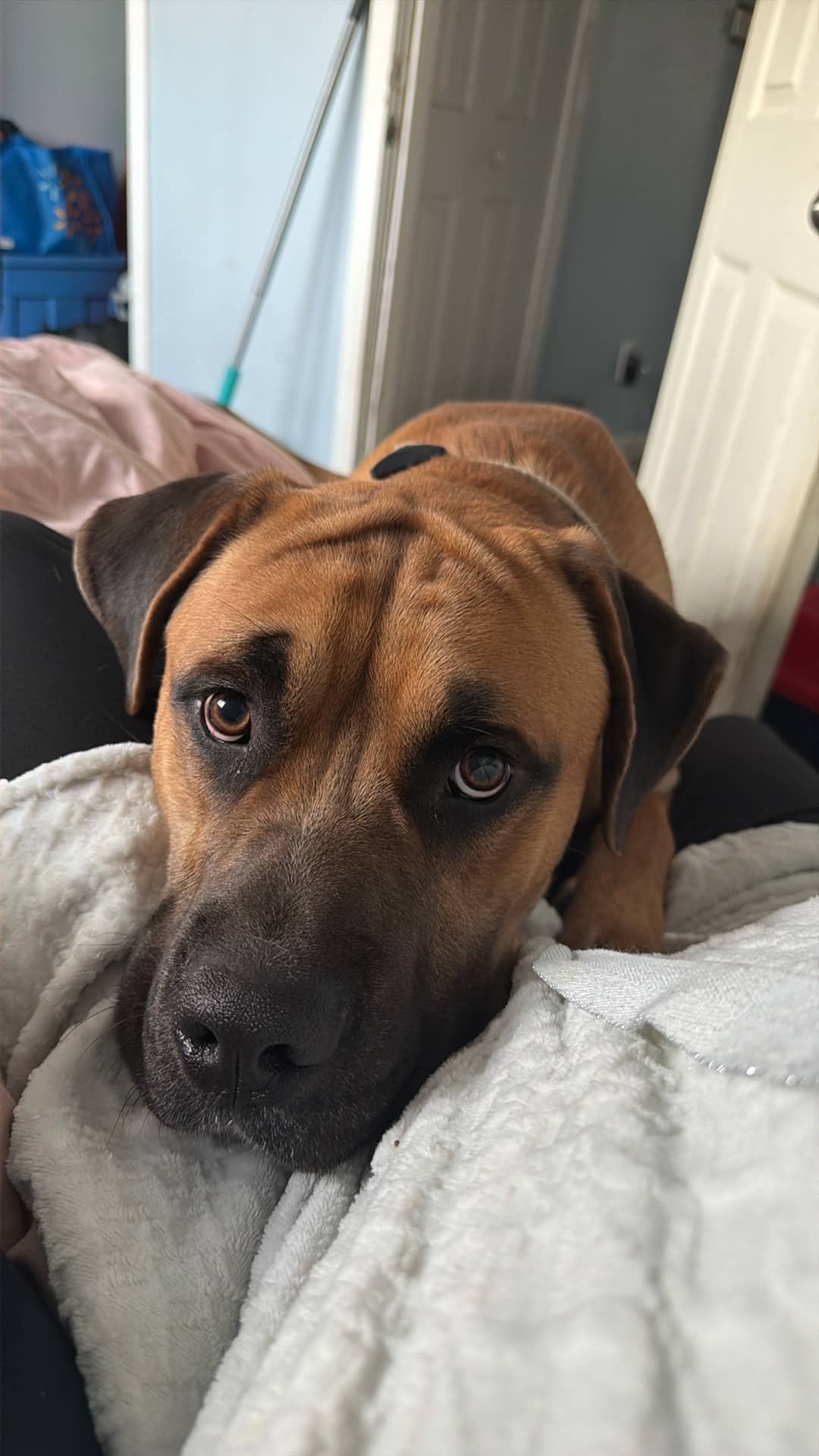
1 Boxer puppy available in Manitoba
Under a year old, listed by rescues and shelters. Updated as shelters publish.
Get notified when a Boxer is listed
We will email you the moment a Boxer becomes available in Manitoba, from a rescue or an owner rehoming.
Adopting a Boxer in Manitoba
Boxers turn up in Manitoba rescue moderately. Usually 1 to 3 across the network at any given time. Winnipeg Humane Society and Manitoba Mutts see most of the intake. Surrender reasons cluster around exercise mismatch (Boxers are high-energy until age 5 or 6), medical costs (the breed is predisposed to multiple expensive conditions), and lifestyle changes.
Boxers and Winnipeg winter — the cold tolerance reality
Boxers have one of the thinnest coats of any working-class breed. A Manitoba Boxer owner will spend money on dog coats. At minus 15 most Boxers want to be in within 15 minutes; at minus 25 they will refuse the door. Paws are also vulnerable to ice salt damage on Winnipeg sidewalks — booties or paw wax are realistically required from December through March.
The other Winnipeg-specific issue is the long sealed-home winter. Boxers are high-energy young dogs and need real daily exercise. Owners who rely on a backyard romp through summer will find themselves indoors with a frustrated Boxer for five months. Plan indoor mental work (training sessions, food puzzles, tug games) for the long cold-snap weeks.
Brachycephalic concerns and heat
Boxers are mildly brachycephalic (shorter muzzle than most breeds) and can struggle with extreme heat. Manitoba summers above 30°C with humidex are hard on the breed. Limit midday outdoor time in July and August, provide constant water and shade, and watch for laboured breathing. Heat stroke can develop fast.
West Nile virus is endemic in Manitoba mosquitoes from June through September. Standard mosquito prevention applies — limit dawn and dusk exposure in standing-water areas (the river paths, Beaudry, Birds Hill), and discuss vaccination with your vet.
Health concerns worth asking the foster about
Boxers are predisposed to: cardiomyopathy (Boxer cardiomyopathy — a specific genetic cardiac condition), cancer (mast cell tumours, lymphoma — high lifetime rate), hip dysplasia, hypothyroidism, and bloat (gastric dilation-volvulus). A foster who has had the dog several weeks should know the dog's baseline energy and any signs of weakness, coughing, or unexplained lumps. Senior Boxer rescues should have recent cardiac screening noted in the file.
Looking more broadly? Browse every adoptable dog across the province on Dog Adoption Manitoba.
The rescues that most often list Boxers across the province are Winnipeg Humane Society, Manitoba Mutts Dog Rescue, and D'Arcy's ARC. For breed-specific background, the Canadian Kennel Club is a useful reference.
Boxer Adoption FAQ — Manitoba
Tap a question to expand
How many Boxers are available for adoption in Manitoba?▼
Where can I find Boxer adoption near me in Manitoba?▼
How do Boxers handle Winnipeg winter?▼
What does a Boxer adoption fee include in Manitoba?▼
Are Boxers good with kids?▼
What colours do Boxers come in, and are white Boxers different?▼
Can I get a Boxer free to a good home in Manitoba?▼
Are these Boxers for sale in Manitoba?▼
Where can I buy a Boxer in Manitoba, and should I?▼
Are there free Boxers in Manitoba, or boxers under $500?▼
Are there Boxer puppies in Manitoba, or only adults?▼
Where can I find a Boxer near me in Manitoba?▼
Popular dog breeds in Manitoba
Boxer adoption by city in Manitoba
Each city page lists only the boxers available from rescues serving that city, with local adoption details.
Need to rehome a Boxer?
If you can no longer keep your Boxer, you can list them for free on LocalPetFinder. Your dog stays in your home until you find the right family, you screen who applies, and there is no surrender fee. Not sure yet? Our guide to surrendering a dog in Canada walks through every option first.
List your dog for free →