Showing 6 cats
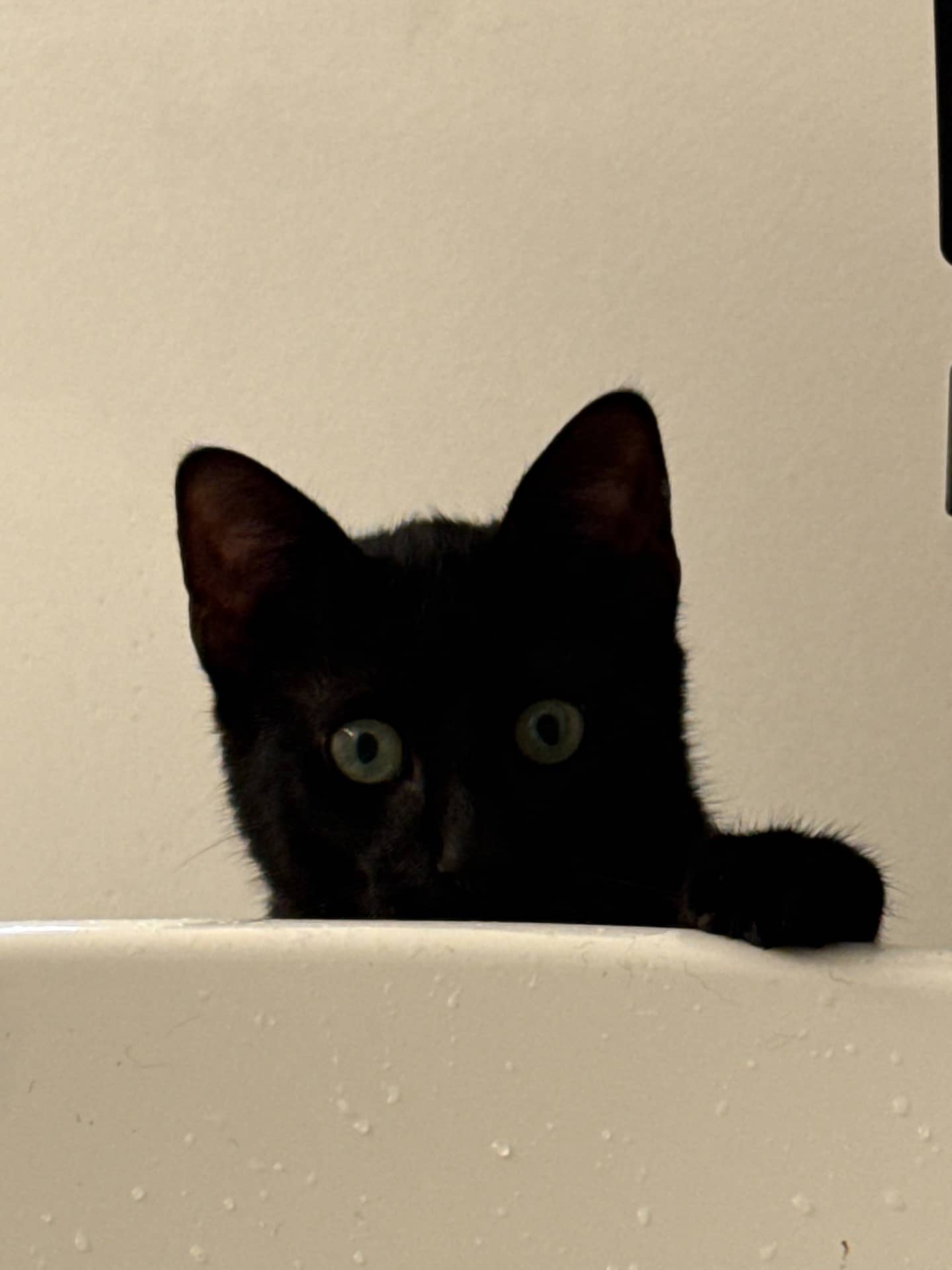
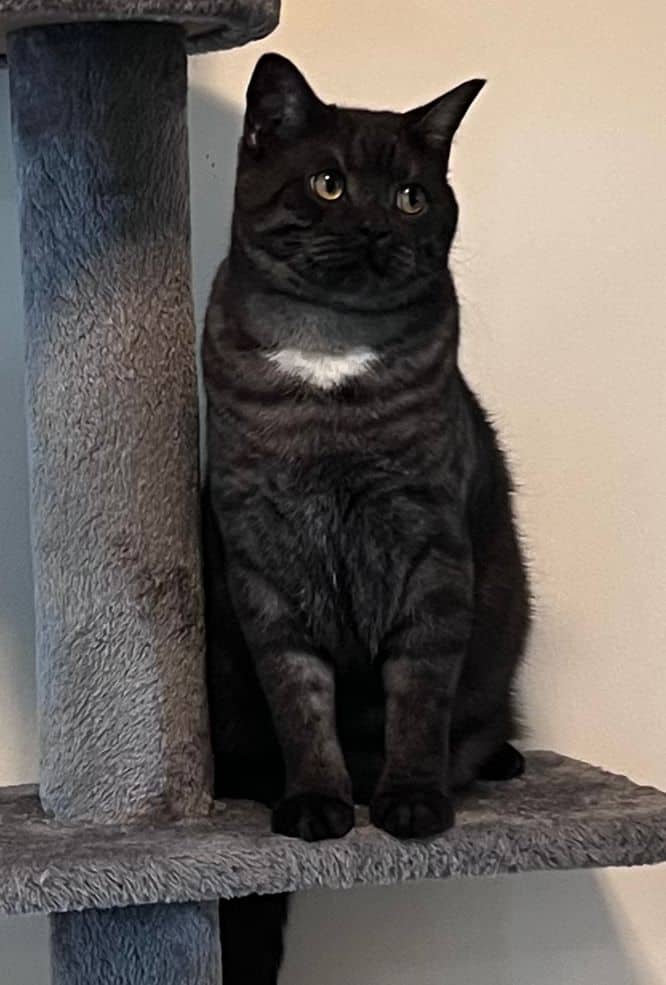
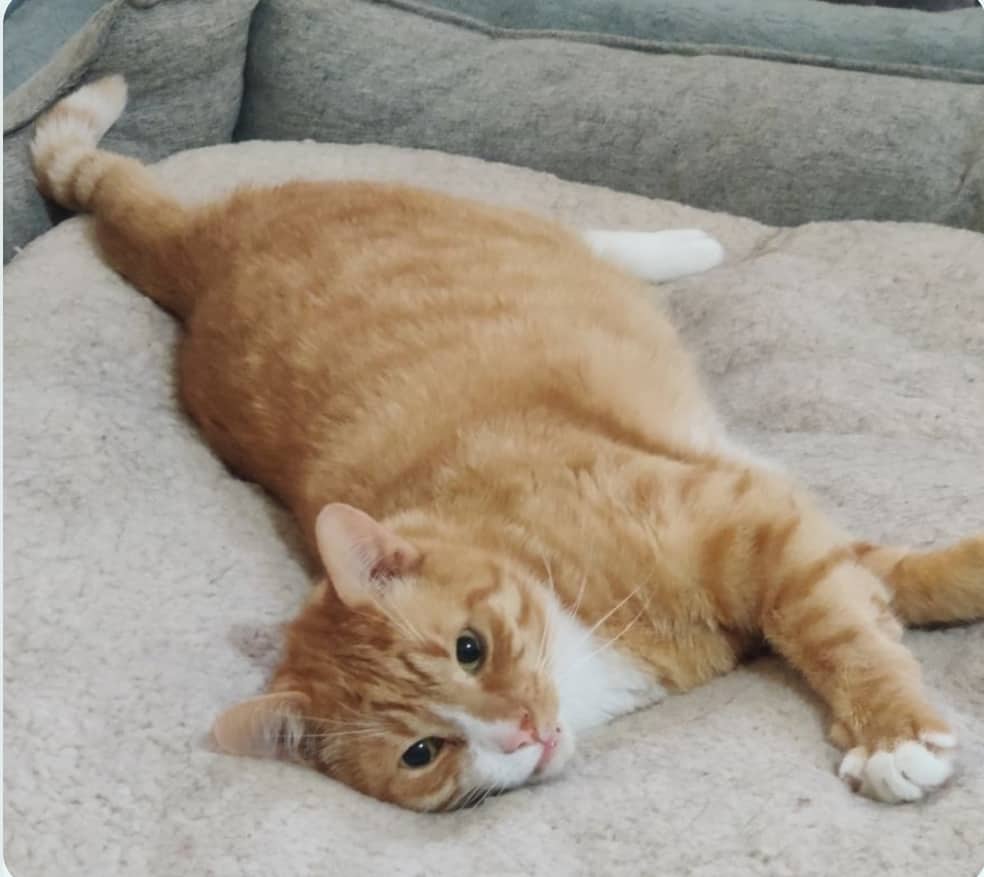
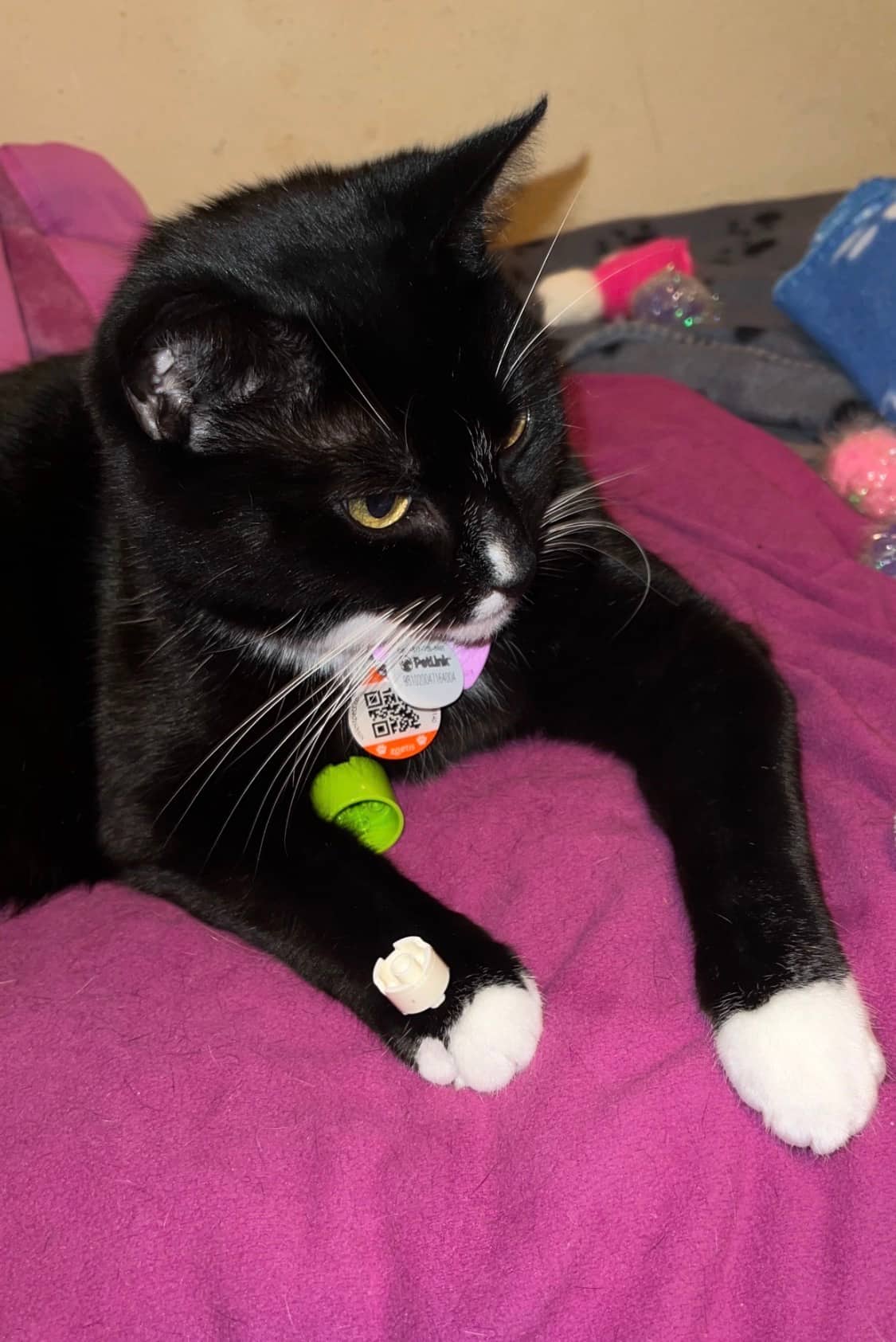
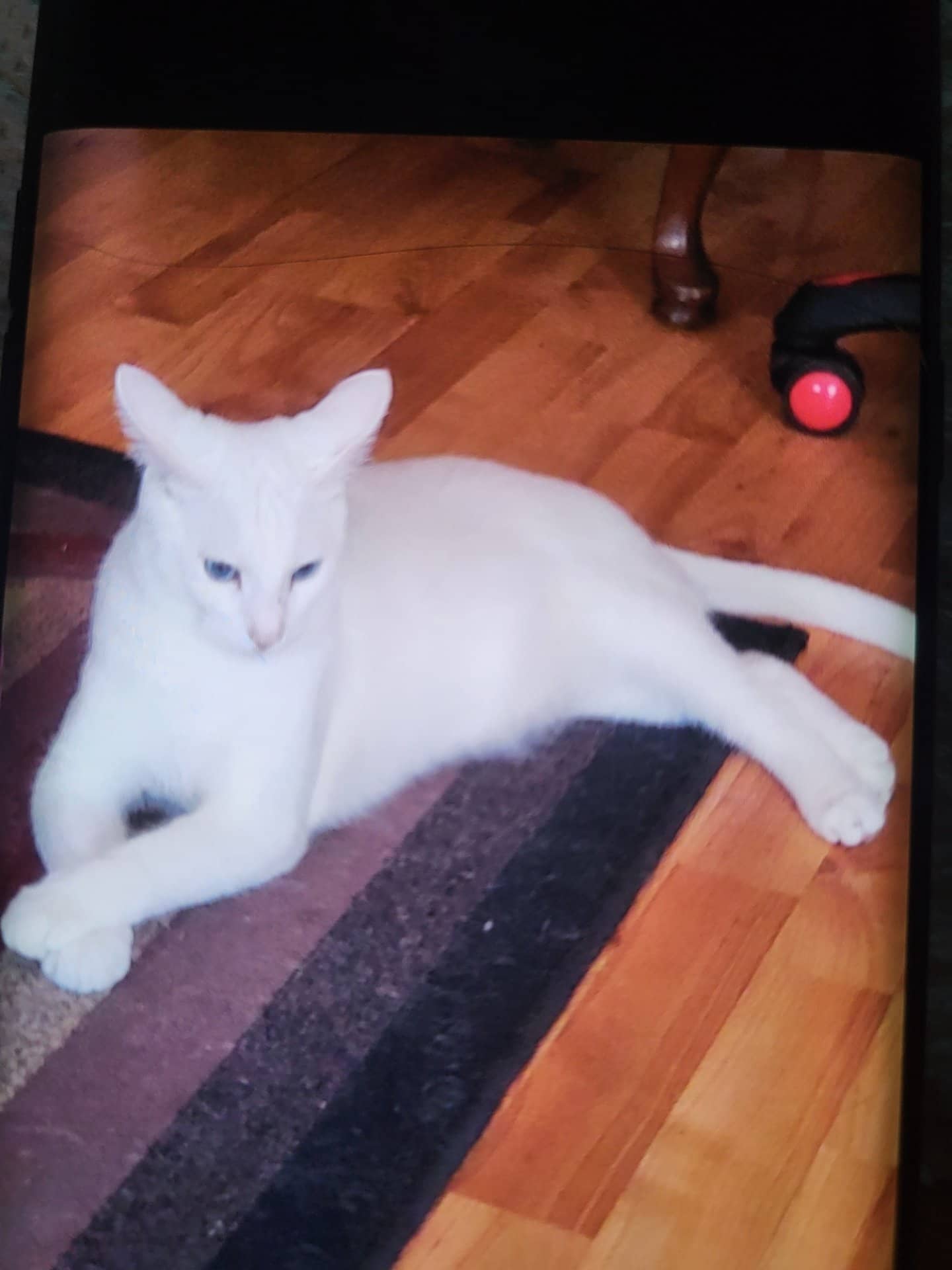
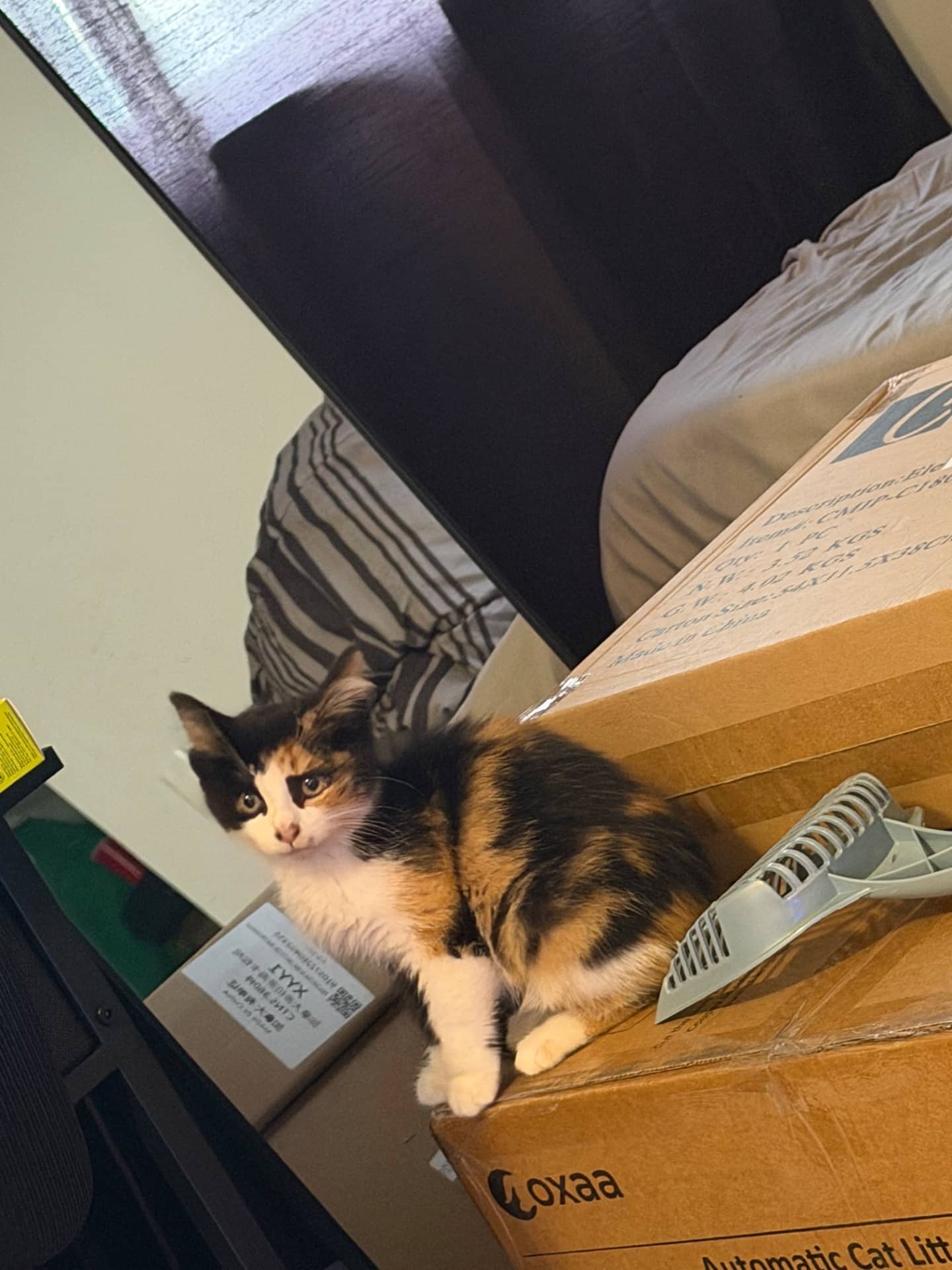
Almost every Toronto cat rescue requires their cats to live indoors only. The risks here are specific to a dense North American metro: heavy arterial traffic on Bloor, Yonge, Lake Shore, the Don Valley Parkway corridor, and the Gardiner; established coyote populations across the Don Valley, Rouge Park, and the ravine system that runs through the city; some of the highest urban raccoon densities in North America (Toronto is famously the raccoon capital, and raccoons can seriously injure or kill cats and carry leptospirosis); and disease exposure from outdoor strays. Outdoor cats here typically last 3 to 5 years; indoor cats routinely make 15 to 18.
Toronto Municipal Code Chapter 349 governs animal control in the city and allows cats to be at-large under specific conditions — meaning that, unlike some prairie cities, free-roaming cats are not strictly illegal in Toronto. The catch is that the absence of a leash bylaw doesn't make outdoor life safer. Toronto Humane Society, Annex Cat Rescue, City of Toronto Animal Services, and the rest of the GTA rescue community uniformly require indoor-only adoptions because the lifespan data is so one-sided.
The cats listed here are specifically flagged as indoor-only by their foster home — they're used to indoor living, often previously lived in apartments, condos, or quiet houses, and don't have outdoor habits to unlearn. That makes them especially well-suited for downtown Toronto condo dwellers, apartment renters in the Annex, Riverdale, Leslieville, Cabbagetown, Parkdale, Queen West, and Liberty Village, and households near ravine corridors and the Don Valley where coyote risk is highest.
Why indoor-only is the Toronto rescue standard
Toronto Humane Society, Annex Cat Rescue, City of Toronto Animal Services, and essentially every reputable Toronto-area cat rescue won't place a cat into an unsupervised outdoor home. The reasons are concrete: coyote packs work the Don Valley, Rouge Park, and ravine corridors across the city; raccoons at extreme urban density carry leptospirosis and can seriously injure or kill cats; arterial traffic from Bloor to Yonge to Lake Shore is constant; and disease exposure from outdoor strays is high. Supervised outdoor time on a leash or in a catio is fine; free-roaming is not, even though Toronto Municipal Code Chapter 349 technically permits cats to be at-large.
Declawing in Ontario rescue intake
Declawing is currently legal in Ontario, though the practice has been ended through provincial veterinary college rules in several other provinces (including British Columbia, Nova Scotia, New Brunswick, Prince Edward Island, and Newfoundland and Labrador). Because Ontario hasn't followed suit, declawed cats do appear in Toronto rescue intake — usually older surrenders from households where declawing was done years ago. Declawed cats are excellent indoor adopters because they cannot survive outdoors, are typically litter-box reliable, and tend to be calmer than clawed cats. They do sometimes have post-declaw arthritis or paw sensitivity that benefits from soft litter and twice-yearly vet checkups, which Toronto Humane Society and Annex Cat Rescue disclose in the listing.
Catios and indoor enrichment for Toronto condos
If you have a balcony, deck, or small yard, a catio (enclosed outdoor cat patio) gives your cat fresh air and supervised outdoor time without coyote, raccoon, or traffic risk. Toronto has a growing catio culture, especially in the downtown core and east-end neighbourhoods where balconies are the only outdoor space. Renter-friendly pressure-mounted balcony designs run $500 to $1,500 in materials. Full custom backyard catios run $1,500 to $3,500. Toronto's humid summers (humidex regularly hitting 35°C+) actually make a catio more usable than the harshest prairie summers because cats can retreat to the shade and indoor a/c when needed. Lake-effect winters are cold but milder than Calgary or Edmonton, so a well-insulated catio with a cat door back into a heated condo works year-round if you want it to.
Toronto Indoor Cat FAQ
How many indoor cats are available for adoption in Toronto?▼
As of October 2026, 6 indoor cats are available for adoption in Toronto across 1 rescue on LocalPetFinder. Listings update regularly as pets are adopted and new ones arrive — browse them above and apply directly through the rescue.
Where can I adopt an indoor-only cat near me in Toronto?▼
LocalPetFinder lists indoor-only cats from Toronto-area cat rescues including the Toronto Humane Society on River Street, Annex Cat Rescue, and City of Toronto Animal Services (three shelters: West, North, and East). Most GTA rescues require indoor-only homes because of arterial traffic, coyote presence in the Don Valley and Rouge Park, extreme urban raccoon density, and disease exposure from outdoor strays. Coverage spans the downtown core, Annex, Riverdale, Leslieville, Cabbagetown, Parkdale, Queen West, Liberty Village, North York, Scarborough, Etobicoke, and the wider GTA including Mississauga, Brampton, Markham, Vaughan, Richmond Hill, and Oakville.
Why are Toronto rescues strict about indoor-only adoptions?▼
Four concrete reasons: heavy arterial traffic on Bloor, Yonge, Lake Shore, and the Don Valley corridor; established coyote populations across the Don Valley, Rouge Park, and the ravine system that runs through the city; some of the highest urban raccoon densities in North America, with raccoons carrying leptospirosis and capable of seriously injuring or killing cats; and disease exposure from outdoor strays. Outdoor cats in Toronto typically live 3 to 5 years; indoor cats live 15 to 18. Toronto Municipal Code Chapter 349 technically permits cats to be at-large, but the rescue community uniformly requires indoor-only homes because the lifespan data is so one-sided.
Are declawed cats common in Toronto rescue intake?▼
Declawing is currently legal in Ontario, though it has been ended through provincial veterinary college rules in several other provinces (including British Columbia, Nova Scotia, New Brunswick, Prince Edward Island, and Newfoundland and Labrador). Because Ontario hasn't banned the practice, declawed cats do appear in Toronto rescue intake — usually older surrenders from households where declawing was done years ago. Declawed cats are excellent indoor adopters because they cannot survive outdoors, are typically litter-box reliable, and tend to be calmer than clawed cats. Toronto Humane Society and Annex Cat Rescue disclose declaw status and any related paw sensitivity in the listing.
Can indoor cats thrive in a Toronto downtown apartment?▼
Yes, with adequate enrichment. Indoor cats need vertical space (cat trees, wall shelves), interactive wand-toy play 10 to 15 minutes daily, window perches for outdoor stimulation, puzzle feeders that make them work for kibble, and ideally a feline companion. Downtown Toronto condos with floor-to-ceiling windows are actually ideal — cats spend hours watching streetcars, pedestrians, the CN Tower view, and the birds that work the harbourfront. Two cats keep each other entertained, which matters in smaller condo footprints and during Toronto's long winters when humans are out less.
How long do indoor vs outdoor cats live in Toronto?▼
Indoor cats in Toronto typically live 15 to 18 years, with many reaching their early 20s. Outdoor cats average 3 to 5 years because of vehicle strikes on Toronto arterials, coyote predation in the Don Valley and ravine system, raccoon attacks, fights with other cats, and outdoor parasites and infections like leptospirosis. The lifespan gap is dramatic and well-documented across the GTA.
Are indoor cats good for Toronto apartments and condos?▼
They are ideal. Indoor cats use vertical space rather than horizontal, are quiet compared to dogs, do not need a yard, and most Toronto condos and apartment buildings welcome cats with fewer restrictions than dogs face. Cats listed as indoor-only in this category are specifically suited to downtown core, Annex, Riverdale, Leslieville, Cabbagetown, Parkdale, Queen West, and Liberty Village apartment and condo life.
What is a catio and are they popular in Toronto?▼
A catio is an enclosed outdoor cat patio that gives cats fresh air and sun without exposure to coyotes, raccoons, traffic, or other risks. Toronto has a growing catio culture, especially in the downtown core and east-end neighbourhoods where balconies are the only outdoor space. A simple pressure-mounted balcony catio runs $500 to $1,500 in materials; a full custom backyard catio runs $1,500 to $3,500. Toronto's humid summers (humidex regularly hitting 35°C+) actually make a shaded catio more usable than open-air balconies because cats can retreat to the shade.
Can an indoor-only cat ever go outside in Toronto?▼
On a leash and harness with supervision, yes. In a catio, yes. Carrying them outside for short balcony visits, yes. Free-roaming, no. Toronto rescues approve and even encourage leash training and catio access. The line is supervision: a cat that cannot escape and is not exposed to coyotes, raccoons, or traffic is fine outdoors. A cat that can wander is not, and most Toronto adoption contracts will be rescinded if the rescue discovers the cat is being let outside unsupervised.
Explore more Toronto cats
Adults, kittens, seniors — everything currently available.
Cats under 12 months. Peak supply runs May through October.
Cats aged 10 and up. Often the calmest, most affectionate adoptions.
Fluffy, long-coated rescue cats from Toronto-area shelters.