Showing 22 dogs

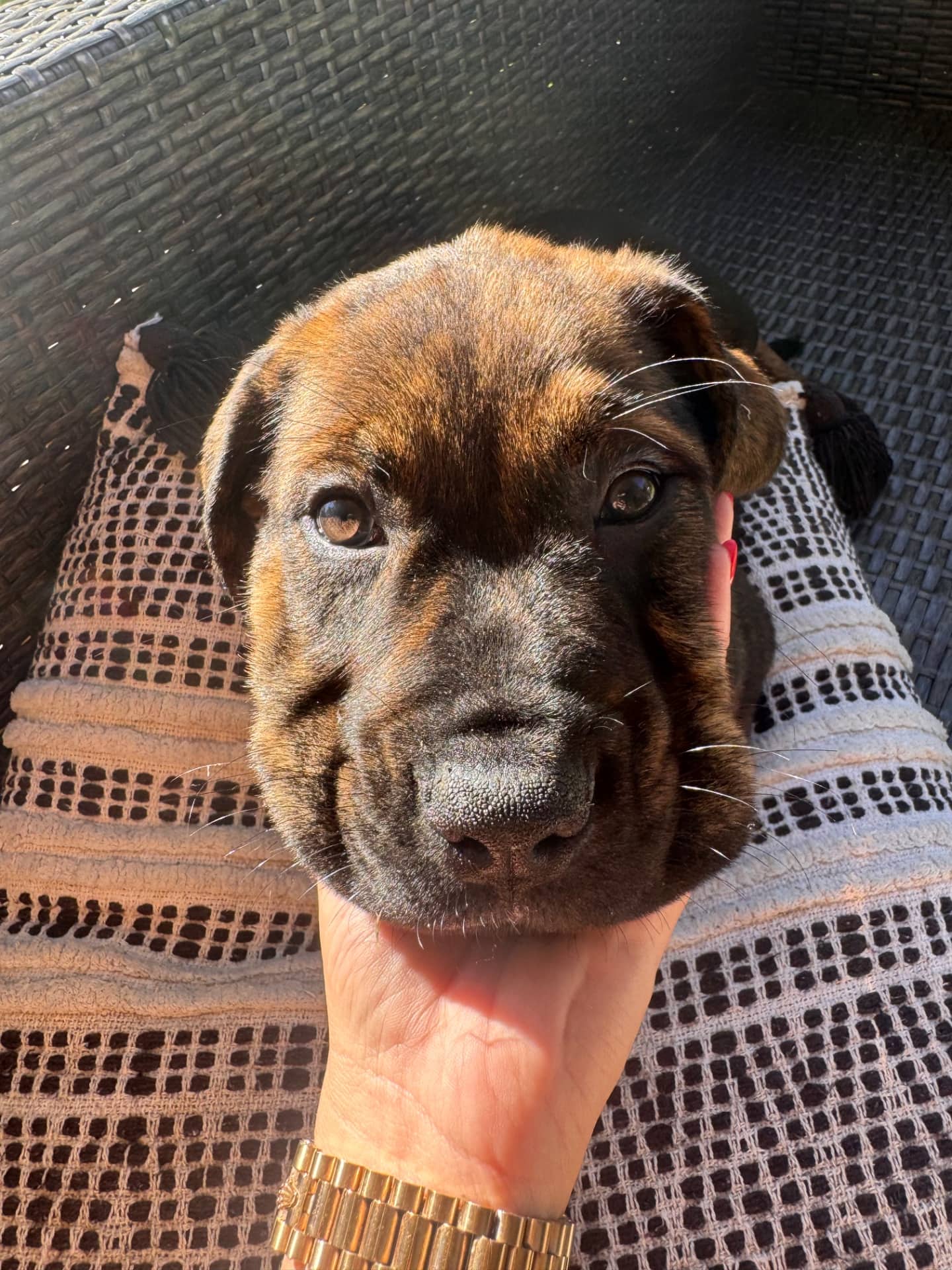
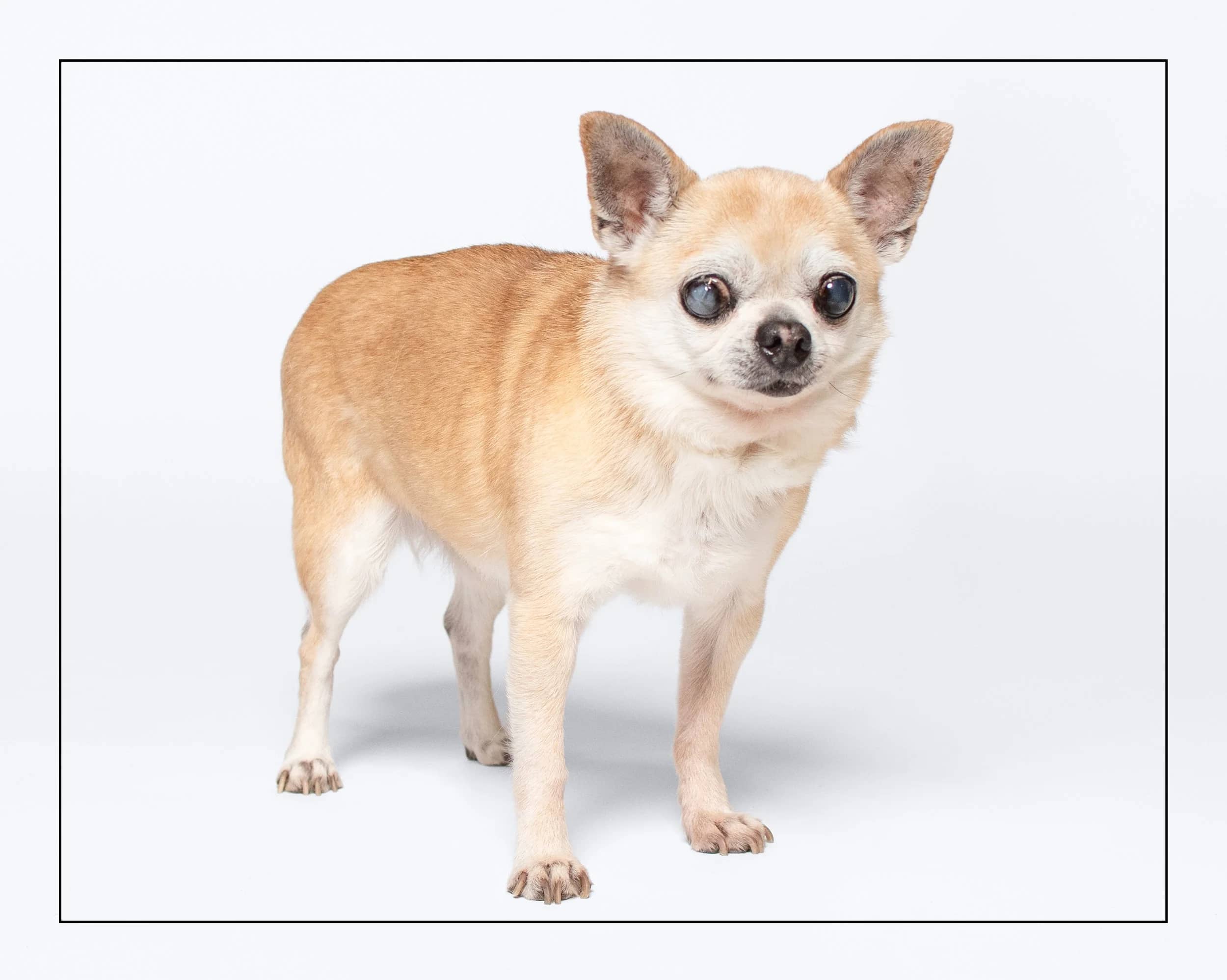
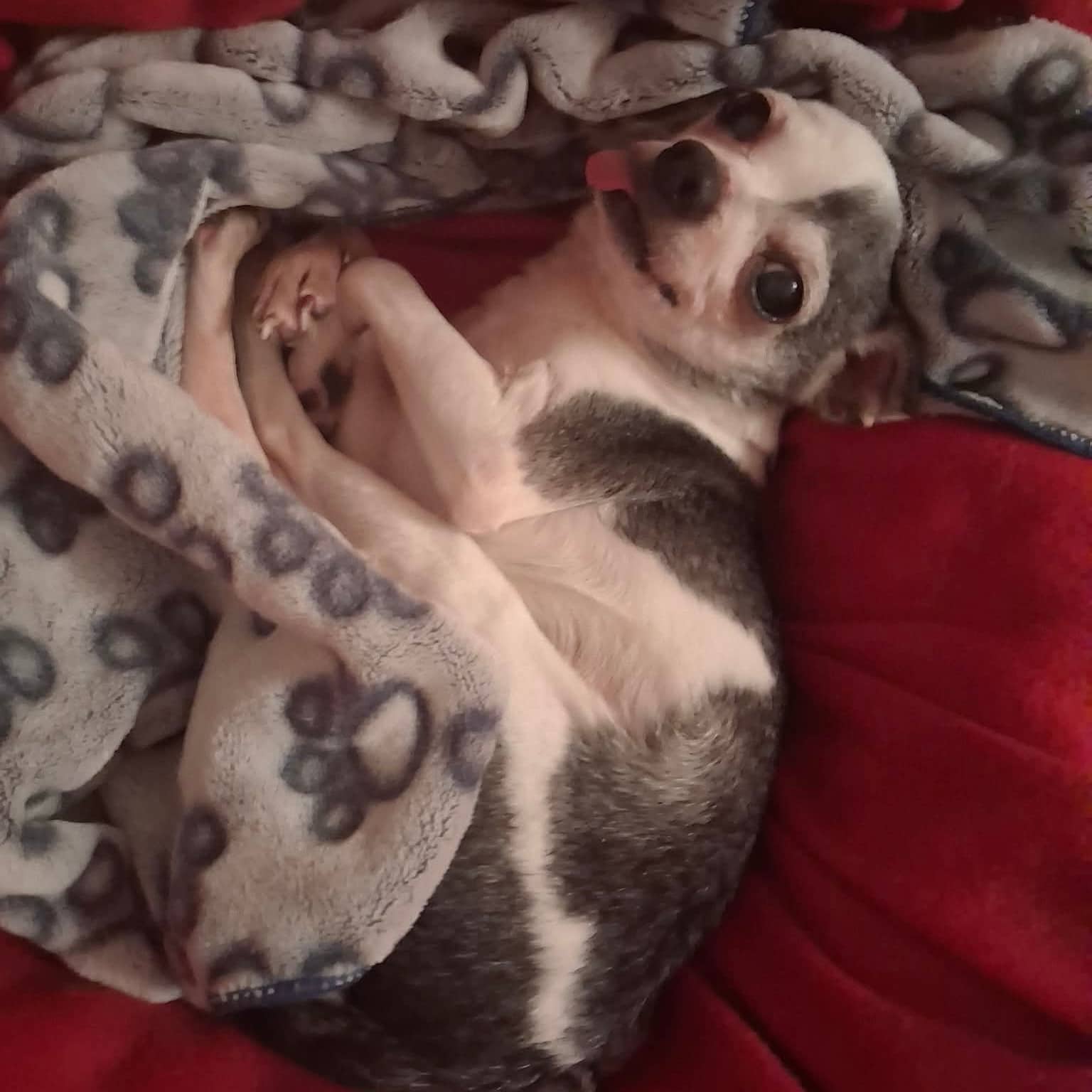
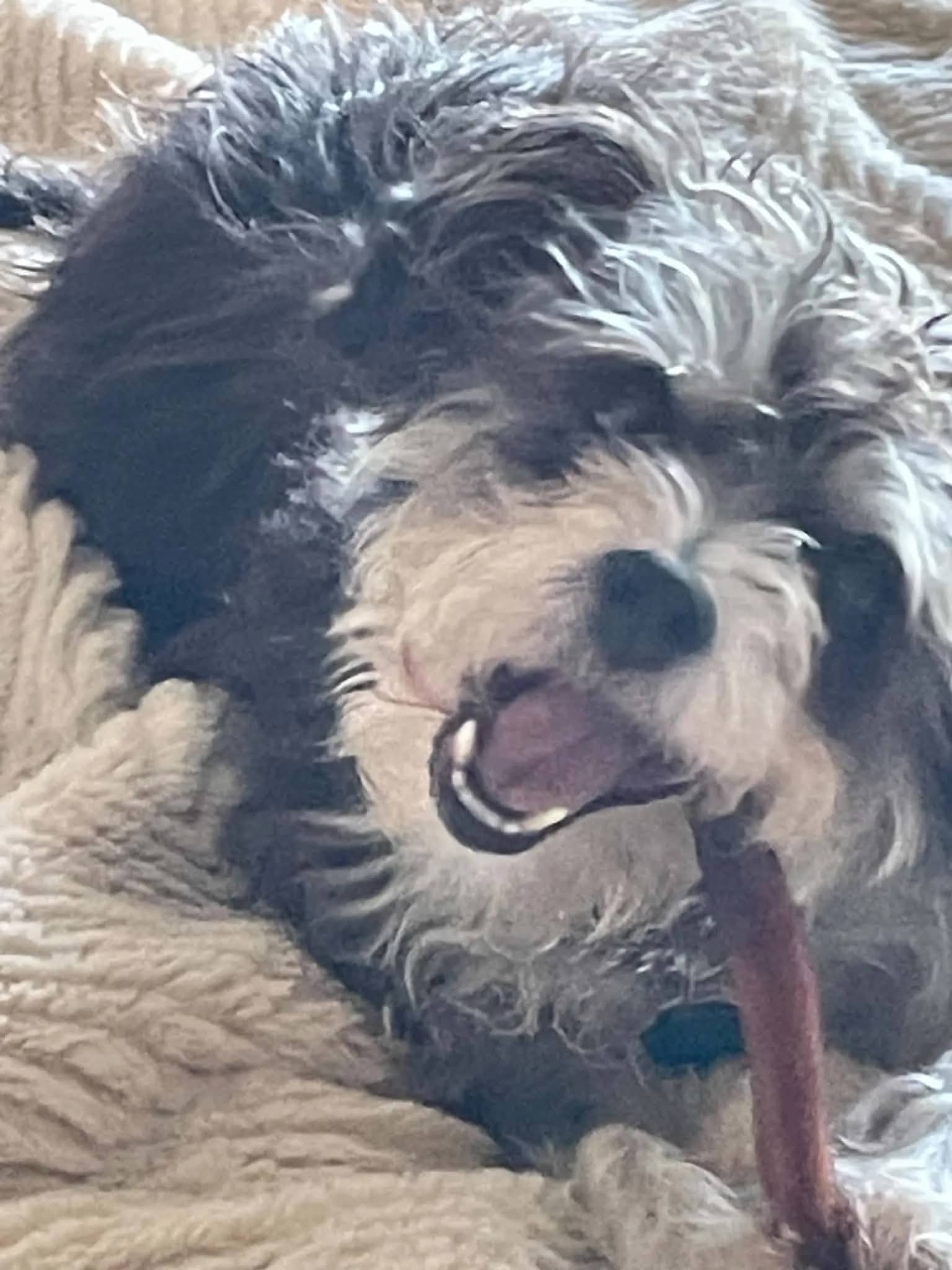
.JPG&w=3840&q=68)
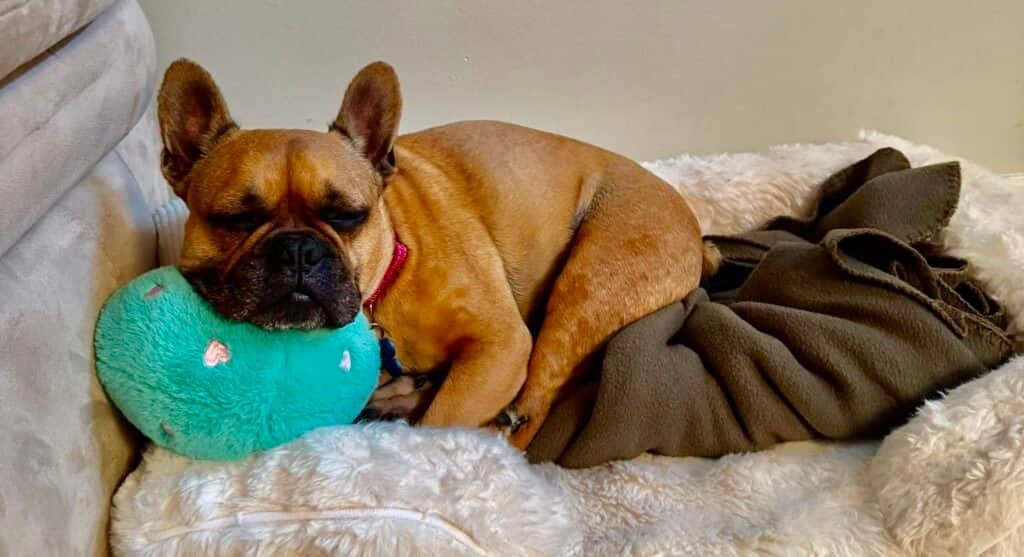
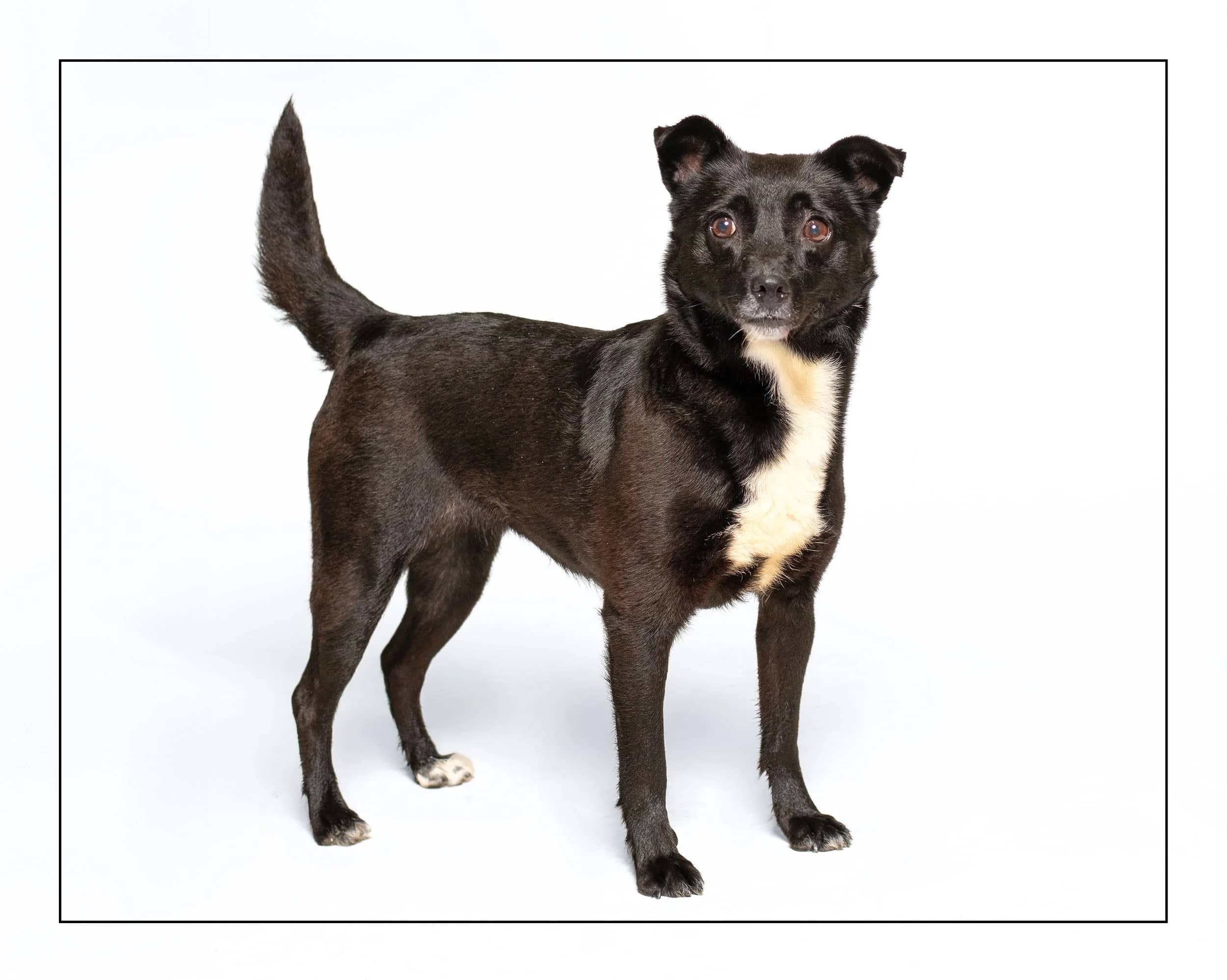
Where to find small dogs for adoption in Toronto? LocalPetFinder lists 22 small dogs currently available from the Toronto Humane Society on River Street and City of Toronto Animal Services (3 shelters: West, North, and East). Coverage spans all small breeds: Chihuahuas, Yorkies, Maltese, Shih Tzus, Pugs, Cavaliers, Boston Terriers, Dachshunds, and small mixes. Listings update regularly. Small dogs are the fastest-moving size in Toronto because they clear most condo weight caps, so apply through the rescue same-day when you find a match.
Small dogs are ideal for Toronto because they fit the city. Toronto is one of the densest condo and rental markets in Canada, and most buildings cap pet weight in the 25 to 30 pound range. A small dog clears that cap and opens up housing across the downtown core (King West, Liberty Village, CityPlace, St. Lawrence, Distillery District), the west end (Roncesvalles, Junction, Bloor West Village, Parkdale), the east end (Leslieville, Riverside, Beaches, Cabbagetown), and uptown along the Yonge subway corridor. Small breeds also handle the TTC well: dogs in a carrier travel any time, which makes vet visits and weekend trips simple even without a car.
Toronto has two main intake channels for small dogs. The Toronto Humane Society on River Street is one of the largest humane societies in Canada and takes in thousands of animals every year from across the GTA, with a steady mix of strays, surrenders, and transfers from overcrowded shelters across Southern Ontario. City of Toronto Animal Services runs 3 shelters (West, North, and East) handling strays and surrenders citywide. Small dogs from both sources are typically adopted within days of listing, so check back often and apply quickly.
Popular Small Breeds in Toronto Rescues
These small breeds and their mixes appear most often in Toronto-area rescue intake and suit apartment and condo life. Many wonderful small rescue dogs are mixes. Browse a breed page to see availability now.
Chihuahua →
The classic tiny companion. Big personality in a small body, needs warmth and gentle handling. Common in rescue.
Yorkshire Terrier →
4-7 lbs, low-shedding, and devoted. Feisty and vocal lap dogs, perfect for apartment living.
Shih Tzu →
Calm palace lap dogs and gentle indoor companions. Daily brushing keeps the long coat healthy.
Maltese →
5-7 lbs, gentle and low-shedding. Quiet companions ideal for small spaces and senior owners.
Dachshund →
Bold, curious, and comic. Watch the long back, which is prone to injury. A big dog in a small body.
Pomeranian →
Fluffy, alert, and confident. Needs grooming and dental care, and tends toward a loud watchdog bark.
Cavalier King Charles →
Sweet, adaptable, and gentle with kids. A top small-dog pick for families and apartments.
Boston Terrier →
Compact, friendly, and easygoing. Moderate energy, generally quiet, and great building neighbours.
Free Small Dogs Near Me in Toronto — What's Realistic
Searching for a free small dog near me in Toronto is understandable, but truly free small dogs are rare from reputable rescues, and for a good reason: the adoption fee covers $800 to $1,400 of medical work already done on the dog (spay or neuter, core vaccinations, microchip, deworming, and a vet workup). A “free” small dog from a Kijiji or Facebook ad usually has none of that, so you pay for it afterward, often more than the rescue fee, and sometimes you inherit an unscreened health or behaviour problem.
That said, several Toronto paths produce genuinely free or low-cost small dogs:
- Toronto Humane Society fee-waived events for long-stay and senior residents (watch their adoptions page for periodic promotions)
- City of Toronto Animal Services reduced-fee senior adoptions — older small dogs at a fraction of the standard fee
- Donor-sponsored long-stay small dogs whose fees a supporter has already covered
- Owner rehoming on the LocalPetFinder rehoming portal, where individual owners set their own (sometimes $0) rehoming fee
- Low-income and ODSP fee assistance offered case-by-case at several GTA rescues
Because GTA rescues are largely foster-based, “near me” really means anywhere a foster home is — downtown, Scarborough, Etobicoke, North York, or out into Mississauga, Vaughan, and Markham. Filter by what you actually need, not just the lowest fee.
Small Mix Breed Dogs for Adoption in Toronto
Most small dogs in Toronto rescues are small mixed breeds, not purebreds — Chihuahua mixes, terrier mixes, Yorkie mixes, small poodle and doodle mixes, and Shih Tzu crosses. That is good news for adopters: small mixes are typically healthier than purebreds (hybrid vigour, fewer breed-specific defects), often cost less to adopt, and the Toronto Humane Society behaviour-evaluates every dog, so the temperament notes on a mix are usually reliable.
Adopt for temperament and energy level, not breed label. A “Chihuahua-terrier mix” guess on a profile is just a guess; what matters is whether the foster reports the dog as calm or busy, quiet or vocal, good with kids or cats. If you want a specific look or coat, be patient, since small mixes turn over fast and the right one appears regularly. If you need a predictable adult size or a hypoallergenic coat, a small poodle mix or a purebred from the breed list below is the safer bet.
Toronto Condo Bylaws & Small Dogs
Toronto is a condo city. Most downtown and midtown buildings have pet rules written into the condo declaration, and the typical pattern is one dog under 25 to 30 pounds, sometimes with breed restrictions. Small dogs clear most of these caps comfortably, which is why they dominate Toronto's rescue adoption flow.
Ontario's Dog Owners' Liability Act restricts Pit Bull-type dogs at the provincial level, and individual condo boards can and do add their own breed restrictions on top. Most small breeds are clear of both layers, but before you adopt, do three things: ask the condo board or property manager for the current pet rules in writing, confirm the weight cap and any breed list, and check whether you need pre-approval for pet ownership. Rejection after committing to a dog is brutal, so do the paperwork first.
Top condo-friendly small breeds: Cavalier King Charles, French Bulldog, Shih Tzu, Boston Terrier, Maltese, mature Bichon Frise, mature Pug. These breeds adapt well to elevator buildings, weekly groomer visits, and a walking lifestyle around the neighbourhood. Watch out for: vocal small breeds (Yorkies, Chihuahuas, Pomeranians) need bark training in concrete towers with shared walls. Dachshunds need elevator access (no walk-up stairs; IVDD risk on long backs).
Rental buildings in Liberty Village, King West, CityPlace, Yorkville, and along the Yonge corridor often mirror condo rules. Mississauga, Vaughan, Markham, and Richmond Hill condo buildings tend to have similar weight caps. The Beaches, Leslieville, and East York have more pet-permissive low-rise rentals on average.
Small Dogs & the TTC
The TTC welcomes small dogs in closed pet carriers at any time, with no peak-hour restrictions. This is a real practical advantage of choosing a small dog in Toronto: most large dogs are restricted to off-peak hours (weekday before 6:30 AM, 10:00 AM to 3:30 PM, after 7:00 PM, and all-day weekends), but a small dog in a carrier travels any time. See the TTC pet policy for the full rules.
Practical implications: vet visits at any time of day, daycare drop-offs on the streetcar, and weekend trips to High Park, the Beaches, or Trinity Bellwoods are all doable on transit. Pick a carrier with a sturdy bottom (your dog will be jostled), good ventilation, and a top-load opening that makes the dog easier to put in. Most small dogs need a few short streetcar trips before they settle, so practice during quiet hours first.
Best Small Dog Breeds for Toronto Living
These small breeds appear most often in Toronto rescues and suit Toronto living particularly well.
- Cavalier King Charles Spaniel (13 to 18 lbs). The single best small breed for first-time owners and seniors. Calm, gentle, family-friendly, fine in condos. Watch for breed-typical heart issues; budget for cardiology checks.
- Shih Tzu (9 to 16 lbs). Calm, affectionate, easy to live with. Daily brushing required. Excellent condo dogs and good with respectful older children.
- French Bulldog (16 to 28 lbs). Low-energy, quiet for a small dog, made for condos. Heat-sensitive in Toronto summers; mind the pavement in July and August.
- Maltese (5 to 7 lbs). Hypoallergenic single coat. Gentle, devoted, ideal for seniors and quiet apartments. Daily grooming required.
- Boston Terrier (12 to 25 lbs). Easy-going, friendly with strangers, fits family households well. Same brachycephalic cautions as French Bulldogs.
- Bichon Frise (12 to 18 lbs). Hypoallergenic curly coat. Cheerful, good with kids 6+, low-shed (high-groom).
- Toy and Mini Poodle (4 to 15 lbs). Hypoallergenic, very intelligent, easy to train. The best small breed for households with serious allergies.
- Yorkshire Terrier (4 to 7 lbs). Hypoallergenic, spirited, vocal. Excellent in single-adult homes; not always great with toddlers.
Toronto rescue intake skews heavily to small mixes (Chihuahua-mix, terrier-mix, Yorkie-mix, small poodle-mix), so be open about breed and focus on temperament. The Toronto Humane Society does behaviour evaluations on every dog before listing, so the personality notes on each profile are usually reliable.
Toronto Winter Care for Small Dogs
Toronto winters are milder than the prairies but still real. January overnight lows sit in the minus-teens with occasional cold snaps down to minus-20 Celsius, and the city salts sidewalks heavily from December through March. Small dogs feel the cold faster than large dogs because their body mass is lower and the snow comes up to the chest. Practical winter care:
- Insulated winter coat (waterproof shell, fleece lining). Important from late November through February. Single-coated breeds (Chihuahua, Yorkie, Maltese, Italian Greyhound) need it most.
- Booties save paws from road salt burn. Downtown sidewalks are heavily salted and the salt cracks pads. Wash and dry paws after every walk if your dog refuses booties.
- Short walks below minus-15 Celsius. Most small dogs can manage 10 to 15 minutes; longer than that risks frostbite on ear tips and pads. Watch for lifted paws or shivering as the cue to go home.
- Lake Ontario moderates east-end weather slightly. The Beaches, Leslieville, and waterfront condo neighbourhoods feel a few degrees warmer than North York or Etobicoke on the coldest days.
- Summer caution for brachycephalic breeds. Toronto humidex can hit 35 Celsius in July and August, which is dangerous for Pugs, French Bulldogs, Boston Terriers, and Shih Tzus. Walk early morning or after 7 PM. Cherry Beach has shaded waterfront paths that stay cooler.
Small Dog Adoption Costs in Toronto
Toronto small dog adoption fees range $300 to $600 depending on the rescue, breed, and age. Senior small dogs typically have reduced fees ($150 to $300) and the Toronto Humane Society runs periodic fee-waived events for long-stay residents and seniors.
What the fee covers: spay or neuter, core vaccinations, microchip, deworming, basic parasite treatment, and a health check. Total retail value is typically $800 to $1,400 in Toronto, so the rescue fee is well below cost. City of Toronto Animal Services adoptions also include the first year of the Toronto dog licence (a $25 to $60 value depending on whether the dog is fixed). After adoption you'll need to renew the licence annually.
Annual ownership cost for a healthy small dog in Toronto: $1,600 to $2,500 (food, grooming, vet, supplies, pet insurance). Brachycephalic small breeds (Pug, French Bulldog, Boston Terrier, Shih Tzu) trend higher long-term due to chronic ear infections, skin allergies, and potential BOAS surgery costs ($3,500 to $6,000 at Toronto specialty clinics). Pet insurance for a small Toronto dog runs $40 to $90 a month depending on breed, age, and coverage level.
Small Dog Adoption FAQ (Toronto)
How many small dogs are available for adoption in Toronto?
As of October 2026, 22 small dogs are available for adoption in Toronto across 8 rescues on LocalPetFinder. Listings update regularly as pets are adopted and new ones arrive — browse them above and apply directly through the rescue.
Where can I find small dogs for adoption in Toronto?
LocalPetFinder lists small dogs currently available from Toronto rescues including the Toronto Humane Society on River Street and City of Toronto Animal Services (3 shelters: West, North, and East). Coverage spans all small breeds: Chihuahuas, Yorkies, Maltese, Shih Tzus, Pugs, Cavaliers, Boston Terriers, Dachshunds, and small mixes. Listings update regularly. Small dogs are the fastest-moving size in Toronto because they clear most condo weight caps, so apply through the rescue same-day when you find a match.
Do Toronto condo bylaws allow small dogs?
Most Toronto condo buildings allow small dogs under 25 or 30 pounds, though every building writes its own pet rules into the condo declaration. Pull the declaration before you apply to adopt: weight caps, breed restrictions, and pet count limits are common. Small breeds (Chihuahua, Yorkie, Maltese, Shih Tzu, Cavalier, French Bulldog, Boston Terrier) clear most caps comfortably. Rental buildings in Liberty Village, King West, CityPlace, Yorkville, and the Yonge corridor often have similar size caps, so ask the landlord and pull the lease pet clause before you commit.
What are the best small dog breeds for Toronto condos?
The best condo-friendly small breeds for Toronto are Cavalier King Charles Spaniels, French Bulldogs, Shih Tzus, Pugs, Maltese, Bichon Frise, and Boston Terriers. All are calm, low to moderate energy, and quiet enough for shared walls in concrete towers. Chihuahuas and Yorkies clear the weight cap but tend to be vocal, so bark training matters in downtown buildings. Avoid working-line small breeds (Jack Russell Terriers, Min Pins) for condo living unless you can commit to 60+ minutes of daily exercise at High Park or Trinity Bellwoods.
Are small dogs allowed on the TTC?
Yes, with rules. Small dogs in a closed pet carrier are allowed on the TTC at any time. Large dogs are restricted to off-peak hours, but small dogs in a carrier face no time limits. The carrier must be fully enclosed and the dog must stay in it. This makes a small dog very practical for a Toronto household without a car: vet visits, daycare drop-offs, and weekend trips to High Park or the Beaches are all doable on the streetcar or subway.
Are small dogs good for first-time owners in Toronto?
Yes. Most small breeds suit first-time Toronto owners well because they are easier to manage physically, fit more condo and rental situations, and have lower food and grooming costs than large breeds. Top first-time picks: Cavalier King Charles, Shih Tzu, Maltese, mature Yorkshire Terrier, mature French Bulldog. Avoid stubborn small breeds (Chihuahuas, Dachshunds) as a first dog if you have not lived with strong-willed pets before.
How much does it cost to adopt a small dog in Toronto?
Toronto small dog adoption fees typically run $300 to $600 from local rescues, including spay or neuter, vaccinations, microchip, and basic vet workup. Senior small dogs often have reduced fees ($150 to $300). City of Toronto Animal Services adoptions also include the first year of the Toronto dog licence. Annual ownership costs run $1,600 to $2,500 for a healthy small dog in Toronto (food, vet, grooming, pet insurance). Brachycephalic small breeds (Pugs, French Bulldogs, Boston Terriers, Shih Tzus) cost more long-term due to higher vet bills.
How do small dogs handle Toronto winters?
Toronto winters are milder than the prairies but still real. January overnight lows sit in the minus-teens with occasional cold snaps down to minus-20 Celsius, and salt-heavy sidewalks downtown are hard on small-dog paws. Most small breeds need a fleece or insulated coat from December through February, and booties save the paws from salt burn. Brachycephalic small breeds (Pug, French Bulldog, Boston Terrier, Shih Tzu) also need short walks in summer humidity. Toronto humidex can push 35 Celsius in July and August, which is dangerous for flat-faced breeds.
Are small dogs good with kids?
It depends on the breed and the kids. Cavalier King Charles, Bichon Frise, mature Shih Tzu, and mature Boston Terrier are typically excellent with respectful school-age children. Chihuahuas and Yorkies can be too fragile and protective for households with toddlers and may snap if handled roughly. The general rule: pick small dogs from foster-evaluated homes where the foster has confirmed kid compatibility, and avoid placing breakable small breeds in homes with children under 6.
Are there small dogs for adoption in Toronto free or near me?
Truly free small dogs are rare from Toronto rescues because the adoption fee covers $800 to $1,400 of medical work (spay or neuter, vaccinations, microchip, vet workup). But several Toronto paths produce free or near-free small dogs near you: Toronto Humane Society fee-waived events for long-stay and senior dogs, City of Toronto Animal Services reduced-fee senior adoptions, donor-sponsored long-stay dogs, owner rehoming on the LocalPetFinder portal, and low-income or ODSP fee assistance at some rescues. Because GTA rescues are largely foster-based, the dog could be living anywhere from downtown to Scarborough, Etobicoke, North York, Mississauga, or Markham, so "near me" really means anywhere a foster home is.
What is the difference between toy and small dog breeds?
Toy breeds are a sub-category of small dogs, typically under 12 pounds: Chihuahua, Yorkshire Terrier, Maltese, Toy Poodle, Pomeranian, Pug. Small breeds is the broader category covering 12 to 25 pound dogs like the Boston Terrier, Cavalier King Charles, French Bulldog, Shih Tzu, and Bichon Frise. This page includes both, since both clear most Toronto condo weight caps. For very small dogs specifically, filter by breed (Chihuahua, Yorkie, Maltese, Pomeranian, Toy Poodle).
Are these small dogs for sale in Toronto?
Not for sale, for adoption, and for most people that is the better deal. Every dog listed here comes from a Toronto-area rescue or shelter rather than a breeder, pet store or classified seller. The adoption fee is typically a few hundred dollars and already covers spay or neuter, vaccinations, deworming and a microchip, which on their own would usually cost more than the fee. If you searched "small dogs for sale toronto", this is the same search done a cheaper way, with a dog someone has already examined and can tell you about.
Where can I buy a small dog in Toronto, and should I?
You can buy from a registered breeder, and it is worth pricing against adoption before you do. A breeder puppy generally runs well into four figures and often comes with a waitlist, while a rescue dog costs a few hundred dollars fully vetted and may be available this week. The listings to be careful with are the cheap ones on classified sites and marketplaces, which are frequently backyard breeders or puppy-mill resellers moving unvetted animals with no health guarantee. If you do buy, insist on seeing where the litter was raised and getting vet records.
Are there free small dogs in Toronto, or small dogs under $500?
Adoption is the closest honest answer and it is not free. A rescue dog in Toronto usually costs a few hundred dollars. The fee already covers medical work worth considerably more. Genuinely free listings deserve suspicion: a dog advertised free to a good home has usually not been vetted, and free rehoming ads are the route flippers and unregistered breeders use to move animals with no recourse for the buyer. Reduced-fee events, sponsored long-stay dogs and senior discounts are the legitimate ways the price comes down.
Are there small breed puppies in Toronto, or mostly adults?
Both, but adults outnumber puppies and it is worth knowing that before you start. Most dogs arriving in Toronto rescue are adolescents and adults, because that is the stage at which first homes tend to give up. Puppies do come through, usually as accidental litters or with a surrendered mother, and they are typically spoken for quickly, so an alert beats refreshing the page. It is also worth asking whether you want one: an adult arrives with a temperament a foster has already lived with and can describe, where a puppy is a prediction.
Where can I find small dogs near me in Toronto?
Start with the listings on this page, which pull from Toronto rescues and shelters and refresh regularly, so what you see is genuinely available rather than a directory that went stale months ago. If nothing suits today, check back or set an alert, because small dogs in particular move fast and the list turns over. It is also worth widening slightly beyond the city, since most rescues serving Toronto will adopt across a reasonable driving distance rather than only within municipal limits.