Showing 49 dogs
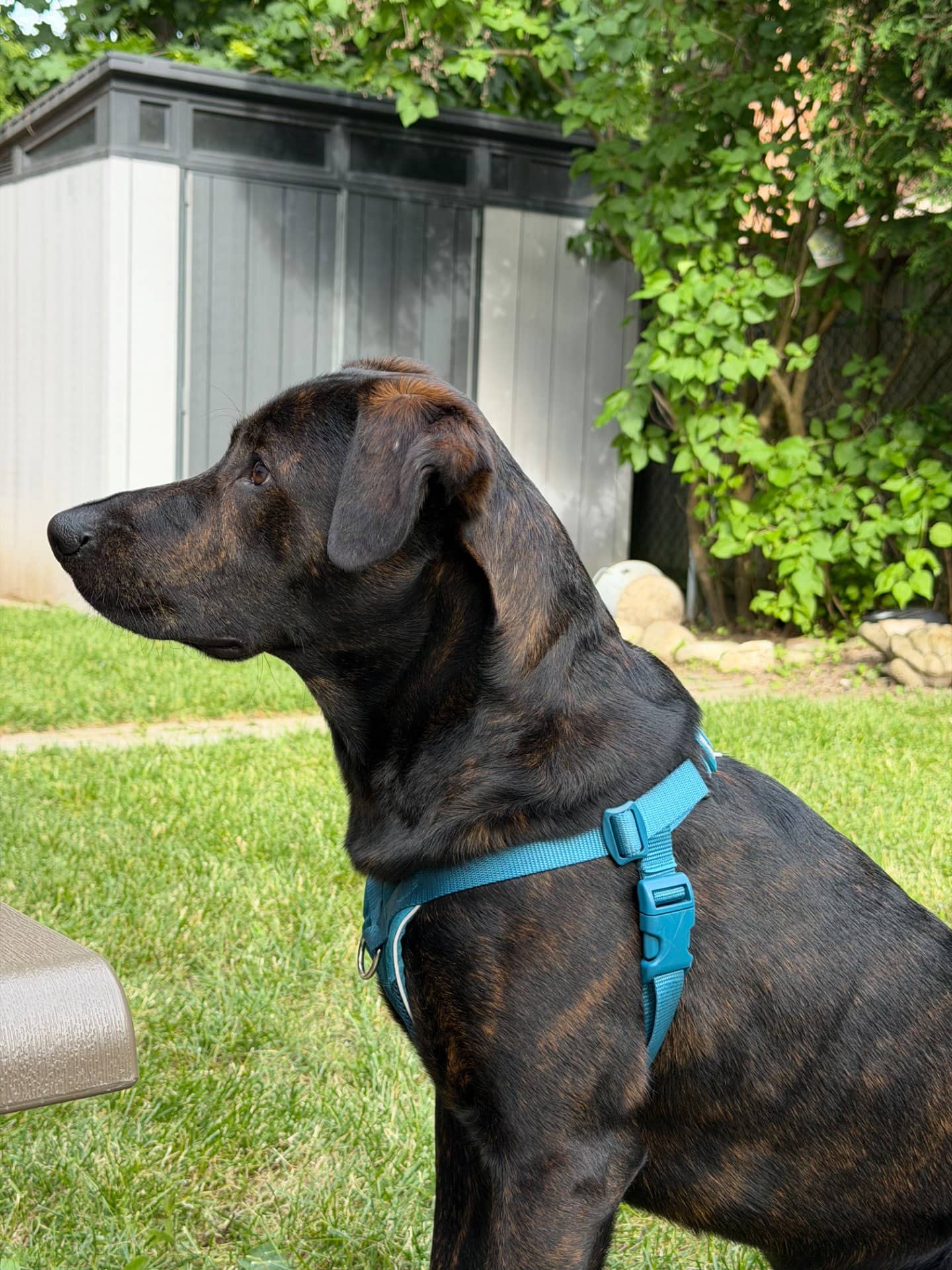
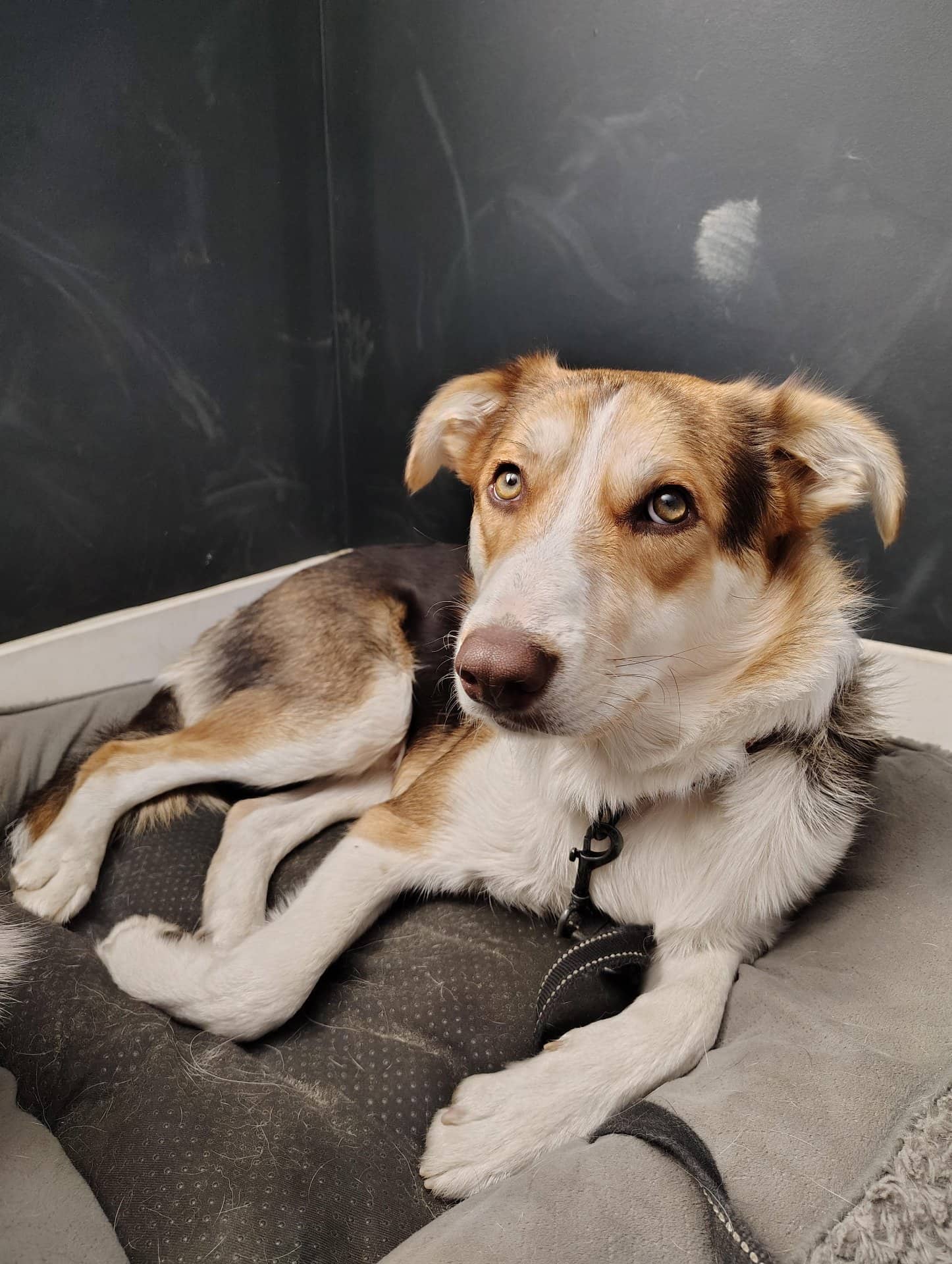
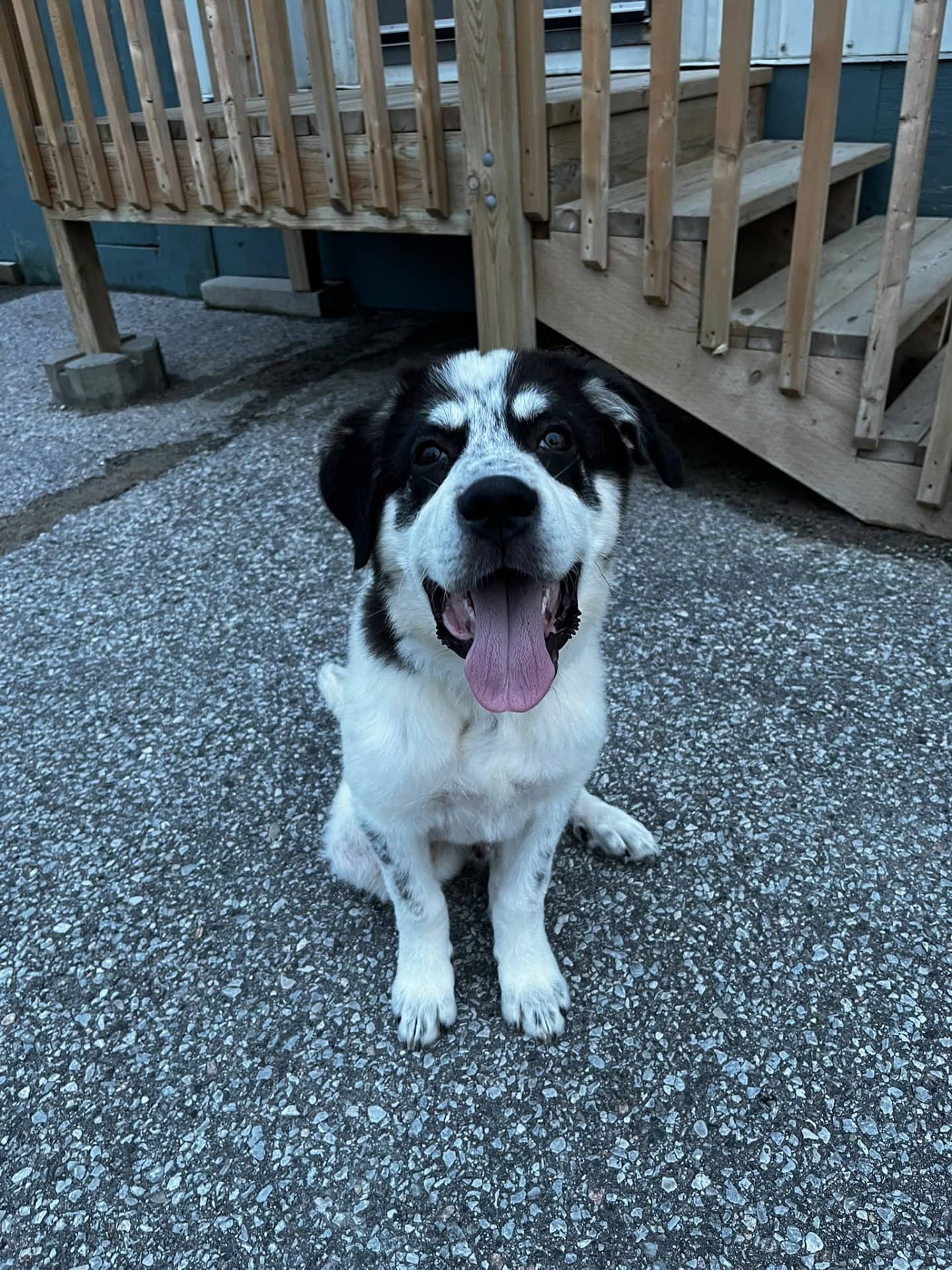
Gup
5 months • Mixed Breed
Owner Rehoming
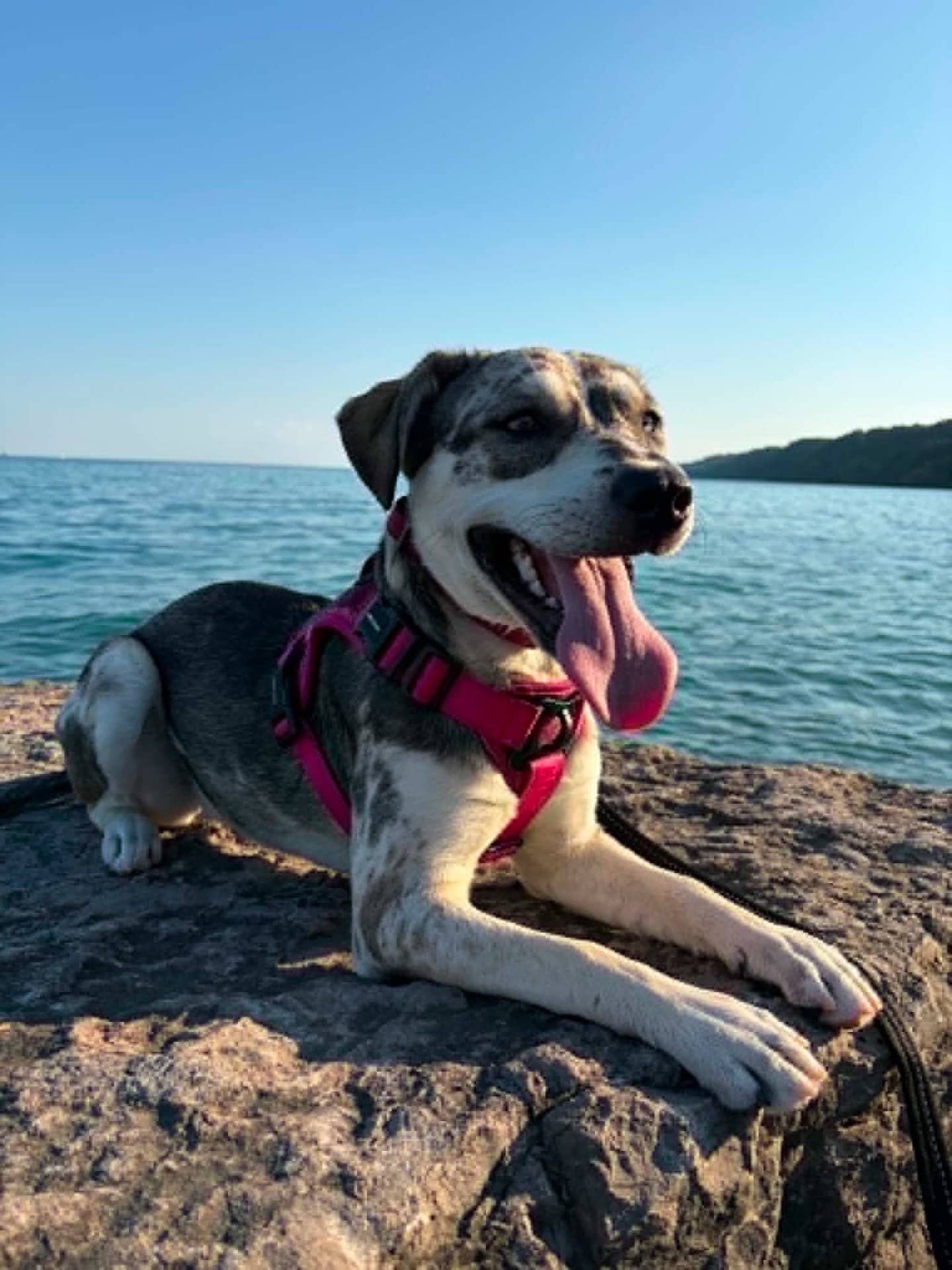
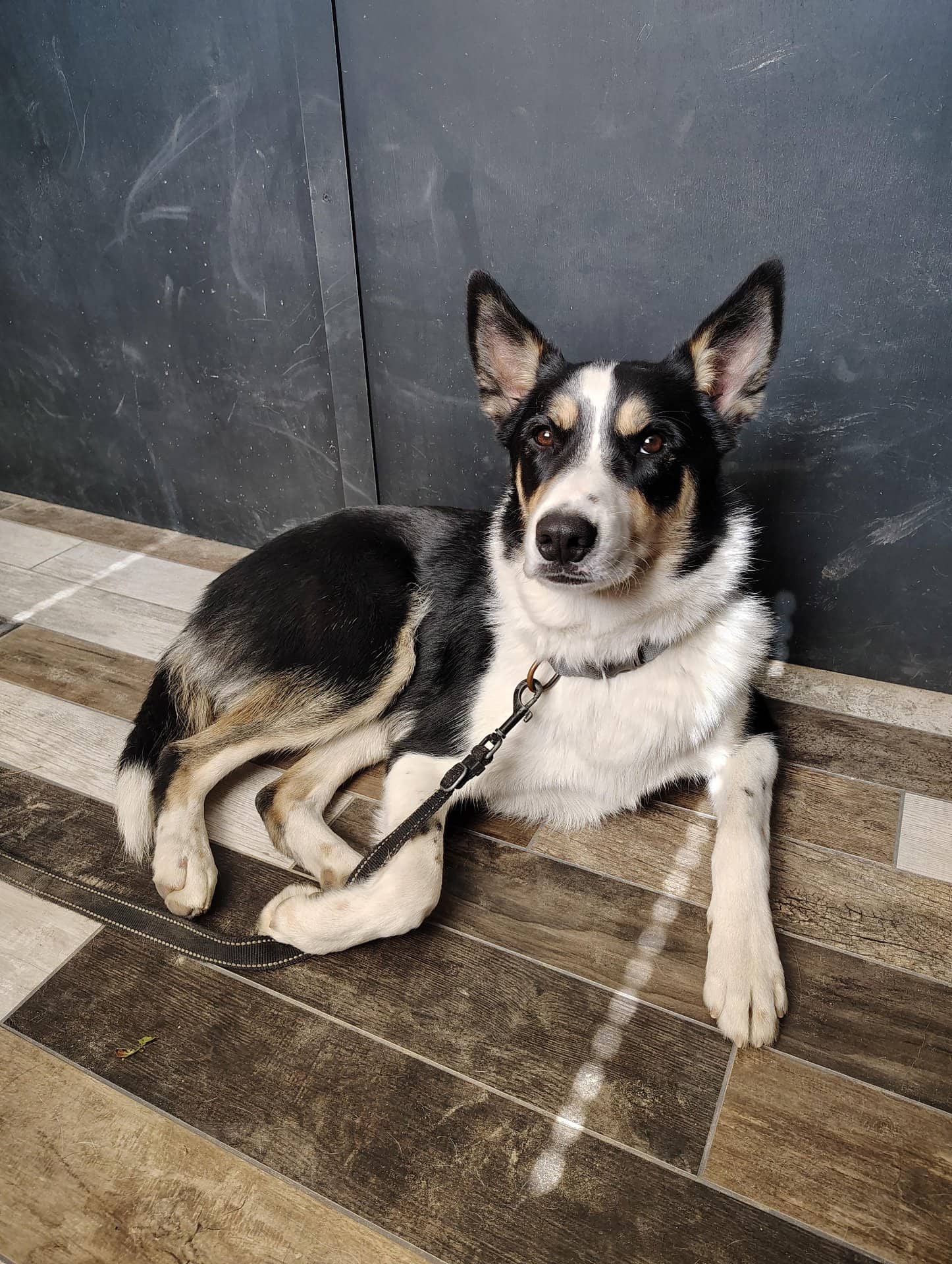
Stormy
7 months • Husky/Pocket Bully
Owner Rehoming
Popular Puppy Breeds & Types in Toronto Rescues
Most rescue puppies in Toronto are mixed breeds, and mixes often make the healthiest, most adaptable family dogs. Certain breed types still show up again and again in rescue intake, especially herding and working crosses. Browse the breed pages below to see which types are available now.
Labrador Retriever Puppies →
The classic family puppy. Friendly, trainable, great with kids, and forgiving of first-time owners.
German Shepherd Puppies →
Smart and loyal, but high-drive. Shepherd puppies need early socialization and daily mental work.
Husky Puppies →
Common in rescue and beautiful, but escape artists with big exercise needs. Read the breed page first.
Border Collie Puppies →
The most intelligent breed, and the most demanding. Border Collie puppies need a job to stay balanced.
Blue Heeler Puppies →
Cattle-dog crosses are common in rescue. Tough, whip-smart, and nippy as pups. Best for active owners.
Great Pyrenees Puppies →
Livestock-guardian crosses from rural intake. Gentle giants that grow large and need space to settle.
Golden Retriever Puppies →
Gentle, family-oriented, and eager to please. Rare in rescue and quick to go, so set up alerts.
Pit Bull & Bully Puppies →
Common in rescue, often the most affectionate dogs on the floor. Check local housing and insurance rules.
Toronto rescue puppies come from two primary channels: the Toronto Humane Society on River Street and City of Toronto Animal Services (3 shelters: West, North, and East). Together these two organisations take in thousands of animals every year, with a steady mix of strays, owner surrenders, and transfers from overcrowded shelters across Southern Ontario. Adopting a rescue puppy gives a young dog a second chance and costs a fraction of buying from a breeder. Rescue fees of $600 to $700 include vaccinations, deworming, microchip, and spay or neuter when age-appropriate. That vet work is already bundled into the fee.
Pure puppies under 6 months are scarce in Toronto rescue. Demand far exceeds supply, and listed puppies often receive applications within hours. Most “puppies” you will see in Toronto rescues are 6 to 12 month junior dogs. They still have plenty of puppy energy but are past the worst of the chewing and house-training grind. Set up email alerts so you see new listings the day they go up, and keep your application materials ready (vet reference, condo board pet approval letter if you live in a condo, fenced-yard photos if applicable).
Puppies are a serious time commitment. Consistent house training, socialization during the critical first 16 weeks, and daily obedience work are what turn a rescue pup into a well-adjusted adult dog. Expect to invest several hours a day in the first few weeks. If you are new to puppy training, start a routine before bringing the puppy home and book a positive-reinforcement puppy class so you can enrol in the first month.
Listings listed here update regularly direct from rescue websites. Toronto rescue puppies move fast. If you see a match, apply through the rescue's website within 24 hours.
Where to find puppies in Toronto
Toronto Humane Society (River Street) is one of the largest Toronto shelters. They typically assess dogs before listing, and applications close fast. City of Toronto Animal Services operates 3 shelters (West, North, and East) covering the city. Their posted dog adoption fees are $185 (male) / $215 (female). Both organisations post puppies to their own websites and to LocalPetFinder; check both channels. Adopters from across the GTA (Mississauga, Brampton, Markham, Vaughan, Oakville) often drive in to pick up a Toronto rescue puppy.
Breed types in Toronto rescues
Most Toronto rescue puppies are mixed breeds. Pit-type, Shepherd, Lab, Retriever, terrier, and small designer mixes are the most common, reflecting GTA owner surrender patterns and Southern Ontario transfer intake. Pure-breed puppies do appear (Yorkies, small Poodle mixes, the occasional purebred surrender) but they go fastest. If you are open to a mixed breed, your wait is shorter and your dog's genetic diversity tends to mean fewer breed-specific health problems down the road. Toronto Humane Society is usually honest about likely adult size and energy in the listing, so read the profile carefully.
Raising a puppy in a Toronto condo
Toronto winters are colder than the coast but milder than the prairies. House-training a puppy from December through February means freezing trips outside, salt-heavy sidewalks, and a soaked puppy more often than you would like. Plan for a balcony potty pad, a sheltered ground-level corner outside your building, or a covered front entrance. Check your condo declaration before applying: most Toronto buildings allow one or two dogs but many cap weight at 25 to 30 pounds and some require board approval for any new pet. Have a written letter from your condo board or landlord ready when you apply. Stairwells and the building hallway replace long park outings until your puppy is fully vaccinated. Once cleared by your vet, High Park, Trinity Bellwoods, Sherwood Park, and Cherry Beach are excellent socialization spots.
Puppy-Proofing a Toronto Condo
Most Toronto puppy adopters live in a condo or apartment, so puppy-proofing looks a little different than in a house. The risk hotspots:
- The balcony. High-rise balcony falls are real. Block the railing gap with mesh, never leave the puppy unsupervised, and store toxic plants (lilies, sago palm) inside.
- Electrical cords. Tower condos have lots of them. Run cord protectors or bitter-apple spray on chewable lengths.
- The elevator. Most rescue puppies have never seen one. Practise short rides during quiet hours; pair with treats so the puppy does not panic when neighbours get on.
- The hallway. Long, echoey, full of strange smells. Use it for short on-leash desensitization walks until the puppy is reliable.
- The garbage chute room. Drag-by-the-leash temptation. Practise walking past the chute door without pulling.
A small ex-pen or playpen in the main living area gives the puppy a safe contained space when you cannot supervise. Crate training is still worth it for sleeping and short alone-time, even in a small condo.
Puppy Training in Toronto
The critical socialization window for a puppy closes around 16 weeks. The work you do in the first month of adoption shapes the dog for life, so book a positive-reinforcement puppy class before you bring the puppy home. Toronto has a strong network of force-free trainers offering in-person group classes (typically $200 to $400 for a 6-week course) and private in-home consults ($120 to $200 per session). Look for trainers who use food rewards, marker training, and operant conditioning, and who explicitly avoid prong collars, e-collars, and dominance-based methods. The Canadian Kennel Club Puppy STAR programme is one structured curriculum some trainers follow.
Group classes are valuable not just for the training but for the controlled socialization with other puppies. After the second set of puppy shots (around 12 to 14 weeks) your puppy is usually cleared for class enrolment. Ask your vet before booking.
First-Year Costs for a Toronto Rescue Puppy
The adoption fee is the cheapest part of year one. Realistic first-year budget for a Toronto rescue puppy:
- Adoption fee: $600 to $700 (vaccinations, microchip, deworming, spay or neuter, basic vet workup).
- Puppy class: $200 to $400 for a 6-week force-free group class.
- Starter gear: $200 to $400 (crate, ex-pen, leash, harness, bed, bowls, basic toys).
- Food: $400 to $900 depending on size and brand.
- Routine vet: $400 to $800 for any follow-up shots, deworming, and the first annual wellness check.
- Toronto dog licence: $25 (fixed) to $60 (intact) annually. City of Toronto Animal Services adoptions include the first year.
- Pet insurance (optional but recommended): $40 to $90/month for accident-and-illness coverage.
- Emergency vet buffer: $1,000 to $2,500 stashed for surprises (parvo, blockages, broken bones).
Total realistic year-one cost: $2,500 to $4,500. The breeder alternative (several thousand dollars just for the puppy, before any of the above) usually lands higher.
Toronto Rescue Puppy Adoption FAQ
Where can I find puppies for adoption near me in Toronto?
LocalPetFinder lists rescue puppies from Toronto shelters covering the downtown core, west end, east end, North York, Scarborough, and Etobicoke. The two primary intake channels are the Toronto Humane Society on River Street and City of Toronto Animal Services (3 shelters: West, North, and East). GTA adopters from Mississauga, Brampton, Markham, Vaughan, and Richmond Hill also pull from the same Toronto rescues. Listings refresh regularly. Puppies receive applications within hours, so apply directly through the rescue immediately when you see a match.
Are there puppy rescues near Toronto?
Yes. The Toronto Humane Society and City of Toronto Animal Services are the two main Toronto-based intakes for rescue puppies. Both take in puppies from owner surrenders, stray-mom litters, and transfers from overcrowded shelters across Southern Ontario. Some Toronto adopters also work with smaller rescue groups across the GTA. Most rescues post their available puppies to their own websites and to LocalPetFinder.
Are these all Ontario rescue puppies?
Yes. Every puppy listed comes from a Toronto-area rescue or shelter, not a breeder, pet store, or Kijiji listing. Adoption fees range $600 to $700 and include vaccinations, microchip, deworming, and spay or neuter when age-appropriate.
What age are rescue puppies typically available?
Most rescue puppies are between 8 weeks and 12 months old. Rescues wait until puppies are at least 8 weeks before making them available because early socialization with littermates matters for development. Some puppies arrive in foster care even younger and are listed once they reach the appropriate age. Toronto Humane Society typically assesses dogs before listing, so the personality notes are usually reliable.
How do I house-train a puppy through Toronto winter?
Toronto winters are real. January overnight lows sit in the minus-teens and salt-heavy sidewalks downtown can burn puppy paws. Plan for short, frequent outings (every 1 to 2 hours for an 8-week-old) and reward outdoor success heavily. Use booties or a paw balm if your puppy reacts to salt. A small balcony potty pad helps in the worst weeks for condo households. Puppies house-train faster on a consistent routine even when the weather is miserable, so stick to the schedule.
Can I raise a puppy in a Toronto condo or apartment?
Yes, but check your condo declaration or lease first. Most Toronto buildings allow one or two dogs but many cap weight at 25 to 30 pounds and some require board approval for any new pet. Have a signed letter from your condo board or landlord ready when you apply to the rescue. Apartment puppies need 3 to 5 short outings a day (frequent potty plus exercise) and mental stimulation indoors via puzzle toys and short training sessions. Stairwells in your building are useful for energy burn-off on rainy or freezing days.
How much training does a rescue puppy need?
Puppies need daily training. Short, positive sessions work best (5 to 10 minutes, several times a day). Focus on house training, basic cues (sit, stay, come), and socialization with other dogs and people. Toronto has many force-free puppy classes offered by trainers across the GTA; most rescues recommend enrolling in one within the first month of adoption. The critical socialization window closes around 16 weeks, so do not wait.
How much does it cost to adopt a puppy in Toronto?
Rescue puppy adoption fees in Toronto run $600 to $700. The fee includes vaccinations, microchip, deworming, and spay or neuter when age-appropriate, so that vet work is already bundled into the price. A breeder puppy usually costs several thousand dollars. Annual ownership costs for a young dog run $1,800 to $3,000 in the first year (food, training class, supplies, vet, pet insurance).
Are these puppies for sale in Toronto?
Not for sale, for adoption, which is usually the better deal. Every puppy here comes from a Toronto-area rescue or shelter, not a breeder, pet store, or Kijiji seller. The adoption fee of $600 to $700 already covers vet work you would otherwise pay for yourself: first vaccinations, deworming, microchip, and spay or neuter when age-appropriate. Buying a puppy from a Toronto breeder typically costs several thousand dollars before any of that vet work is done. If you searched "puppies for sale Toronto," adopting gets you a healthy, vetted puppy for a fraction of the price.
Where can I buy a puppy in Toronto, and should I?
You can buy from a registered breeder, but it is worth weighing against adoption first. A reputable Toronto breeder usually charges several thousand dollars and often has a months-long waitlist, while a rescue puppy costs $600 to $700 fully vetted and is available now. Be cautious of cheap puppies-for-sale ads on Kijiji or Facebook Marketplace and from roadside sellers, which are frequently backyard breeders or puppy-mill resellers with unvetted, sometimes sick puppies and no health guarantee. If you do buy, insist on meeting the mother, seeing where the puppy was raised, and getting vet records. For most Toronto families, adopting a rescue puppy is cheaper, faster, and gives a puppy in need a home.