Showing 3 dogs
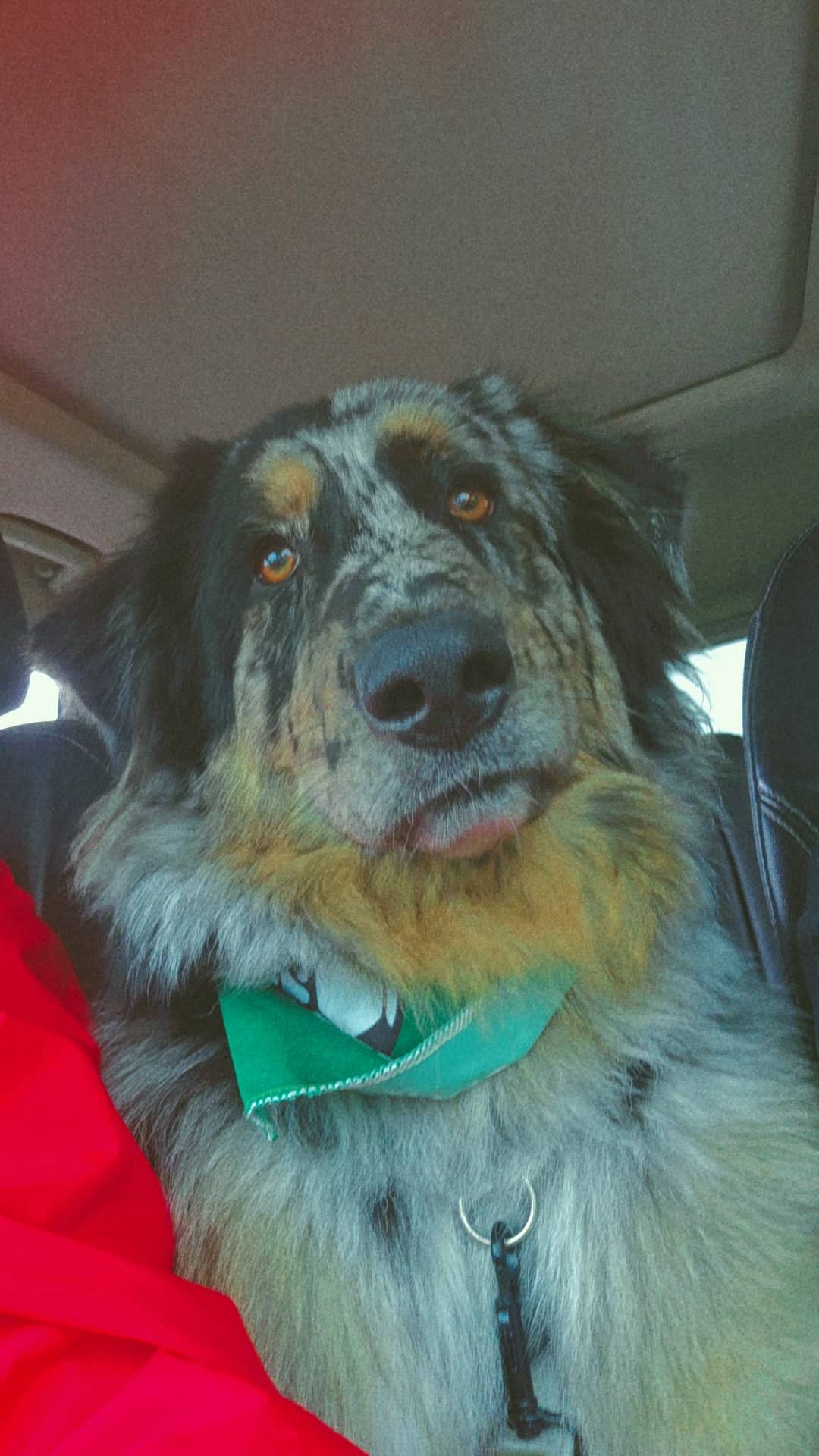
Arya
7 months • German Shepherd
Owner Rehoming
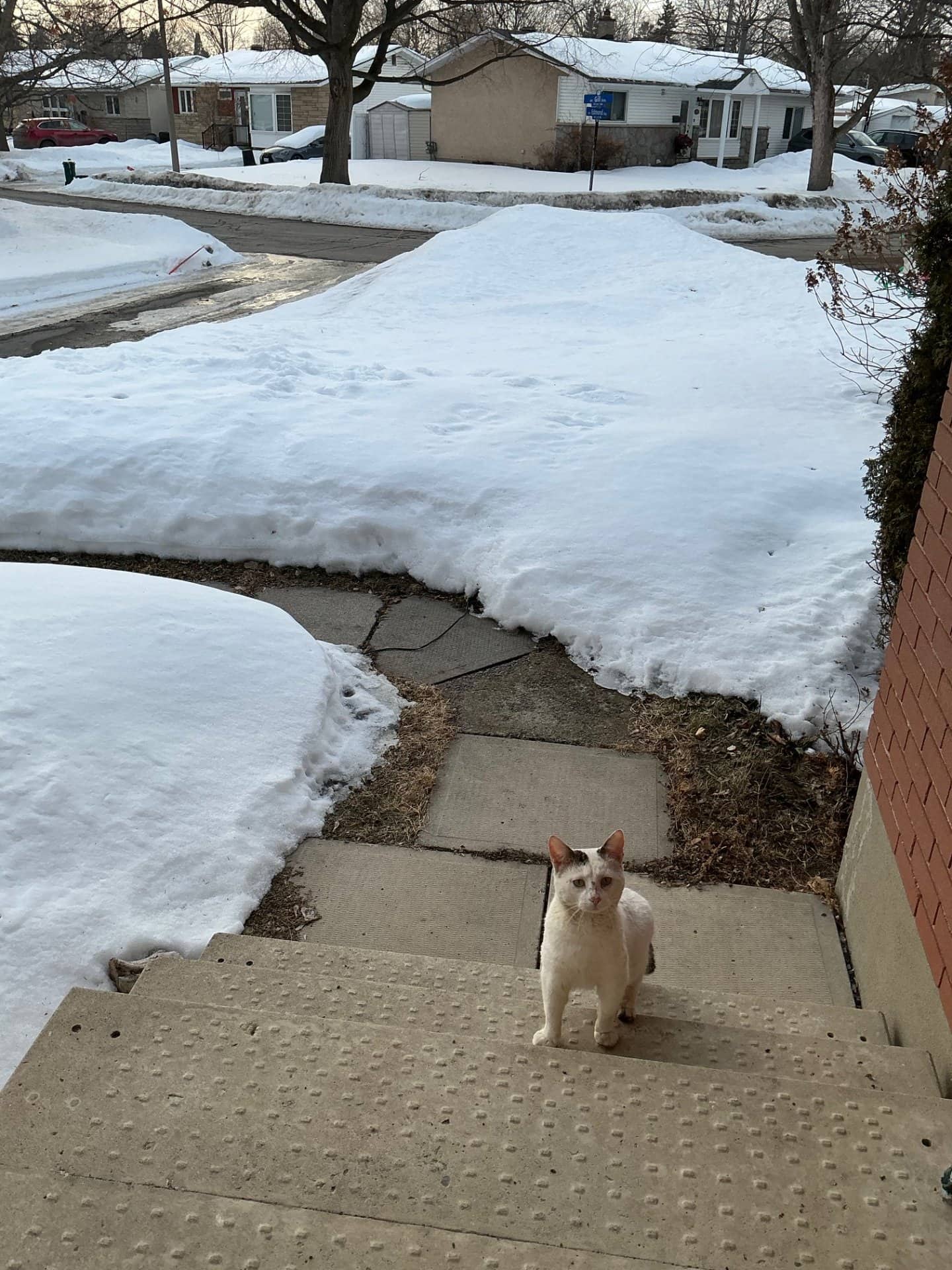
Gus
3 years • Mixed Breed
Owner Rehoming

Lucy
7 years • Cavapoo
Owner Rehoming
Where to find apartment-friendly dogs in Ottawa? The dogs listed here are small to medium, low-to-moderate energy, and tolerant of elevator buildings, hallway noise, and balcony living. Sourced from the Ottawa Humane Society and smaller foster-based rescues across the region. Most Ottawa condos cap pet weight at 25 to 30 pounds, so pull your building's pet rules before applying.
Ottawa is increasingly built around condos and apartments. Centretown, the ByWard Market, Sandy Hill, the Glebe, and Westboro are dense rental and condo neighbourhoods where building pet rules are the gating factor for which dog you can adopt. The good news: most Ottawa rescues have a steady pipeline of small-to-medium calm dogs that thrive in apartment living, and the wait for one is rarely long. National Capital Region adopters from Gatineau also commonly cross the Ottawa River for OHS adoptions.
Apartment-friendly is more about temperament than size. A calm 40-lb mature Labrador is a better condo dog than a wired 15-lb Jack Russell Terrier. The factors that matter most: low-to-moderate energy, tolerance for elevator noise and shared hallways, comfort being alone during a federal-government work day, and a quiet baseline (no constant alert-barking at every footstep). The Ottawa Humane Society on West Hunt Club Road and other local rescues note these traits on listings, so read each profile carefully.
Reading the Pet Rules Before You Apply
Ottawa pet rules vary by building. The standard pattern is one dog under 25 or 30 pounds, sometimes with a breed restriction list, sometimes with pre-approval required. Three steps before you commit to a specific dog:
- Pull the document. For condo owners, the condo declaration spells out the pet rules. For renters, your lease pet clause does. Email the property manager or board for the current version in writing.
- Confirm the weight cap. Some buildings measure at maturity, some at the time of adoption. If you adopt a puppy that may exceed the cap, get the answer in writing first.
- Check the breed list and the bylaw. Ontario's Dog Owners' Liability Act restricts Pit Bull-type dogs at the provincial level, and individual condo boards commonly add their own breed restrictions on top. The Animal Care and Control By-law No. 2003-077 also caps a household at three dogs and requires an Ottawa dog licence ($22 spayed/neutered to $42 intact per year).
Rental buildings often mirror condo rules. Centretown, ByWard Market, and Westboro towers tend toward stricter caps; Old Ottawa South, Old Ottawa East, Hintonburg, and the Glebe have more pet-permissive low-rise rentals on average. Houses with basement apartments in Manotick, Kanata, Orleans, Barrhaven, and Nepean are usually the most flexible for medium-large dogs.
Concrete Tower Acoustics and Bark Training
Concrete towers transmit sound through shared walls and elevator shafts. A barking dog two floors up is audible. Practical strategies for keeping the peace:
- Pick a quiet temperament. Mature dogs (4+ years) bark less than adolescents. Single-adult-home dogs often bark more when left alone than dogs from active multi-pet households. Ask the rescue about the dog's alert-barking habits.
- Cover the crate in the first weeks. A covered crate dampens external sounds and helps the new dog settle. Move to an open crate or pen once the dog is reliable.
- Pre-record doorbell, knocking, and footsteps and play them quietly during meal times to desensitize. Cheap and effective.
- Avoid window-facing setup if your dog alert-barks. A dog who can see the hallway or street will alert to every passerby. Block the view with film or position the crate away from windows.
- White noise machine in the dog's sleeping area. Helps mask elevator sounds and hallway footsteps, especially useful in busy Centretown buildings.
If your dog develops a persistent barking problem in the first months, contact a force-free Ottawa trainer for an in-home consult. Most can identify the trigger and build a plan in one or two sessions.
Living Without a Car: OC Transpo Rules for Apartment Dogs
Ottawa apartment life in the core often means no car. OC Transpo and the O-Train allow dogs with rules:
- Small dogs in carriers travel any time. The carrier must be fully enclosed and the dog must stay inside. No peak-hour restriction.
- Large dogs are not permitted on conventional OC Transpo buses or the O-Train except service animals. Plan around this: vet, daycare, and park trips usually require a car, taxi, or rideshare for medium-large dogs.
- Practise short carrier trips first. Most rescue dogs have never travelled in a carrier. Use quiet hours for the first few rides until the dog settles.
- Off-leash park access almost always needs a car. Bruce Pit and Conroy Pit are the biggest, and both are a drive from the downtown core.
Full OC Transpo policy is on their website. Confirm before travelling with a dog.
Balcony Safety in an Ottawa High-Rise
High-rise balcony falls happen every year in Ottawa, particularly in Centretown and ByWard Market towers. Most are preventable. Three rules:
- Never leave a dog unsupervised on the balcony. Even a calm dog can chase a pigeon over the railing.
- Block the railing gap with mesh or plexiglass. Most condo railings have gaps a small dog could slip through. The standard cat-balcony mesh works for small dogs too.
- Skip the balcony for dogs with prey drive. Terriers, sighthounds, and Northern breeds will react to birds and squirrels in ways that put them at risk. Use leashed walks instead.
A small balcony potty pad with artificial grass is a useful backup for Ottawa winter storms and -30°C cold snaps, but it does not replace daily walks.
Apartment-Friendly Dog Adoption FAQ (Ottawa)
How many apartment-friendly dogs are available for adoption in Ottawa?
As of October 2026, 3 apartment-friendly dogs are available for adoption in Ottawa across 1 rescue on LocalPetFinder. Listings update regularly as pets are adopted and new ones arrive — browse them above and apply directly through the rescue.
Where can I adopt an apartment-friendly dog near me in Ottawa?
LocalPetFinder lists apartment-friendly dogs (small to medium, low-to-moderate energy) currently available from the Ottawa Humane Society and smaller foster-based rescues across the region. These dogs are typically under 30 pounds, calm in shared spaces, and tolerant of elevator buildings, hallway noise, and balcony living. Listings update regularly. Apartment-friendly is the most-searched category in Centretown, the Glebe, and the ByWard Market area, so apply same-day when you find a match.
What apartment-friendly breeds are common in Ottawa rescues?
Common condo-friendly picks from Ottawa rescue intake: Cavalier King Charles Spaniels, French Bulldogs, Shih Tzus, Maltese, Bichon Frise, Boston Terriers, Pugs, mature Yorkshire Terriers, Italian Greyhounds, mature Chihuahuas, and small Poodle mixes. All are calm, low-to-moderate energy, and quiet enough for shared walls. Surprises that work well in condos: Greyhounds (couch potatoes), Bullmastiffs (low energy, but watch the weight cap), and senior Labradors (calm by age 8+). Many Ottawa rescue dogs are mixes of these breeds.
Do Ottawa condo buildings allow dogs?
Most Ottawa condo buildings allow dogs but cap weight at 25 or 30 pounds, sometimes with breed restrictions in the declaration. Centretown towers, ByWard Market lofts, and Westboro mid-rises tend toward stricter caps; older low-rises in Old Ottawa South, Old Ottawa East, and Hintonburg often allow medium-large dogs. Pull the condo declaration (for owners) or your lease pet clause (for renters) in writing before you apply. The Ottawa Animal Control Bylaw 2003-77 also limits a household to a maximum of three dogs regardless of building rules.
How do I introduce a rescue dog to apartment living in Ottawa winter?
Ottawa winters drop to -25°C with snow Nov-April, which makes apartment dog life harder for the first few weeks. Plan for shorter, more frequent potty trips (5-10 min) instead of long walks. Booties and a winter coat are not optional for small or short-coated dogs. Indoor mental stimulation (puzzle toys, training, sniff games) covers the exercise gap on -30°C days. Most new dogs need a 2-3 week elevator desensitization period; ride empty elevators with high-value treats until the dog is calm before exposing them to crowded peak hours.
Are these apartment-friendly dogs for sale in Ottawa?
Not for sale, for adoption, and for most people that is the better deal. Every dog listed here comes from a Ottawa-area rescue or shelter rather than a breeder, pet store or classified seller. The adoption fee is typically a few hundred dollars and already covers spay or neuter, vaccinations, deworming and a microchip, which on their own would usually cost more than the fee. If you searched "apartment-friendly dogs for sale ottawa", this is the same search done a cheaper way, with a dog someone has already examined and can tell you about.
Where can I buy an apartment-friendly dog in Ottawa, and should I?
You can buy from a registered breeder, and it is worth pricing against adoption before you do. A breeder puppy generally runs well into four figures and often comes with a waitlist, while a rescue dog costs a few hundred dollars fully vetted and may be available this week. The listings to be careful with are the cheap ones on classified sites and marketplaces, which are frequently backyard breeders or puppy-mill resellers moving unvetted animals with no health guarantee. If you do buy, insist on seeing where the litter was raised and getting vet records.
Are there free apartment-friendly dogs in Ottawa, or apartment-friendly dogs under $500?
Adoption is the closest honest answer and it is not free. A rescue dog in Ottawa usually costs a few hundred dollars. The fee already covers medical work worth considerably more. Genuinely free listings deserve suspicion: a dog advertised free to a good home has usually not been vetted, and free rehoming ads are the route flippers and unregistered breeders use to move animals with no recourse for the buyer. Reduced-fee events, sponsored long-stay dogs and senior discounts are the legitimate ways the price comes down.
Are there apartment-friendly puppies in Ottawa, or mostly adults?
Both, but adults outnumber puppies and it is worth knowing that before you start. Most dogs arriving in Ottawa rescue are adolescents and adults, because that is the stage at which first homes tend to give up. Puppies do come through, usually as accidental litters or with a surrendered mother, and they are typically spoken for quickly, so an alert beats refreshing the page. It is also worth asking whether you want one: an adult arrives with a temperament a foster has already lived with and can describe, where a puppy is a prediction.
Where can I find apartment-friendly dogs near me in Ottawa?
Start with the listings on this page, which pull from Ottawa rescues and shelters and refresh regularly, so what you see is genuinely available rather than a directory that went stale months ago. If nothing suits today, check back or set an alert, because apartment-friendly dogs in particular move fast and the list turns over. It is also worth widening slightly beyond the city, since most rescues serving Ottawa will adopt across a reasonable driving distance rather than only within municipal limits.