Showing 23 dogs

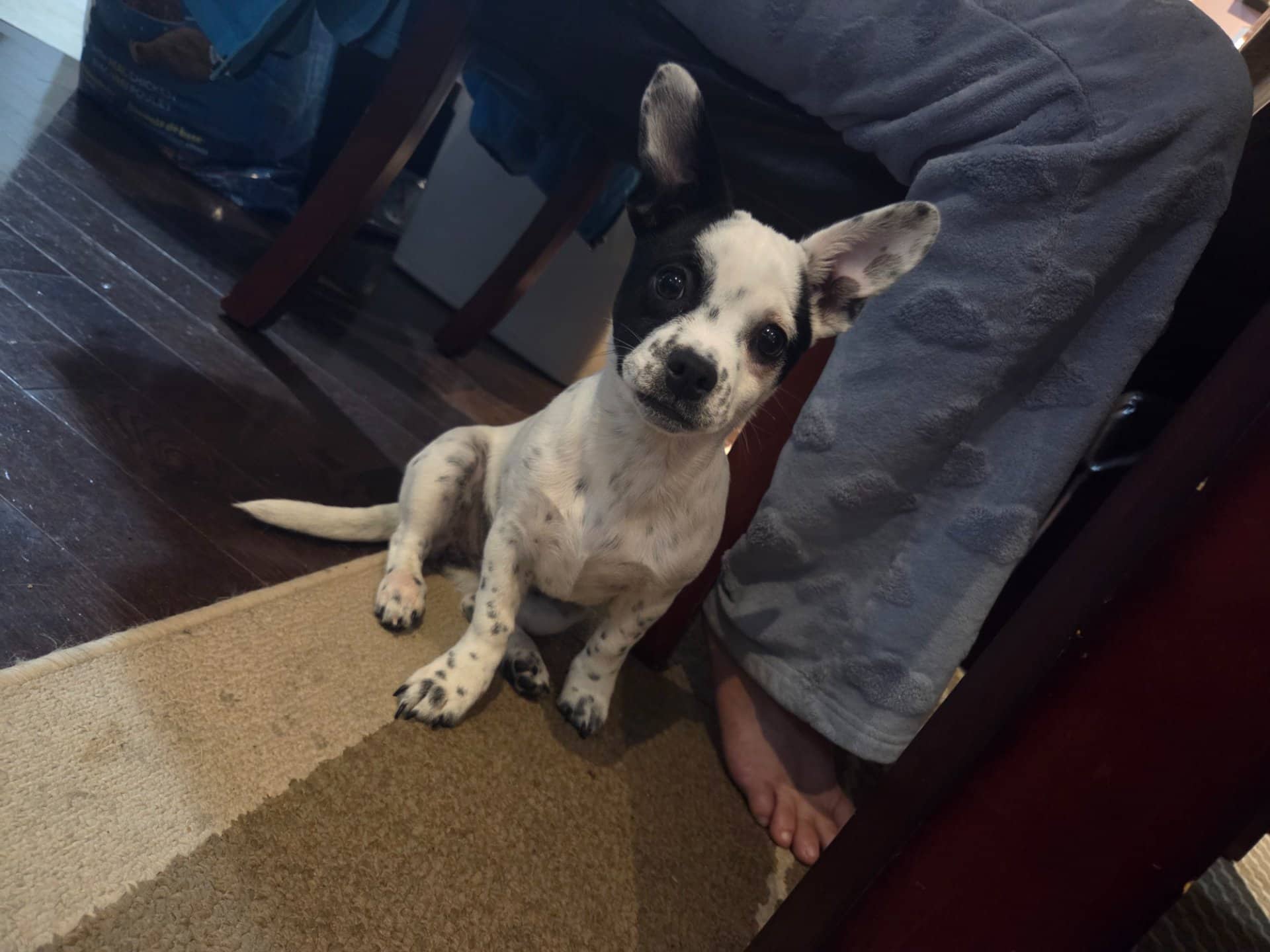
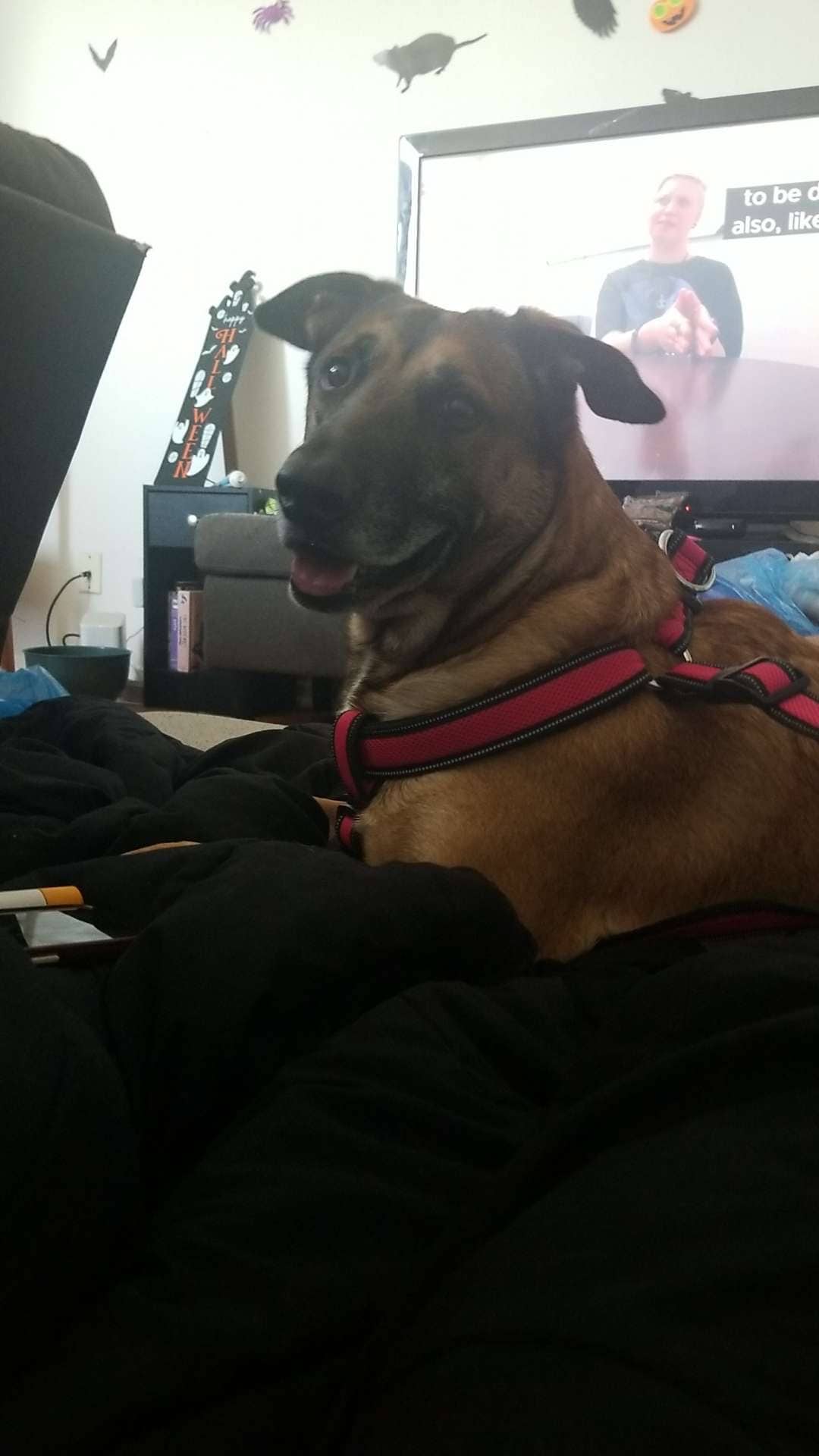
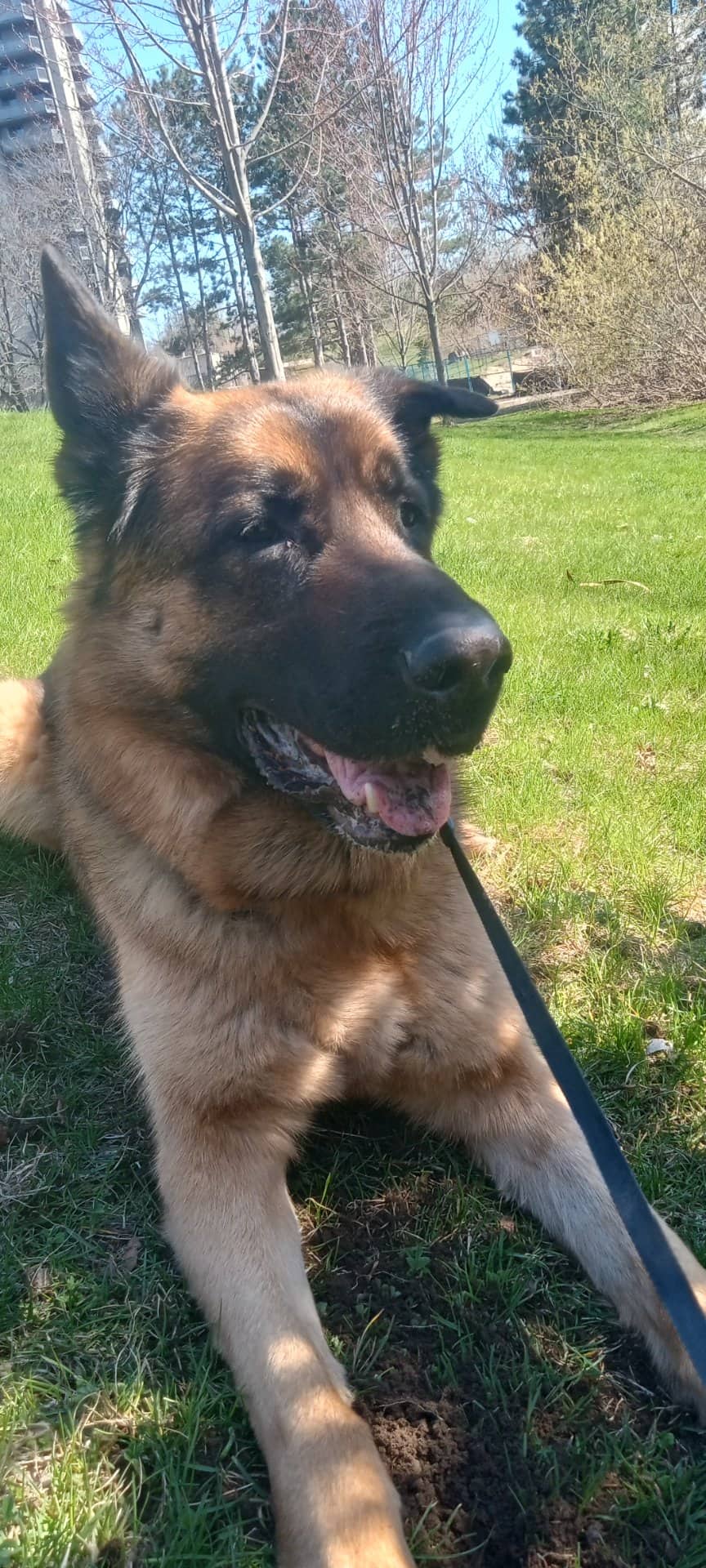
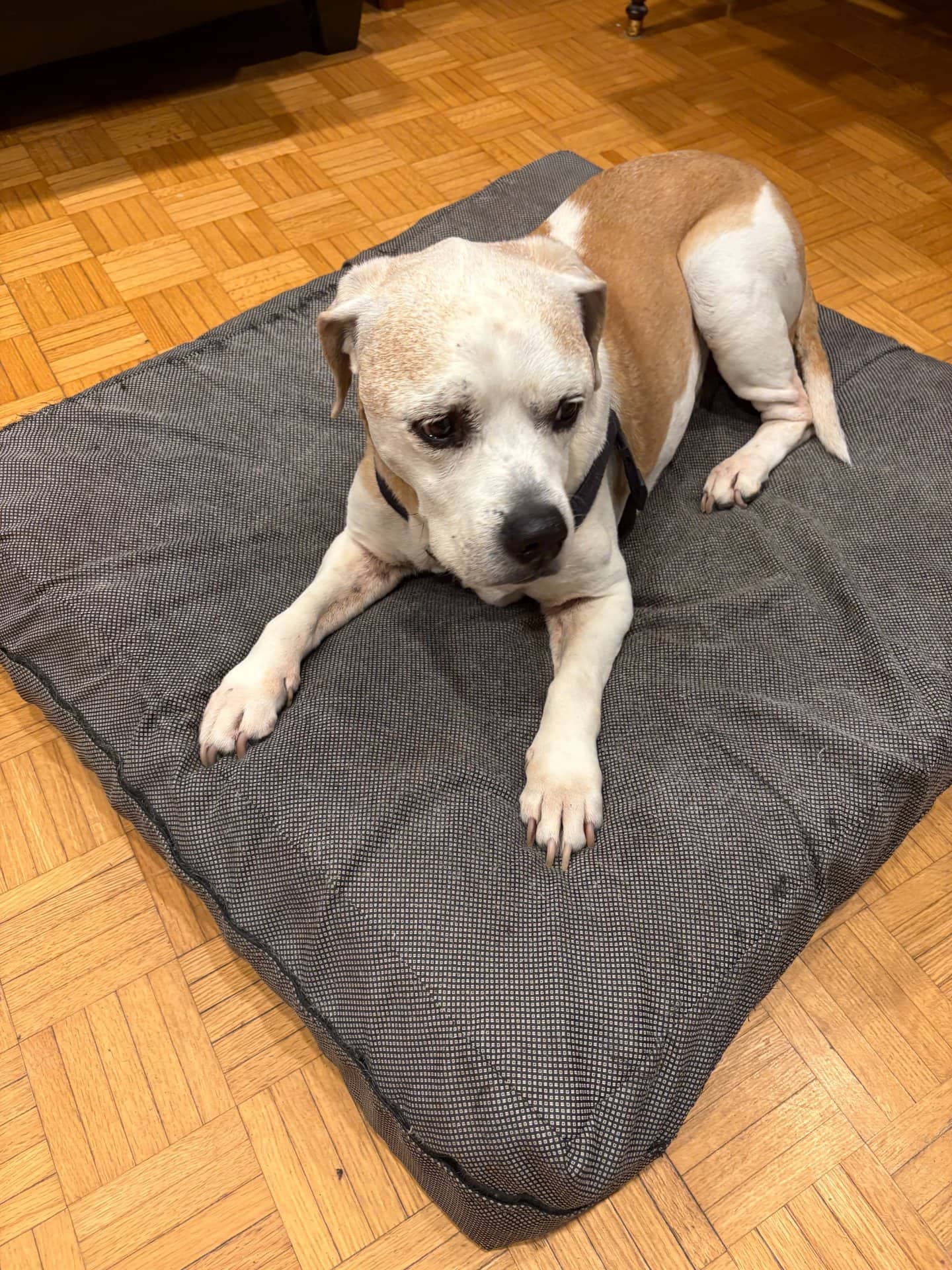
Dylan
12 years • Beagle Boxer mix
Owner Rehoming
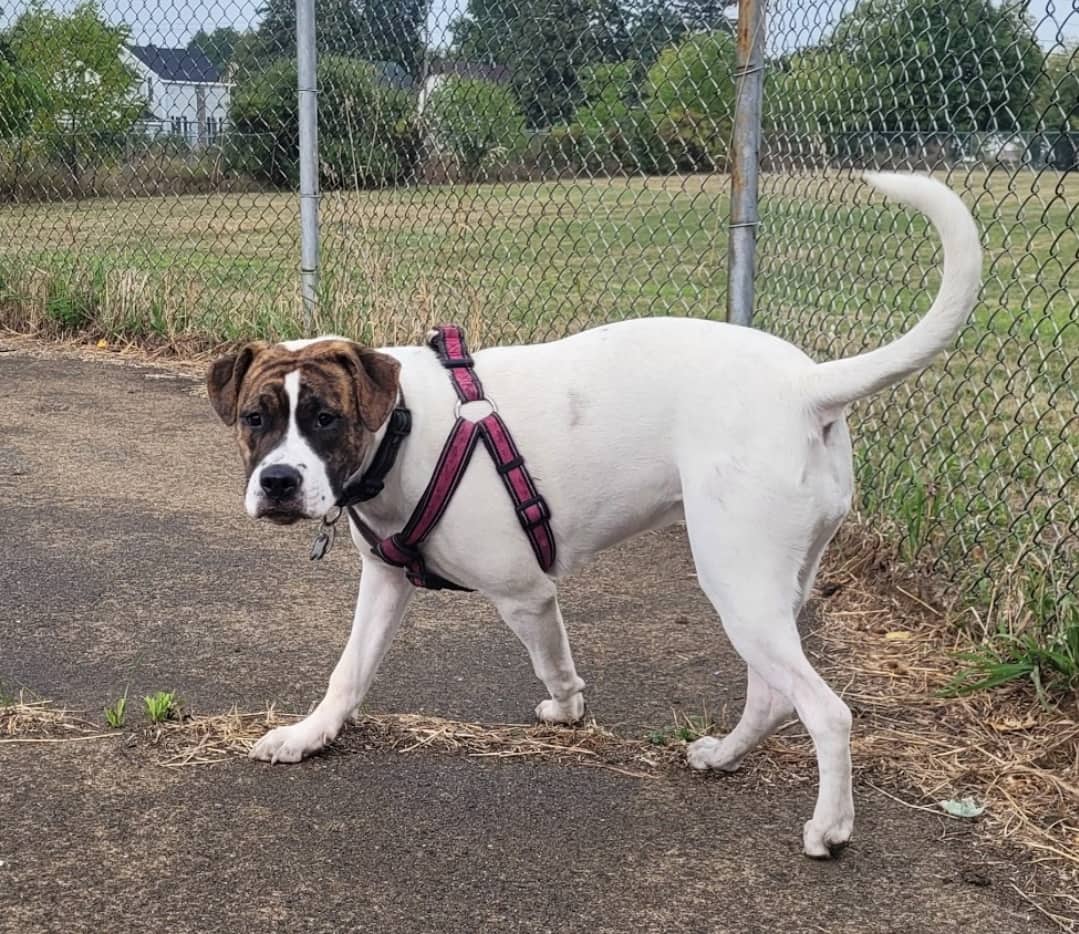
Kiyo
2 years • Mixed Breed
Owner Rehoming

Lucy
7 years • Cavapoo
Owner Rehoming
Where to find family dogs good with kids in Ottawa? The dogs listed here are flagged as good with kids by their foster home or shelter staff, sourced from the Ottawa Humane Society and smaller foster-based rescues across the region. Read each profile carefully; “good with kids” usually means a specific age range, and a dog great with school-age children may still be wrong for a household with toddlers.
Ottawa rescues see thousands of dogs every year, and a steady portion of them are tested with kids in foster homes before being listed. The Ottawa Humane Society on West Hunt Club Road uses formal behaviour assessments and tracks foster reports for every dog, and a number of smaller foster-based rescues across the region run full behaviour evaluations on intake. The “good with kids” flag on a listing is your shortcut: it means somebody has observed the dog around children and the dog handled it well.
Family dogs work best in Ottawa when you match the dog's size and energy to your household. Suburban Kanata, Orleans, Barrhaven, Nepean, and Manotick have houses with yards that suit medium-large dogs. Centretown condos and Glebe apartments work better for calm small-to-medium dogs (under 30 lbs) that handle elevator buildings well. The dog's individual history matters more than the breed label, so weight foster reports heavily.
Best Family Dog Breeds in Ottawa Rescues
These breeds and their mixes have a strong track record with children. The individual dog's foster assessment matters more than the breed label, and many wonderful family dogs are mixed breeds. Browse a breed page to see availability in Ottawa now.
Labrador Retriever →
The classic family dog. Patient, friendly, and forgiving of clumsy kid handling. Plan for exercise as a young dog.
Golden Retriever →
Gentle, tolerant, and endlessly patient. One of the best breeds with children. Rare in rescue and quick to go.
Beagle →
Sturdy, cheerful, and kid-sized. Great with children, though the nose leads to wandering and the bark can be loud.
Boxer →
Playful, patient, and famously devoted to kids. High energy as youngsters, so supervise around toddlers.
Bernese Mountain Dog →
A gentle giant that adores family life. Calm and affectionate with kids. Size, shedding, and lifespan are the trade-offs.
Cavalier King Charles →
Small, sweet, and adaptable. A lovely lap-sized family dog, gentle with careful kids and easy in apartments.
Cocker Spaniel →
Affectionate, medium-sized, and people-focused. Good with gentle children. Needs regular grooming and ear care.
Poodle & Poodle Mixes →
Smart, trainable, and low-shedding, which helps allergy-prone families. Every size. Grooming is the commitment.
What “Good With Kids” Actually Means
Rescues do not all use the same definition. The honest read on a “good with kids” tag depends on how the rescue assessed the dog:
- Foster-confirmed: the dog has lived with kids of a specific age and behaved well. The foster will tell you which ages and what behaviours they observed. This is the most reliable signal.
- Shelter-observed: the dog has met children during volunteer visits or adoption events and behaved well. Less reliable than foster history but still useful.
- Self-reported from surrender: the previous owner said the dog was good with their kids. Take this with a grain of salt; surrender homes sometimes have rose-tinted views.
- Untested: the dog has not been around kids enough to assess. Most Ottawa rescues will say so explicitly rather than guess.
Ask the rescue directly: “What ages of kids has this dog been around, and how did the dog react?” A good rescue will tell you honestly. If they cannot answer, treat the dog as untested and plan a careful introduction.
Matching Dog Age to Kid Age
The dog's age matters as much as the breed. General Ottawa adoption guidance:
- Toddlers (under 5): mature dogs 4 to 8 years old with confirmed kid history. Skip puppies (too mouthy, easily knocked over), fearful dogs (unpredictable kid movement triggers them), and toy breeds (fragility risk).
- School-age kids (6 to 11): almost any age dog can work if the temperament is right. Adolescents (1 to 3 years) suit active families well, mature dogs (4 to 8) suit calmer households.
- Teens (12+): any age dog including puppies. Teens can handle a puppy's mouthy phase and contribute to training.
The single best family-fit profile in Ottawa rescue is a 3 to 6 year old medium-mix (40 to 60 lbs) with confirmed kid history in a foster home. They are past puppyhood, fully house-trained, sturdy enough for accidental rough handling, and have many years left.
Setting Up an Ottawa Home for a Family Dog
Three rules every Ottawa family with kids should establish before the dog arrives:
- The dog has a safe space. A crate, mat, or bed in a quiet corner where kids are not allowed to follow or pet. The dog goes there to rest. This rule alone prevents most kid-dog bites.
- No hugging the dog around the neck. Hugs are a primate behaviour, not a dog behaviour. Most dogs tolerate them; some snap. Train kids to scratch the chest or rump instead.
- No bothering the dog while eating, sleeping, or chewing a toy. Resource guarding is one of the most common rescue-dog issues, and most bites happen when a kid reaches for a bone or food bowl.
For the first 6 months, adults supervise all kid-dog interactions when children are under 6. Most accidents happen in the first weeks while everyone is still learning each other's body language. The Ottawa Humane Society and most local rescues offer free post-adoption support; use it. If anything feels off in the first month, call them.
Family-Friendly Off-Leash Parks in Ottawa
Ottawa has a strong network of designated off-leash dog areas, several of which are good for families:
- Bruce Pit in Nepean is the largest and most popular off-leash area in Ottawa, great for active family dogs.
- Conroy Pit in the south end is a wooded off-leash zone, calmer than Bruce Pit and good for newer dogs.
- Mooney's Bay off-leash area near the Rideau River is great for water-loving dogs in summer.
- Hampton Park off-leash in Westboro is a smaller neighbourhood park, walkable from many west-end addresses.
- Brewer Park off-leash in Old Ottawa South is small but well-loved by locals.
The full list is on ottawa.ca. Off-leash etiquette varies: not every dog at the park is friendly, and busy weekend afternoons can be too much for an under-socialized rescue. Visit during off-peak weekday hours for the first month, then introduce busier sessions as your dog settles.
Family Dog Adoption FAQ (Ottawa)
How many dogs good with kids are available for adoption in Ottawa?
As of October 2026, 23 dogs good with kids are available for adoption in Ottawa across 4 rescues on LocalPetFinder. Listings update regularly as pets are adopted and new ones arrive — browse them above and apply directly through the rescue.
Where can I adopt a kid-friendly dog near me in Ottawa?
LocalPetFinder lists dogs flagged as good with kids by their foster or shelter staff, sourced from the Ottawa Humane Society and smaller foster-based rescues across the region. These organisations run behaviour evaluations before listing, and the "good with kids" tag means the dog has been observed with children (usually a specific age range) and behaved appropriately. Listings update regularly. Read each profile carefully because "good with kids" can mean "good with teens" or "good with school-age children" rather than "good with toddlers".
How do Ottawa rescues evaluate dogs around children?
The most reliable source is a foster home where the dog has lived with kids of a specific age. The foster reports how the dog behaved around the children: did it tolerate hugs, accept being interrupted while eating, react calmly to running and shouting, accept being touched while resting? Shelter behaviour assessments at the Ottawa Humane Society on West Hunt Club Road and other local rescues catch the most reactive dogs but cannot fully recreate a family environment. Look for listings that mention specific kid ages and behaviours, not vague "great with everyone" claims.
What breeds are typically good with kids in Ottawa rescue intake?
The breed types most consistently reported as good with kids in Ottawa rescue intake: Labrador Retriever, Golden Retriever, Bernese Mountain Dog, Newfoundland, Beagle, Boxer, Cavalier King Charles Spaniel, Standard Poodle, and Bichon Frise. Many Ottawa rescue dogs are mixes of these breeds. Mixed breeds with sound temperaments are often the best family dogs because they avoid the worst breed-specific health and behaviour issues. The dog's individual history matters more than the breed label, so weight foster reports heavily.
What's the safe-introduction process for a rescue dog joining a family with young kids?
Three rules every Ottawa family with kids should establish before the dog arrives: (1) the dog has a safe space (crate, mat, or bed) where kids are not allowed to follow or pet, (2) no hugging the dog around the neck, (3) no bothering the dog while eating, sleeping, or chewing a toy. Kids under 6 need adult supervision around the dog at all times for the first 6 months. Most accidents happen in the first weeks while everyone is still learning. The Ottawa Humane Society and most local rescues offer free post-adoption support; use it.
Are these family-friendly dogs for sale in Ottawa?
Not for sale, for adoption, and for most people that is the better deal. Every dog listed here comes from a Ottawa-area rescue or shelter rather than a breeder, pet store or classified seller. The adoption fee is typically a few hundred dollars and already covers spay or neuter, vaccinations, deworming and a microchip, which on their own would usually cost more than the fee. If you searched "family-friendly dogs for sale ottawa", this is the same search done a cheaper way, with a dog someone has already examined and can tell you about.
Where can I buy a family dog in Ottawa, and should I?
You can buy from a registered breeder, and it is worth pricing against adoption before you do. A breeder puppy generally runs well into four figures and often comes with a waitlist, while a rescue dog costs a few hundred dollars fully vetted and may be available this week. The listings to be careful with are the cheap ones on classified sites and marketplaces, which are frequently backyard breeders or puppy-mill resellers moving unvetted animals with no health guarantee. If you do buy, insist on seeing where the litter was raised and getting vet records.
Are there free family-friendly dogs in Ottawa, or family-friendly dogs under $500?
Adoption is the closest honest answer and it is not free. A rescue dog in Ottawa usually costs a few hundred dollars. The fee already covers medical work worth considerably more. Genuinely free listings deserve suspicion: a dog advertised free to a good home has usually not been vetted, and free rehoming ads are the route flippers and unregistered breeders use to move animals with no recourse for the buyer. Reduced-fee events, sponsored long-stay dogs and senior discounts are the legitimate ways the price comes down.
Are there family-friendly puppies in Ottawa, or mostly adults?
Both, but adults outnumber puppies and it is worth knowing that before you start. Most dogs arriving in Ottawa rescue are adolescents and adults, because that is the stage at which first homes tend to give up. Puppies do come through, usually as accidental litters or with a surrendered mother, and they are typically spoken for quickly, so an alert beats refreshing the page. It is also worth asking whether you want one: an adult arrives with a temperament a foster has already lived with and can describe, where a puppy is a prediction.
Where can I find family-friendly dogs near me in Ottawa?
Start with the listings on this page, which pull from Ottawa rescues and shelters and refresh regularly, so what you see is genuinely available rather than a directory that went stale months ago. If nothing suits today, check back or set an alert, because family-friendly dogs in particular move fast and the list turns over. It is also worth widening slightly beyond the city, since most rescues serving Ottawa will adopt across a reasonable driving distance rather than only within municipal limits.