The short answer
High Park's off-leash dog area is a large, mostly unfenced natural zone in the western part of the park, running through the ravine and meadow toward Parkside Drive and Grenadier Pond. Off-leash is allowed only inside the posted boundary; dogs stay leashed everywhere else, including near the pond, the zoo, and the playground. Because the boundary is unfenced and Parkside Drive is fast, this park works best for dogs with reliable recall. Parking inside the park is limited and fills fast, so most owners take the subway to High Park station. Bring poop bags, water in summer, and a leash you keep on you. Coyotes and wildlife live around Grenadier Pond, so keep your dog close.
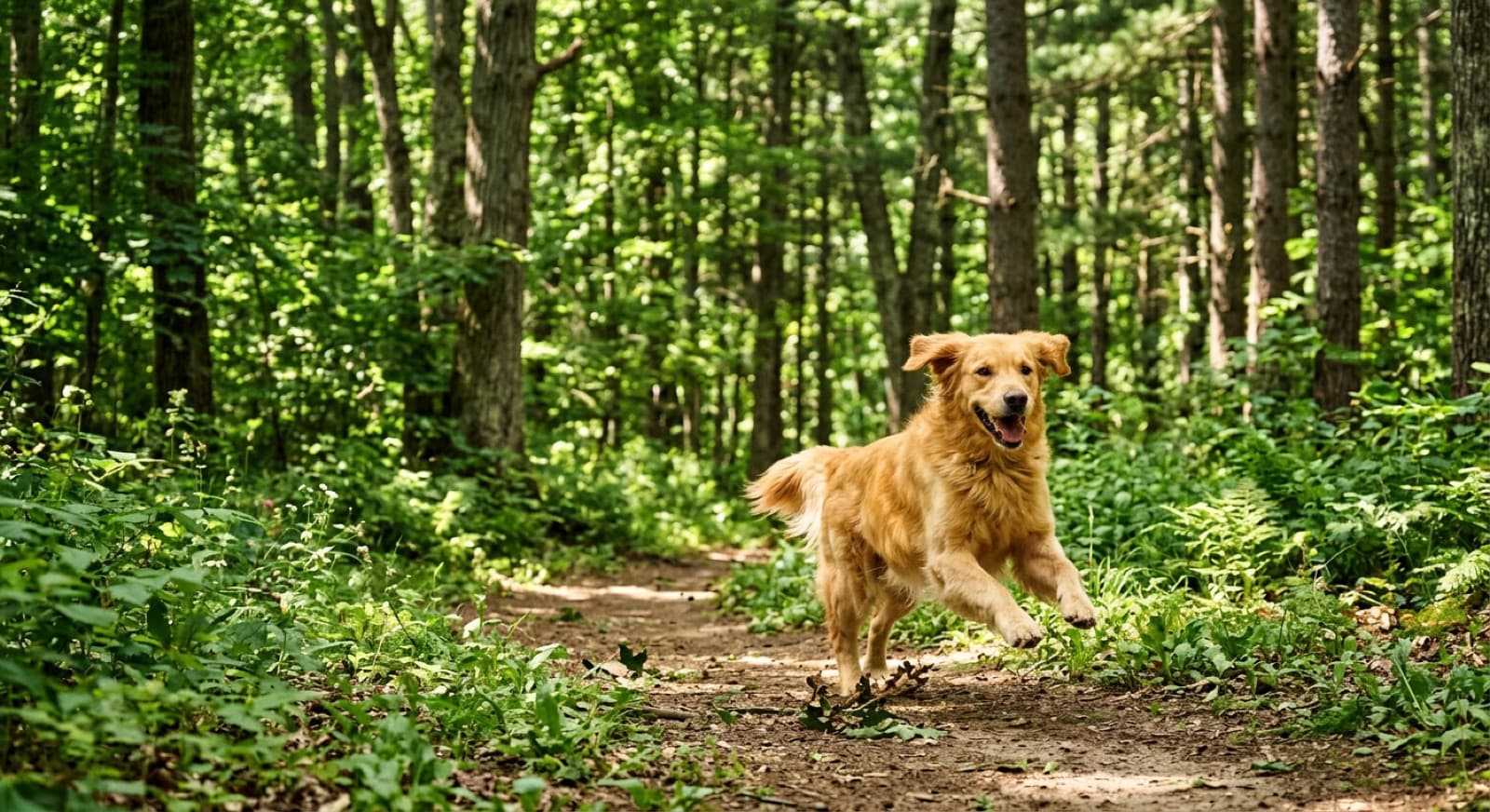
Where High Park is, and what dogs can use
High Park is Toronto's largest public park in the west end, about 161 hectares stretching south from Bloor Street West down toward the Gardiner and the lake. It is bordered by Bloor West Village to the north, the Junction to the northwest, Roncesvalles to the east, and Parkside Drive on the west side. Inside the park you have wooded ravines, open meadows, Grenadier Pond, formal gardens, sports fields, a small zoo, cherry blossom groves, and miles of paths. Most Toronto dog owners think of the whole park as a dog park. It is not.
The City of Toronto manages High Park and posts the off-leash boundaries with signs. Off-leash is allowed only inside the marked area. Everywhere else in the park, dogs must be on a leash. That includes the roads, the playground, the zoo paths, the gardens, the cherry blossom areas, and the edges of Grenadier Pond. Bylaw officers patrol the park, especially during the busy spring and summer seasons.
The off-leash area: large, natural, and mostly unfenced
The main off-leash zone sits in the western part of High Park, through the wooded ravine and meadow that runs roughly between Spring Road and the west boundary near Parkside Drive, down toward the Grenadier Pond side. It is a big area by Toronto standards. Where most city parks give you a small fenced enclosure, High Park gives you a sprawling natural space with trees, grass, slopes, and trails. For a confident dog, it is one of the best places in the city to run.
Here is the catch, and it is the single most important thing in this whole guide: the off-leash area is mostly unfenced. The boundary is marked by signs, not by a fence. Parkside Drive, on the west edge, is a fast and busy road with a history of serious incidents. A dog that takes off after a squirrel or a cyclist can reach traffic. So this park is a recall test, not a free-for-all. If your dog comes back every single time you call, even with squirrels around, High Park is a gift. If not, use a long line, or pick a fully fenced park until the recall is reliable.
Hours and seasonal notes
The off-leash area follows the City's standard for designated zones, 5:30 a.m. to midnight (standard park hours), open year-round. There is no fenced gate to lock, so in practice your limit is daylight and the park's opening hours. Always read the signs at the off-leash boundary, because the City posts current rules and any temporary closures there.
One Toronto-specific wrinkle: cherry blossom season. In late April and early May, the High Park cherry blossoms draw enormous crowds, and parts of the park get restricted or vehicle-closed to manage the volume. That can make the whole park feel chaotic and can affect how you get to the dog area on peak blossom weekends. If you can, walk your dog on a weekday during blossom season and skip the weekend madness.
Getting there: TTC beats driving
High Park is one of the most transit-friendly large parks in the city. Here is how to get in:
- By subway (easiest): High Park station on Line 2 (Bloor-Danforth) sits right at the park's northeast corner on Bloor Street West. Walk south into the park from there. The 506 Carlton streetcar and Keele and Keelesdale stations also work.
- By car (limited): Paid parking lots inside the park are accessed mainly from the Bloor Street West entrance and the Parkside Drive side. They fill early on warm weekends.
- Street parking: Around Bloor West Village, the Junction, and the residential streets off Parkside Drive and Roncesvalles, parking is metered or permit-restricted in spots. Read the signs carefully; tickets are common.
Most regulars take the subway. It is faster than circling the lots, it drops you near the entrance, and it removes the parking-ticket gamble entirely.
Best times to go
The off-leash area gets busy. The calm windows:
- Weekday early mornings (before 9am): the quietest stretch, mostly regulars and settled dogs.
- Weekday late afternoons and evenings: social but not packed, a good window if your dog likes play.
- Rainy weekday mid-mornings: nearly empty. The mud is worth the peace if your dog handles wet weather.
Avoid sunny weekend afternoons and the cherry blossom weekends in late April and early May, when the dog area can hold dozens of dogs at once. If your dog needs space from others or is still learning play manners, stick to the quiet windows.
Coyotes and wildlife around Grenadier Pond
High Park has a documented coyote presence, especially around Grenadier Pond and the wooded ravine sections. The City of Toronto posts seasonal coyote awareness signs, and coyotes are most active and territorial in late winter and spring during denning season. The standing guidance is simple:
- Keep your dog close, and leash up the moment you see a coyote.
- Make yourself big and loud (clap, shout, wave your arms) and back away calmly. Do not run. Do not turn your back.
- Never feed coyotes, and do not leave food scraps that draw them in.
- Small dogs are at higher risk; keep them close, especially at dawn and dusk.
Grenadier Pond is also protected wildlife habitat with ducks, geese, swans, and turtles. Dogs must stay leashed around the pond and out of the water. It is not a swimming spot, and the City enforces this. If your dog loves to swim, the off-leash dog beach at Cherry Beach on the waterfront is the better choice.
What to bring
- Poop bags, always. The City fines for failing to scoop, separately from leash violations.
- A leash you keep on you even inside the off-leash zone, plus a long line if your recall is still a work in progress.
- Water and a collapsible bowl in summer. The off-leash zone is wooded and warm in July.
- A towel for muddy or snowy paws in the wet seasons.
- A current city dog licence tag with your phone number. The boundary is unfenced near a busy road, so a lost dog needs to be reunited fast.
- A tick check after walking the wooded ravine in spring and summer. High Park has the brush and tall grass where ticks live.
Etiquette: how to be a good High Park dog owner
- Recall before freedom. If your dog does not come when called, do not let it off near Parkside Drive. Use a long line and earn the freedom first.
- Watch your dog, not your phone. The unfenced boundary means a distracted owner is a real safety risk.
- Leash up in the rest of the park. The off-leash zone is one section. The pond, the zoo, the gardens, the playground, and the roads are all on-leash.
- Read your dog's play. If your dog is overwhelmed or overwhelming others, leash up and take a break. Crowded weekend sessions are not the place to test a dog still learning manners.
- Scoop every time, including off the trail. The natural areas matter and the bylaw officers do check.
Looking for a rescue dog ready for High Park?
Toronto rescues list adoptable dogs daily. Foster homes know which dogs have the reliable recall an unfenced park like High Park needs, and which ones need more time first.
See Adoptable Toronto Dogs →Winter at High Park
Toronto winters make the off-leash area quieter and the footing trickier. The ravine trails get snowy and icy, and the meadow can be slushy in a thaw. The upside is that the regulars who show up in winter tend to have well-socialised dogs, so the play is calmer than a packed summer weekend. Carry a towel for paws, watch for road salt (it irritates pads, so rinse them at home), and keep walks shorter in a deep cold snap. A short, brisk off-leash run beats a long shivery one when it is well below freezing.
Summer brings the opposite issue. Paved sections and open meadow heat up at midday in July. The five-second rule helps: press the back of your hand on the pavement, and if you cannot hold it there for five seconds, it is too hot for paws. Early morning and after the early evening are the safe windows in summer.
Nearby amenities and neighbourhoods
High Park sits in a cluster of dog-friendly west-end neighbourhoods. Bloor West Village to the north, the Junction to the northwest, and Roncesvalles to the east all have cafes, patios, and pet shops, and many warm-weather patios welcome dogs. The park itself has washrooms, the Grenadier Cafe, summer water fountains, and the small High Park Zoo (dogs stay leashed and out of the animal areas). After a muddy off-leash session, the residential side streets off Parkside Drive and around Roncesvalles are an easy stroll to let your dog dry off before the subway ride home.
City of Toronto bylaw recap
The rules that apply everywhere in High Park except the posted off-leash zone:
- Dogs must be leashed at all times outside the marked off-leash area.
- Off-leash is allowed only inside the posted boundary; read the signs to know exactly where it starts and ends.
- You must carry a leash even inside the off-leash zone, and your dog must come when called.
- Pick up after your dog every time. Bylaw officers issue fines for failing to scoop.
- Dogs are not allowed in Grenadier Pond and must be leashed around it; it is protected wildlife habitat.
- Off-leash fines in non-designated areas can run into the hundreds of dollars under the City's animal bylaw.
- Toronto requires dogs to be licensed; keep a current tag on the collar.
For the official park details, off-leash map, and current notices, see the City of Toronto's High Park page and the City's dogs in parks and off-leash areas page. The City updates rules and seasonal closures there.
Where to go if High Park is not the right fit
If your dog needs a fenced space, or if it loves the water, High Park may not be your spot. Two alternatives:
- Cherry Beach off-leash on the waterfront: a dog beach with water access, a great choice for swimmers.
- A fully fenced neighbourhood dog park: safer for dogs with unreliable recall, especially in the first weeks after adoption.
Our full Toronto off-leash parks guide covers the designated off-leash areas across the city, with notes on which ones are fenced, which allow swimming, and which fit different dogs best.
Frequently asked questions
Where is the off-leash area in High Park?
The main off-leash dog area sits in the western part of High Park, in the wooded ravine and meadow zone running roughly between Spring Road and the west park boundary near Parkside Drive. It is a large area, much bigger than the single fenced enclosures most Toronto parks offer. It runs along the lower section near Grenadier Pond on the west side. The City of Toronto signs the boundaries; off-leash is allowed only inside the posted zone, and dogs must be leashed everywhere else in the park, including the busy roads, the playground, the zoo paths, and the Grenadier restaurant area.
Is the High Park off-leash area fenced?
Mostly no, and this is the single most important thing to know before you go. The High Park off-leash area is a large, mainly unfenced natural zone, not a fenced enclosure like the dog parks at many smaller Toronto parks. The boundary is marked by signs, not a fence. That means it only works for dogs with reliable recall. Parkside Drive runs along the west edge and is a fast, busy road. A dog that bolts toward a squirrel can end up on the road. If your dog does not come when called every time, use a long line or choose a fully fenced off-leash park instead until recall is solid.
What are the off-leash hours at High Park?
The off-leash area follows the City of Toronto standard for designated off-leash zones, which is 5:30 a.m. to midnight (standard park hours), with the area open year-round. The park itself is open from roughly sunrise to late evening. There is no separate fenced gate to close, so the practical limit is daylight and park hours. Always check the posted signs at the off-leash boundary; the City updates rules and any seasonal closures there. During spring, parts of High Park near the cherry blossoms get extremely crowded and some areas are restricted, which can affect dog access on the busiest weekends.
Can I drive and park at High Park for the off-leash area?
You can, but it is limited and it gets full fast on weekends. High Park has some paid parking lots inside the park, accessed mainly from the Bloor Street West entrance and the Parkside Drive side. On nice weekends these fill early in the morning. Street parking around the park (Bloor West Village, the Junction side streets, and residential streets off Parkside) is metered or permit-restricted in spots, so read the signs carefully. Honestly, most regulars skip driving entirely. The subway drops you right at the gate, which is faster than circling for parking.
How do I get to High Park by TTC?
High Park is one of the most transit-accessible large parks in Toronto. High Park subway station on Line 2 (the Bloor-Danforth line) sits right at the park's northeast corner on Bloor Street West. From the station it is a short walk south into the park. The 506 Carlton streetcar and several bus routes also serve the area. Keelesdale and Keele stations are walkable too. If you do not have a car, or you do not want to fight for parking, the subway is the easiest way in with a dog.
Is High Park good for a newly adopted rescue dog?
The on-leash trails, yes. The unfenced off-leash area, not in the first few weeks. High Park is a high-stimulation place: cyclists, joggers, the kids' zoo, the cherry blossom crowds in spring, ducks and wildlife around Grenadier Pond, and lots of other dogs. A newly adopted dog still in the 3-3-3 decompression window (3 days to settle, 3 weeks to learn the routine, 3 months to fully trust) can get overwhelmed, and the unfenced boundary near Parkside Drive is a real safety risk if recall is not solid yet. Walk the on-leash paths first, build your bond, and move to off-leash once you trust the recall.
Are there coyotes or wildlife in High Park?
Yes. High Park has documented coyote sightings, especially around Grenadier Pond and the wooded ravine sections, and the City of Toronto posts seasonal coyote awareness signs. Coyotes are most active and most defensive in late winter and spring during denning season. The standard guidance is to keep your dog close, leash up if you see one, make yourself big and loud, never run, and never feed wildlife. Grenadier Pond also has a large population of ducks, geese, swans, and turtles. Dogs must stay leashed and out of the pond; it is protected habitat.
Can my dog swim in Grenadier Pond?
No. Dogs are not permitted to swim in Grenadier Pond. It is a protected natural area with significant bird and wildlife populations, and dogs must be leashed and kept out of the water around it. The pond also has water-quality issues at times. If your dog loves to swim, High Park is not the spot. Toronto has dedicated dog-friendly beach options elsewhere, including the off-leash dog beach at Cherry Beach on the waterfront.
How crowded does the High Park off-leash area get?
Very crowded on warm weekends and during the spring cherry blossom season. Early weekday mornings and weekday evenings are the calmest windows. Mid-day on a sunny Saturday or Sunday, the off-leash zone is busy with dozens of dogs. If your dog needs space from other dogs or is still learning play manners, aim for the quiet windows: weekday mornings before 9am or weekday late afternoons. The blossom weekends in late April and early May draw huge crowds across the whole park, which can make the dog area feel chaotic.
What should I bring to the High Park off-leash area?
Poop bags (always, the City fines for not scooping), water and a collapsible bowl in summer, a leash you keep on you even in the off-leash zone, and a long line if your recall is still a work in progress. In winter, a towel for muddy or snowy paws. Check your dog for ticks after walking the wooded ravine sections in spring and summer; High Park has tall grass and brush where ticks live. A current city dog licence tag with your phone number matters here because the area is unfenced and a lost dog near Parkside Drive needs to be reunited fast.
What is the off-leash bylaw fine in Toronto?
Toronto requires dogs to be leashed everywhere except inside posted off-leash areas, and fines for off-leash dogs in non-designated areas can run into the hundreds of dollars under the City's animal bylaw. Bylaw officers do patrol High Park, especially during busy seasons and around the playground, zoo, and pond. The fine is not the main reason to follow the rule, though. The wildlife around Grenadier Pond and the fast traffic on Parkside Drive are the real reasons. Keep your dog leashed until you are inside the signed off-leash boundary.
Are there nearby amenities around High Park?
Plenty. High Park sits between Bloor West Village to the north, the Junction to the northwest, and Roncesvalles to the east, all dog-friendly neighbourhoods with cafes, patios, and pet shops. Many cafes around Bloor West Village and Roncesvalles welcome dogs on their patios in warm months. The park itself has washrooms, the Grenadier Cafe, water fountains in summer, and the small High Park Zoo (dogs stay leashed and out of the animal areas). After a muddy off-leash session, the residential side streets are an easy stroll to dry off before heading home.
High Park off-leash vs a fenced dog park: which is better for my dog?
It depends entirely on recall. High Park's large unfenced off-leash zone is wonderful for confident dogs with rock-solid recall; they get room to run that no small fenced park can match. For a dog that bolts, slips collars, or is still learning to come when called, a fully fenced park is safer because the unfenced High Park boundary sits beside the busy Parkside Drive. The honest answer most Toronto trainers give: earn the unfenced freedom. Start in a fenced space, prove the recall under distraction, then graduate to High Park.