Why adopt a small dog?
Small dogs, also called little dogs, are roughly under 25 lbs full-grown and the easiest rescue dogs to fit into a condo, an apartment, or a smaller home. They take up less space, cost less to feed, are simpler to travel with, and most are happy with a couple of walks plus indoor play rather than hours of hard exercise. That makes them a sensible match for first-time owners, seniors, and anyone short on yard space.
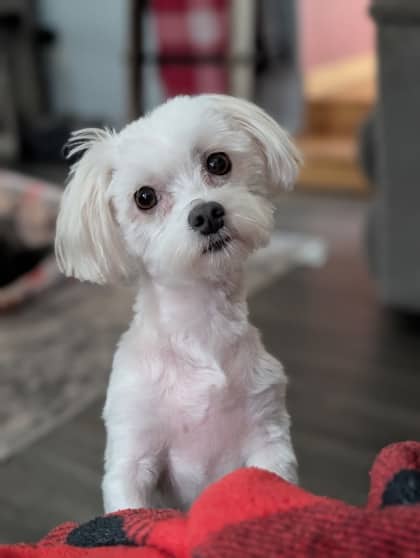
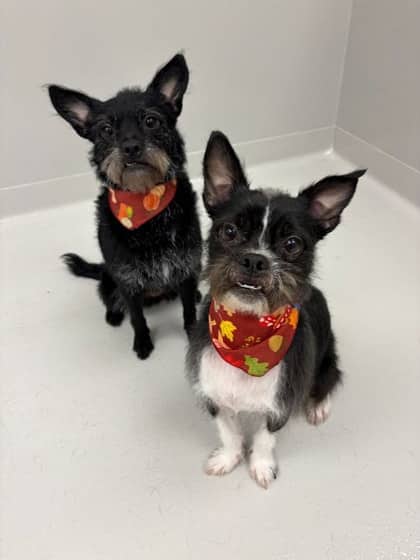
Every dog in the grid above is listed by a rescue as a small-breed or small mixed-breed dog. You will see purebreds and plenty of small mixes, which often bring the best of two breeds and tend to be a little hardier. Listings update regularly as rescues take in new dogs.
Can you adopt a small dog for free?
This is the question small-dog adopters ask most, so here is the honest answer. Genuinely free small dogs are rare from rescues, and the reason is simple: the adoption fee covers veterinary work already done on the dog. Spay or neuter, core vaccinations, a microchip, deworming and a health check add up to roughly $700 to $1,200 of care, and a rescue charges a fee well below that to recover only part of the cost. An adoption fee is not a purchase price. It is a fraction of the medical bill for a dog that is already vetted and ready to go home.
Weighed against buying a small dog or answering a "free to good home" ad, adopting is almost always cheaper once you count the spay/neuter and shots you would otherwise pay for yourself, and far safer than an unvetted free dog of unknown health. Most small-dog adoption fees sit comfortably under $500, and many are lower for adults and seniors than for puppies. If budget is the real concern, say so to the rescue: many run reduced-fee days, senior-to-senior programs, or waive the fee for a dog that has waited a long time. Filter the grid above by the dog you can actually care for, not by the fee alone.
Popular small breeds in rescue
These are the small breeds and mixes that turn up most often in rescue. Availability changes week to week, so check back if the exact breed you want is not listed today:
- Chihuahua and Chihuahua mixes — the most common small dog in rescue, big personality in a tiny frame
- Yorkshire Terrier, Maltese, and Shih Tzu — long-coated lap dogs, low-shedding, ideal for apartments
- Pomeranian and Papillon — bright, alert toy breeds that love being involved in everything
- Dachshund and Dachshund mixes — bold and affectionate, watch the back and weight
- Pug and French Bulldog — flat-faced charmers, easygoing but prone to breathing and heat issues
- Small terrier and small designer mixes — Jack Russell, Rat Terrier, and the many small crosses rescues see most
What to know before adopting a small dog
Small does not mean low-maintenance. Many small breeds need regular grooming, are more delicate around very young children, and can be slower to house-train than their bigger cousins. They also feel the cold fast, so a Canadian winter means a coat and shorter potty breaks for most of them.
They still need real training and daily walks too. A bored small dog barks, guards, and gets pushy just like any other dog. Spend time with the specific dog before you commit, and ask the rescue about its energy, house-training, and how it does with kids or other pets so you adopt one that genuinely fits your home.
Looking more broadly? Browse every adoptable dog across the province on Dog Adoption Prince Edward Island.
Small Dogs by city in Prince Edward Island
Most adopters want a dog within driving distance, and rescues here are foster-based, so a dog listed under one city may be living in the next town over. Start with your city, then widen out.
Small Dogs FAQ — Prince Edward Island
Tap a question to expand