Showing 370 cats
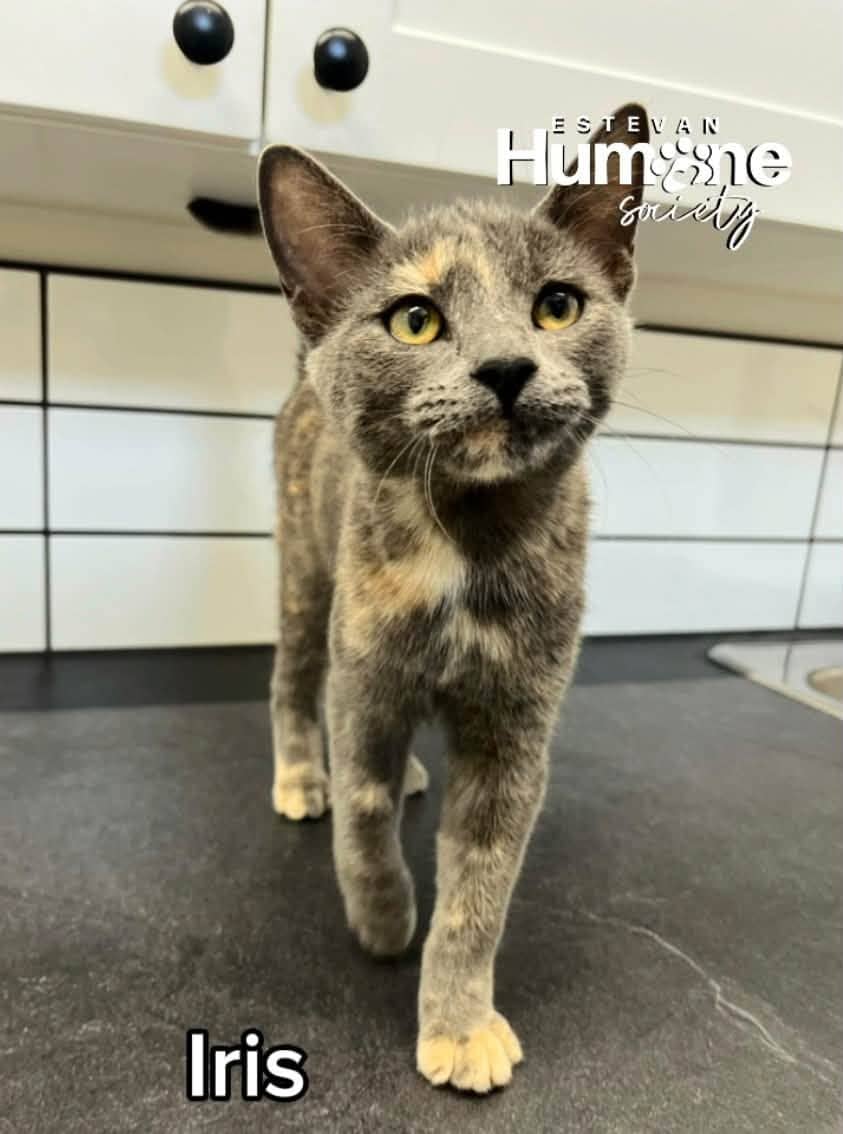
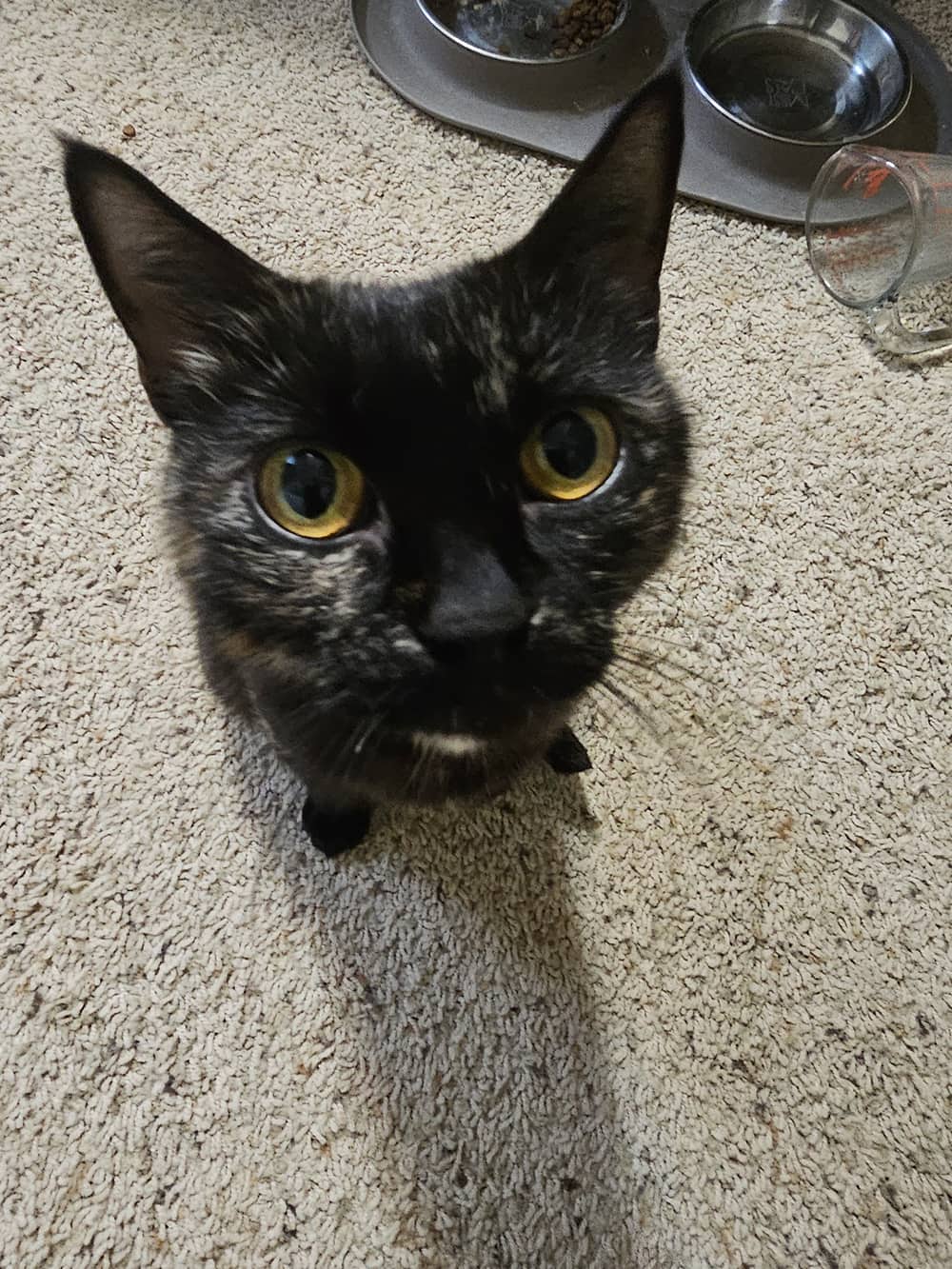
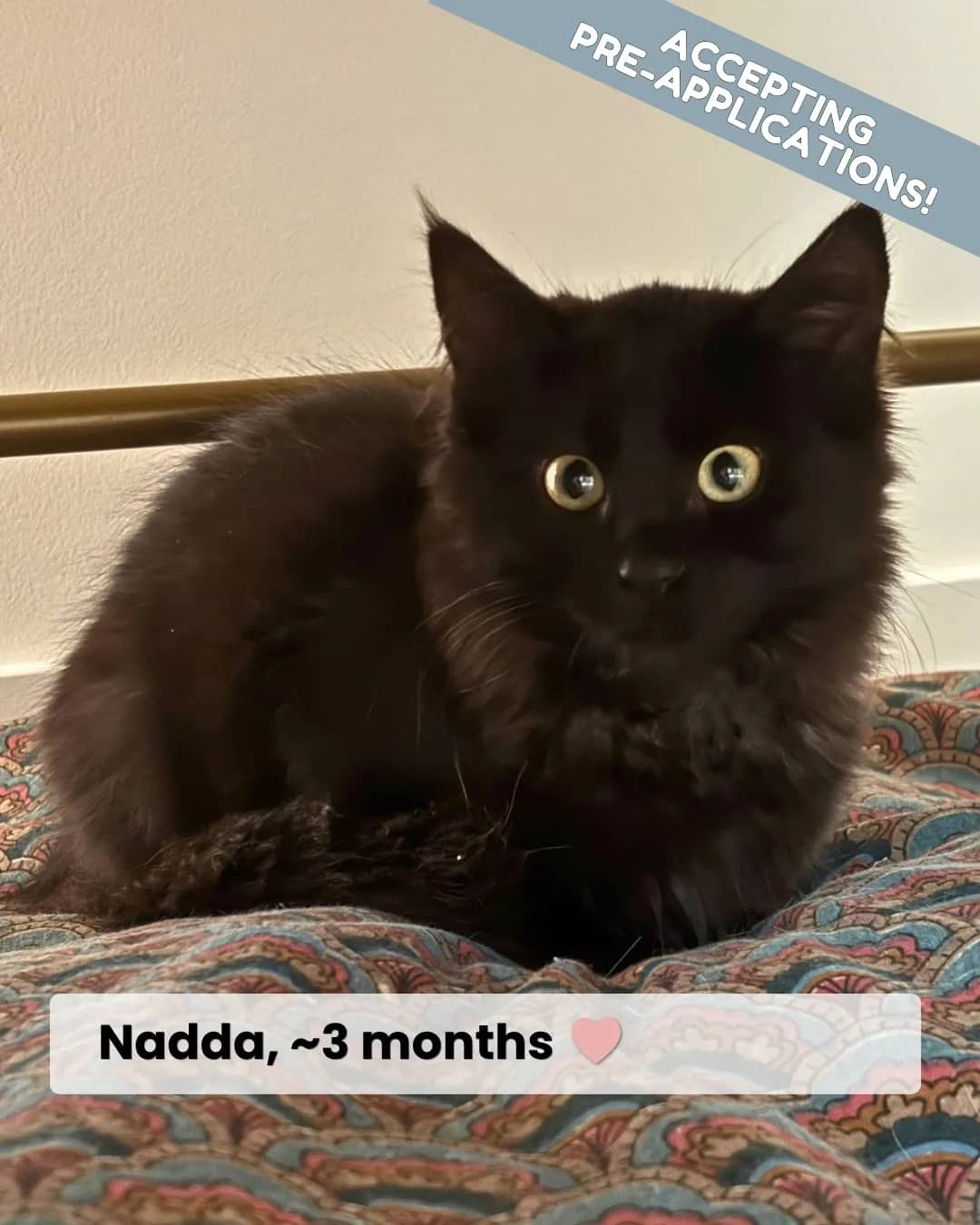
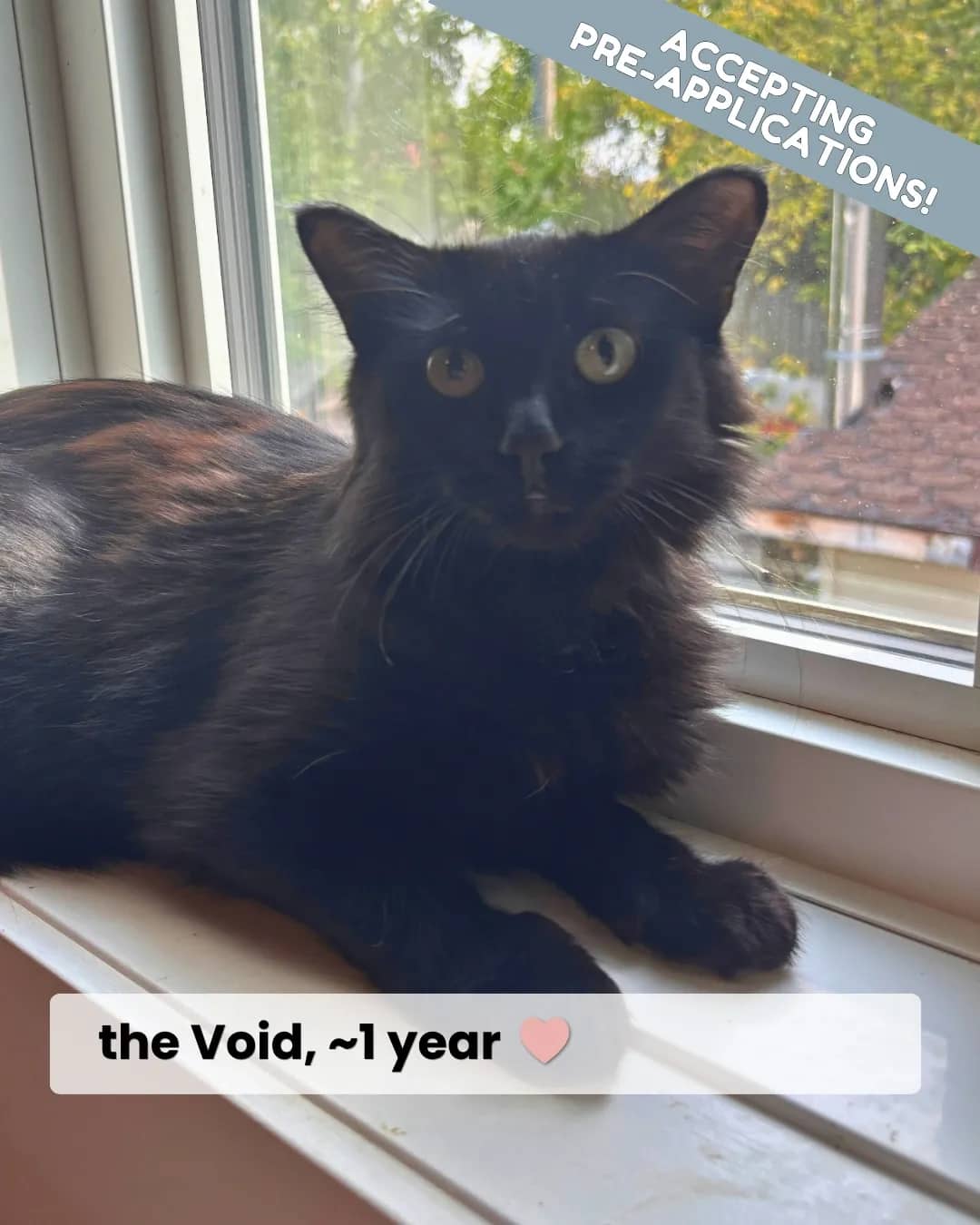
Get notified when a Domestic Shorthair is listed
We will email you the moment a Domestic Shorthair becomes available in Saskatchewan, from a rescue or an owner rehoming.
Adopting a domestic shorthair in Saskatchewan
The domestic shorthair, or DSH, is the most common cat in Saskatchewan rescue intake. The term is a label rather than a breed: any mixed-ancestry shorthaired cat with no specific pedigree falls under it. SK rescues use the label for the bulk of their inventory. Saskatoon SPCA, SCAT Street Cat Rescue, SOS Prairie Rescue, Regina Humane Society, and Regina Cat Rescue together have dozens of domestic shorthairs available at any time.
This page lists every adoptable DSH across the SK rescues we cover, refreshed regularly. For most first-time adopters and most families, the domestic shorthair is the right place to start. The breed is hardy, adaptable, long-lived, and inexpensive to care for, and the variety in colour, pattern, and personality is enormous.
Why domestic shorthairs are the best starting point
A domestic shorthair is the result of generations of mixed ancestry, and that mixing is what makes the cat genetically robust. DSH cats are less prone to the inherited conditions that affect pedigreed breeds, including hypertrophic cardiomyopathy, polycystic kidney disease, and breed-specific dental issues. Most reach 14 to 18 years with routine care.
The coat is short, low-shedding, and almost maintenance-free. Personality varies widely across individuals, so an adopter can find a calm DSH, a bold DSH, a kitten DSH, or a senior DSH in the same week of searching. The honest answer to "what kind of cat should I adopt?" for most families is "the domestic shorthair whose temperament and history fit your home."
Patterns and colours
Domestic shorthairs come in every coat pattern and colour known to cats. The most common include tabby, tuxedo, black, white, grey, calico, tortie, and orange. Pattern does not predict temperament; the cat's history and individual personality do. SK rescues list cats by pattern often, but read the foster notes on each cat for what really matters.
What DSH cats are actually like to live with
A domestic shorthair is the easy, adaptable, healthy option. The things to plan for:
- Genetically robust. Fewer inherited conditions than most pedigreed breeds.
- Easy coat. Weekly brush at most, sometimes none.
- Adaptable. Apartment, townhouse, family home, single adopter, multi-pet household, all work.
- Personality varies widely. Read the foster notes on the specific cat.
- Long-lived. Most reach 14 to 18 years with routine vet care.
- Inexpensive to feed and care for. No specialty diet or grooming needs.
- Indoor only, like every rescue cat in SK. Predator and traffic pressure are real.
What the fee usually covers
DSH adoption fees at SK rescues sit at the bottom of the rescue cat range, often the most affordable cat to adopt. The fee covers spay or neuter, core vaccinations, microchip, deworming, and a vet check. Senior cats and bonded pairs sometimes have reduced fees as a placement incentive. Confirm the exact figure on the cat's listing.
Looking more broadly? Browse every adoptable cat across the province on Cat Adoption Saskatchewan.
The rescues that most often list Domestic Shorthairs across the province are Saskatoon SPCA, SCAT Street Cat Rescue, Regina Humane Society, and Regina Cat Rescue.
Domestic Shorthair Adoption FAQ — Saskatchewan
Tap a question to expand
How many Domestic Shorthairs are available for adoption in Saskatchewan?▼
Where can I find domestic shorthair adoption near me in Saskatchewan?▼
Is domestic shorthair a breed?▼
Are domestic shorthairs healthier than pedigreed breeds?▼
How much does it cost to adopt a domestic shorthair in Saskatchewan?▼
Are domestic shorthairs good with kids?▼
How much grooming does a domestic shorthair need?▼
Popular cat breeds in Saskatchewan
Domestic Shorthair adoption by city in Saskatchewan
Each city page lists only the domestic shorthairs available from rescues serving that city.