2 Australian Cattle Dog (Blue Heeler) puppies available in Saskatchewan
Under a year old, listed by rescues and shelters. Updated as shelters publish.
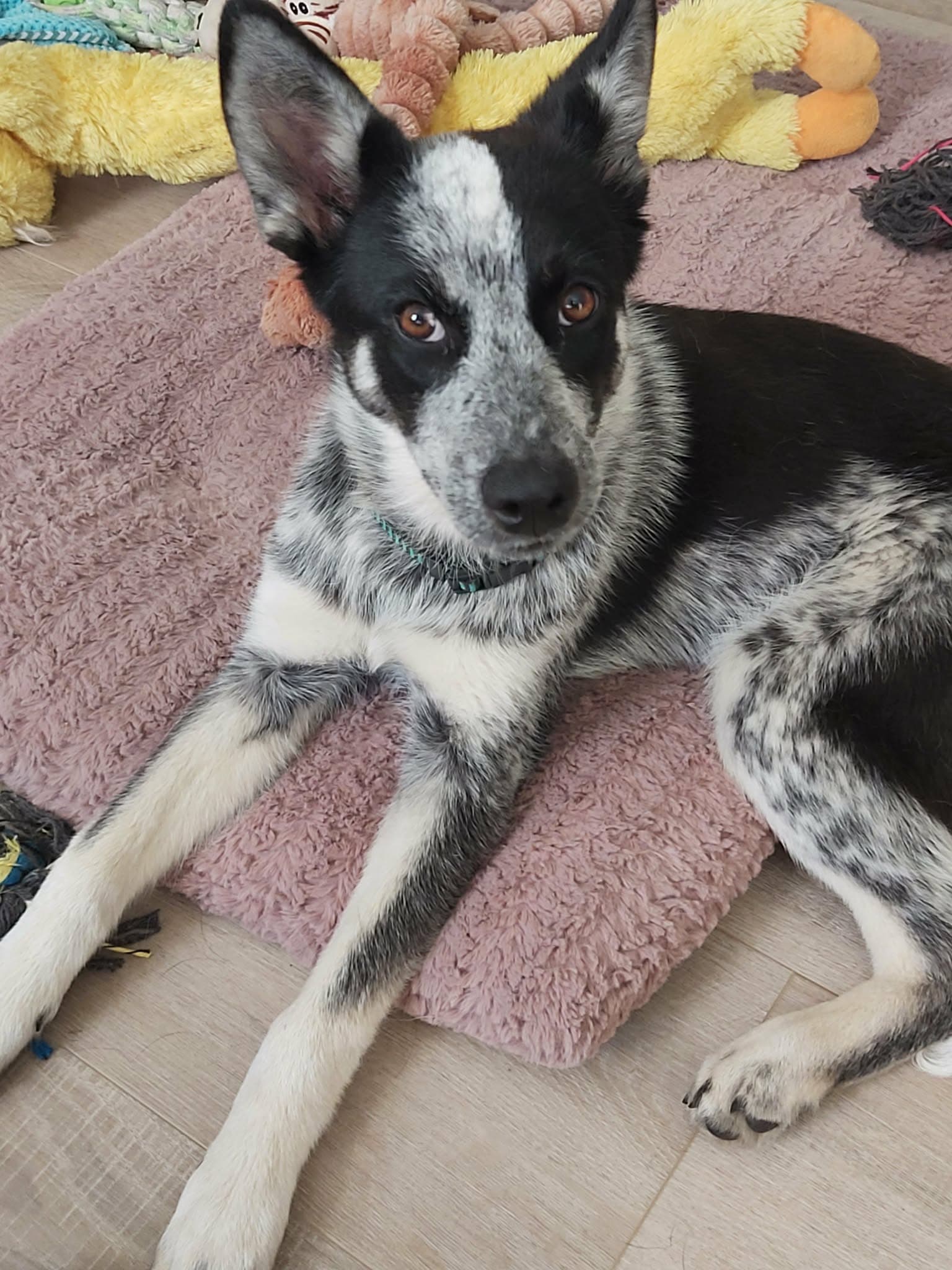
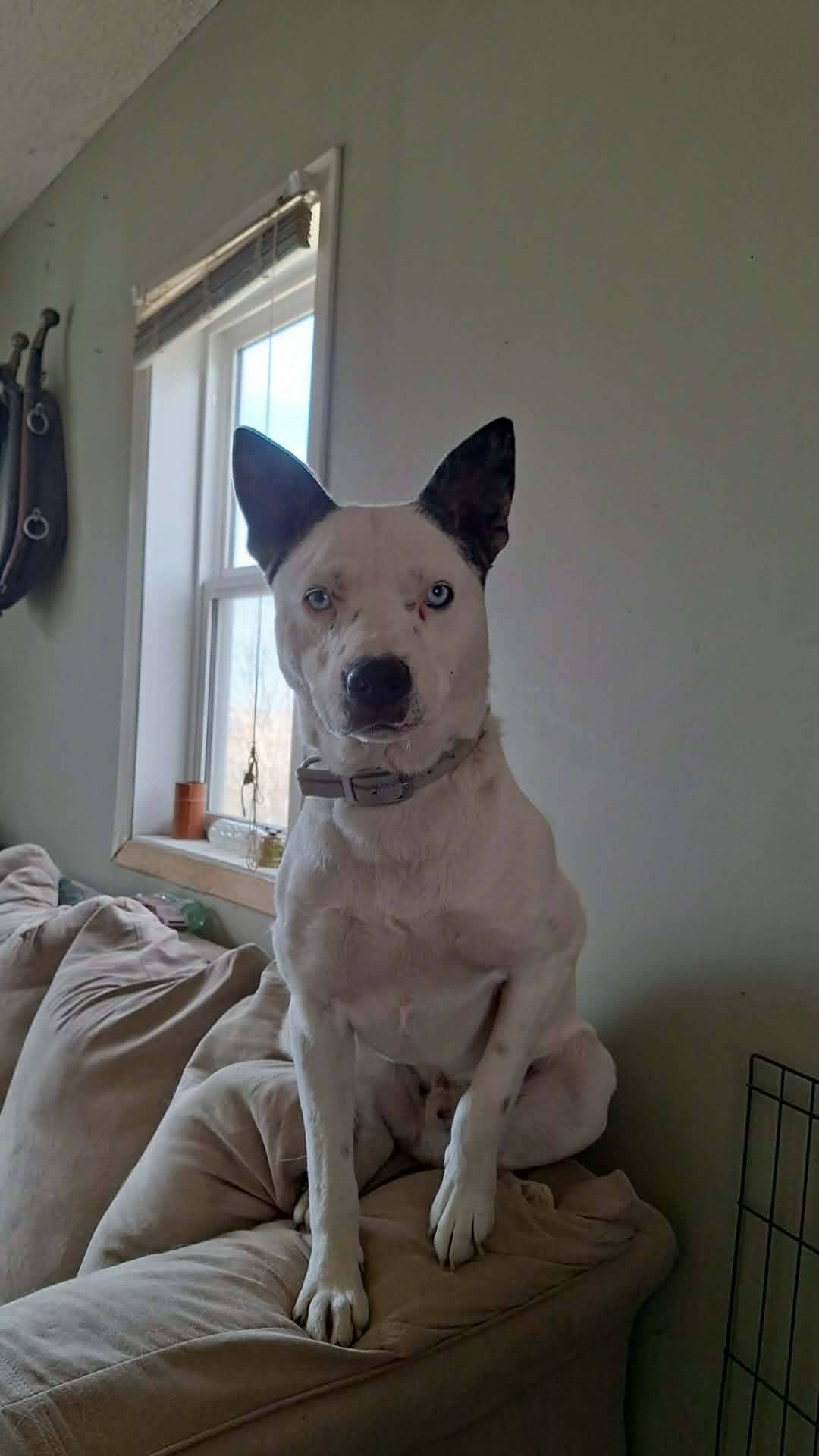
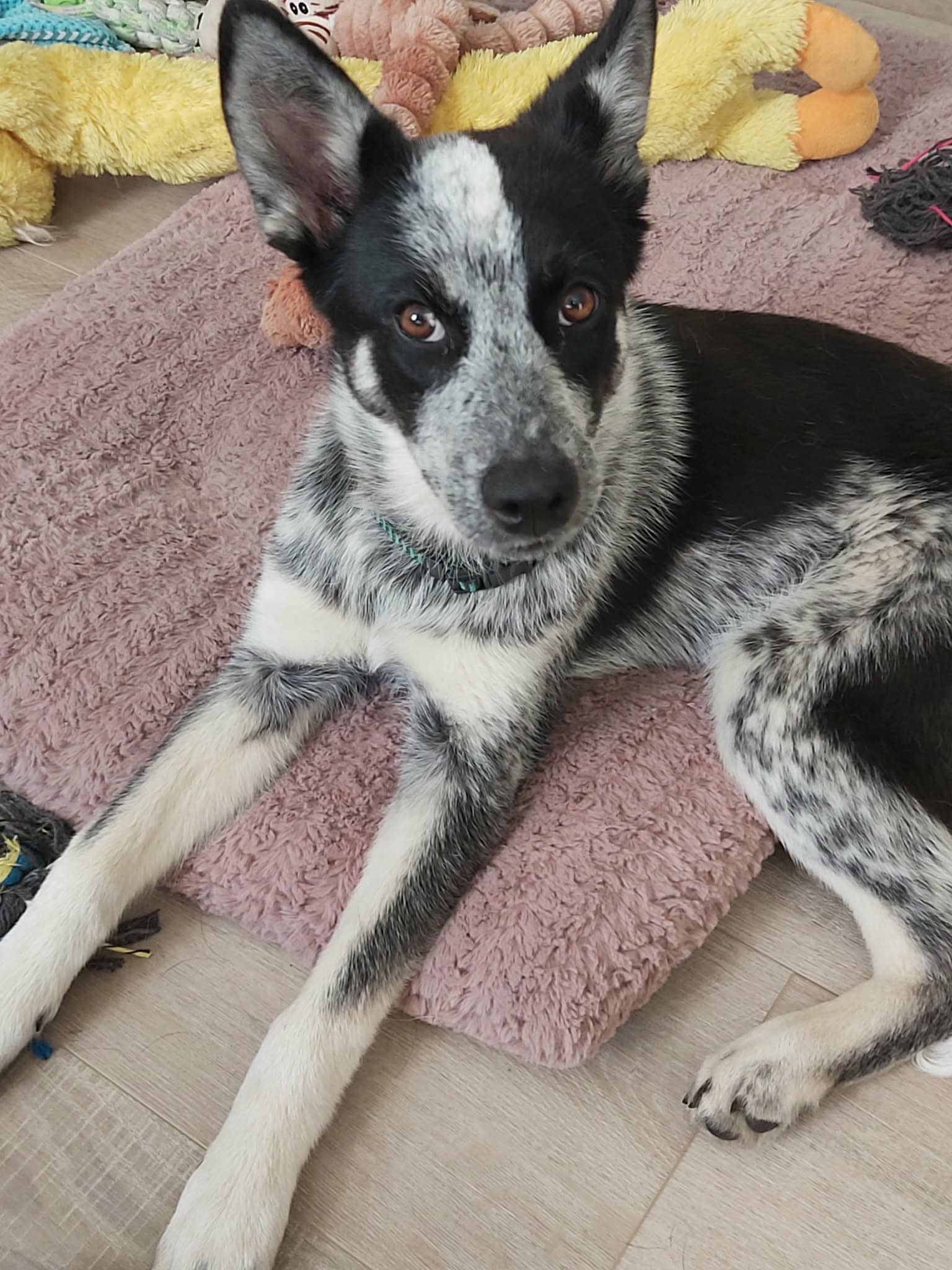
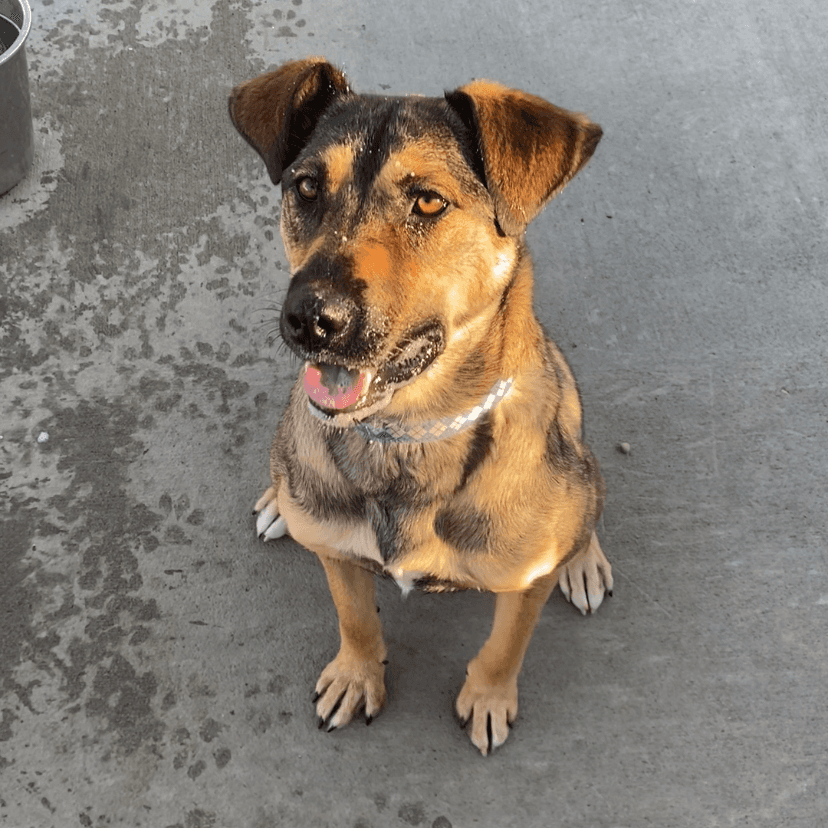
Showing 7 dogs

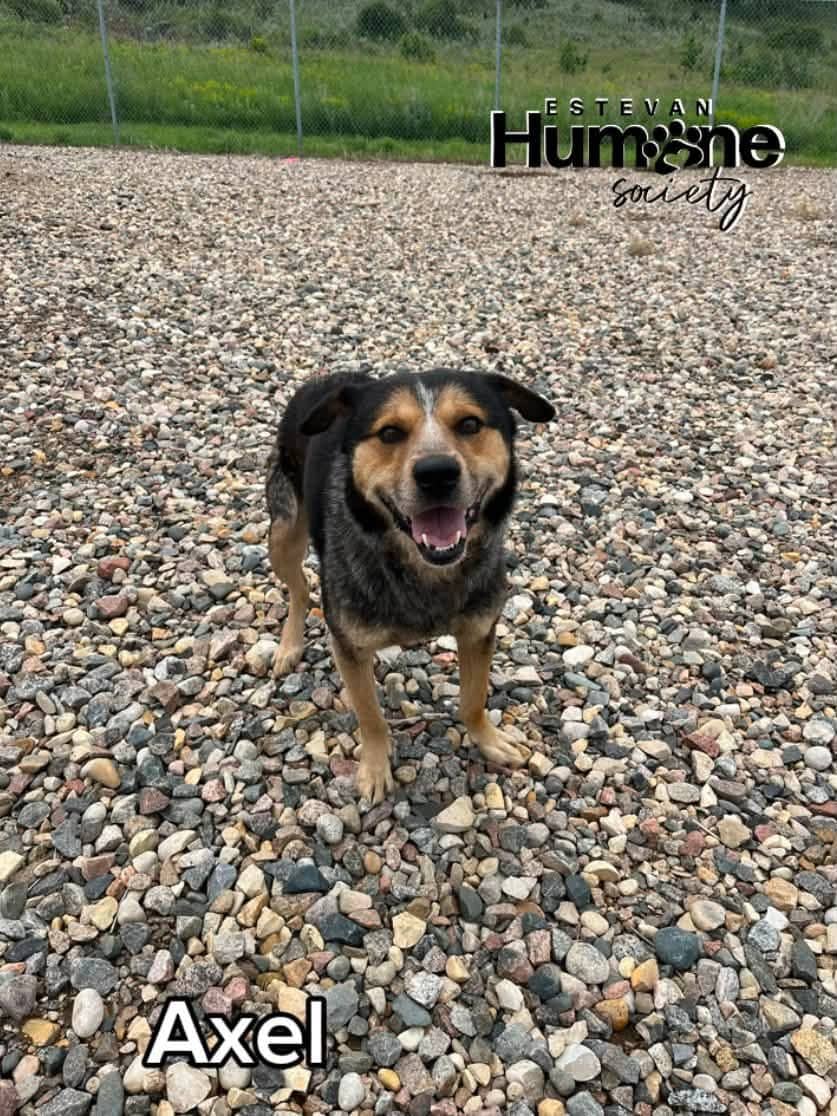
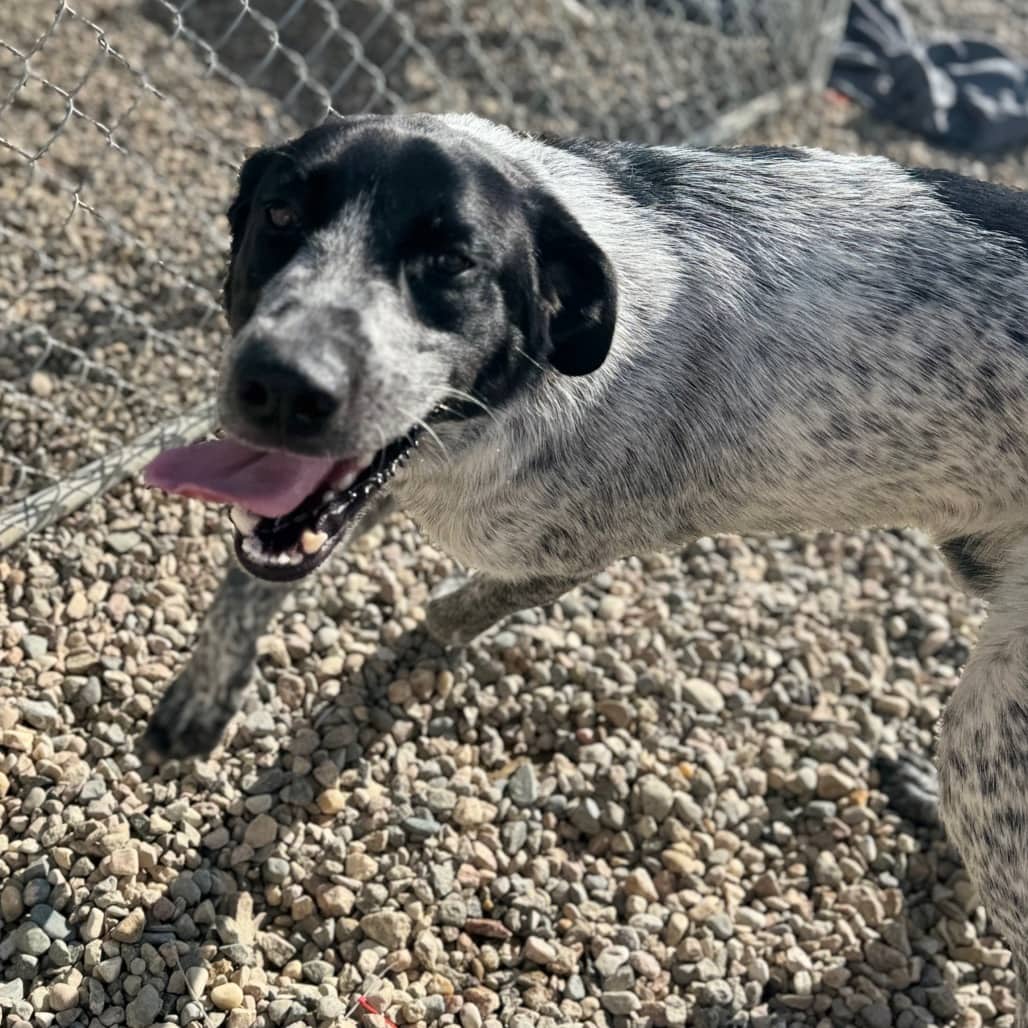
Get notified when an Australian Cattle Dog (Blue Heeler) is listed
We will email you the moment an Australian Cattle Dog (Blue Heeler) becomes available in Saskatchewan, from a rescue or an owner rehoming.
Adopting a Blue Heeler in Saskatchewan
Blue Heelers and Australian Cattle Dog crosses are common in Saskatchewan rescue, especially through the Prince Albert SPCA and rural intake. The breed is widely kept on SK ranches and farms as a working stock dog, and washouts (or surrendered farm dogs after ownership changes) reach shelter intake regularly. Pet-line Heelers also surrender from town households that did not anticipate the breed's drive.
This page pulls every adoptable Heeler or Heeler cross from the SK shelters we cover into one searchable place, refreshed regularly. Heelers are not casual dogs — match the right one to your life and the breed is extraordinary, mismatch and you will surrender within a year.
Drive level is high — even in pet-line dogs
Australian Cattle Dogs were bred to drive stubborn cattle across Australian outback distances. The breed retains intense drive, work ethic, and physical stamina even in 100% pet-line dogs. A Heeler that does not get serious daily exercise plus mental work develops obsessive or destructive behaviour within weeks. Most owners we see succeed with Heelers are people who incorporate the dog into something (agility, dog sport, farm work, daily off-leash adventures), not just walk it around the block.
The nip is breed-typical
Heelers nip moving things — kids running, bikes, joggers, other dogs. This is breed-typical herding behaviour and not aggression, but it surprises owners. Manageable with consistent redirection from puppyhood; harder to retrain in adult rescue dogs. Foster homes can tell you whether the specific dog has been around kids successfully or has shown nipping toward children.
Cold tolerance is excellent
The short double coat handles SK winter walks down to about minus 25°C without a coat. Below that, an insulated coat helps for longer walks. The breed's build and metabolism make it well-suited to prairie winters. Summer heat above 30°C is more of a concern — walk early morning or after dark in July and August.
Health concerns worth asking the foster about
Heelers are predisposed to hip and elbow dysplasia, progressive retinal atrophy, deafness (especially in dogs with significant white in the coat), and the MDR1 gene mutation in some lines (sensitivity to certain drugs including ivermectin). The rescue's intake vet check should flag major concerns. Lifespan averages 13 to 15 years — long for a medium working breed.
What Heelers are actually like to live with
The traits that make Heelers rewarding when matched well:
- Trainable to a high standard with positive methods.
- Bond intensely with one person. Separation anxiety is common.
- Reserved with strangers — should be polite, not friendly.
- High exercise needs (90+ minutes daily of mixed physical and mental work). Non-negotiable.
- Nip drive toward moving kids, bikes, joggers. Manageable with training; not eliminable.
Looking more broadly? Browse every adoptable dog across the province on Dog Adoption Saskatchewan.
The rescues that most often list Australian Cattle Dog (Blue Heeler)s across the province are Prince Albert SPCA, Saskatoon Dog Rescue, and Regina Humane Society. For breed-specific background, the Canadian Kennel Club is a useful reference.
Australian Cattle Dog (Blue Heeler) Adoption FAQ — Saskatchewan
Tap a question to expand
How many Australian Cattle Dog (Blue Heeler)s are available for adoption in Saskatchewan?▼
Where can I find Blue Heeler adoption near me in Saskatchewan?▼
Are Blue Heelers and Red Heelers different breeds?▼
Can a Blue Heeler live in a Saskatoon or Regina townhouse?▼
What does a Blue Heeler adoption fee include in SK?▼
Can I get an Australian Cattle Dog (Blue Heeler) free to a good home in Saskatchewan?▼
Are these Australian Cattle Dog (Blue Heeler)s for sale in Saskatchewan?▼
Where can I buy an Australian Cattle Dog (Blue Heeler) in Saskatchewan, and should I?▼
Are there free Australian Cattle Dog (Blue Heeler)s in Saskatchewan, or australian cattle dog (blue heeler)s under $500?▼
Are there Australian Cattle Dog (Blue Heeler) puppies in Saskatchewan, or only adults?▼
Where can I find an Australian Cattle Dog (Blue Heeler) near me in Saskatchewan?▼
Popular dog breeds in Saskatchewan
Australian Cattle Dog (Blue Heeler) adoption by city in Saskatchewan
Each city page lists only the australian cattle dog (blue heeler)s available from rescues serving that city, with local adoption details.
Need to rehome a Australian Cattle Dog (Blue Heeler)?
If you can no longer keep your Australian Cattle Dog (Blue Heeler), you can list them for free on LocalPetFinder. Your dog stays in your home until you find the right family, you screen who applies, and there is no surrender fee. Not sure yet? Our guide to surrendering a dog in Canada walks through every option first.
List your dog for free →