5 Terrier Mix puppies available in Saskatchewan
Under a year old, listed by rescues and shelters. Updated as shelters publish.
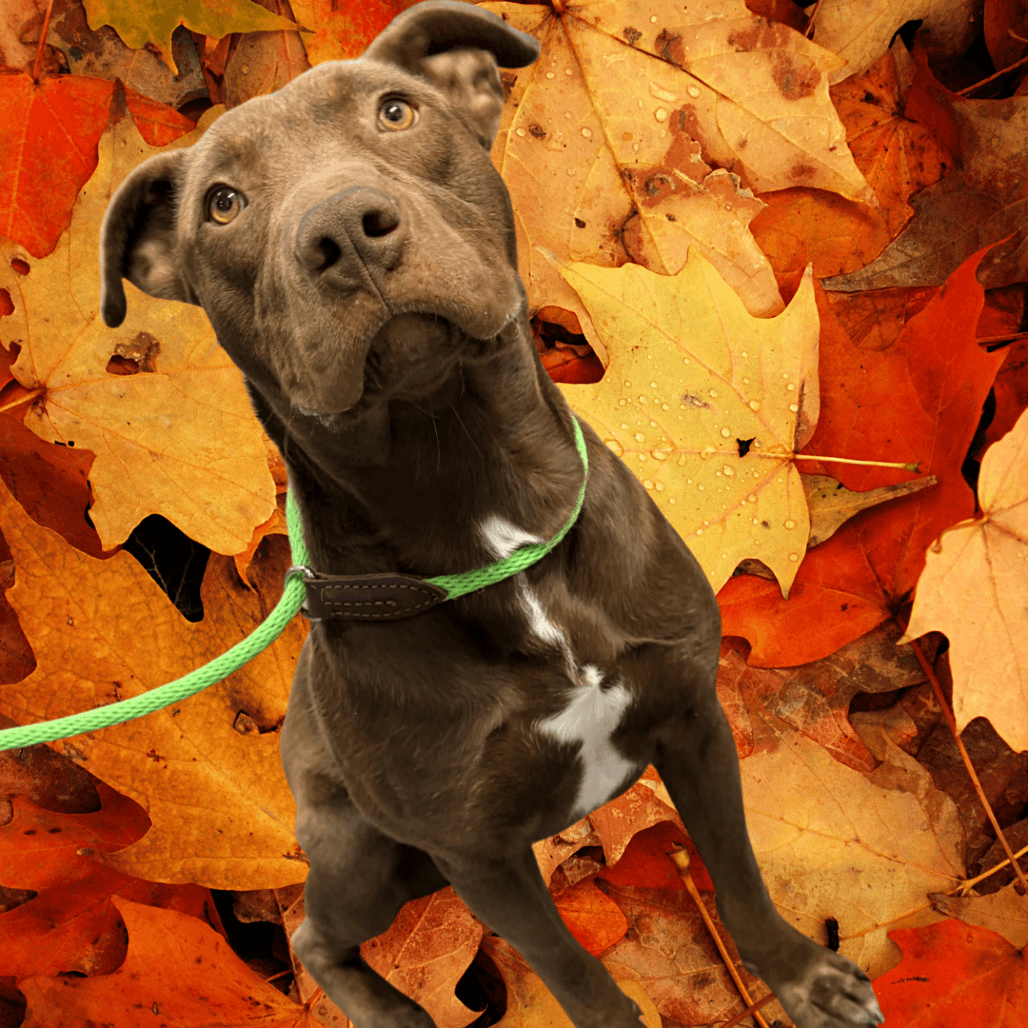
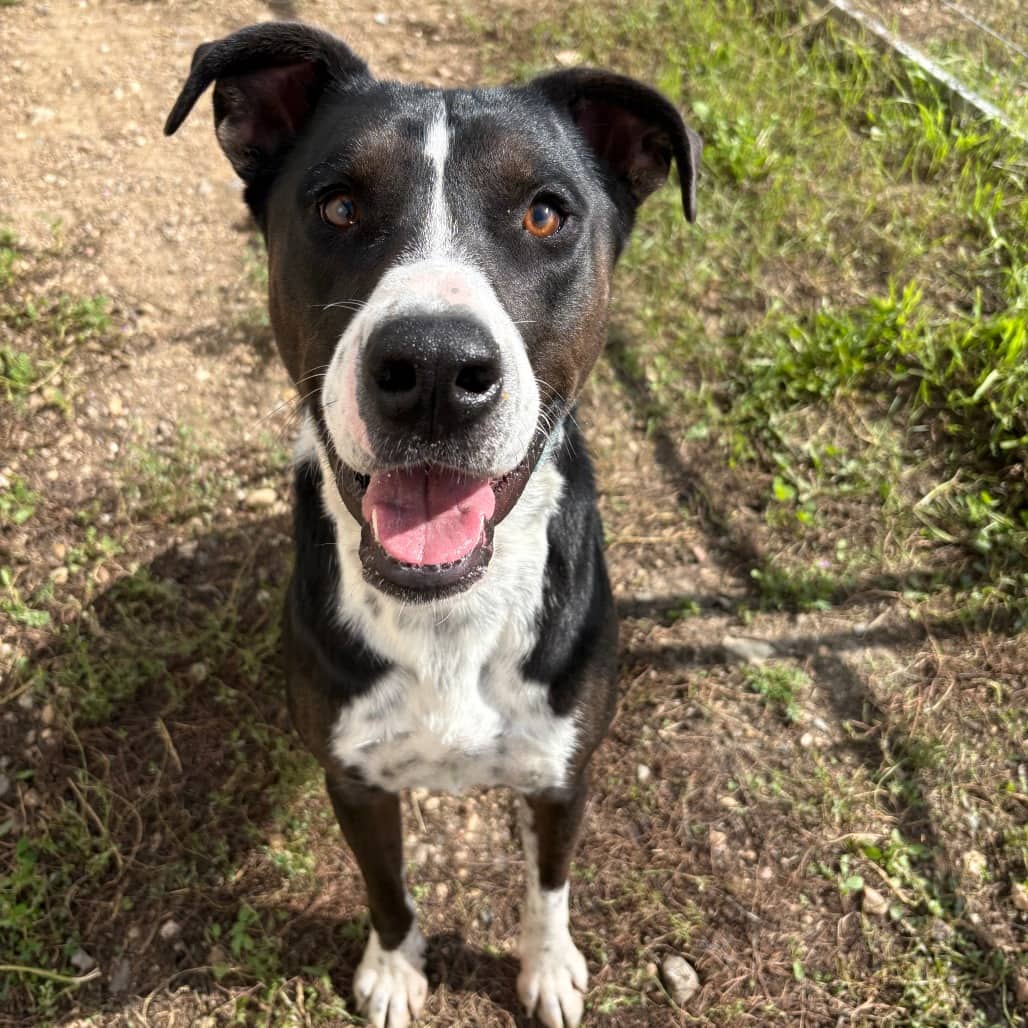
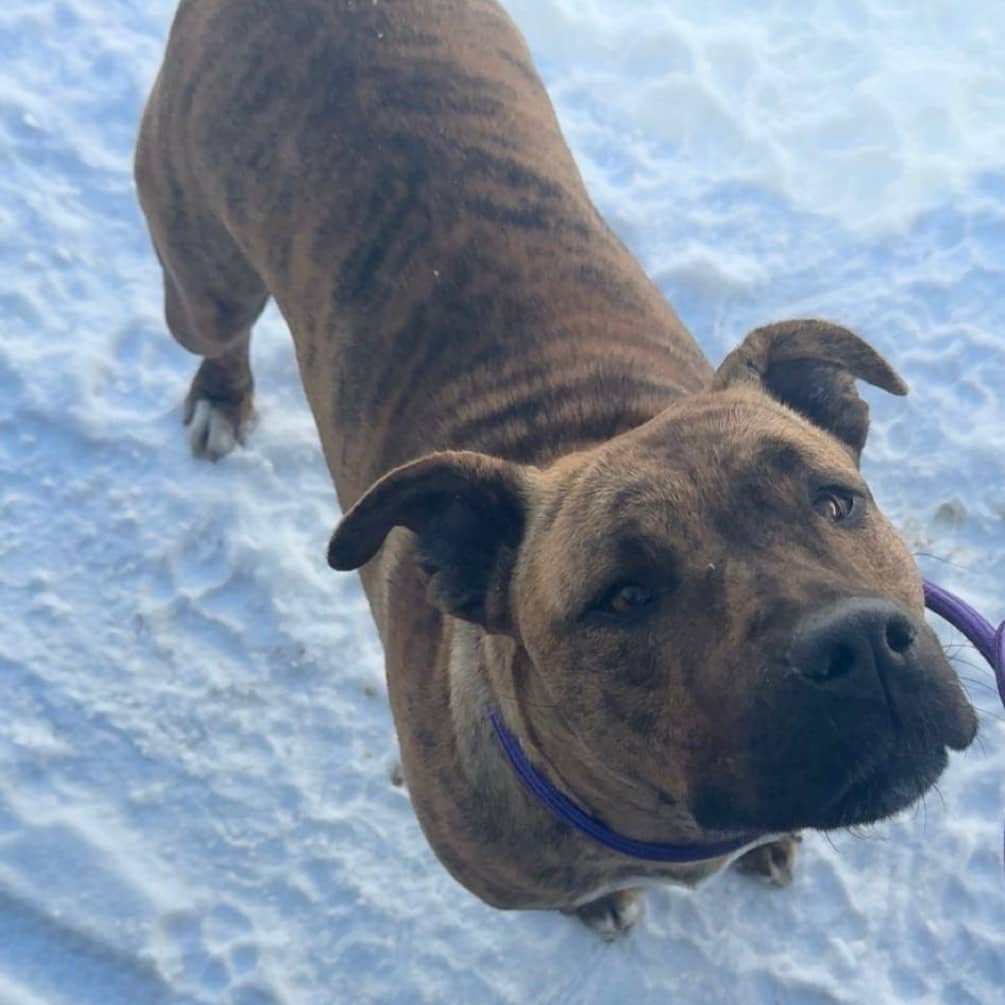
Dexter
11 months · regina
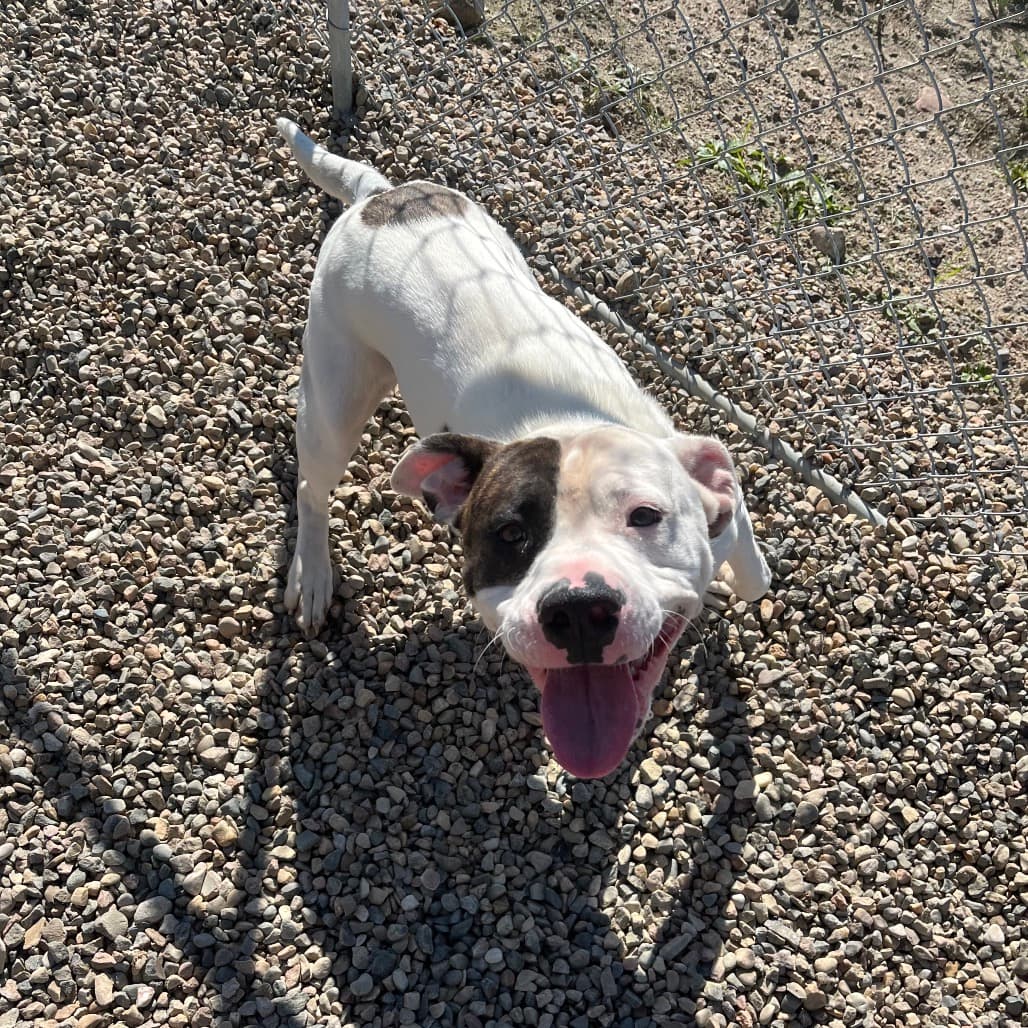
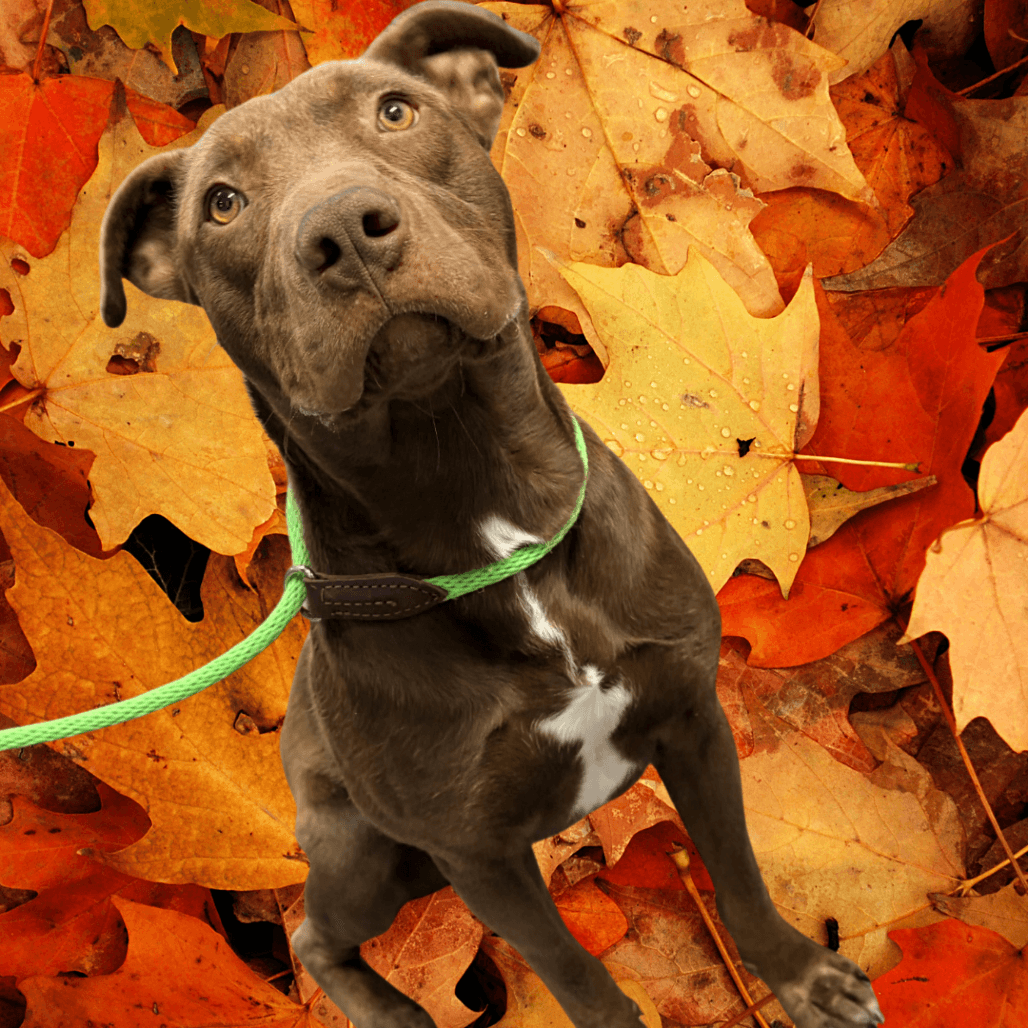
Diesel
10 months · moose-jaw
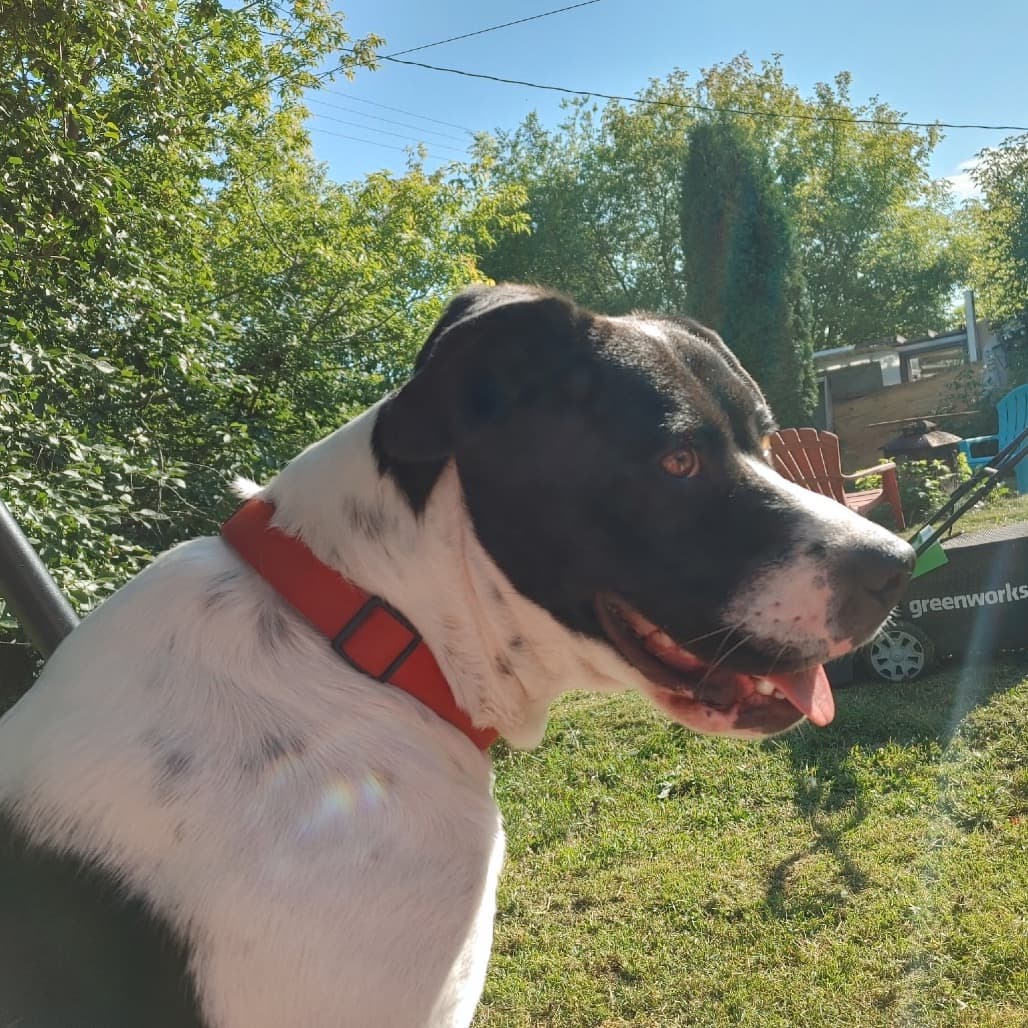
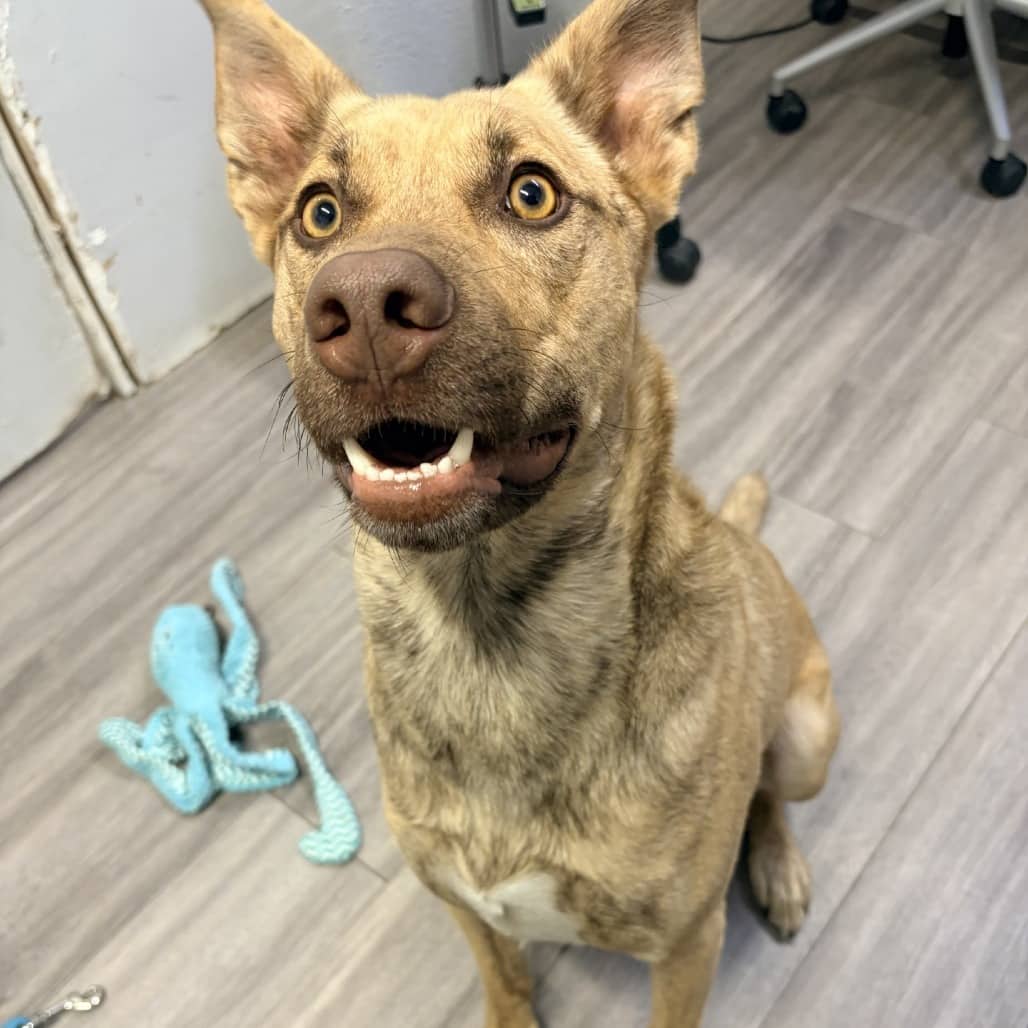
Chico
8 months · north-battleford
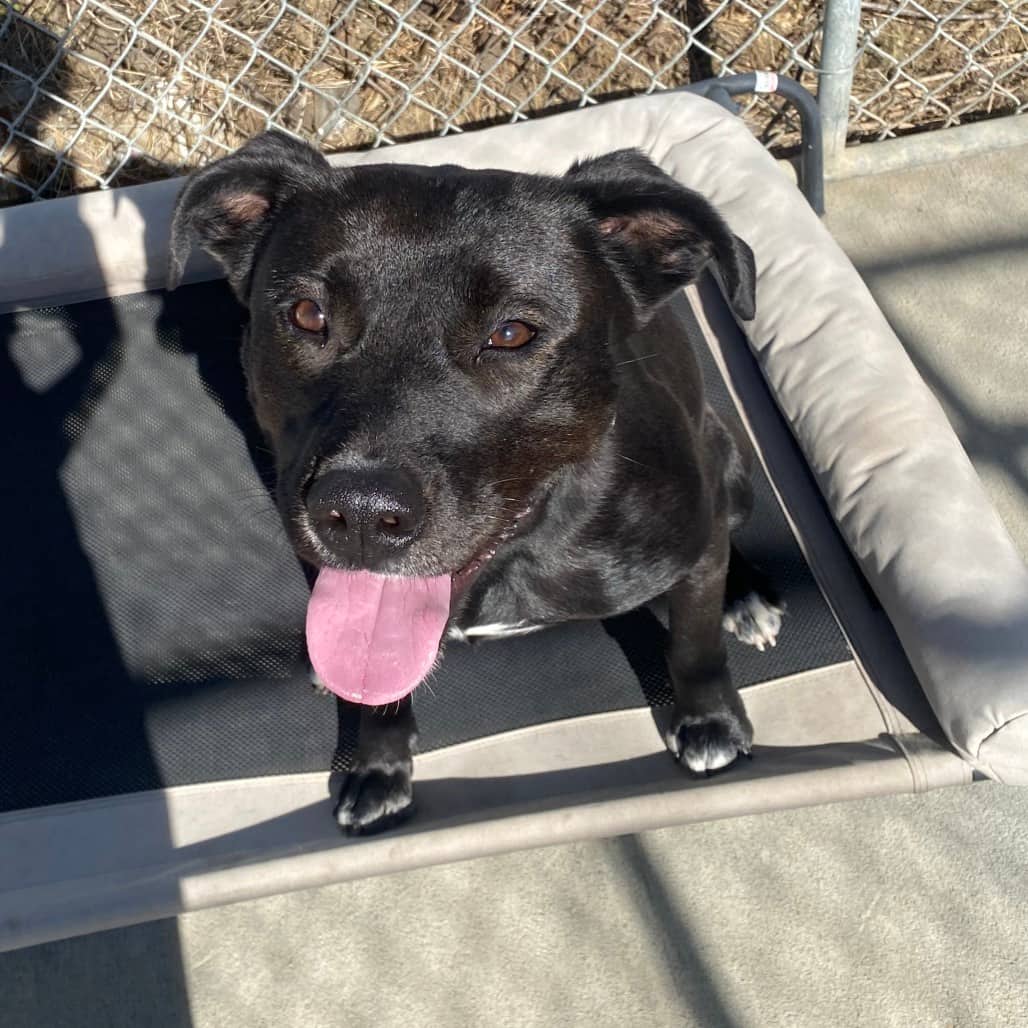
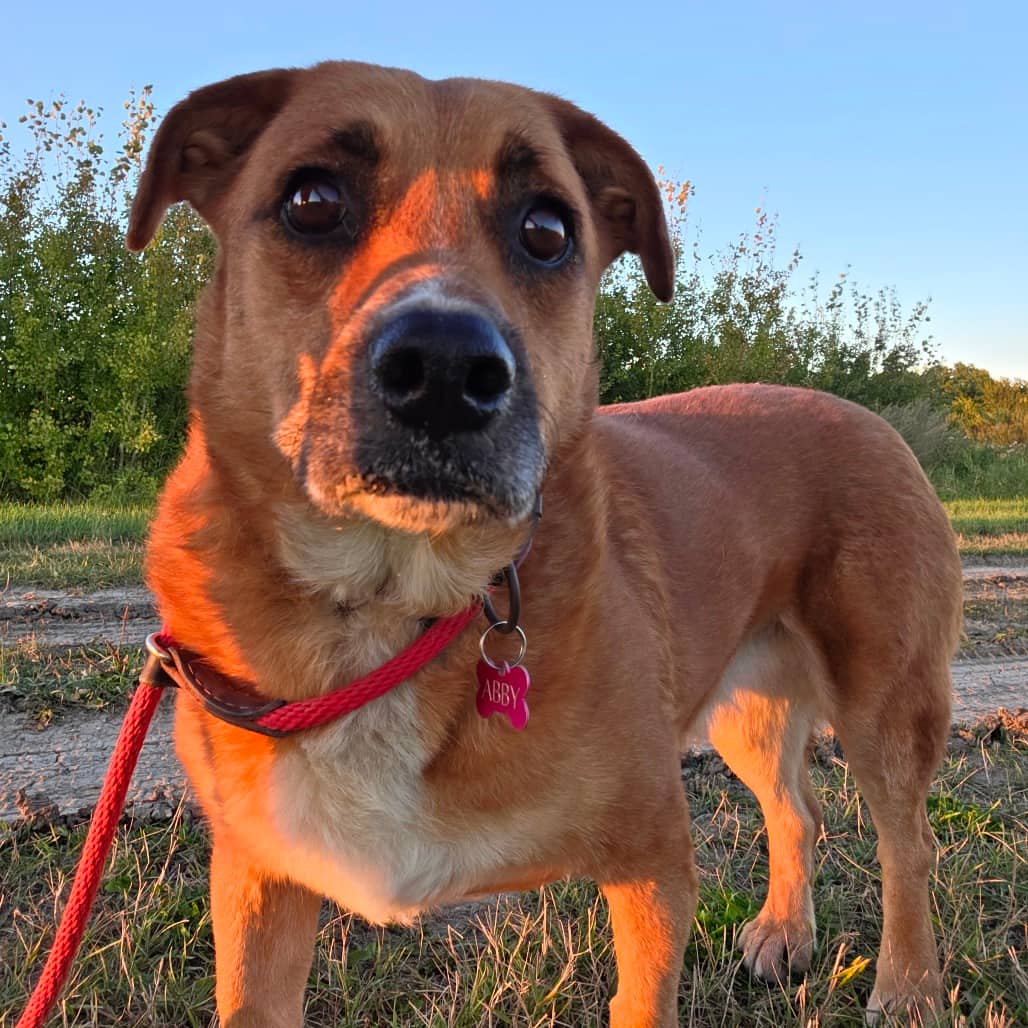
Moona
1 year · north-battleford
Showing 21 dogs
Get notified when a Terrier Mix is listed
We will email you the moment a Terrier Mix becomes available in Saskatchewan, from a rescue or an owner rehoming.
Adopting a Terrier Mix in Saskatchewan
Terrier Mix is a catch-all label more than a breed. It covers Jack Russell crosses, Staffy and pit-type crosses, Cairn, Rat, Fox and Border Terrier blends, and the endless small-to-medium prairie mutts that turn up in rescue with a wiry coat and far too much opinion for their size. Because the label hides so much, the smart move is to search the whole province and judge each dog on its own write-up rather than the word "terrier" on the card.
If you widen your search across Saskatoon, Regina, Prince Albert and Moose Jaw, you will see a lot more Terrier mixes than any single shelter holds at once. They are one of the most common types in Saskatchewan rescue. A two-hour drive across the prairie to meet the right dog is normal here, and most rescues will set up a meet at the foster home so you can see how the dog actually behaves in a living room, not a kennel.
Why Terrier mixes are common in SK rescue
Terriers and terrier crosses end up in rescue for predictable reasons. They are smart, busy, vocal little dogs that were bred to dig, chase and work, and a lot of people adopt one expecting a small lap dog and get a small dog with a working engine instead. When the digging, barking and prey drive show up, the dog gets surrendered.
Many also come south through the northern Saskatchewan and reserve-community transfer pipeline. Spay and neuter access is limited in a lot of northern communities, so accidental litters of small mixed dogs are common, and the Prince Albert SPCA handles a large share of that northern intake before transferring dogs south to Saskatoon and Regina rescues. A good number of the terrier-type mixes you will see started their lives up north.
Saskatchewan climate fit
Cold tolerance varies enormously across Terrier mixes, so this is exactly the kind of dog where you ask the foster about the individual coat. A wiry-coated, thicker Cairn or Border-type cross handles a Saskatchewan winter reasonably well. A short, slick-coated Jack Russell or Staffy cross does not, and a minus 30 January night in Saskatoon or Regina is genuinely dangerous for them. Dry prairie cold cuts straight through a thin coat. For those dogs, plan on a proper insulated coat and short, purposeful outdoor trips rather than long January walks.
Summers run hot and dry, often into the low-to-mid 30s, and the heavier or darker-coated mixes will overheat. Walk early morning or after dark in July and August and carry water. The bigger climate flag for terrier types is escape risk. On rural acreages and quarter-sections, a Terrier with prey drive treats flat field fencing as a suggestion. They dig under, climb, and bolt after a rabbit or gopher and do not look back. If you are rural, plan secure fencing and never trust a recall over a fresh scent.
Health questions to ask the foster
Because "Terrier Mix" spans so many body types, ask about the specific dog rather than the breed. Smaller terrier crosses can carry luxating patellas (slipping kneecaps) and dental crowding, so ask whether the foster has noticed any skipping gait or bad teeth. Some lines carry skin and allergy sensitivities. Staffy and pit-type crosses are generally robust but ask about any history of skin issues or food sensitivities.
For any mix, confirm the dog is up to date on vaccinations, has been dewormed, and is spayed or neutered before going home. If the dog came south through a northern transfer, ask whether it has been vet-checked since arriving.
What a Terrier mix is like to live with
No two are identical, but most Terrier mixes share a recognisable personality. They tend to be:
- Big personalities in a small-to-medium body, often funnier and bolder than their size suggests.
- Busy and energetic, happiest with a job, a walk, a game or a puzzle rather than long idle days.
- Prone to prey drive, so cats, rabbits and small pets can be a problem depending on the individual.
- Diggers and sometimes barkers, both classic terrier traits that need an outlet and some training.
- Smart and a little stubborn, which makes them quick to learn and quick to outsmart a lazy routine.
- Affectionate and loyal with their people once they trust you, often velcro little shadows at home.
What the adoption fee covers
A Saskatchewan rescue adoption fee generally covers spay or neuter, core vaccinations, a microchip, deworming and a vet check, which is a real saving against arranging all of that yourself for a young dog. Exact inclusions vary by rescue and by the dog, so confirm what is covered on the specific listing before you apply.
How to search and filter
Use the size, energy and good-with filters to narrow the field, since "Terrier Mix" alone tells you very little. Filter for good-with-cats or good-with-kids if that matters in your home, and read each dog's write-up for notes on prey drive, digging and recall. When you find one you like, the listing links straight to the rescue holding the dog. The application and decision are handled by that rescue, not by us.
Looking more broadly? Browse every adoptable dog across the province on Dog Adoption Saskatchewan.
The rescues that most often list Terrier Mixes across the province are Saskatoon SPCA, Saskatoon Dog Rescue, and Regina Humane Society. For breed-specific background, the Canadian Kennel Club is a useful reference.
Terrier Mix Adoption FAQ — Saskatchewan
Tap a question to expand
How many Terrier Mixes are available for adoption in Saskatchewan?▼
Where can I find Terrier Mix adoption near me in Saskatchewan?▼
Why are Terrier mixes so common in Saskatchewan rescue?▼
Can a Terrier mix handle a Saskatchewan winter?▼
Are Terrier mixes a problem on an acreage?▼
Are Terrier mixes good with cats and kids?▼
Is LocalPetFinder a shelter or does it charge fees?▼
How much does it cost to adopt a Terrier Mix in Saskatchewan?▼
Can I get a Terrier Mix free to a good home in Saskatchewan?▼
Are these Terrier Mixes for sale in Saskatchewan?▼
Where can I buy a Terrier Mix in Saskatchewan, and should I?▼
Are there free Terrier Mixes in Saskatchewan, or terrier mixes under $500?▼
Are there Terrier Mix puppies in Saskatchewan, or only adults?▼
Where can I find a Terrier Mix near me in Saskatchewan?▼
Popular dog breeds in Saskatchewan
Terrier Mix adoption by city in Saskatchewan
Each city page lists only the terrier mixes available from rescues serving that city, with local adoption details.
Need to rehome a Terrier Mix?
If you can no longer keep your Terrier Mix, you can list them for free on LocalPetFinder. Your dog stays in your home until you find the right family, you screen who applies, and there is no surrender fee. Not sure yet? Our guide to surrendering a dog in Canada walks through every option first.
List your dog for free →