Adopting a tabby cat in Alberta
Tabby cats are the most available cats in Alberta rescue, by a wide margin. Calgary Humane Society, Edmonton Humane Society, AARCS, and every rescue we work with has tabby cats and tabby kittens available, almost always several at a time, in every age and temperament. If you want a cat and you are open-minded, a tabby is one the rescue system can offer you today.
This page pulls every adoptable tabby cat from the launched Alberta shelters into one searchable place, refreshed regularly. Because tabbies are so common, you can afford to be selective: wait for the right age, the right temperament, and the right fit rather than the first cat available. Most rescues will arrange a meet at the foster home regardless of where you live.
Why tabby cats are everywhere in Alberta rescue
Tabbies fill rescue kennels because the tabby pattern is simply the most common coat pattern in the cat population. Most domestic cats carry it, so most cats that enter rescue, through owner surrenders, moves, household allergies, unplanned litters, and strays, are tabbies of one kind or another. This is the great advantage of looking for a tabby. You are not waiting for a rare cat. You are choosing from the widest possible pool, which means you can match on the things that actually matter: age, temperament, energy level, and how the cat does with children or other pets.
Tabby is a pattern, not a breed
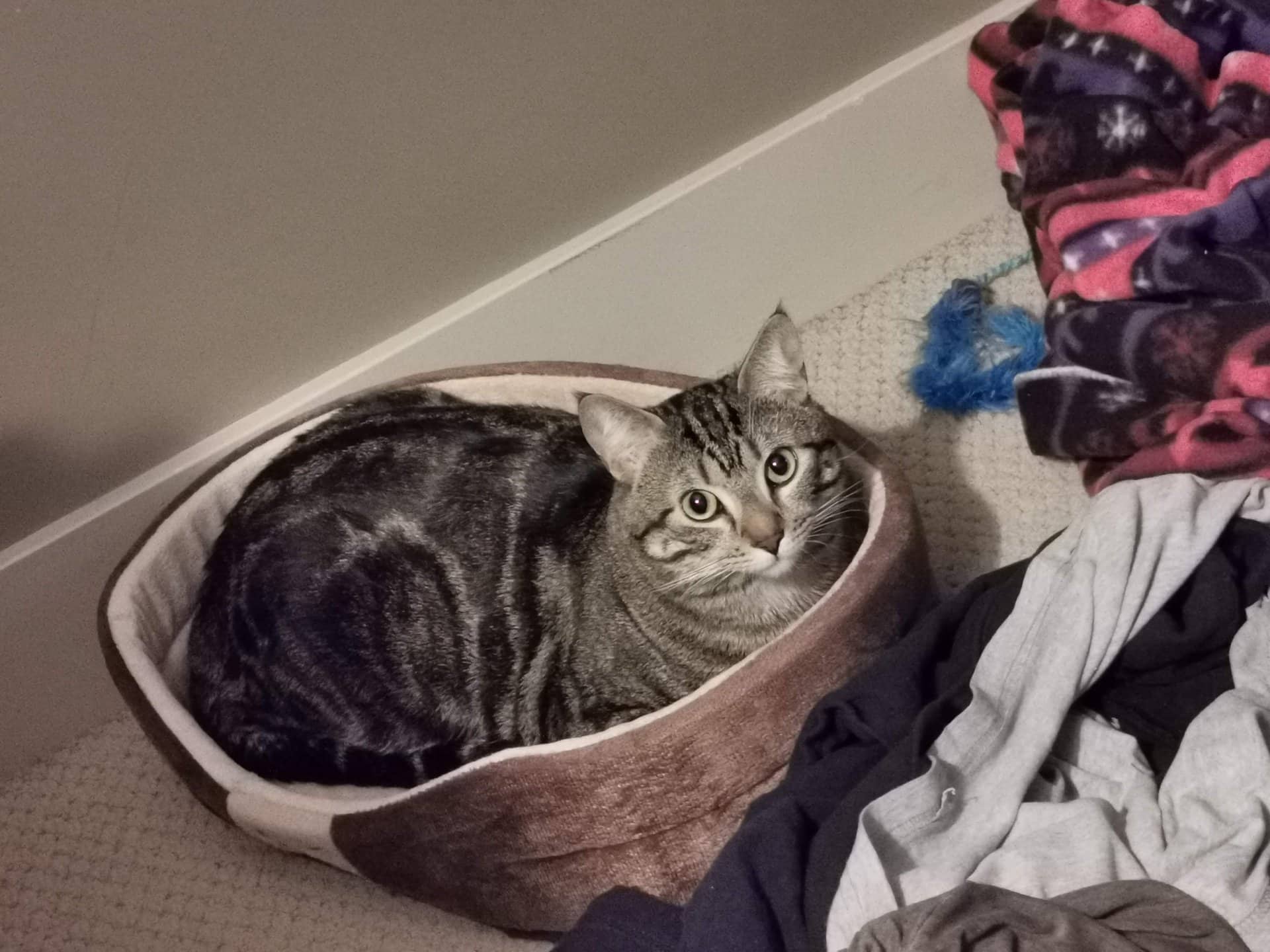
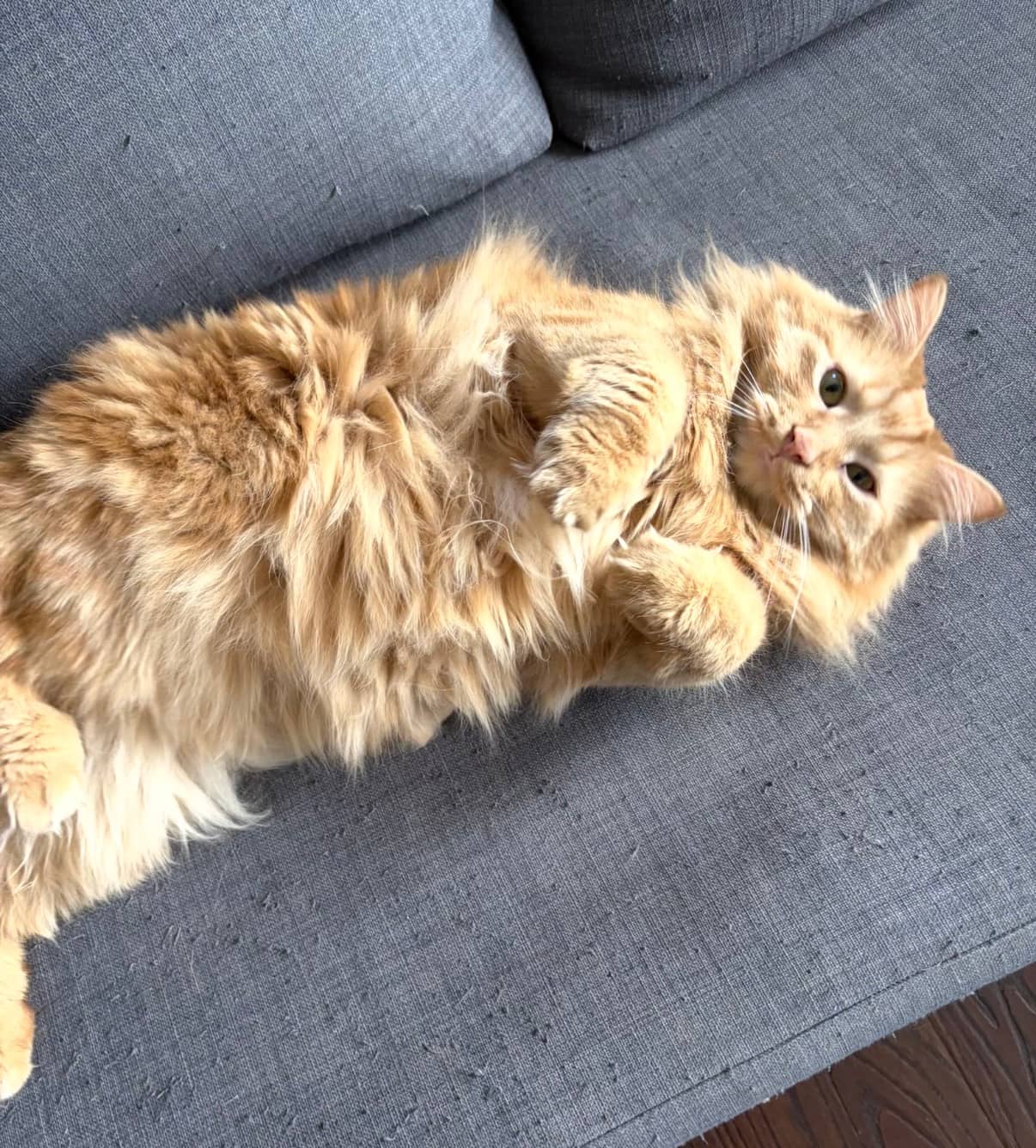
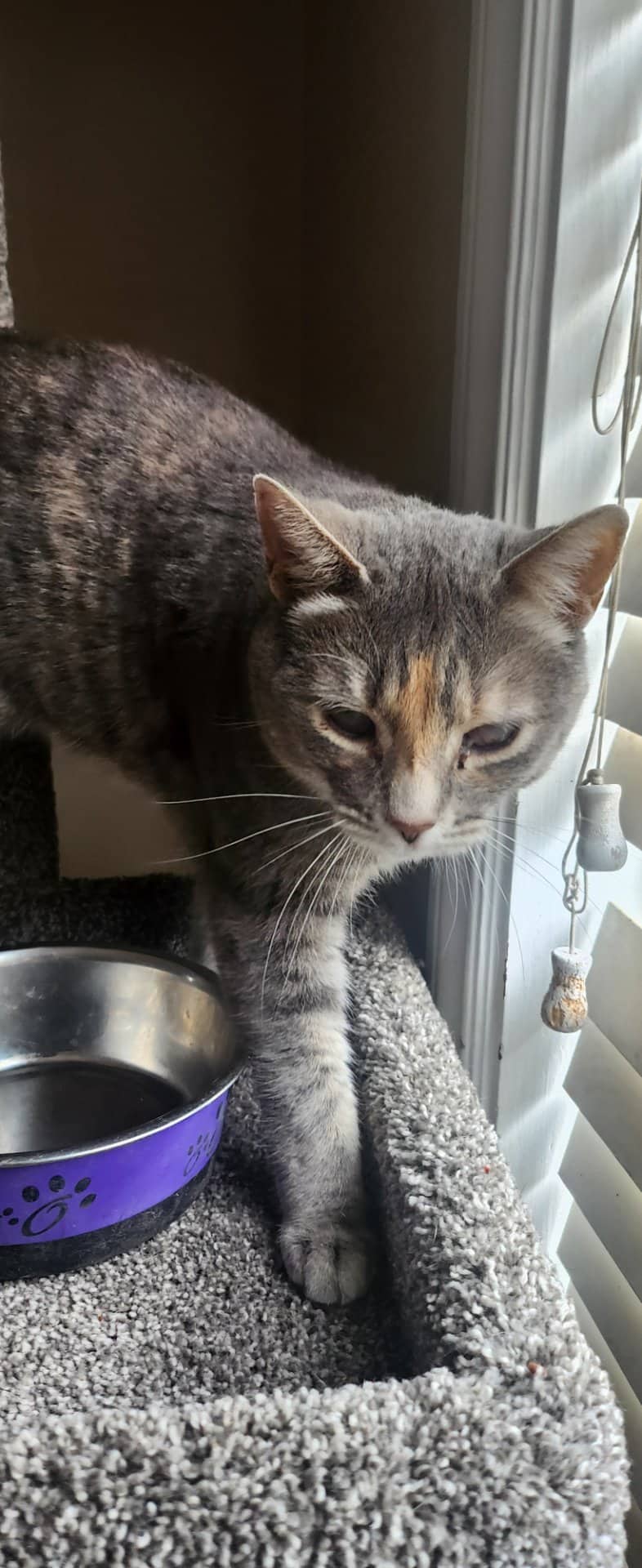
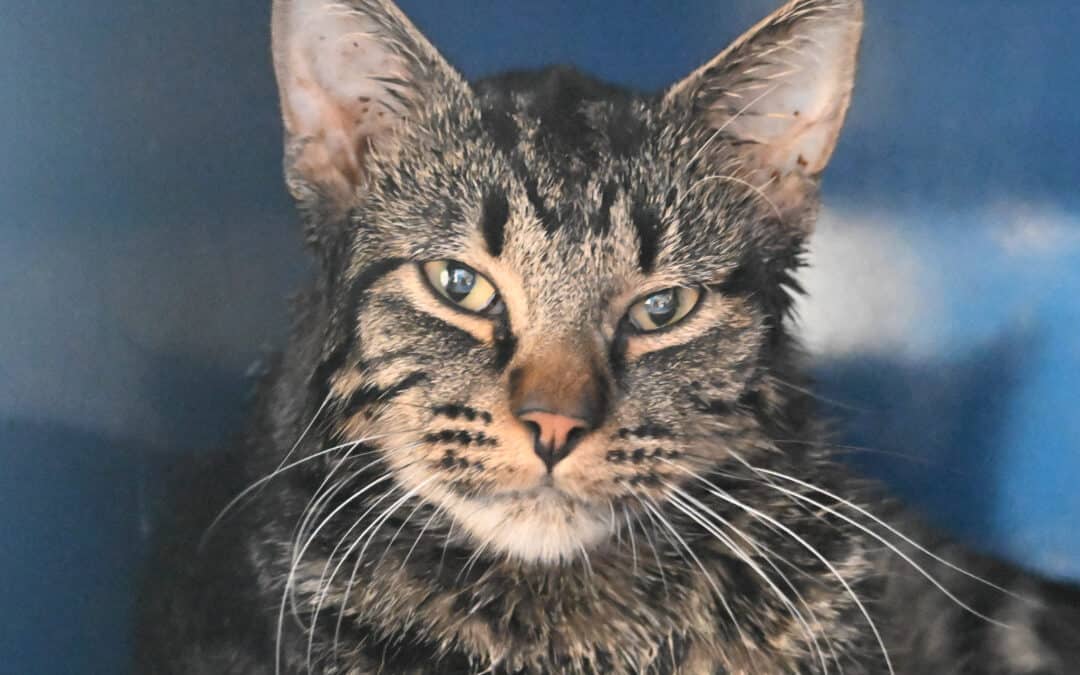
The single most useful thing to understand is that tabby is not a breed at all. It is a coat pattern, and a famous one: the distinctive marking includes stripes, swirls, or spots, and almost every tabby carries the telltale M shape on the forehead. The pattern comes in several forms, including the mackerel tabby with narrow vertical stripes, the classic tabby with bold swirls, the spotted tabby, and the ticked tabby with a more agouti, salt-and-pepper look. Orange tabbies, brown tabbies, grey tabbies, and silver tabbies are all the same pattern in different colours.
Because tabby is a pattern, it appears across countless breeds and, far more often, across the everyday domestic shorthair and domestic longhair cats that make up most of the rescue population. That means a tabby can have any temperament, any energy level, and any personality. There is no such thing as a typical tabby beyond the coat. For an adopter, this is freeing. Forget the pattern as a guide to behaviour and judge the individual cat: read the foster's temperament notes, meet the cat, and choose the one whose personality fits your home. The M on the forehead tells you nothing about whether a cat is a lap cat or a livewire.
Health concerns worth asking the foster about
Because tabby is a coat pattern rather than a breed, there are no pattern-specific health concerns. A tabby cat's health depends entirely on the individual cat, its age, and its background, not on its markings. The things to ask about are the ones common to any cat: dental disease, which most cats develop without dental care, weight, and whether the cat has any known medical history. A foster who has lived with the cat for weeks is the best source on all of it. Ask directly, and read the listing for any special-care notes.
What tabby cats are actually like to live with
There is no single tabby temperament, because tabby is only a coat pattern. What is true is that the tabby pool is the largest in rescue, so whatever you are looking for is in it. The things to plan for:
- Every temperament is available. Lap cats, livewires, shy cats, bold cats. Choose the personality, not the pattern.
- Every age is available. Tabby kittens, adults, and seniors all come through rescue regularly.
- Judge the individual. The foster's temperament notes matter far more than the coat.
- Mostly domestic shorthairs and longhairs. Coat care is usually minimal for shorthairs, a little more for longhairs.
- Generally hardy. Most tabbies are everyday domestic cats with no breed-specific health concerns.
- A huge pool to match from. Being selective on temperament and fit costs you nothing with this pattern.
- Indoor-only. Like all rescue cats in Alberta, a tabby cat should live indoors, where it is safe and content.
What the fee usually covers
Tabby cat adoption fees at Alberta rescues sit in the same range as other rescue cats in the province. The fee covers the medical work the rescue already paid for: spay or neuter, core vaccinations, microchip, deworming, and a vet check before placement. Confirm the exact number on the cat's own listing, because it varies with age and any special medical care.
How to actually search
Use the filters above to narrow by age, energy level, compatibility, and shelter. Because tabbies are the one cat the rescue system always has in numbers, use that to your advantage: filter hard for the age and temperament you want, and wait for the cat that genuinely fits your home. If a good match appears, apply the same day.
Prefer a city-specific view? Browse our Calgary Tabby page, or the cat listings in Edmonton, Red Deer, and Grande Prairie. The broader hub is Cat Adoption Alberta.
The rescues that most often list Tabbies across the province are Calgary Humane Society, AARCS, and Edmonton Humane Society.
Tabby Adoption FAQ — Alberta
Tap a question to expand
How many Tabbies are available for adoption in Alberta?▼
Where can I find tabby cat adoption near me in Alberta?▼
Is a tabby cat a breed?▼
Do tabby cats have a particular temperament?▼
Why are there so many tabby cats in rescue?▼
Are tabby cats healthy?▼
How much does it cost to adopt a tabby cat in Alberta?▼
Is LocalPetFinder a tabby cat rescue?▼
Tabby adoption by Alberta city
Alberta rescues transport between cities and several operate province-wide, so it is worth checking Tabbies elsewhere in the province before you give up on a match.