Showing 4 dogs
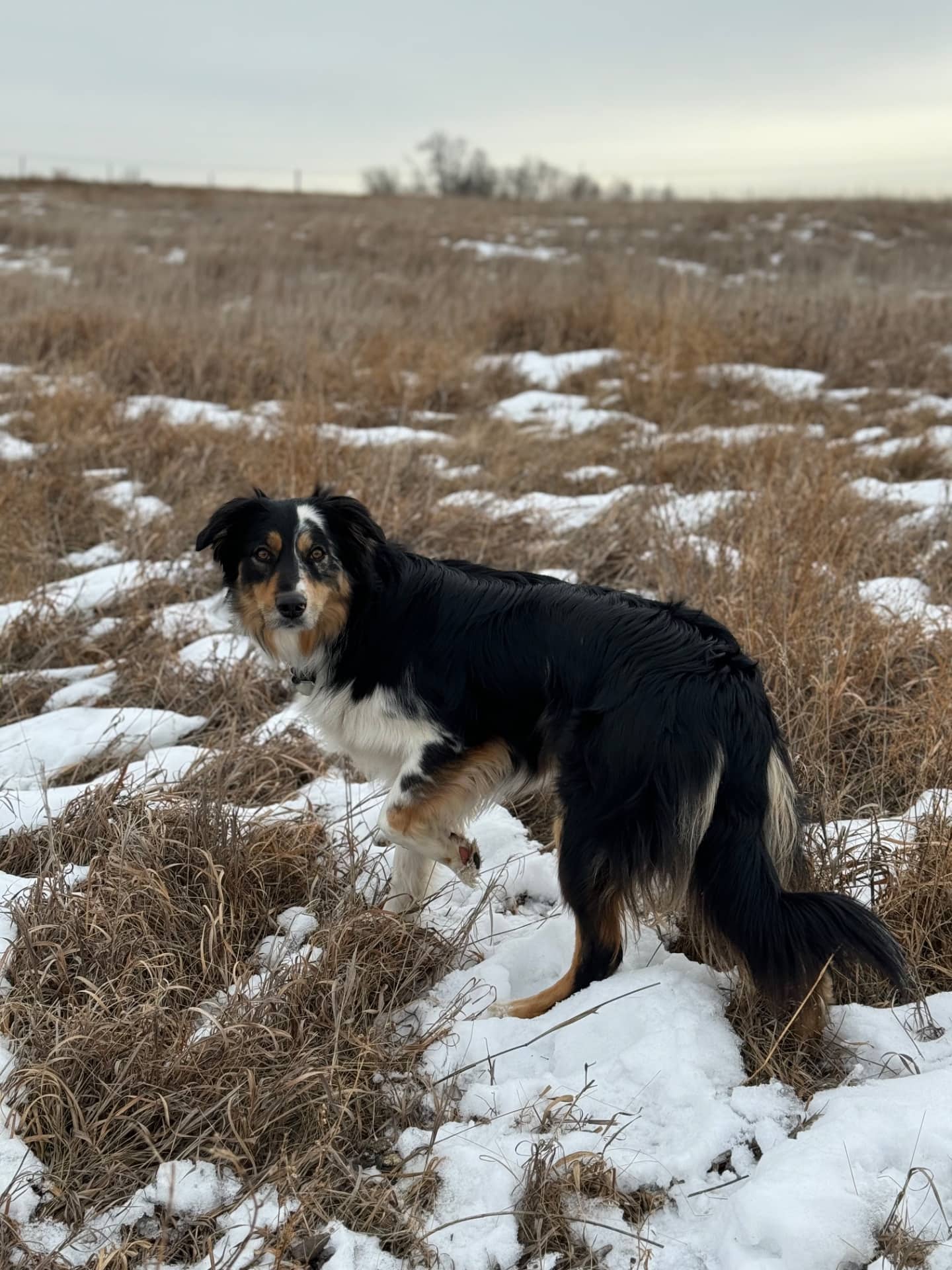
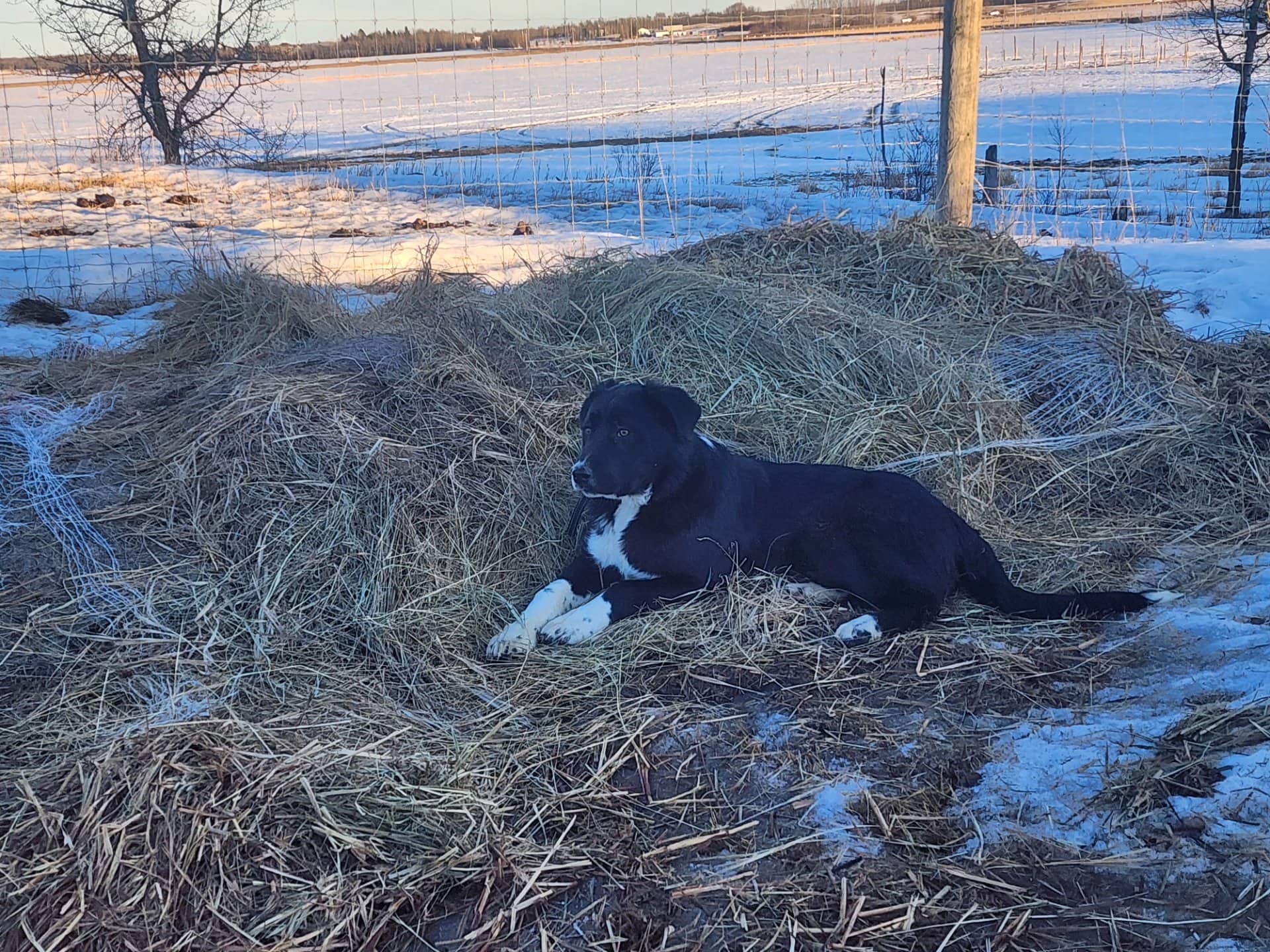
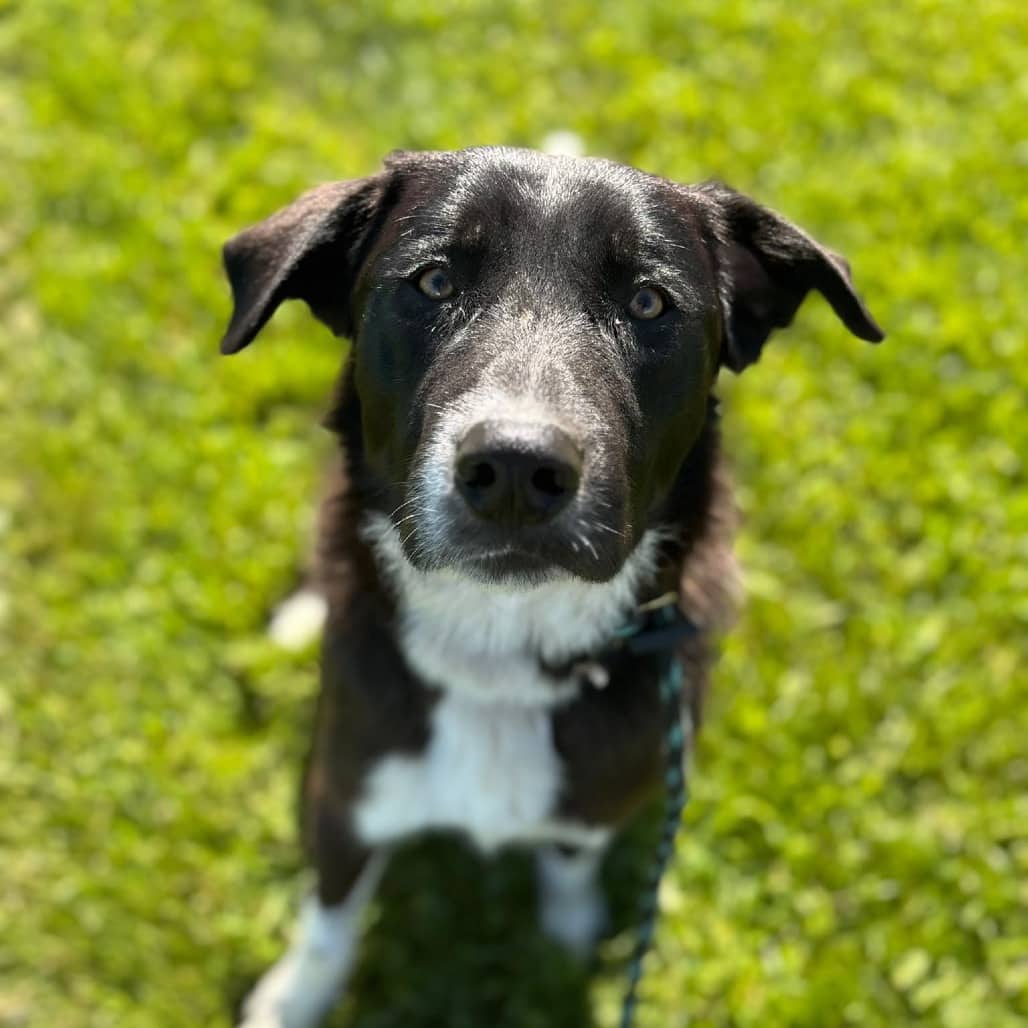
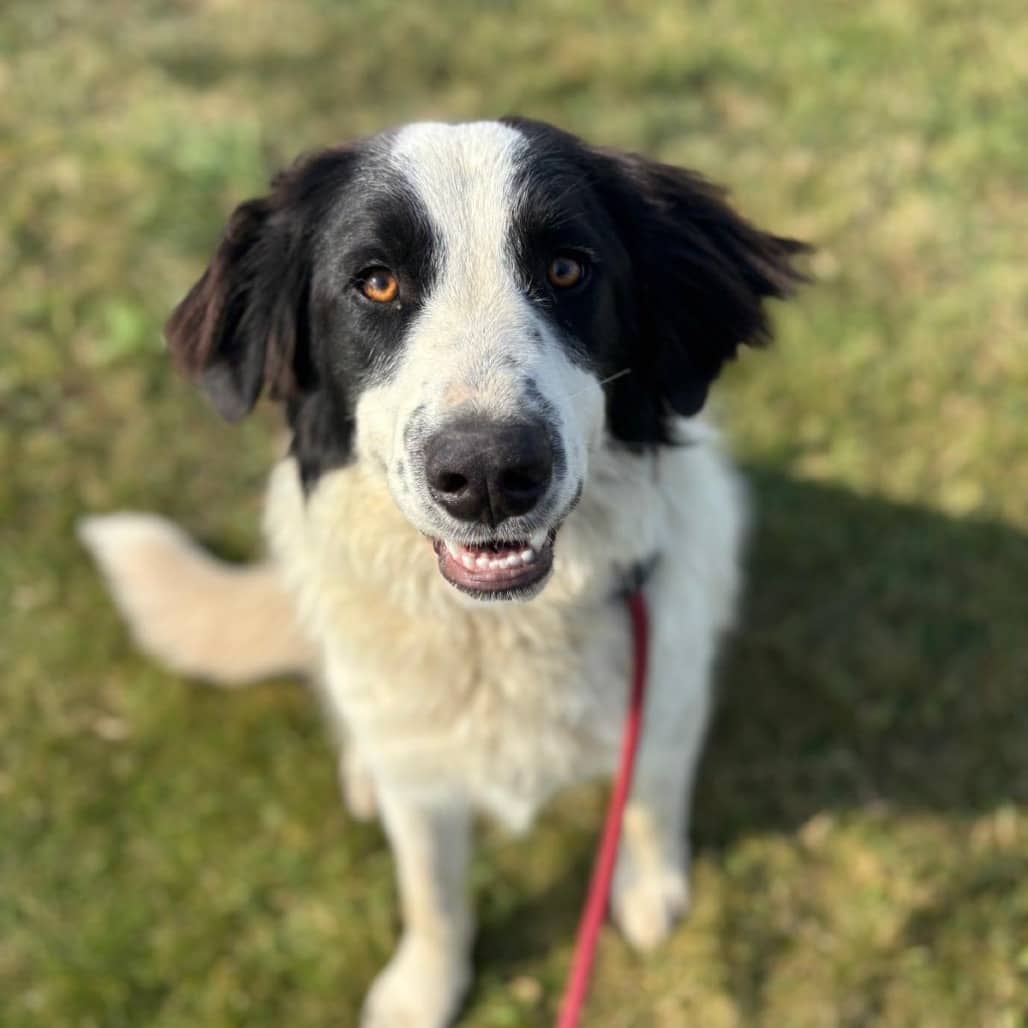
Get notified when a Great Pyrenees is listed
We will email you the moment a Great Pyrenees becomes available in Edmonton, from a rescue or an owner rehoming.
About Great Pyreneess in Edmonton
The Great Pyrenees is a French livestock guardian breed — an LGD developed over centuries in the Pyrenean mountains to live with sheep and protect them from wolves and bears, working independently with little human direction. They are large (85–120 pounds typical, with males sometimes reaching 160), and the weatherproof double coat with its dense undercoat handles Edmonton’s deep winter as well as any breed in rescue. A Pyr in fresh snow is a happy dog.
They are also one of the most commonly surrendered LGD breeds in Alberta, and the reason is almost always a mismatch with town or city life rather than the dog itself. A Pyr was bred to bark — patrolling and barking at coyotes, wolves, and anything moving at night is the job, and the breed temperament is to do it on instinct. In a detached home in central Edmonton, that nocturnal barking generates noise complaints within weeks. The right home for a rescue Pyrenees is almost always acreage: Sherwood Park, Spruce Grove and Stony Plain outskirts, St. Albert rural, Beaumont, or Devon, where the nearest neighbour is a quarter-section away and the dog has real space to patrol.
They are independent thinkers, not biddable in the way a Lab or Golden is — a Pyrenees was bred to make its own decisions about a threat without consulting the shepherd, so traditional obedience training has limits. They are devoted to their family in a calm, watchful way rather than a demonstrative one, and they are typically gentle with children and other livestock. Edmonton rescues like SCARS pull Pyrenees and Pyr crosses from rural Alberta communities regularly, often when a family on a farm could not manage the size, the cost, or the wandering tendency. The Edmonton Humane Society and Zoe’s Animal Rescue also list them periodically.
A few practical realities. The white coat sheds heavily year-round and blows twice a year; expect daily brushing plus serious vacuuming. They drool moderately and have a low pain tolerance for stairs as they age — joint disease is common in giant breeds, and a Pyr lifespan is 10–12 years on average. They also dig and roam if under-stimulated or if the perimeter is not secure, so acreage fencing or a real off-leash patrol territory is part of the setup. For the right rural Edmonton home, a rescue Pyrenees is a steady, ancient working partner. For an apartment or attached condo, the breed is a mismatch every time.
Great Pyrenees adoption & care guides
Great Pyrenees Adoption Edmonton: Rescues, Costs
Adopt a Great Pyrenees or Pyr mix in Edmonton. Ranch surrender pattern, $400 to $700 fees, retired LGD path, acreage fit, barking reality, and Pyredoodle wave.
Edmonton Dog LifeGreat Pyrenees LGD Instinct Edmonton: A Real Manual
How to manage Great Pyrenees livestock guardian instinct in Edmonton: perimeter patrol, alarm-bark, nocturnal work, independent decision-making, escape risk, and slow maturity. Force-free LGD methodology.
Edmonton Dog LifeGreat Pyrenees Barking & Noise Edmonton: A Real Guide
How to manage Great Pyrenees barking in Edmonton: alarm-bark management, nocturnal barking, Bylaw 21244 noise provisions, neighbour relationships, force-free quiet-cue training, and why bark collars are the wrong answer.
Great Pyrenees Adoption FAQ — Edmonton
Tap a question to expand
How many Great Pyrenees are available for adoption in Edmonton?▼
Are Great Pyrenees good for Edmonton winters?▼
Where can I adopt a Great Pyrenees in Edmonton?▼
Is a Great Pyrenees a good city dog in Edmonton?▼
How much does it cost to adopt a Great Pyrenees in Edmonton?▼
What are the main Great Pyrenees health concerns?▼
Are these Great Pyrenees for sale in Edmonton?▼
Where can I buy a Great Pyrenees in Edmonton, and should I?▼
Are there free Great Pyrenees in Edmonton, or great pyrenees under $500?▼
Are there Great Pyrenees puppies in Edmonton, or only adults?▼
Where can I find a Great Pyrenees near me in Edmonton?▼
Need to rehome a Great Pyrenees?
If you can no longer keep your Great Pyrenees, you can list them for free on LocalPetFinder. Your dog stays in your home until you find the right family, you screen who applies, and there is no surrender fee. Not sure yet? Our guide to surrendering a dog in Canada walks through every option first.
List your dog for free →Browse More Breeds
Looking beyond Edmonton?
Alberta rescues transport between cities and several operate province-wide, so it is worth checking Great Pyrenees elsewhere in the province before you give up on a match in Edmonton.