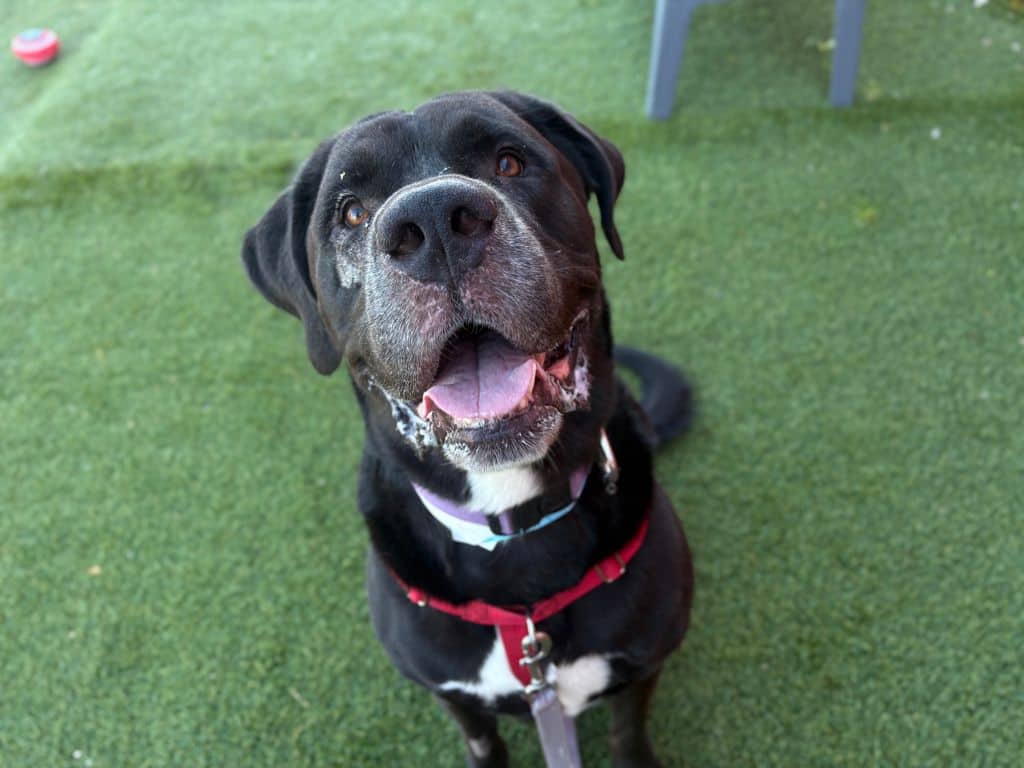
Get notified when a Bullmastiff is listed
We will email you the moment a Bullmastiff becomes available in Alberta, from a rescue or an owner rehoming.
Adopting a Bullmastiff in Alberta
Bullmastiffs and other mastiff-type dogs come through Alberta rescue in small but steady numbers. Calgary Humane Society, Edmonton Humane Society, AARCS, SCARS, and the smaller rescues we work with take them in through the year. This page covers Bullmastiffs and the broader mastiff family, because rescue listings often use the labels loosely.
It pulls every adoptable Bullmastiff and mastiff-type dog from the launched Alberta shelters into one searchable place, refreshed regularly. Because these dogs come through in small numbers, searching province-wide matters. A mastiff in Edmonton or Red Deer is worth the drive, and most rescues will arrange a meet at the foster home regardless of where you live.
Why Bullmastiffs cycle through Alberta rescue
A Bullmastiff in rescue is usually there because someone underestimated the breed. Not its temperament, which is steady and calm, but its sheer scale. A Bullmastiff is 100 to 130 pounds of dog, and an adult one is a different proposition from the puppy the family met. The cost of feeding it, the strength of it on a leash, and the space it takes all turn out larger than planned.
The breed is also a guardian, bred originally as a gamekeeper's night dog to find and hold poachers. That guardian instinct is mild compared to some breeds, but it still needs an owner who socializes the dog well and gives it structure. When a Bullmastiff does not get that, an adolescent guardian in a giant body becomes more than the household wants to manage. The dogs themselves are rarely the problem.
The mastiff reality
The Bullmastiff temperament is the easy part. They are calm, affectionate, low-to-moderate energy, and devoted to their family. What adopters underestimate is the daily reality of living with a giant brachycephalic guardian. Bullmastiffs drool, and around water and food they drool a lot. They snore. They are sensitive to heat because the shortened muzzle limits cooling, so an Alberta summer needs real management: walks in the cool hours, shade, and never a hot vehicle.
They are also short-lived, like all giant breeds, typically eight to ten years, and they carry the cost profile of a giant dog: weight-dosed medication, large-animal vet visits, and serious food bills. None of this is a reason to avoid the breed. It is the information an adopter needs so the placement holds. A household that wants a calm, steady, affectionate giant and has budgeted for the scale will do beautifully with a Bullmastiff. A household surprised by the drool, the heat care, or the cost will not.
Health concerns worth asking the foster about
Bullmastiffs carry a giant-breed health profile. Hip and elbow dysplasia are common. Bloat, the sudden twisting of the stomach, is the emergency every deep-chested giant-breed owner must know about. The breed also sees cancer, including lymphoma and mast cell tumours, along with heart conditions and entropion, an eyelid problem that can need surgery. The shortened muzzle adds heat sensitivity. A foster who has lived with the dog for weeks knows how it moves, breathes, and handles a warm day. Ask directly, learn the signs of bloat, and budget for pet insurance taken out while the dog is young.
What Bullmastiffs are actually like to live with
The Bullmastiff is a calm, steady companion, far more couch dog than working dog at home. The temperament suits many households. The practical realities are what an adopter has to plan for:
- Massive. A Bullmastiff is 100 to 130 pounds. Everything from the leash to the vehicle to the vet bill is sized accordingly.
- Calm indoors. Low-to-moderate energy. A couple of moderate walks suit the breed, and puppies should not be over-exercised while joints develop.
- A guardian. The instinct is mild but real, and the dog needs early socialization and steady structure.
- Drools and snores. This is constant, not occasional. A household that cannot live with it should choose another breed.
- Heat-sensitive. The short muzzle limits cooling. Alberta summer means cool-hour walks, shade, and never a parked vehicle.
- Cold-tolerant but indoor. The short coat handles brisk Alberta activity, but a Bullmastiff lives inside with its family.
- Strong. Leash skills are essential, because a Bullmastiff that pulls is moving more weight than most adults can hold.
What the fee usually covers
Bullmastiff adoption fees at Alberta rescues sit in the same general range as other large rescue dogs in the province. The fee covers the medical work the rescue already paid for: spay or neuter, core vaccinations, microchip, deworming, and a vet check before placement. As with any giant breed, the adoption fee is small next to the ongoing cost of feeding and caring for the dog. Confirm the exact fee on the dog's own listing.
How to actually search
Use the filters above to narrow by size (large), age, compatibility, and shelter. Bullmastiffs are not high-energy, so do not over-weight the energy filter for this breed. If a dog fits and you have worked through the scale, the cost, and the heat care honestly, apply the same day, because mastiff-type dogs do not come through often. Foster homes are usually willing to set up a video call before you drive across the province for an in-person meet.
Prefer a city-specific view? Browse our deeper Calgary Bullmastiff cluster, or the dog listings in Edmonton, Red Deer, and Grande Prairie. The broader hub is Dog Adoption Alberta.
The rescues that most often list Bullmastiffs across the province are SCARS, AARCS, Calgary Humane Society, and Edmonton Humane Society. For breed-specific background, the Canadian Kennel Club is a useful reference.
Bullmastiff Adoption FAQ — Alberta
Tap a question to expand
How many Bullmastiffs are available for adoption in Alberta?▼
Where can I find Bullmastiff adoption near me in Alberta?▼
Why do Bullmastiffs end up in rescue?▼
Are Bullmastiffs good family dogs?▼
What health problems should I know about before adopting a Bullmastiff?▼
Do Bullmastiffs handle Alberta summers?▼
How much does it cost to adopt a Bullmastiff in Alberta?▼
Is LocalPetFinder a Bullmastiff rescue?▼
Are these Bullmastiffs for sale in Alberta?▼
Where can I buy a Bullmastiff in Alberta, and should I?▼
Are there free Bullmastiffs in Alberta, or bullmastiffs under $500?▼
Are there Bullmastiff puppies in Alberta, or only adults?▼
Where can I find a Bullmastiff near me in Alberta?▼
Need to rehome a Bullmastiff?
If you can no longer keep your Bullmastiff, you can list them for free on LocalPetFinder. Your dog stays in your home until you find the right family, you screen who applies, and there is no surrender fee. Not sure yet? Our guide to surrendering a dog in Canada walks through every option first.
List your dog for free →Bullmastiff adoption by Alberta city
Alberta rescues transport between cities and several operate province-wide, so it is worth checking Bullmastiffs elsewhere in the province before you give up on a match.