Showing 99 dogs
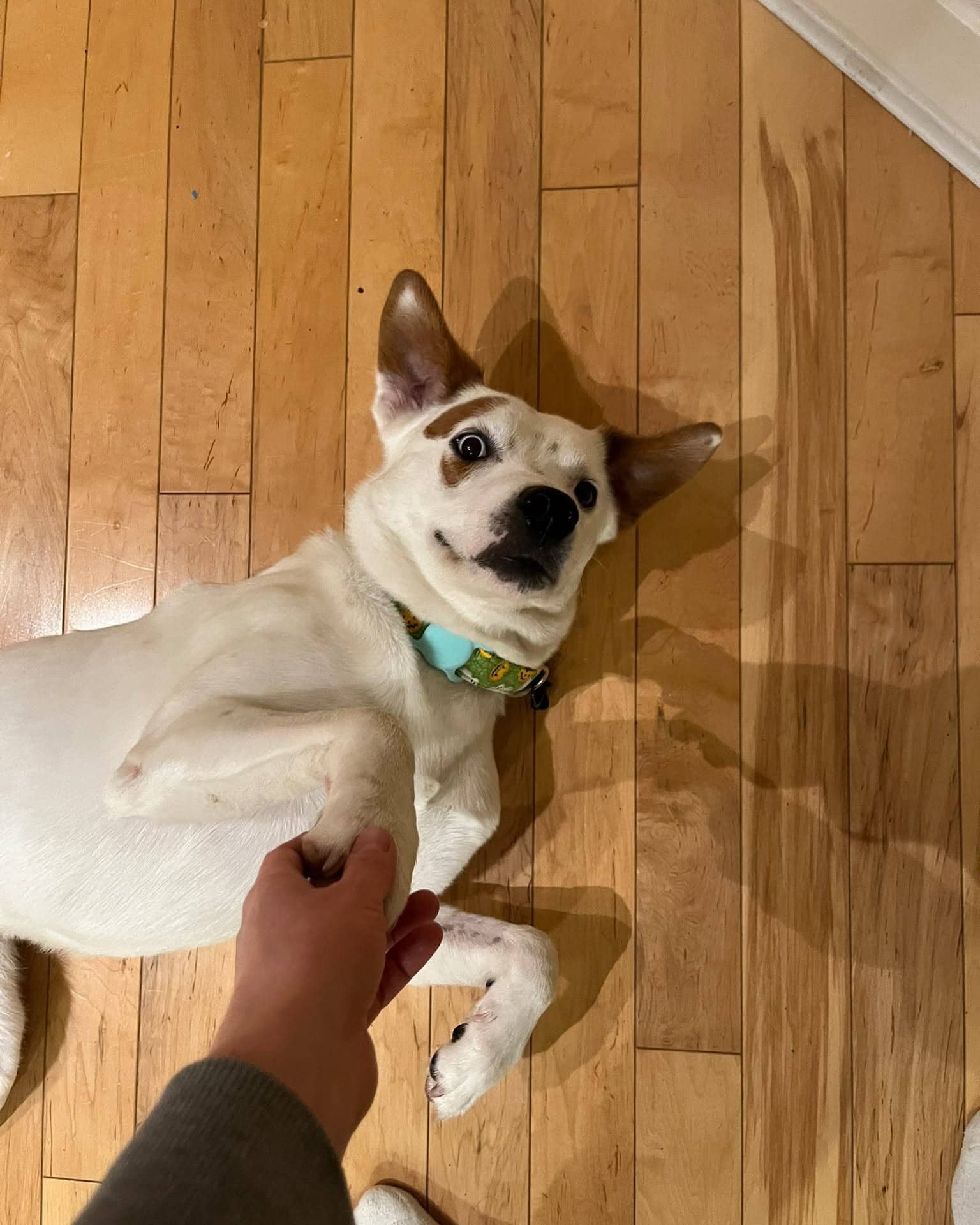
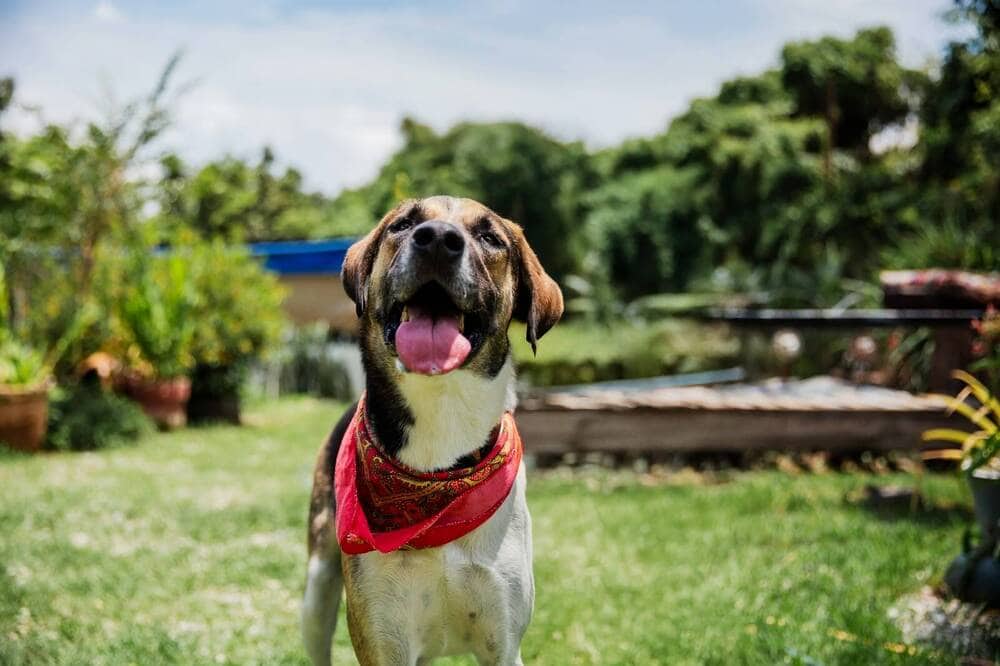
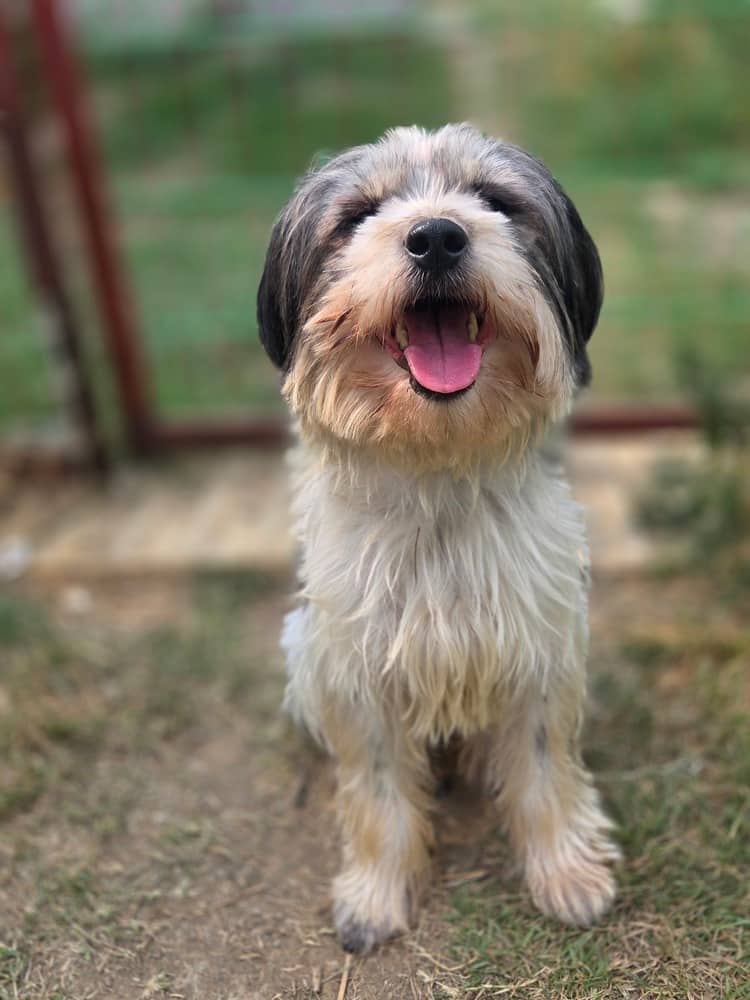
Nena
6 years • Chihuahua
Furever Freed Dog Rescue


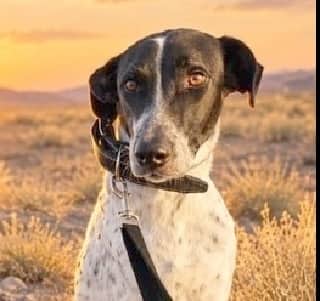
Simon
2 years • Small Mixed
Furever Freed Dog Rescue
Where to find low-energy dogs for adoption in Vancouver? LocalPetFinder lists 99 calm, low-energy dogs currently available from Metro Vancouver rescues including BC SPCA, Heart and Soul Dog and Cat Rescue, Loved at Last Dog Rescue, and Langley Animal Protection Society (LAPS). Calm rescue dogs are particularly well-suited to Vancouver condo dwellers, full-time downtown commuters, seniors, and anyone who would rather not do long walks in five to six months of coastal rain. Listings update regularly.
Not every Vancouver adopter wants a high-energy companion that demands two-hour hikes through Pacific Spirit and endless seawall runs. Low-energy dogs are ideal for people who prefer a more relaxed lifestyle: seniors looking for a calm walking partner, busy professionals commuting downtown 8 to 10 hours a day, condo dwellers in the West End, Yaletown, Olympic Village, Kitsilano, or Mount Pleasant, families with limited mobility, and anyone who knows five to six months of Vancouver rain (October through March) simply makes long daily walks unappealing. The dogs on this page have been identified by Metro Vancouver rescue organisations as having a naturally calm, laid-back temperament.
Many low-energy dogs are senior animals who have mellowed with age, but younger dogs of certain breeds are also naturally calm. Bulldogs, Basset Hounds, Shih Tzus, Cavalier King Charles Spaniels, and retired racing Greyhounds are all known for their love of lounging. Greyhounds in particular surprise many Vancouver adopters because, despite their racing background, they are famously described as “45-mile-per-hour couch potatoes” who are content with a couple of short walks and spend the rest of the day sleeping. Mature large breeds like Mastiffs, Great Danes, Bernese Mountain Dogs, and Newfoundlands also fall on the calm end of the spectrum.
Low energy does not mean no energy. Every dog needs daily walks for physical health and mental stimulation. A low-energy dog typically requires 20 to 40 minutes of moderate exercise per day, such as two leisurely neighbourhood walks or a slow loop along the seawall. They will not bounce off the walls if you skip a long walk during a heavy-rain day, but they still need routine, engagement, and affection. For Vancouver adopters who match the lifestyle, this balance of companionship without overwhelming exercise demands makes low-energy dogs the perfect coastal-climate match.
Best Low-Energy Dog Breeds for Vancouver
These calm breeds appear most often in BC rescues and adapt well to Vancouver condo living, full-time downtown worker schedules, and the realities of a wet coastal climate. Click through to see which dogs are available right now.
English Bulldog →
40 to 50 lbs. Calm, gentle, dignified. One of the lowest-energy breeds. Heat-sensitive on hot seawall pavement; perfect rainy-day couch dog.
Basset Hound →
40 to 65 lbs. Famously laid-back and stubborn. Loves short walks and long naps. Excellent for first-time owners.
Greyhound →
55 to 80 lbs. “45-mph couch potato.” Sleeps 16 to 18 hours/day. Needs a rain jacket: thin skin, no body fat.
Cavalier King Charles →
13 to 18 lbs. The single best calm small breed for first-time owners and seniors. Gentle, family-friendly, strata-ready.
Shih Tzu →
9 to 16 lbs. Calm, affectionate, condo-friendly. One of the easiest small breeds for full-time workers and seniors.
French Bulldog →
16 to 28 lbs. Calm, low-energy, perfect for Vancouver condos. Heat-sensitive in summer; quiet enough for shared walls.
Maltese →
5 to 7 lbs. Gentle, affectionate, hypoallergenic. Great for seniors and quiet households. Needs a rain jacket.
Mature Senior Dogs (Any Breed) →
7+ years. Senior dogs of any breed are typically the lowest-energy option. Reduced adoption fees at most BC rescues.
Who Suits a Low-Energy Dog in Vancouver?
Low-energy dogs are one of the easiest matches in Vancouver when the adopter's lifestyle lines up. The right fit:
- Seniors and retirees looking for a calm walking companion who matches their pace. Most BC rescues offer reduced fees ($150 to $300) for senior dogs going to senior adopters.
- Full-time downtown workers with 8 to 10 hour shifts. A calm dog is content to nap most of the day and does not develop destructive boredom behaviour the way working breeds do.
- Condo and apartment dwellers in the West End, Yaletown, Coal Harbour, Olympic Village, Kitsilano, Mount Pleasant, Commercial Drive, or other strata-dense neighbourhoods. Calm dogs are quieter neighbours and adjust well to elevator-building life.
- People with limited mobility, chronic illness, or recovery from injury. A low-energy dog provides companionship without demanding strenuous activity.
- First-time owners. Calm breeds are forgiving of inconsistent routines and easier to manage on leash during the steep first-month learning curve.
- Rainy-weather pet parents who know Vancouver realistically cuts off long enthusiastic walks during five to six months of coastal rain. A calm dog adjusts; a Husky or Border Collie struggles.
- Households with respectful school-age kids (6+). Many calm breeds (Cavalier, Basset, Bulldog, Shih Tzu, Pug) are excellent family dogs with kids old enough to handle them respectfully.
Probably not the right fit: active families who hike the North Shore mountains, run the seawall, or bike the Stanley Park causeway with their dog; experienced trainers who want a working partner; people with large yards in Surrey, Langley, or the Fraser Valley who would rather a high-drive dog burns energy outside. For those, a medium- or high-energy dog will be a better match.
Vancouver Climate & Condos: The Low-Energy Advantage
Vancouver is the densest condo and rental market in Canada, and the coastal climate is wet rather than cold. From October through March, expect persistent drizzle and five to six months of grey skies. High-drive dogs (Husky, Border Collie, Australian Shepherd, working line GSD) genuinely struggle in Vancouver because they want long off-leash time at Pacific Spirit, Spanish Banks, Trout Lake, or Stanley Park every day, and most adopters do not actually do three-hour rain hikes for half the year. A low-energy dog adjusts fine to the climate.
Practical Vancouver routine for a calm dog:
- Two 15 to 25 minute walks per day, rain or shine, with a quality rain jacket for the dog
- Indoor enrichment on heavy-rain days: food puzzles, snuffle mats, gentle training games, lick mats, stuffed Kongs
- Quality rain jacket ($25 to $60 at Tisol, Bosley's, or Three Dog Bakery). The single most important Vancouver purchase for any low-energy dog. Look for a chest-and-back panel that keeps the belly fur dry.
- Light fleece layer for cold rainy days when temperatures dip toward freezing. Heavy parkas are not needed; mild winters mean no insulated coats required.
- Absorbent towels at the door: even short walks bring back damp dogs October to March. A dedicated dog towel by the entrance saves the couch and crate bedding.
- Sheltered potty area on the balcony or near the building entrance for elevator buildings; many low-energy dogs refuse to potty in heavy rain.
- Elevator buildings over walk-ups for seniors and brachycephalic dogs: stairs are hard on calm dogs, especially Bulldogs and senior Greyhounds.
Summer trade-off: brachycephalic low-energy breeds (Bulldog, French Bulldog, Pug, Boston Terrier, Shih Tzu) are heat-sensitive. Vancouver heatwaves have become increasingly common, with summer highs occasionally hitting 35°C and air-conditioning becoming non-negotiable for these breeds. Walks shift to early morning and after 7 PM during heat domes. Hot pavement on the seawall, Stanley Park trails, and Spanish Banks can burn paws in July and August.
Strata bylaws favour calm dogs: Vancouver condo buildings consistently allow quiet, calm dogs more easily than reactive or vocal breeds. A barking-prone breed in a concrete tower with shared walls invites strata complaints. Low-energy breeds (Cavalier, Bulldog, Pug, mature Bichon, mature Shih Tzu) tend to be quiet enough to fit into stratas without friction.
Low-Energy Dog Adoption Costs in Vancouver
Vancouver low-energy dog adoption fees range $300 to $600 depending on the rescue, breed, and age. Senior low-energy dogs typically have reduced fees ($150 to $300) and BC SPCA, Heart and Soul, and Loved at Last occasionally run reduced-fee events that include senior dogs at $50 to $200.
What the fee covers: spay/neuter, vaccinations, microchip, basic veterinary workup. Total retail value is typically $800 to $1,400 in Vancouver (vet costs trend higher here than the Canadian average), so the rescue fee is well below cost. Annual ownership cost for a healthy low-energy dog: $1,500 to $2,400 depending on size and grooming needs. Long-term cost watch: brachycephalic low-energy breeds (English Bulldog, French Bulldog, Pug, Boston Terrier, Shih Tzu) trend higher long-term due to chronic ear infections, allergies, and potential BOAS surgery costs ($3,500 to $6,000 at Vancouver specialty clinics). Greyhounds have specialty anesthesia protocols and elevated osteosarcoma risk; budget for pet insurance.
Low-Energy Dog Adoption FAQ (Vancouver)
How many low-energy dogs are available for adoption in Vancouver?▼
As of October 2026, 99 low-energy dogs are available for adoption in Vancouver across 6 rescues on LocalPetFinder. Listings update regularly as pets are adopted and new ones arrive — browse them above and apply directly through the rescue.
Where can I find low-energy dogs for adoption in Vancouver?▼
LocalPetFinder lists 99 low-energy dogs currently available from Metro Vancouver rescues including BC SPCA, Heart and Soul Dog and Cat Rescue, Loved at Last Dog Rescue, and Langley Animal Protection Society (LAPS). Calm rescue dogs are particularly well-suited to Vancouver condo dwellers, full-time downtown commuters, seniors, and anyone who would rather skip long walks in five to six months of coastal rain. Listings update regularly.
What are the best low-energy dog breeds for Vancouver?▼
The most naturally calm breeds for Vancouver living include Basset Hounds, English and French Bulldogs, Cavalier King Charles Spaniels, Shih Tzus, Pugs, and retired racing Greyhounds. Among larger breeds, Mastiffs, Great Danes, Bernese Mountain Dogs, and Newfoundlands tend to be relaxed despite their size. Mature senior dogs of any breed are typically the lowest-energy option and adapt well to Vancouver because they need shorter walks than younger dogs, which suits the wet coastal climate.
Are low-energy dogs good for full-time workers in Vancouver?▼
Yes. Low-energy dogs are one of the best matches for Vancouver adopters who work 8 to 10 hour days downtown. They are content to nap most of the day, do not develop destructive behaviour from under-exercise, and require less mental enrichment than working breeds. A morning seawall walk, a midday potty break (dog walker or daycare 2 to 3 times per week), and an evening walk is usually enough. Vancouver dog walkers and daycares make midday breaks practical for most West End, Yaletown, and Kitsilano commuters.
Are low-energy dogs good for seniors in Vancouver?▼
Yes, low-energy dogs are arguably the single best match for Vancouver seniors. They require manageable exercise (20 to 40 minutes per day), are physically easier to handle, and provide companionship without overwhelming activity demands. Top picks for senior adopters: Cavalier King Charles Spaniel, Shih Tzu, Maltese, mature Pug, mature Basset Hound, mature retired racing Greyhound. BC rescues offer reduced adoption fees for senior dogs ($150 to $300) and several (BC SPCA, Heart and Soul, Loved at Last) run senior-to-senior matching programs.
How much exercise does a low-energy dog need in Vancouver rain?▼
Low-energy dogs typically need 20 to 40 minutes of moderate exercise per day. In Vancouver that means two short seawall, neighbourhood, or off-leash park walks. The big advantage of a low-energy dog in Vancouver is that they will happily skip a long walk on a heavy-rain day in favour of indoor enrichment. High-drive breeds struggle when persistent rain cuts off long off-leash time at Pacific Spirit, Spanish Banks, or Stanley Park, but a calm dog adjusts fine to a quick rain-walk and a long nap.
Do low-energy dogs still need daily exercise?▼
Yes. Every dog needs daily exercise for physical health, joint mobility, and mental stimulation. Low-energy dogs do well with 20 to 40 minutes of moderate activity (typically two short walks). They will not bounce off the walls if you skip a day, but a consistent routine prevents obesity, joint stiffness, and boredom-related behaviour. Senior low-energy dogs may need closer to 15 to 30 minutes split across multiple short outings.
What is the difference between a low-energy dog and a lazy or unwell dog?▼
A low-energy dog has a naturally calm disposition: alert and engaged when active, content to rest between activities. A truly lethargic dog can be a sign of an underlying health issue (hypothyroidism, pain, depression, anemia, heart disease). If a dog that was previously active suddenly becomes lethargic, a Vancouver veterinary check-up is warranted. The dogs listed here have been evaluated by their foster or shelter and are genuinely low-energy by nature or age, not unwell.
Are low-energy dogs good for first-time owners in Vancouver?▼
Yes, low-energy dogs are excellent for first-time Vancouver owners. They are forgiving of inconsistent routines, less reactive on leash, and easier to manage during the steep learning curve of first-time ownership. Pair a low-energy breed with the first 60 days of a 3-3-3 decompression and most first-time adopters succeed. Top first-time low-energy picks: Cavalier King Charles, Shih Tzu, Basset Hound, mature Bulldog, mature Pug, mature Greyhound.
Are these low-energy dogs for sale in Vancouver?▼
Not for sale, for adoption, and for most people that is the better deal. Every dog listed here comes from a Vancouver-area rescue or shelter rather than a breeder, pet store or classified seller. The adoption fee is typically a few hundred dollars and already covers spay or neuter, vaccinations, deworming and a microchip, which on their own would usually cost more than the fee. If you searched "low-energy dogs for sale vancouver", this is the same search done a cheaper way, with a dog someone has already examined and can tell you about.
Where can I buy a low-energy dog in Vancouver, and should I?▼
You can buy from a registered breeder, and it is worth pricing against adoption before you do. A breeder puppy generally runs well into four figures and often comes with a waitlist, while a rescue dog costs a few hundred dollars fully vetted and may be available this week. The listings to be careful with are the cheap ones on classified sites and marketplaces, which are frequently backyard breeders or puppy-mill resellers moving unvetted animals with no health guarantee. If you do buy, insist on seeing where the litter was raised and getting vet records.
Are there free low-energy dogs in Vancouver, or low-energy dogs under $500?▼
Adoption is the closest honest answer and it is not free. A rescue dog in Vancouver usually costs a few hundred dollars. The fee already covers medical work worth considerably more. Genuinely free listings deserve suspicion: a dog advertised free to a good home has usually not been vetted, and free rehoming ads are the route flippers and unregistered breeders use to move animals with no recourse for the buyer. Reduced-fee events, sponsored long-stay dogs and senior discounts are the legitimate ways the price comes down.
Are there calm puppies in Vancouver, or mostly adults?▼
Both, but adults outnumber puppies and it is worth knowing that before you start. Most dogs arriving in Vancouver rescue are adolescents and adults, because that is the stage at which first homes tend to give up. Puppies do come through, usually as accidental litters or with a surrendered mother, and they are typically spoken for quickly, so an alert beats refreshing the page. It is also worth asking whether you want one: an adult arrives with a temperament a foster has already lived with and can describe, where a puppy is a prediction.
Where can I find low-energy dogs near me in Vancouver?▼
Start with the listings on this page, which pull from Vancouver rescues and shelters and refresh regularly, so what you see is genuinely available rather than a directory that went stale months ago. If nothing suits today, check back or set an alert, because low-energy dogs in particular move fast and the list turns over. It is also worth widening slightly beyond the city, since most rescues serving Vancouver will adopt across a reasonable driving distance rather than only within municipal limits.