The short answer
Most healthy older dogs do well on a quality, protein-rich food: Hill's Science Diet Adult 7+, Purina Pro Plan Bright Mind 7+, or the Canadian-made Acana Senior. Do not cut protein. Match the food to the problem: omega-3 fish oil for stiff joints, softer or wet food for bad teeth, weight-management for an overweight dog. Diagnosed kidney or heart disease needs a vet-prescribed diet, not a shelf product. Some links here are Amazon affiliate links; we may earn a small commission at no extra cost to you, and it never changes what we recommend.
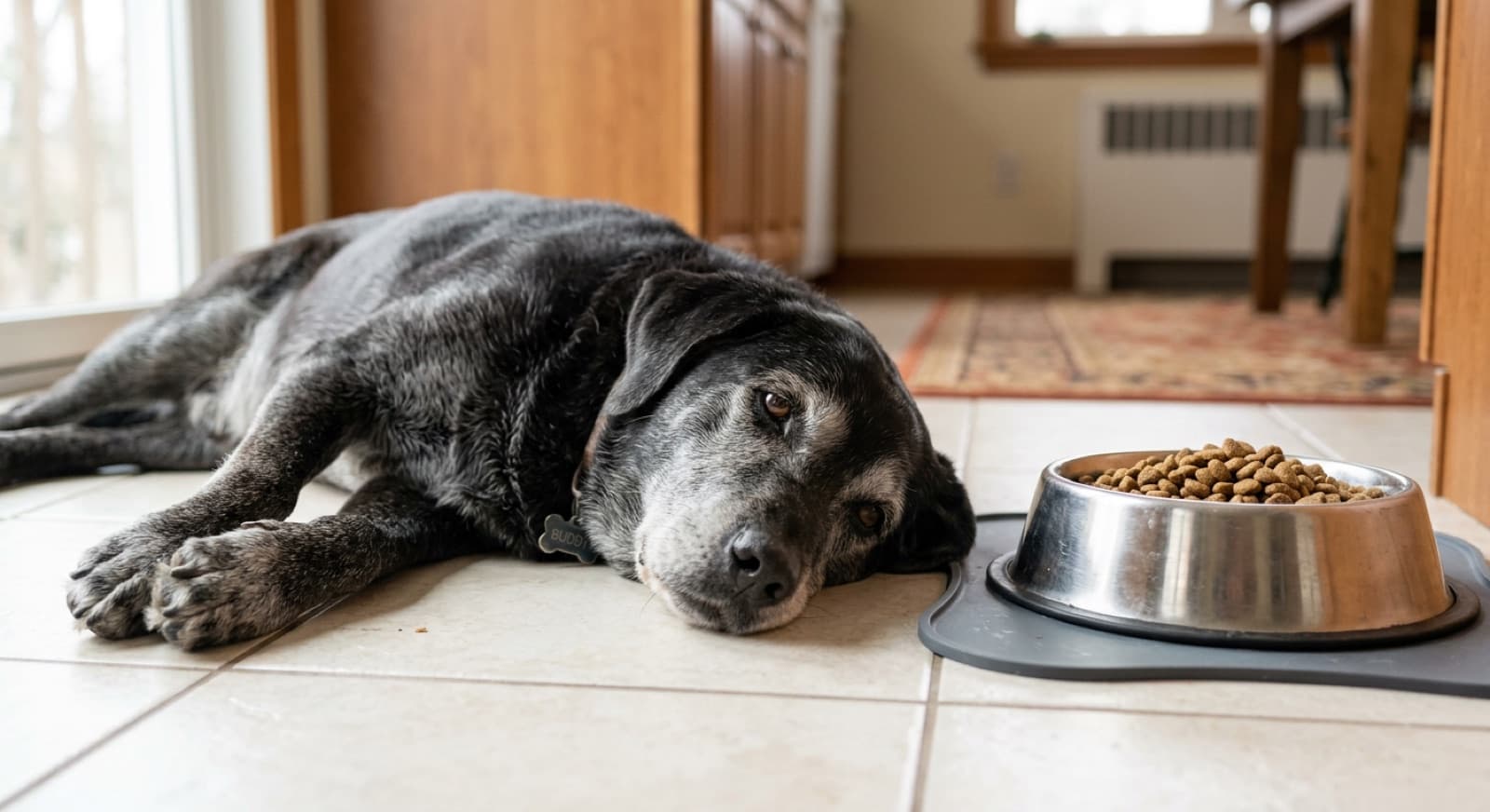
Senior dog food is one of the more confusing aisles in the pet store, partly because a lot of it is built around an outdated idea. This guide fixes that, then walks through the foods worth buying in Canada and, more usefully, how to pick based on what is actually going on with your dog. We earn a commission if you buy some of the foods or supplements through our Amazon links, and we have kept the medical parts anchored to veterinary sources rather than label claims.
The biggest myth: more protein, not less
For years the standard advice was to cut protein for older dogs to spare their kidneys. Current veterinary thinking has reversed that for healthy seniors. As the American Kennel Club puts it plainly, healthy seniors need more protein, not less, to fuel muscle, often around 28 to 32 percent on a dry-matter basis. The old kidney worry traces back to a rat study, not dogs, and it has been walked back.
The reason it matters is muscle. Older dogs lose muscle as they age, a process called sarcopenia, partly because, as Cornell's veterinary nutrition team explains, aging dogs stop synthesising as much protein on their own. Feed too little and you accelerate the very muscle loss that makes old dogs weak and unsteady. The one real exception is a dog diagnosed with a condition like kidney disease, where a vet may prescribe a controlled-protein therapeutic diet. That is a medical decision, not a default for every grey muzzle.
When is a dog a senior?
Mostly a matter of size, because bigger dogs age faster. Per PetMD:
| Breed size | Considered senior around |
|---|---|
| Small (Dachshund, Chihuahua) | 10 to 12 years |
| Medium | 8 to 10 years |
| Large (Boxer) | 8 to 9 years |
| Giant (Great Dane) | 6 to 7 years |
Treat the age as a prompt to pay closer attention, not a switch to flip. Curious where your dog lands in human years? Our dog age calculator estimates it by size.
Do you even need a “senior” food?
Often, no. There is no AAFCO-defined senior life stage, which means “senior” on a bag is a marketing label, not a regulated formula. Cornell's nutritionists are blunt about it: there is no real reason to switch an aging dog to a senior diet unless there is a specific problem, like lean-muscle wasting, arthritis, or obesity. A healthy older dog can thrive on a good adult food. So rather than switching on a birthday, watch for the issues that genuinely call for a change, and feed to those.
The best senior dog foods you can buy in Canada
Available on Amazon.ca and at Canadian retailers. Prices are approximate; confirm the current Amazon.ca listing.
- Hill's Science Diet Adult 7+ (and Youthful Vitality) is the mainstream vet-trusted senior line, with omega fatty acids and a brain-and-immune focus. Comes in dry and canned, plus a small-and-mini version.
- Purina Pro Plan Bright Mind 7+ leans into the cognitive angle, using botanical oils (MCTs) the brand links to mental sharpness in older dogs, plus EPA and glucosamine. A good pick if your dog is slowing down mentally.
- Acana Senior and Orijen Senior are Alberta-made by Champion Petfoods and lean high-protein, which fits the preserve-the-muscle goal nicely. The Canadian-made choice.
- Blue Buffalo Life Protection Senior is a solid grocery-premium option with added glucosamine and antioxidant bits.
- Iams Proactive Health Mature Adult is the budget-friendly mainstream pick, with real chicken and fibre for digestion.
Whichever you choose, check the label for decent protein (do not be scared of it) and an AAFCO complete-and-balanced statement. The brand is preference; matching the food to your dog's situation, below, is what actually helps.
Consider adopting a senior dog
Older rescue dogs are calm, often already house-trained, and the hardest to place. Browse adoptable senior and adult dogs from shelters across Canada.
Browse Adoptable Dogs →Match the food to the problem
This is where the real choosing happens. Find your dog's situation:
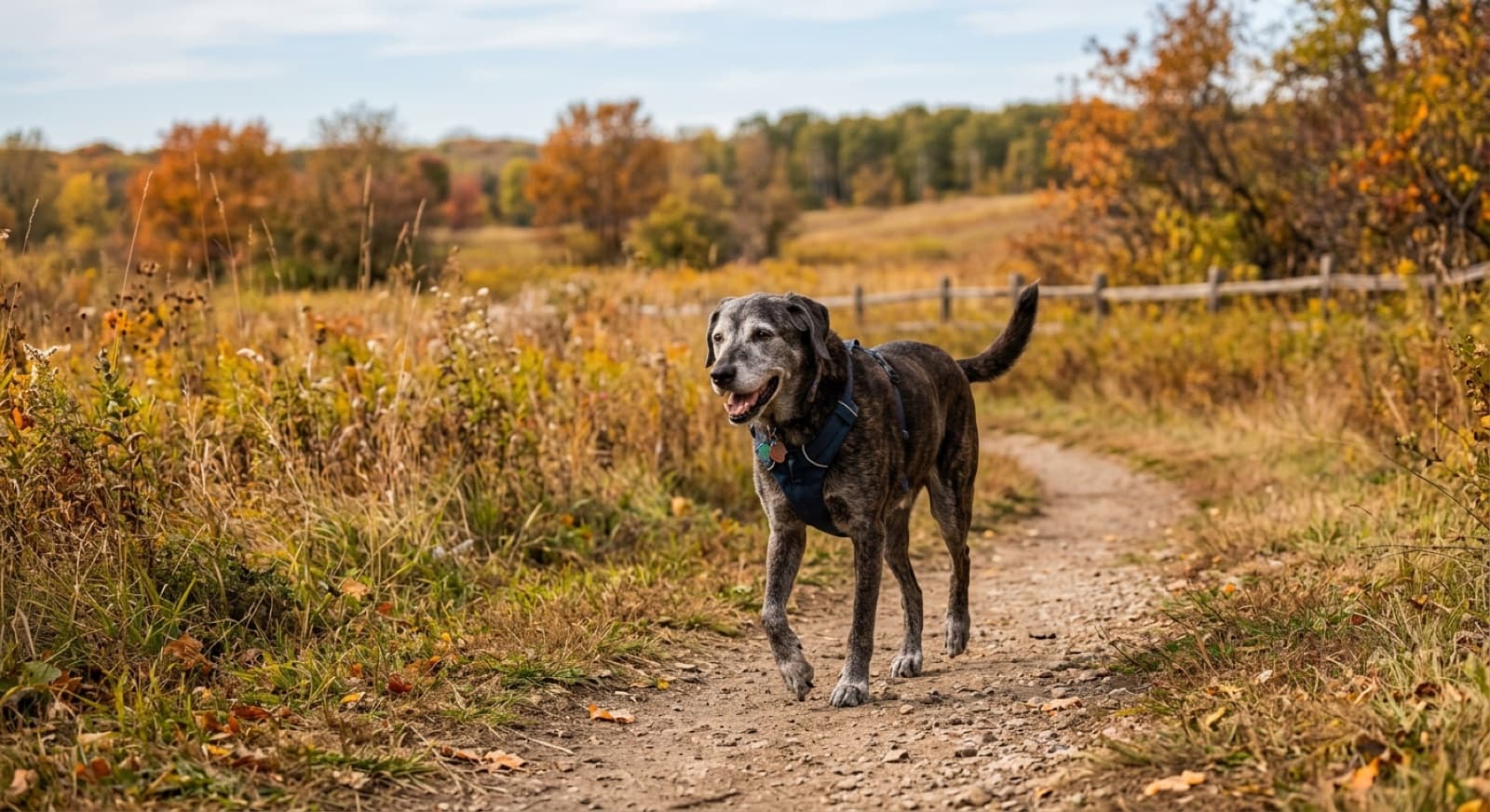
Stiff or arthritic joints
The ingredient with the best evidence is omega-3 EPA and DHA from fish oil, which targets the inflammation behind arthritis. The AKC suggests aiming for roughly 700 to 1,500 mg of combined EPA and DHA, which is often easier to hit with a dedicated fish-oil supplement than with food alone. Glucosamine and chondroitin (as in Cosequin) are popular and low-risk, though the evidence is more limited. The biggest non-food lever is keeping your dog lean, since every extra pound is hard on a sore joint. Check with your vet before starting any supplement.
The overweight senior
Less activity plus the same portions is how a lot of older dogs gain weight, and extra weight worsens arthritis and other problems. A weight-management formula or simply a measured reduction in calories helps, but one caution: do not confuse fat loss with muscle loss. You want to trim fat while protecting muscle, which means keeping the protein up. Weigh your dog regularly, since, as Cornell notes, slow weight changes are genuinely hard to see on your own dog.
The underweight or muscle-wasting senior
This one needs a vet first, because unexplained weight loss can be the first sign of a disease that needs treating. On the food side, the answer is usually more good protein and enough calories, a calorie-dense, protein-rich food, smaller frequent meals, and warming the food or adding a tasty topper to tempt a dulled appetite. This is exactly the dog you should not put on a low-protein or weight-loss “senior” formula.
Bad or missing teeth
For a dog with a sore mouth, wet or canned food, or kibble softened with warm water, is far easier to eat, and warming it lifts the smell to encourage eating. Soft food is a kind accommodation, but it does not treat the underlying dental disease, which is painful and common in seniors, so book a dental check. Our guide to dog dental care covers what actually helps.
Slowing down mentally
Canine cognitive decline is real, and some foods (like Bright Mind) and supplements use DHA, MCTs, and antioxidants that may support brain function. The honest framing is “may support,” not “treats dementia.” If your older dog is getting lost in corners, pacing at night, or seeming confused, that is worth a vet visit, since there are also medical causes and, sometimes, prescription help.
Diagnosed kidney or heart disease
This is the one category where the food is genuinely medical. Kidney, heart, and similar conditions are managed with vet-prescribed therapeutic diets (for example, controlled-protein or controlled-phosphorus renal foods). We deliberately do not link these as products, because they should only be fed on a vet's direction after a diagnosis. If your senior has been diagnosed with one of these, your vet's recommended diet beats anything on a general shelf.
Food is one piece, not the whole plan
The single best thing you can do for an older dog is more frequent vet checks with bloodwork. Many of the conditions that change what you should feed, kidney and liver changes, thyroid issues, early heart disease, are only caught on labs, often before you would notice anything at home. Diet supports a healthy senior; it does not diagnose or treat disease. Pair good food with twice-yearly checkups and you catch the things that matter while they are still manageable.
Frequently asked questions
What is the best senior dog food?
There is no single best, because “senior” covers a healthy 8-year-old and a frail 14-year-old with very different needs. The better approach is to match the food to your dog’s actual issues: a quality, protein-rich adult or senior formula for most, a weight-management formula for an overweight dog, softer or wet food for bad teeth, and a vet-directed therapeutic diet for diagnosed kidney or heart disease. Mainstream vet-trusted picks like Hill’s Science Diet Adult 7+, Purina Pro Plan Bright Mind 7+, and the Canadian-made Acana Senior are all reasonable starting points.
When is a dog considered a senior?
It depends mostly on size, because bigger dogs age faster. Per PetMD, small breeds are usually considered senior around 10 to 12 years, medium breeds around 8 to 10, large breeds around 8 to 9, and giant breeds as early as 6 to 7. A common rule of thumb is that a dog enters its senior years in roughly the last quarter of its expected lifespan. The number on the calendar matters less than how your individual dog is doing, so use it as a prompt to pay closer attention, not a hard switch.
Do senior dogs need less protein?
No, and this is the most important myth to unlearn. The old advice to restrict protein for older dogs came from outdated research, and current veterinary thinking is the opposite: healthy seniors generally need adequate or even higher quality protein to preserve muscle. As the AKC puts it, healthy seniors need more protein, not less, to fuel muscle, with around 28 to 32 percent on a dry-matter basis often suggested. The only time protein is deliberately restricted is for a specific diagnosed condition, like some kidney disease, and that must be directed by your vet, not chosen off a shelf.
Is high-protein food bad for an old dog’s kidneys?
For a dog with healthy kidneys, no. The belief that protein damages aging kidneys traces back to a rat study, not dogs, and it has been walked back. A healthy senior actually benefits from good-quality protein to fight age-related muscle loss. The picture changes if your dog has been diagnosed with kidney disease, where a vet may prescribe a controlled-protein therapeutic diet as part of treatment. The key word is diagnosed: do not put a healthy dog on a low-protein diet to “protect” the kidneys, because you may cost them muscle they need.
Do I even need to switch my dog to senior food?
Often, no. There is no AAFCO-defined “senior” life stage, and as Cornell’s veterinary nutrition experts note, there is no real need to switch an aging dog to a senior diet unless there is a specific problem like muscle wasting, arthritis, or obesity. A healthy older dog can do very well on a good adult food. The smarter move is to watch for the problems that do call for a diet change and address those, rather than switching just because of a birthday.
What is the best food for a senior dog with joint problems?
The ingredient with the best evidence for joints is omega-3 fatty acids, specifically EPA and DHA from fish oil, which help with the inflammation behind arthritis. Many senior and joint-support foods include them, and the AKC suggests aiming for roughly 700 to 1,500 mg of combined EPA and DHA, which is often easier to reach with a fish-oil supplement than food alone. Glucosamine and chondroitin are commonly added too; the evidence is more limited, but they are considered low-risk. Pair the diet with keeping your dog lean, since extra weight is hard on arthritic joints. Ask your vet before starting supplements.
What helps an old dog gain weight or keep muscle?
First, see your vet, because unexplained weight or muscle loss in a senior can signal an underlying disease that needs treating. On the food side, the answer is usually more good-quality protein and enough calories, not less, since age-related muscle loss is driven partly by dogs synthesizing less protein on their own. A calorie-dense, protein-rich food, smaller frequent meals, and warming the food or adding a tasty topper to encourage eating all help. Avoid low-protein “senior” or weight-loss formulas for a dog who is already losing condition.
What is the best soft or wet food for an old dog with bad teeth?
For a dog with painful, broken, or missing teeth, wet or canned food, or dry kibble softened with warm water, is much easier and more comfortable to eat. Most senior food lines have a canned version, and warming wet food slightly boosts the smell, which helps tempt an older dog with a dulled appetite. Soft food is a sensible accommodation, but it does not fix the underlying dental problem, so a sore mouth is worth a vet visit; dental disease is painful and very common in older dogs.
Do senior dogs need supplements like glucosamine or fish oil?
Some benefit, but talk to your vet first rather than guessing. Omega-3 fish oil has the strongest evidence for joint comfort and may help cognition; glucosamine and chondroitin are popular and low-risk, with more limited evidence. If your dog’s food already contains meaningful amounts, you may not need to add more. Supplements are an add-on to a good diet and vet care, not a treatment for a diagnosed problem, and more is not better, so get a dose appropriate for your dog’s weight from your vet.
Is grain-free food bad for senior dogs?
It is not automatically better, and there is an open safety question that applies at every age. The US FDA investigated a possible link between grain-free diets high in peas, lentils, and potatoes and a heart condition called dilated cardiomyopathy. Causation was never proven and the FDA paused public updates, but suspicion centres on those legume ingredients rather than grain. Grain is rarely the problem for a senior dog. Unless your vet has a specific reason, a quality grain-inclusive food from an established maker is the safer default, especially for an older heart.
Sources: AKC: Nutritional Needs for Senior Dogs; Cornell Riney Canine Health Center; PetMD: When Is a Dog a Senior?; AKC: Diet and DCM Update. This article is general information, not veterinary advice. Senior health changes need a diagnosis from your veterinarian.
Related guides
Best Puppy Food in Canada
The other end of the life stage, and the large-breed rule that matters.
Dog Food for a Sensitive Stomach
The best picks, and how to tell a food problem from a vet problem.
Dog Dental Care: What Works
Brushing, chews, and cleanings, sorted by the evidence.
Best Dog Joint Supplement
Why omega-3 has better evidence than glucosamine.
Dog Age Calculator
Your dog's age in human years, by size.
Something else going on with your dog?
Pick what is on your mind and we will point you at the guide that answers it, and what to buy if anything.