Showing 1092 cats
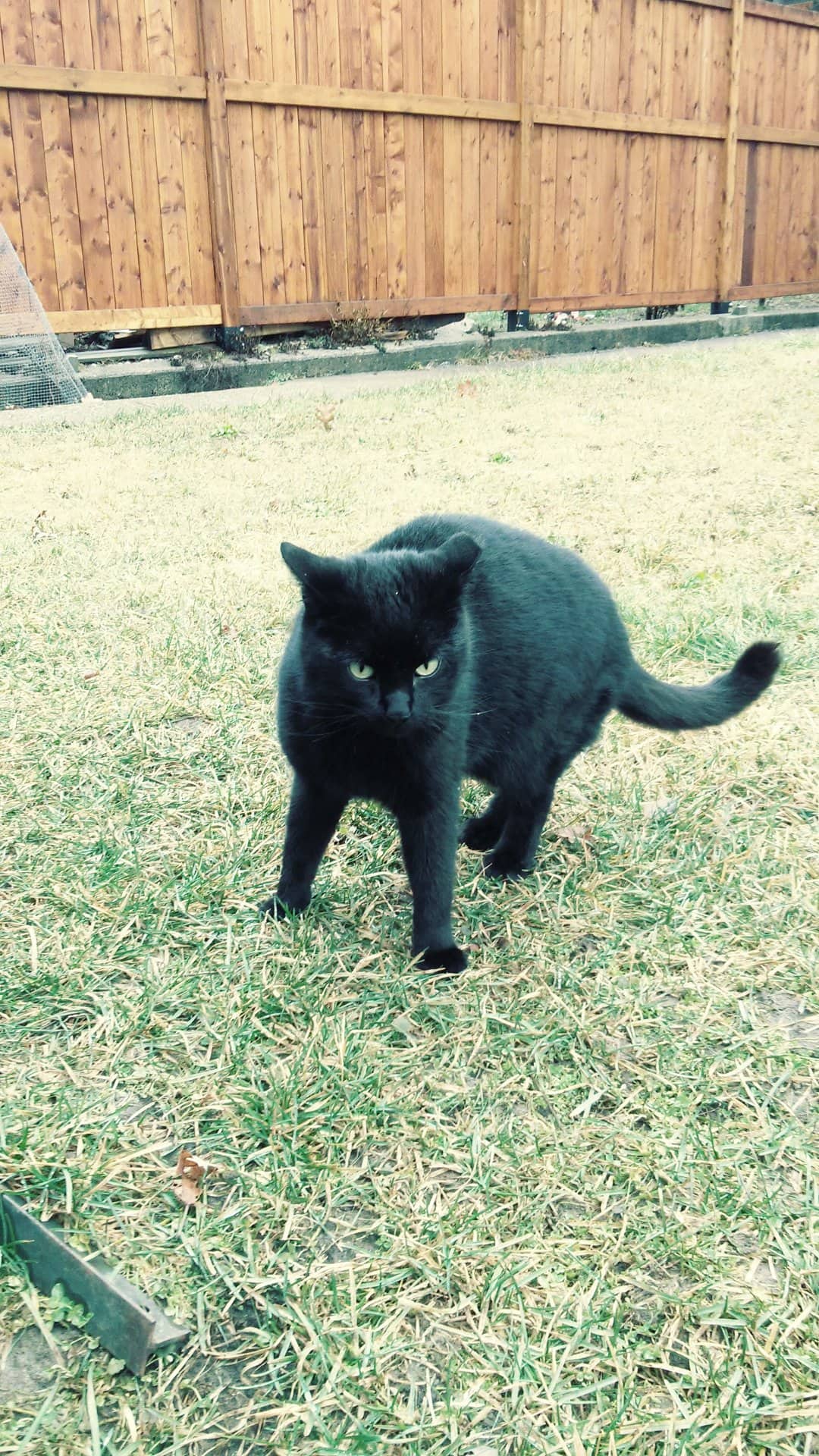
Kitty
3 months • Domestic black hair short hair
Owner Rehoming
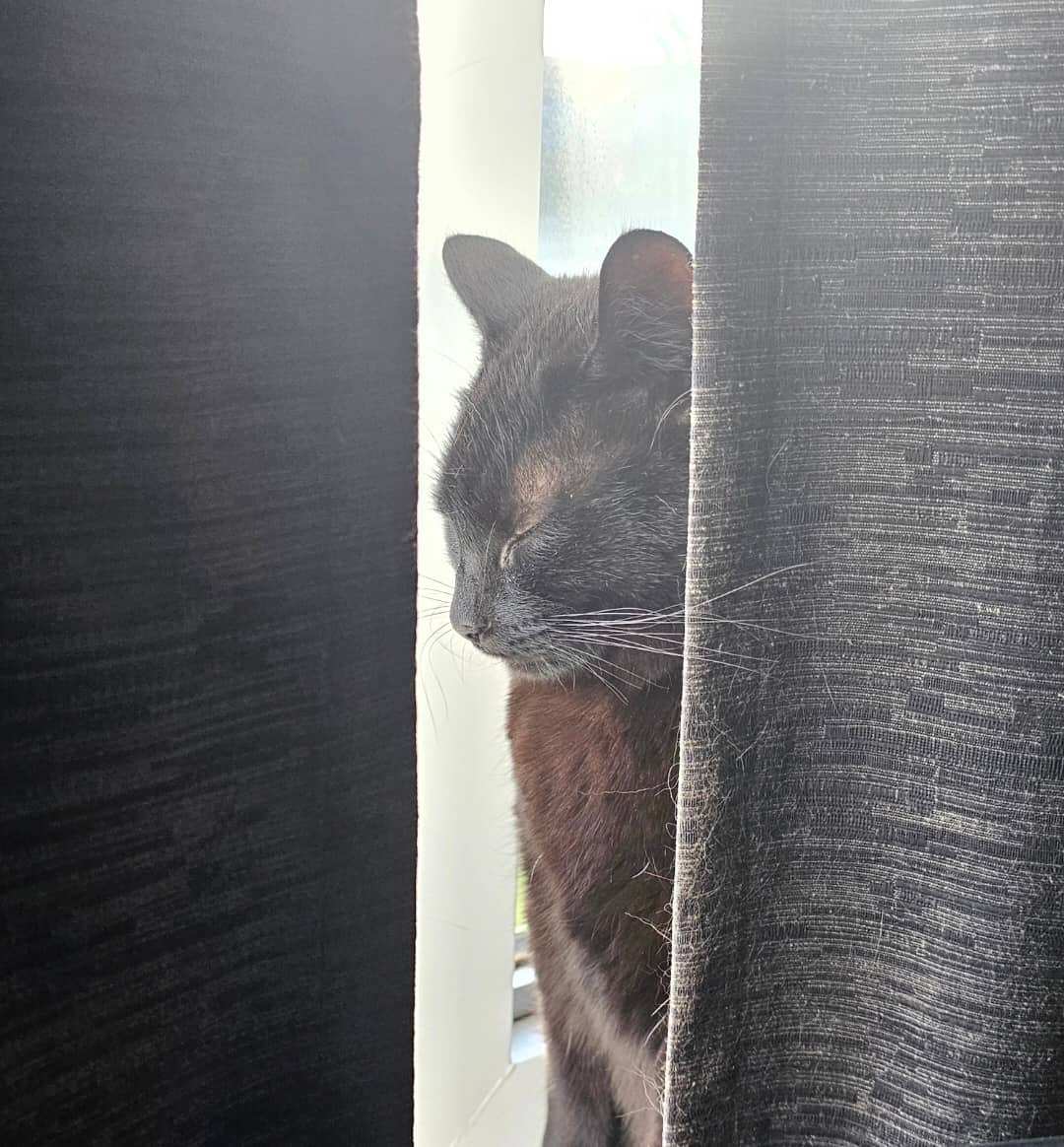
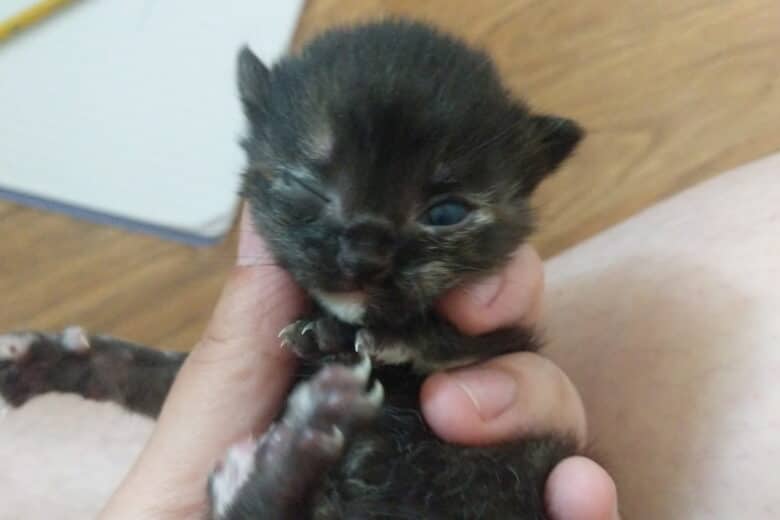

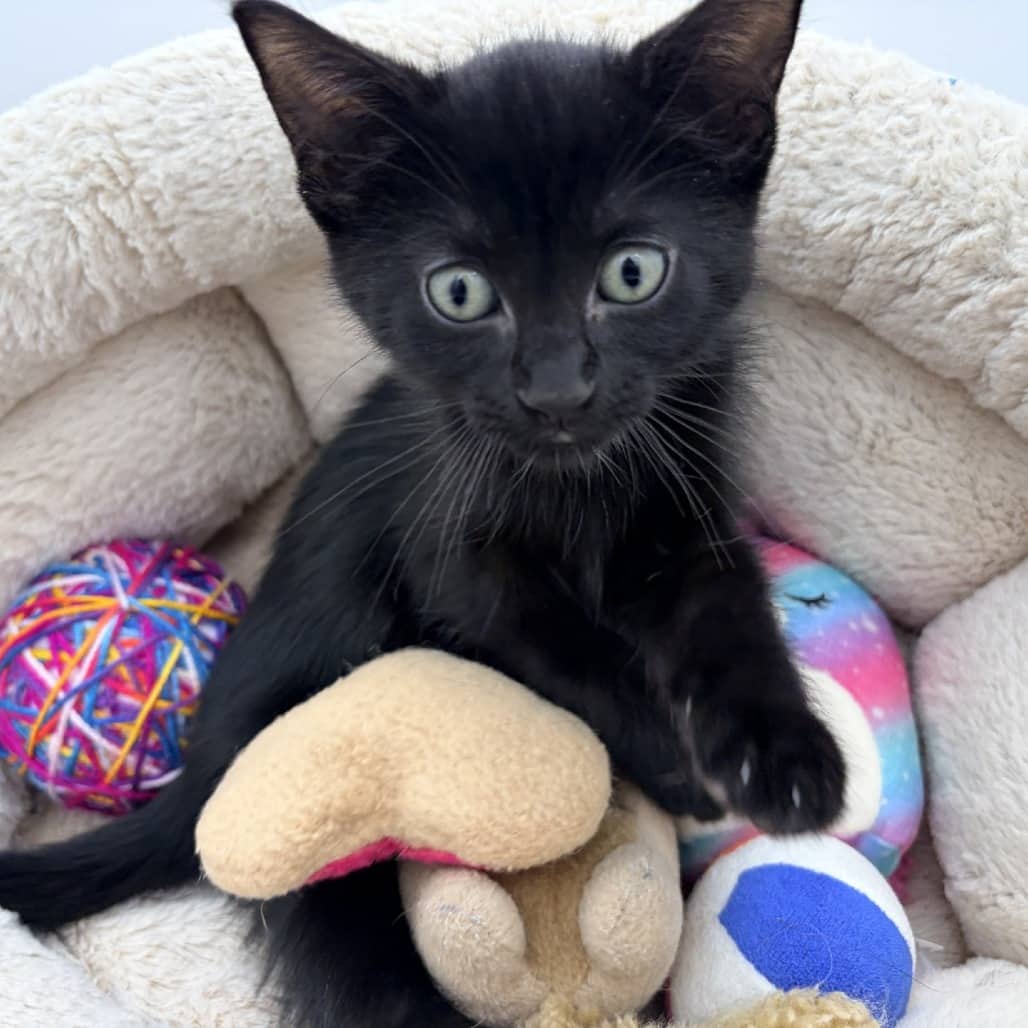
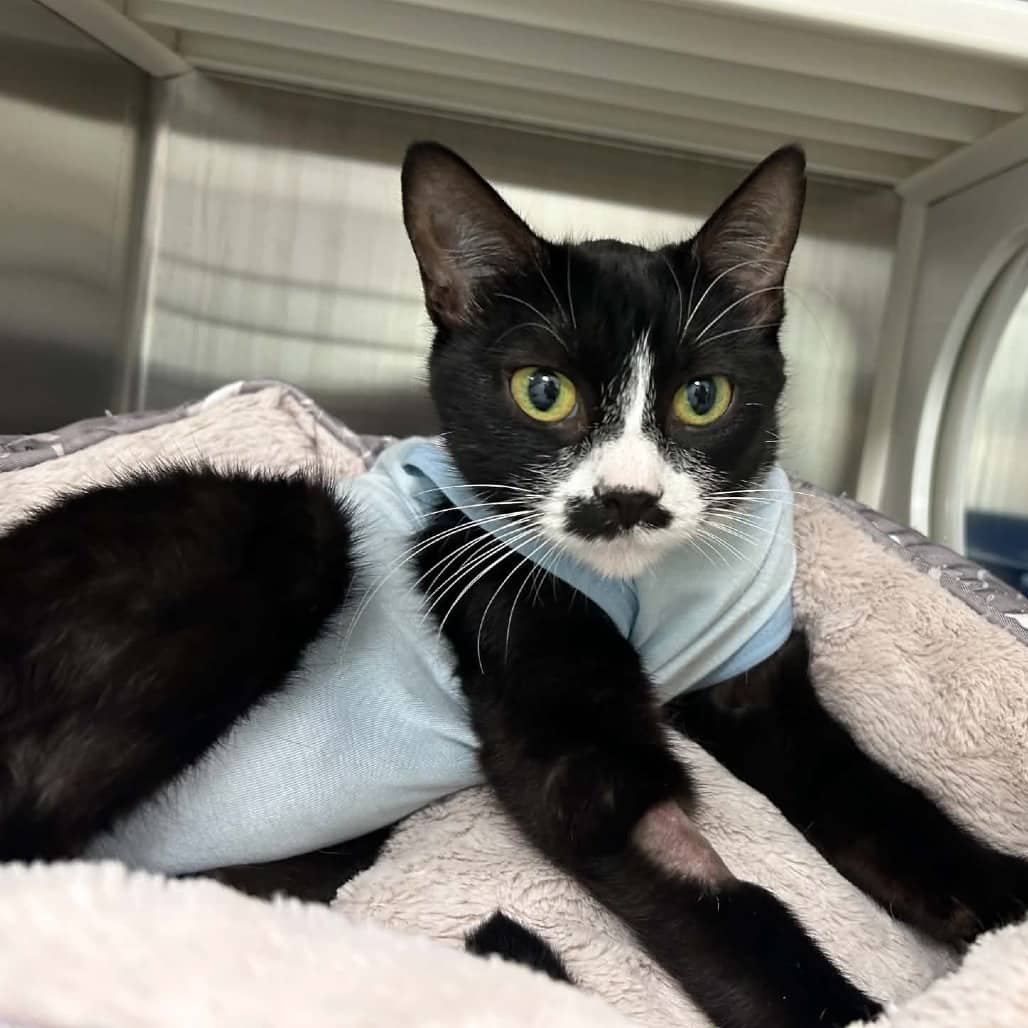
Browse black cats by city
British Columbia
Saskatchewan
Ontario
New Brunswick
Nova Scotia
Newfoundland and Labrador
Prince Edward Island
Get notified when a Black is listed
We will email you the moment a Black becomes available in Canada, from a rescue or an owner rehoming.
Why black cats wait longer for homes
Black cats are the most available and least adopted cats in almost every Canadian shelter. Rescues see the pattern so consistently that they have a name for it: black cat syndrome. Nothing about a black cat makes it a worse companion, and shelter staff will tell you the opposite. The disadvantage is entirely in how adoption browsing works.
Two mechanics drive it. In a grid of listing thumbnails, a calico or a tabby draws the eye before a solid dark coat does, so black cats get scrolled past before anyone reads the profile. And black cats photograph badly in shelter conditions, which compounds the first problem. The result is a longer average wait, which for an adopter is simply more choice.
The photography problem, and how to see past it
Shelter photos are usually taken quickly, indoors, under flat overhead light or with a direct flash. On a black coat that combination erases everything: no cheekbones, no whisker detail, no visible eye colour. What reaches the listing is a silhouette, and a silhouette cannot show personality.
The fix costs nothing. Ask the rescue or the foster for a photo taken in daylight near a window, with the light coming from the side rather than head-on. Side light is what separates fur from background and brings out the copper or green eyes that a flash flattens. Adopters routinely describe the daylight photo as looking like a completely different cat.
- Ask for a daylight photo before you rule any black cat out.
- Ask for a short video instead: movement reveals far more than a still.
- If the cat is in foster care, ask the foster what it does at 6am. That is the real personality read.
Halloween policies and the superstition question
Many North American shelters once paused black cat adoptions through October, on the theory that cats might be adopted as decorations or mistreated. Most rescues have dropped the blanket ban, because the evidence behind it was thin and the practical effect was that black cats lost a month of adoption traffic every year, on top of already waiting longest.
Policies still vary by organisation, so if you are looking in the autumn it is worth asking directly rather than assuming either way. Superstition about black cats also runs in both directions historically: they are considered unlucky in some traditions and distinctly lucky in others, including in parts of Britain and Japan.
Black is a colour, not a breed
There is no black cat breed. Black is a coat colour that appears across many breeds, and the overwhelming majority of black cats in Canadian rescues are domestic shorthairs or domestic longhairs rather than any pedigree. That matters if you arrive expecting a specific temperament, because coat colour predicts nothing about behaviour.
Solid black coats do occur in recognised breeds. Bombay cats are bred specifically for an all-black coat, and black turns up in British Shorthair, Maine Coon, Persian and Oriental lines. A documented pedigree black cat in rescue is uncommon, so treat any breed claim without paperwork as a description of appearance.
What to ask before you apply
Because black cats sit longer, you often have more room to negotiate on fit than you would competing for a popular kitten. Use it. Ask how the cat behaves with other animals, whether it has lived with children, whether it hides for a week or settles in a day, and what the foster thinks it needs.
- Ask about reduced or waived fees. Rescues often discount long-stay cats, and black cats are disproportionately long-stay.
- Ask whether it is part of a bonded pair. Black cats are frequently paired, and pairs wait even longer.
- Ask what the cat is like in the evening, not just during a daytime visit. Cats are more themselves after dark.
Black Cat Adoption FAQ
Tap a question to expand
How many Blacks are available for adoption in Canada?▼
Why do black cats take longer to get adopted?▼
Are black cats harder to photograph?▼
Do Calgary rescues restrict black cat adoptions around Halloween?▼
Is a black cat a specific breed?▼
Looking for black cat adoption in a specific city? Each city link above has a city-scoped page with local rescue context and city-specific FAQ. Or browse the Calgary Black cat adoption guide for the most detailed local content we have.